2011 Honda Civic Wheel Fitment Guide
Use this page to compare donor wheels and custom wheel setups for a 2011 Honda Civic. The specifications below are the known data supplied for this vehicle, but equipment can vary by trim, package, market, and replacement-wheel history. Confirm the original wheel and tire markings on your Civic, then use the calculator before purchasing.
Known OEM Fitment For 2011 Honda Civic
| Specification |
Known value |
| Bolt pattern |
5x114.3 |
| Center bore |
64.1 mm |
| Thread size |
M12 x 1.5 |
| Rim diameter |
16 inches |
| Rim width |
6.5 inches |
| Wheel offset |
ET45 |
| Backspacing |
5.02 inches |
| Tire section width |
195 mm |
| Tire aspect ratio |
65% |
| Tire rim diameter |
15 inches |
The supplied data contains a wheel-diameter conflict: the listed rim diameter is 16 inches, while the listed tire rim diameter is 15 inches. A tire marked with an R15 designation requires a 15-inch wheel, not a 16-inch wheel. Do not treat these values as one confirmed wheel-and-tire package. Check the tire sidewall, wheel stamp, driver's-door placard, owner's documentation, and Honda parts information for the exact trim and market. If the markings do not agree, have a qualified tire professional verify the correct combination.
The bolt pattern, center bore, thread size, wheel width, offset, and backspacing should also be confirmed against the specific wheel and vehicle. A wheel can share the bolt pattern and still fail to clear the brakes, suspension, hub, or fender.
How To Use The Wheel Interchange Calculator
Use the calculator to compare a donor vehicle's wheels with the wheels installed on your 2011 Honda Civic. Enter the donor vehicle under “Wheels from” and the Civic under “Installed on.” Compare bolt pattern, center bore, wheel diameter, width, offset, and tire dimensions where those values are available.
- Start with the known Civic specifications, but verify any field that differs by trim or is not confirmed by an OEM source.
- Use “Custom wheel size” to test a proposed rim diameter, width, and offset.
- Use “Custom tire size” to test section width and aspect ratio.
- When rim diameter changes, review the updated tire-diameter comparison. A new wheel diameter normally requires a tire with the matching bead-seat diameter.
- Read the calculator as a dimensional comparison, not as a complete safety approval. It cannot replace brake-clearance checks, load-rating checks, tire approval, or a physical test fit.
For an unknown value, leave it unconfirmed rather than guessing. Compare the result with the wheel's manufacturer specifications and Honda OEM information for the vehicle identification number, trim, and market.
Fitment Checklist Before You Buy
- Confirm the 5x114.3 bolt pattern and verify that the wheel is intended for five-lug mounting.
- Check the 64.1 mm hub opening against the vehicle hub. A smaller center bore will not install over the hub. A larger bore may require properly specified hub-centric rings when appropriate.
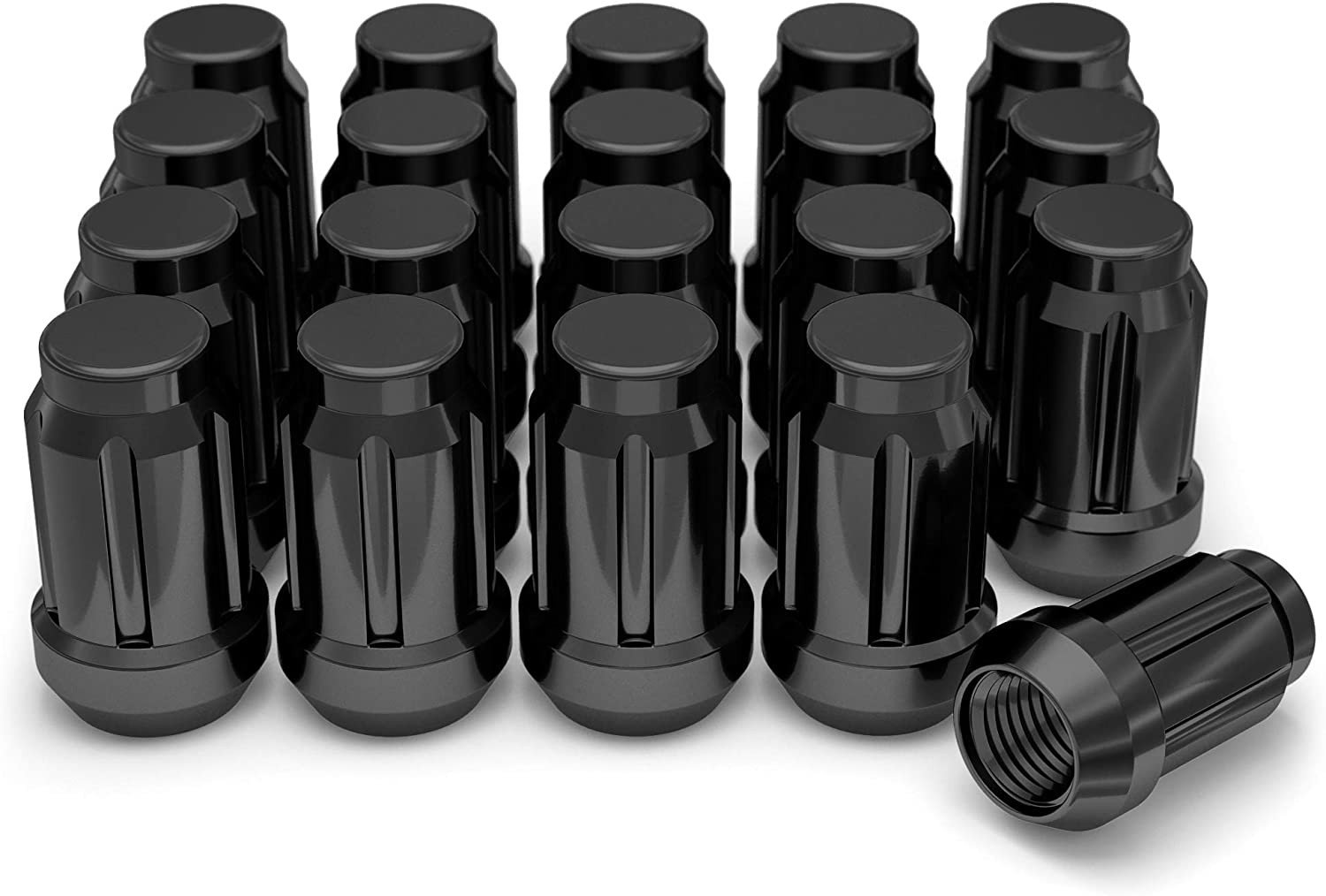
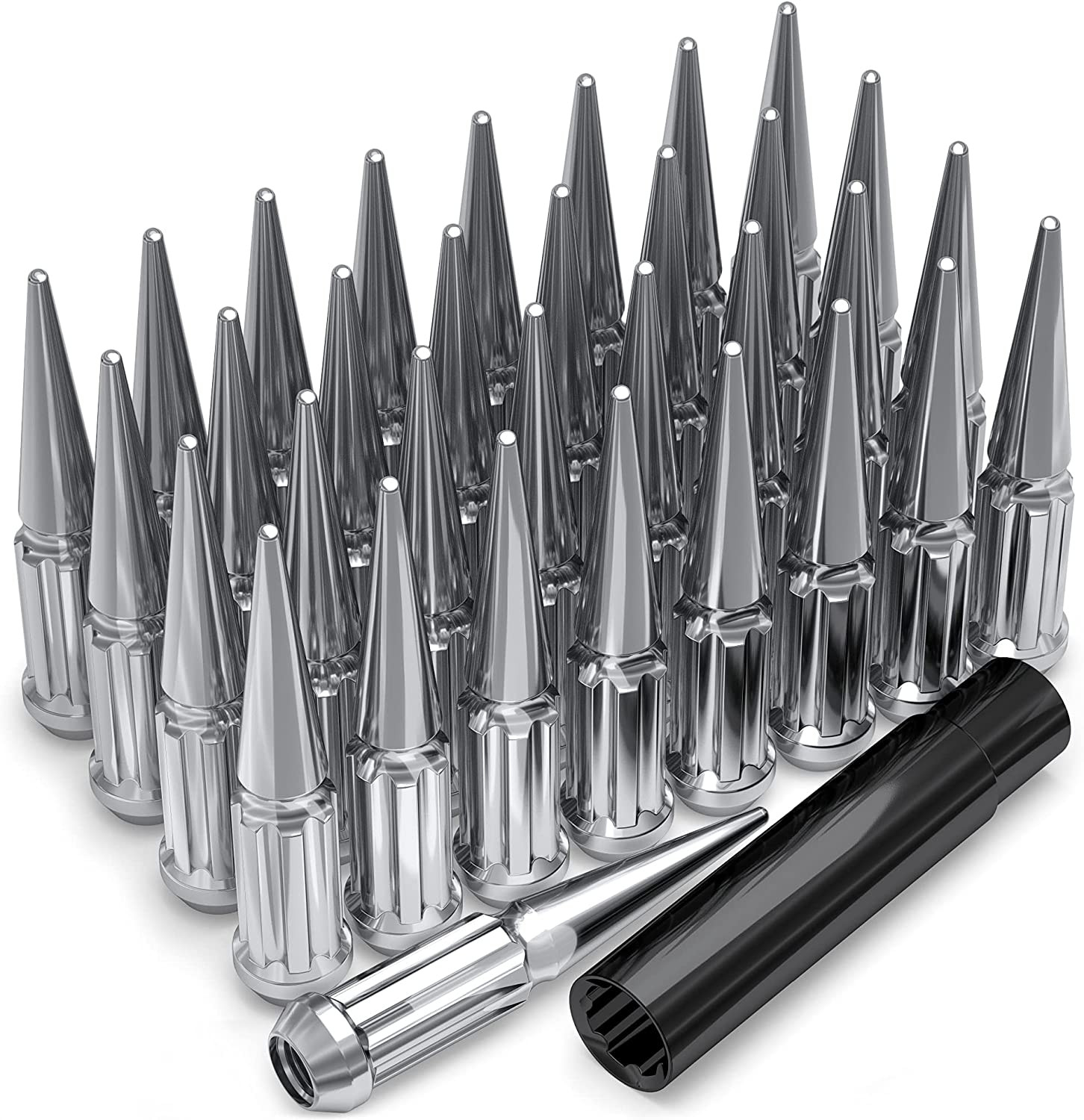
- Confirm M12 x 1.5 hardware compatibility, including the correct seat type. Do not assume the vehicle's lug nuts match an aftermarket wheel's seat.
- Compare wheel width and ET offset with the calculator, then inspect inner clearance to the strut, spring, caliper, and suspension components.
- Inspect outer clearance to the fender, liner, and steering components at full lock and through suspension travel.
- Verify the wheel's load rating and the tire's load index and speed rating. These values are not provided here and must be obtained from the wheel and tire manufacturers or OEM documentation.
- Make sure the tire diameter and width suit the vehicle and do not create unacceptable speedometer, traction-control, or clearance concerns.
- Check whether the wheel accepts the tire's bead-seat diameter. A 15-inch tire cannot be mounted on a 16-inch wheel.
- Confirm valve-stem, tire-pressure-monitoring, spare-wheel, and lug-nut compatibility before ordering.
Plus Sizing And Common Upgrades
Plus sizing generally means fitting a larger-diameter wheel with a lower-aspect-ratio tire while trying to maintain a similar overall tire diameter. The supplied data is not sufficient to approve a specific plus-size setup, especially because the listed 16-inch wheel diameter and 15-inch tire rim diameter conflict.
To evaluate a proposed setup, enter the custom wheel diameter, width, and offset in the calculator, then enter the complete tire dimensions. Compare the resulting overall diameter, section width, and clearance with the verified original setup. Also confirm the tire's approved rim-width range, load rating, and speed rating.
A wider wheel or a more aggressive offset can reduce clearance even when the bolt pattern is correct. A smaller offset generally moves the wheel outward, while a larger offset generally moves it inward, but the exact result depends on wheel width and the actual wheel design. Brake-spoke clearance must be checked in person or with the wheel manufacturer's fitment data.
Installation Tips
- Inspect the hub and wheel mounting faces. Remove rust, dirt, paint buildup, and debris that could prevent the wheel from seating flush.
- Install only compatible lug nuts with the correct thread and seat. Do not force mismatched hardware.
- Start every lug nut by hand to avoid cross-threading.
- Snug the lugs in a star or crisscross pattern, lower the vehicle safely, and torque them to the vehicle or wheel manufacturer's specified value.
- Do not use an impact gun for final torque unless it is specifically controlled and followed by a calibrated torque wrench.
- After installation, check clearance at full steering lock and inspect for contact during cautious movement over representative suspension travel.
- Set tire pressure using the vehicle placard or the tire manufacturer's instructions as applicable, not the maximum pressure molded on the tire sidewall.
- Recheck lug torque after the first short drive and again according to the wheel manufacturer's instructions.
- Stop immediately if you feel vibration, rubbing, steering changes, or braking abnormalities. Reinspect the installation before driving further.
Tools And Helpful Supplies
Useful equipment includes a calibrated torque wrench, appropriately sized socket, breaker bar, jack and jack stands or a suitable vehicle lift, wheel chocks, a tire-pressure gauge, and a hub or wheel measuring tool. Use only equipment rated for the vehicle and follow safe lifting points from the owner's documentation.
See automotive torque wrenches on Amazon for examples of tools used to verify final lug torque. Tool selection does not replace the manufacturer's torque specification or safe lifting procedures.
FAQs
What is the known bolt pattern for the 2011 Honda Civic?
The supplied fitment data lists a 5x114.3 bolt pattern. Confirm the exact vehicle and wheel application before purchase because bolt pattern alone does not establish complete fitment.
What center bore and thread size are listed?
The known center bore is 64.1 mm, and the listed thread size is M12 x 1.5. Verify lug-nut seat style and the actual vehicle hub before installing aftermarket wheels.
Can I use any 5x114.3 wheel?
No. A matching bolt pattern is only one requirement. You must also check center-bore fit, offset, width, brake clearance, suspension clearance, fender clearance, load rating, hardware, and tire compatibility.
Why do the supplied wheel and tire diameters disagree?
The known data lists a 16-inch rim diameter but a 15-inch tire rim diameter. These cannot describe the same mounted tire-and-wheel package. Check the tire sidewall and wheel markings, then confirm the correct trim-specific information through Honda OEM sources or a qualified tire professional.
How do I test a different wheel width or offset?
Enter the proposed diameter, width, and offset under “Custom wheel size” in the calculator. Compare the result with the verified installed setup, then perform physical clearance checks and review the wheel manufacturer's application data.
Does changing wheel diameter change tire size?
Yes. A tire must have a bead-seat diameter that matches the wheel. The calculator updates the tire-diameter comparison when rim diameter changes, but it does not approve a tire or guarantee vehicle clearance.
Are hub-centric rings always required?
Not always. A smaller wheel center bore will not fit over a larger vehicle hub. A larger wheel bore may be usable with correctly specified hub-centric rings when appropriate, but the wheel manufacturer or a qualified technician should confirm the application.
Where can I confirm the original tire size and wheel specification?
Check the driver's-door or door-jamb tire placard, tire sidewalls, wheel markings, owner's documentation, and Honda parts information for the vehicle identification number, trim, and market. If sources conflict, do not rely on an unverified fitment listing.