2008 Honda Element Wheel Interchange And Fitment Guide
This guide summarizes the known OEM wheel and tire measurements for the 2008 Honda Element. The information provided may be partial and may vary by trim, production configuration, or replacement wheel design. Always confirm the vehicle-specific information in the owner’s manual, the driver-door placard, the original wheel, and an OEM or qualified tire-and-wheel source before ordering parts.
Known OEM Fitment For 2008 Honda Element
The following measurements are the known OEM fitment values available for this page:
| Specification |
Known value |
| Bolt pattern, studs x PCD |
5x114.3 |
| Center bore |
64.1 mm |
| Thread size |
M12 x 1.5 |
| Rim diameter |
16 inches |
| Rim width |
6.5 inches |
| Wheel offset |
ET45, or 45 mm |
| Backspacing |
5.02 inches |
| Tire section width |
215 mm |
| Tire aspect ratio |
70% |
| Tire rim diameter |
R16 |
These measurements describe wheel mounting and the supplied tire size information. Bolt pattern alone does not establish safe fitment. Wheel center bore, offset, brake clearance, wheel width, lug hardware, tire clearance, load rating, and tire diameter must also be checked.
The supplied 215/70R16 tire specification has an approximate calculated outside diameter of 27.9 inches before normal manufacturing and wear variation. Use the calculator and the tire manufacturer’s published specifications for a more precise comparison.
How To Use The Wheel Interchange Calculator
Use the on-page calculator to compare a donor vehicle’s wheels with the wheels installed on your 2008 Honda Element. Select the donor vehicle in the “Wheels from” section and select the 2008 Honda Element in the “Installed on” section. Review the displayed bolt pattern, center bore, wheel dimensions, offset, backspacing, and tire measurements.
If your proposed wheel is not listed, use the “Custom wheel size” fields to enter the rim diameter, rim width, and offset. Enter the proposed tire section width and aspect ratio in the “Custom tire size” fields. The calculator updates tire diameter when rim diameter changes, which helps identify changes in overall tire height and speedometer-related differences.
Calculator results are a screening tool, not a substitute for a physical test fit or professional inspection. A result that appears close still requires confirmation of brake, suspension, body, and tire clearance. Confirm the original vehicle trim and current tire size before relying on a comparison.
Fitment Checklist Before You Buy
- Confirm the vehicle identification information and trim using the owner’s manual, door-jamb label, or an OEM parts source.
- Verify the 5x114.3 bolt pattern and ensure the wheel has five correctly positioned mounting holes.
- Check that the wheel center bore is compatible with the vehicle hub. A wheel with a larger bore may require correctly sized hub-centric rings, while a smaller bore generally will not fit over the hub.
- Confirm the wheel offset and width. Small changes can affect inner suspension clearance, outer fender clearance, steering feel, and scrub geometry.
- Check brake caliper and rotor clearance. Diameter and width do not fully describe the shape of a wheel’s spokes or inner barrel.
- Confirm that the replacement tire has an appropriate load index, speed rating, construction, and size for the vehicle.
- Compare the proposed tire diameter with the original size. A substantial change can affect clearance, gearing, speedometer readings, and electronic systems.
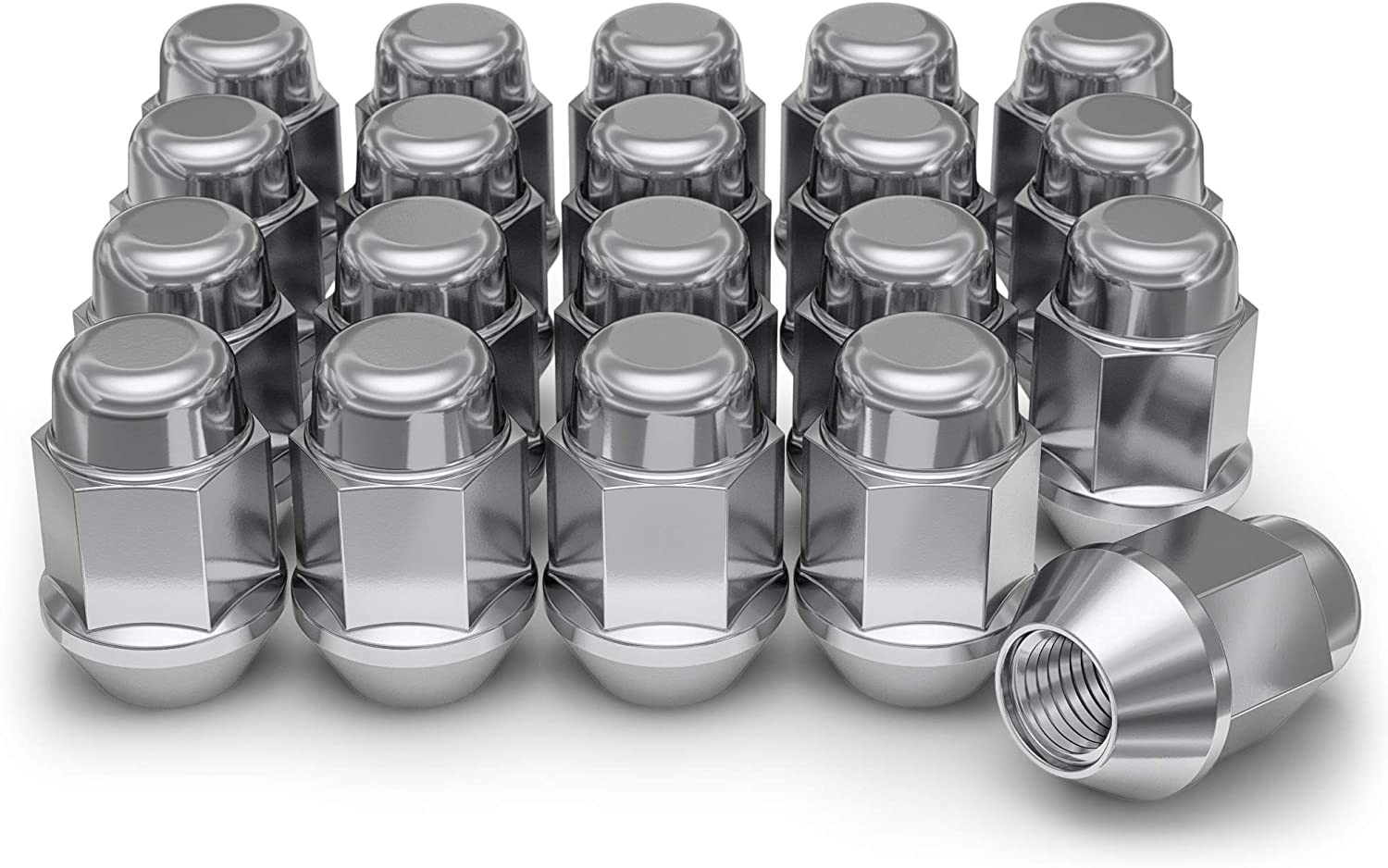
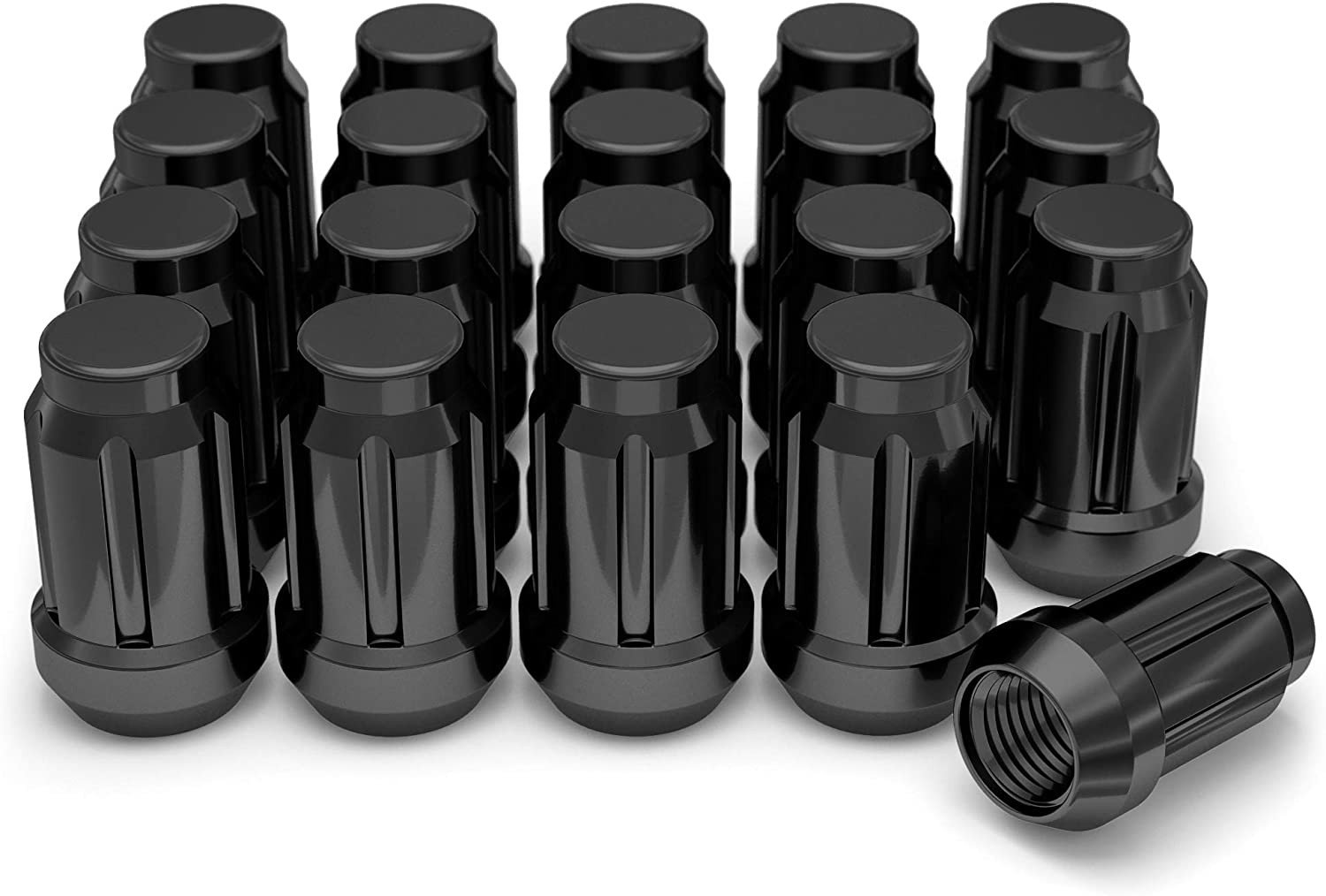
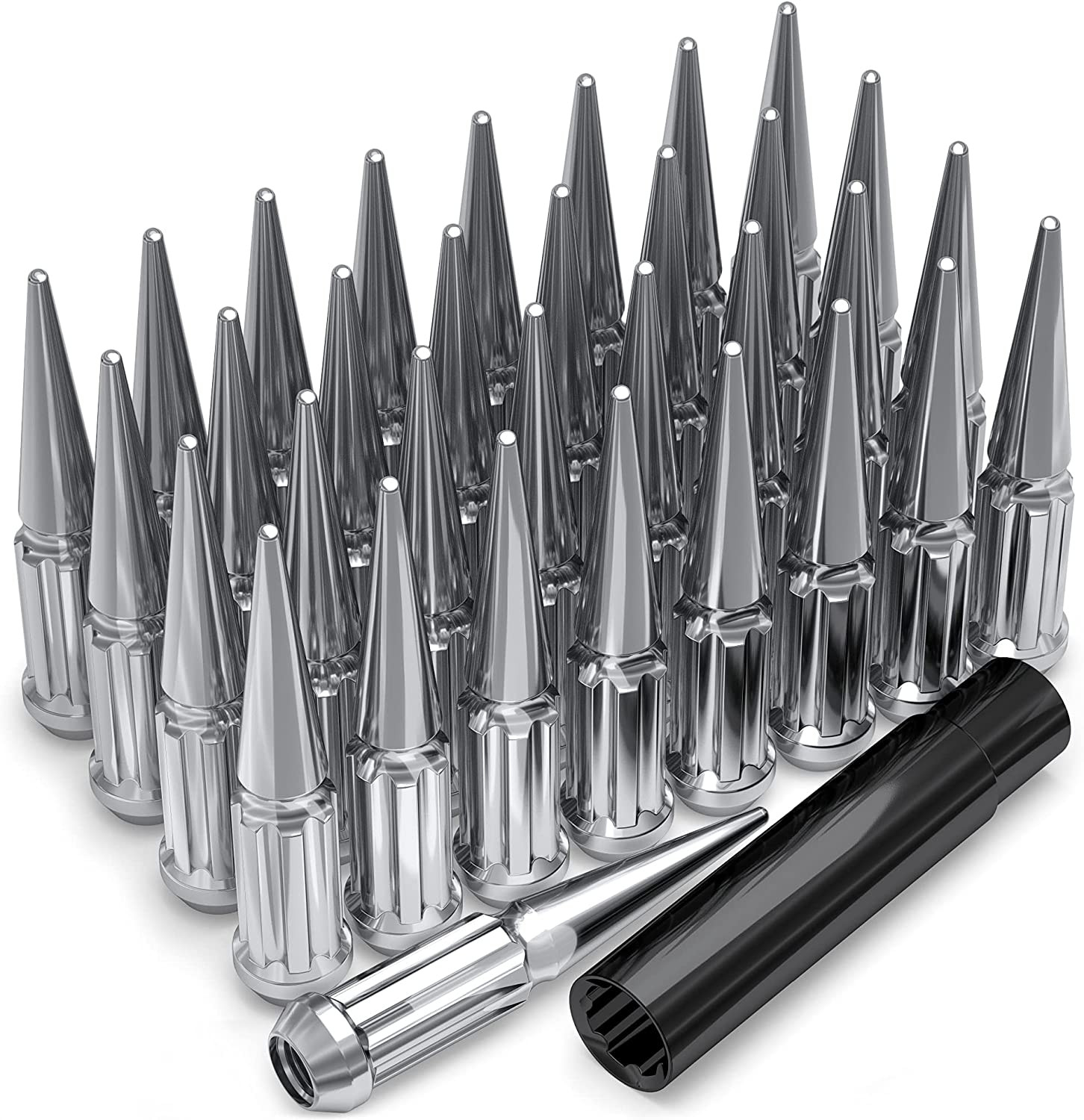
- Verify the lug nut seat type and thread engagement. The known thread size is M12 x 1.5, but the required lug nut seat and wheel-specific hardware must be confirmed separately.
- Check for valve stem, tire-pressure monitoring, and balancing requirements before installation.
- Ask the wheel manufacturer or a qualified installer for a vehicle-specific fitment confirmation when specifications are incomplete.
Plus Sizing And Common Upgrades
Plus sizing usually means fitting a larger-diameter wheel with a lower-profile tire while attempting to keep the overall tire diameter near the original specification. A larger wheel does not automatically provide a safe or compatible upgrade. The replacement wheel must still clear the brakes and suspension, and the tire must fit within the available body and wheel-well space.
Use the custom wheel and tire fields in the calculator to compare proposed changes. Watch the difference in overall diameter, section width, sidewall height, offset, and backspacing. The calculator can help show dimensional changes, but it cannot verify every physical clearance or the required load rating.
When considering an upgrade, preserve adequate sidewall protection for the intended driving conditions and choose a tire approved for the wheel width. Do not select an alternate size solely because it is visually similar. Confirm the final size with a tire manufacturer, wheel manufacturer, OEM source, or qualified tire professional.
Installation Tips
Inspect every replacement wheel for cracks, bends, corrosion, damaged mounting seats, and missing hardware before mounting a tire. Clean the vehicle hub and wheel mounting face so the wheel seats flat. Do not place spacers, washers, or improvised hardware between the wheel and hub unless the parts are specifically engineered and approved for that application.
Install lug nuts using the correct seat style and hand-start them to avoid cross-threading. Tighten the lugs in a star pattern and use the vehicle manufacturer’s specified torque value. Do not guess the torque specification because it is not provided here and can vary by application and hardware.
After installation, rotate the wheel by hand and check for interference. Lower the vehicle, torque the fasteners with a calibrated torque wrench, and recheck torque after the initial driving period according to the wheel and vehicle manufacturer’s instructions. Check tire pressure against the vehicle placard, not the maximum pressure molded into the tire.
Have the assembly balanced and obtain an alignment if the vehicle pulls, the steering wheel is off-center, or uneven tire wear appears. Stop driving if you notice rubbing, vibration, looseness, air loss, or contact between the tire, wheel, suspension, or body.
Tools And Helpful Supplies
A calibrated torque wrench, correctly sized socket, tire-pressure gauge, jack and approved jack stands, wheel chocks, and a tread-depth gauge are useful for safe wheel work. Use the vehicle’s approved lifting points and never work under a vehicle supported only by a jack.
Confirm socket size, torque range, jack capacity, jack-stand capacity, and any required wheel-specific tools before beginning work.
FAQs
What is the known bolt pattern for the 2008 Honda Element?
The supplied OEM fitment information lists a 5x114.3 bolt pattern, meaning five mounting studs or holes on a 114.3 mm pitch circle diameter.
What is the center bore?
The supplied center bore is 64.1 mm. A replacement wheel must have a compatible center opening and must seat correctly on the vehicle hub.
What wheel size is listed for this vehicle?
The known wheel specification is a 16-inch diameter and 6.5-inch width with ET45 offset and 5.02-inch backspacing. These values should still be confirmed for the specific vehicle and trim.
What tire size information is provided?
The supplied tire measurements are 215 mm section width, 70% aspect ratio, and a 16-inch rim diameter, commonly represented as 215/70R16. Confirm the exact approved size on the vehicle tire placard or in the owner’s documentation.
Can any wheel with a 5x114.3 bolt pattern fit?
No. Matching the bolt pattern is only one part of fitment. Center bore, offset, width, brake clearance, lug nut seat, load capacity, and tire clearance must also be compatible.
What lug thread size is listed?
The known thread size is M12 x 1.5. The correct lug nut seat shape, nut style, length, and wheel-specific hardware are not established by thread size alone and must be confirmed before installation.
How can I compare a donor wheel with my installed wheel?
Use the calculator’s “Wheels from” and “Installed on” selections. Compare the mounting pattern, center bore, diameter, width, offset, backspacing, and tire dimensions. For unlisted wheels, enter the specifications in the custom wheel and tire fields.
Does changing wheel diameter change tire diameter in the calculator?
Yes. The calculator updates tire diameter when the custom rim diameter changes. Review the resulting comparison, then verify the actual tire manufacturer specifications and physical clearances before purchase.
Where should I confirm information that is missing or varies by trim?
Check the driver-door tire placard, owner’s manual, original wheel markings, Honda OEM parts information, and the wheel and tire manufacturers’ specifications. A qualified tire and wheel technician can also verify clearance and hardware compatibility.