2019 Honda Accord Wheel Fitment Guide
Known OEM Fitment For 2019 Honda Accord
The following specifications are the known fitment data provided for the 2019 Honda Accord. Equipment can vary by trim, package, market, and wheel setup, so confirm the original specifications on the vehicle before ordering replacement wheels or tires.
| Specification |
Provided value |
| Bolt pattern |
5x114.3 |
| Center bore |
64.1 mm |
| Thread size |
M12 x 1.5 |
| Rim diameter |
18 inches |
| Rim width |
8.0 inches |
| Wheel offset |
ET50 |
| Backspacing |
5.97 inches |
| Tire section width |
225 mm |
| Tire aspect ratio |
50 percent |
| Tire rim diameter listed in the tire data |
R17 |
Important: the supplied data lists an 18-inch rim diameter but also lists a 225/50R17 tire size. Those values do not describe the same wheel and tire assembly because a 17-inch tire mounts on a 17-inch wheel. This may reflect different trims, separate OEM setups, or a data mismatch. Confirm the installed tire size and wheel size from the tire sidewall, door-jamb certification label, owner's manual, or a Honda dealer using the vehicle identification number.
The 5x114.3 bolt pattern, 64.1 mm center bore, M12 x 1.5 thread size, offset, and brake clearance should also be verified before installation. Do not assume that a wheel fits only because its bolt pattern matches.
How To Use The Wheel Interchange Calculator
Use the calculator to compare a donor vehicle's wheels with the wheels you plan to install on your 2019 Honda Accord. Enter the donor vehicle under “Wheels from” and the Accord under “Installed on.” Review the wheel diameter, width, offset, bolt pattern, center bore, and tire dimensions together.
- Start with the donor wheel's stamped or documented diameter, width, and offset.
- Enter the donor tire's section width, aspect ratio, and rim diameter exactly as printed on the sidewall.
- Compare the donor specifications with the known Accord values shown above.
- Use “Custom wheel size” when the wheel is aftermarket or when the donor vehicle data does not match the actual wheel.
- Use “Custom tire size” to compare a proposed tire with the current setup.
- When you change rim diameter, review the updated tire diameter comparison. A different wheel diameter normally requires a tire with a matching rim diameter.
The calculator is a comparison aid, not a substitute for checking brake clearance, suspension clearance, load rating, tire pressure monitoring requirements, or installation torque. If a value is unknown, measure it or confirm it through an OEM source before purchase.
Fitment Checklist Before You Buy
Check every item below before ordering wheels, tires, lug nuts, or spacers:
- Confirm the bolt pattern is 5x114.3 and that the wheel's seating design matches the required lug nuts.
- Confirm the wheel center bore is 64.1 mm or larger. A larger bore may require correctly sized hub-centric rings. A smaller bore will not seat over the hub.
- Confirm the wheel offset and width. Even a wheel with the correct bolt pattern can contact the strut, brake caliper, fender, or suspension components.
- Confirm the tire's rim diameter matches the wheel diameter. The supplied data contains both 18-inch and R17 information, so this point requires special attention.
- Check tire load index, speed rating, overall diameter, and approved rim-width range against the vehicle and tire manufacturer's requirements.
- Check for brake-caliper clearance with a physical test fit when using non-original wheels.
- Confirm that the replacement wheel's load rating is sufficient for the vehicle.
- Check whether the tire pressure monitoring system uses sensors that must be transferred, programmed, or relearned.
- Inspect the wheel for cracks, bends, corrosion, damaged mounting seats, and missing hardware.
Use the vehicle door label and owner's manual as primary references for the tire size and inflation pressure. Use the wheel manufacturer for wheel load rating, offset, center bore, lug-seat type, and clearance information.
Plus Sizing And Common Upgrades
Plus sizing changes the wheel diameter while aiming to keep the tire's overall diameter reasonably close to the original setup. It can change ride comfort, steering response, speedometer accuracy, wheel protection, and the risk of contact with suspension or body components.
Because the supplied OEM data includes both an 18-inch rim entry and a 225/50R17 tire entry, do not treat either combination as the confirmed baseline until the vehicle's actual setup is checked. Enter the verified current wheel and tire size into the calculator before comparing a proposed upgrade.
For a custom setup, use the calculator to compare section width, sidewall height, overall diameter, wheel width, and offset. Then confirm the result with the tire manufacturer's approved rim-width range and the wheel manufacturer's clearance guidance. A numerical comparison cannot verify every brake, strut, fender, or steering clearance condition.
Installation Tips
- Install wheels only on a level surface with the vehicle securely supported by properly rated jack stands.
- Clean the hub face and wheel mounting surface. Remove rust, dirt, and debris without damaging the mating surfaces.
- Make sure the wheel sits flat against the hub before tightening the lug nuts.
- Use the correct M12 x 1.5 hardware only when the wheel's lug-seat type is compatible with that hardware.
- Hand-start every lug nut to avoid cross-threading. Do not use an impact tool to start lug nuts.
- Snug the lugs in a star or crisscross pattern, lower the vehicle enough to prevent rotation, and torque them to the vehicle or wheel manufacturer's specified value.
- Do not guess the torque specification. Confirm it in the owner's manual, a Honda service reference, or the wheel manufacturer's instructions.
- Check tire pressure using the door-jamb label as the starting reference, then complete any required TPMS relearn procedure.
- After a short drive, stop and inspect for rubbing, vibration, loose hardware, or warning lights. Recheck lug torque according to the wheel and vehicle manufacturer guidance.
Tools And Helpful Supplies
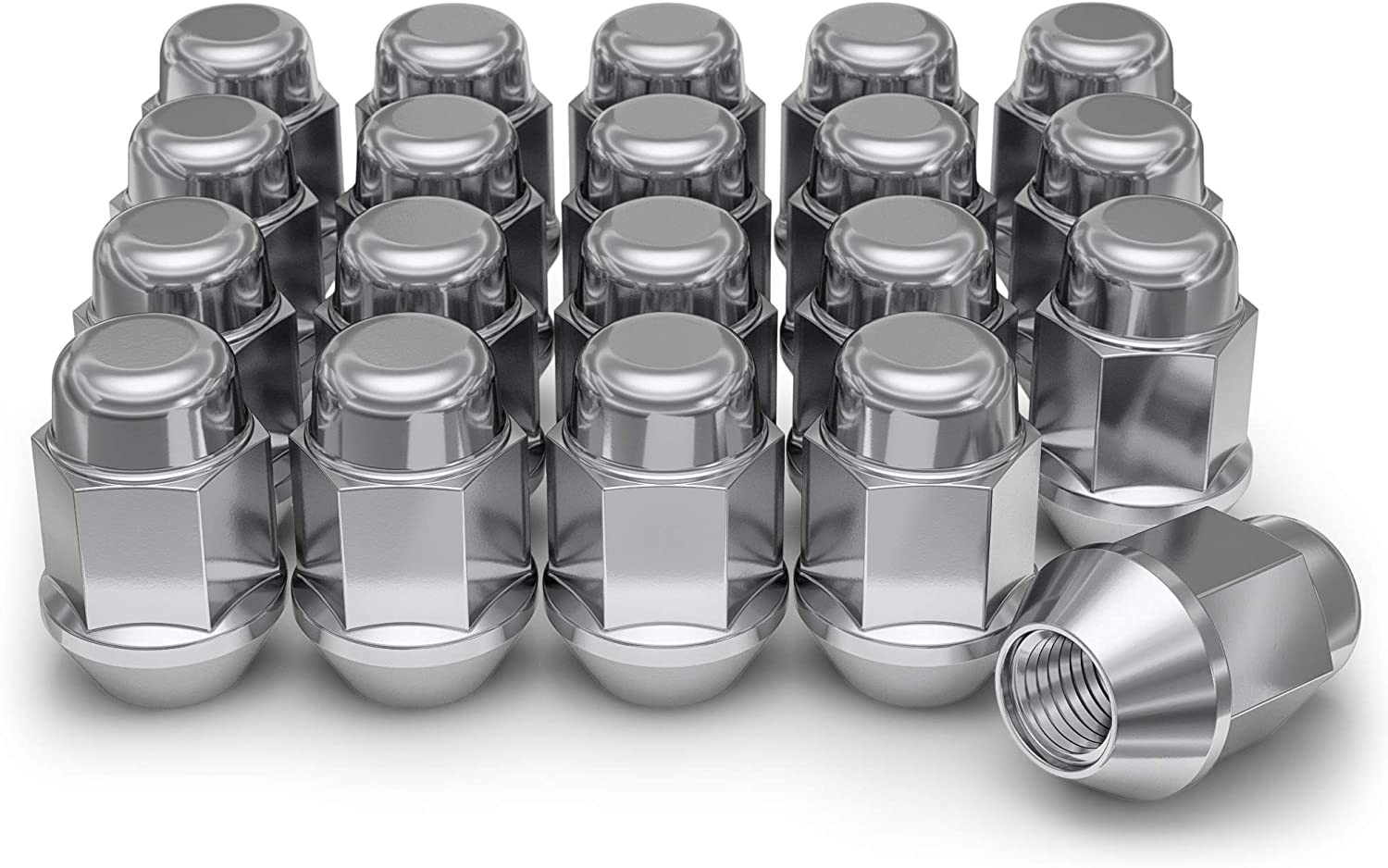
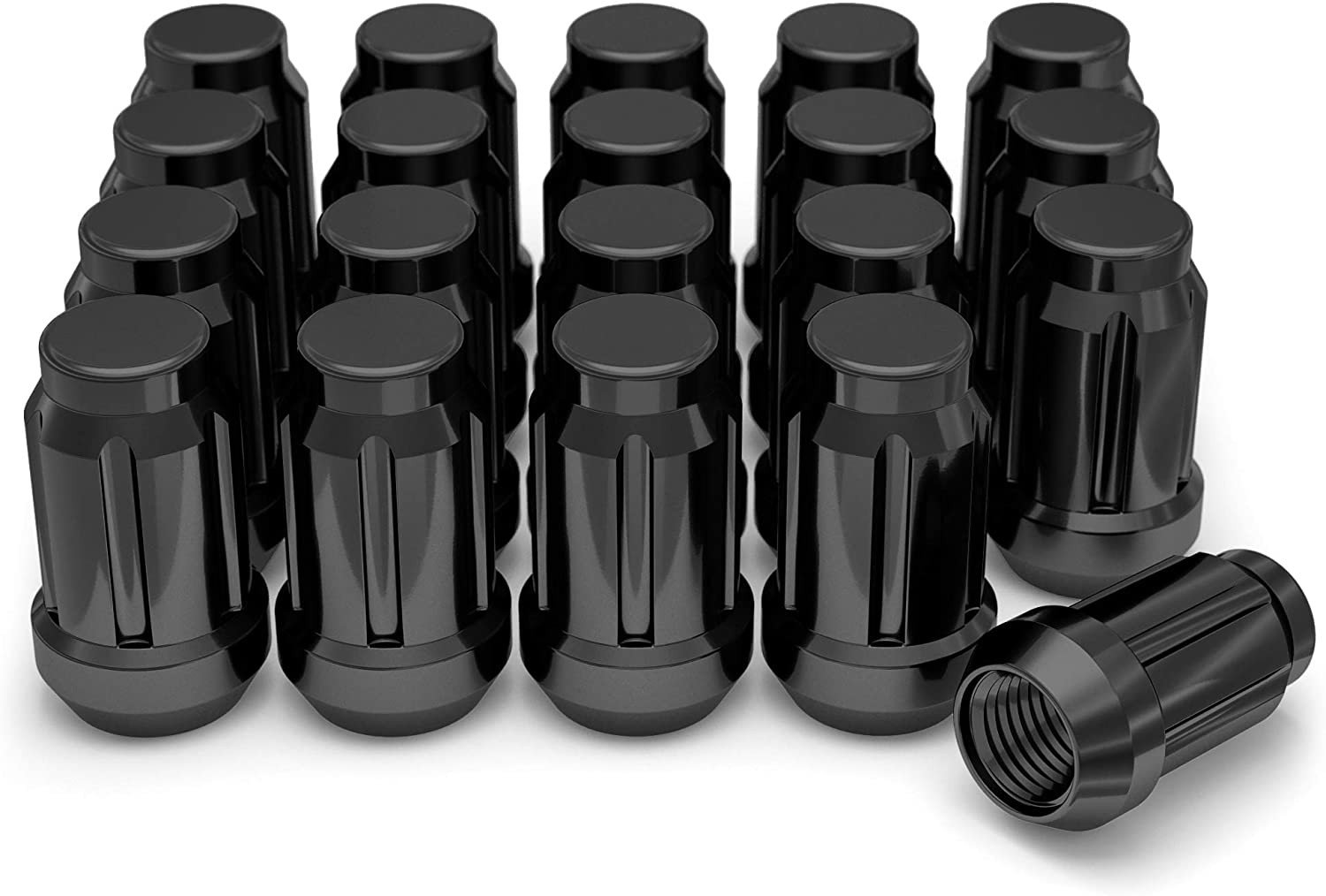
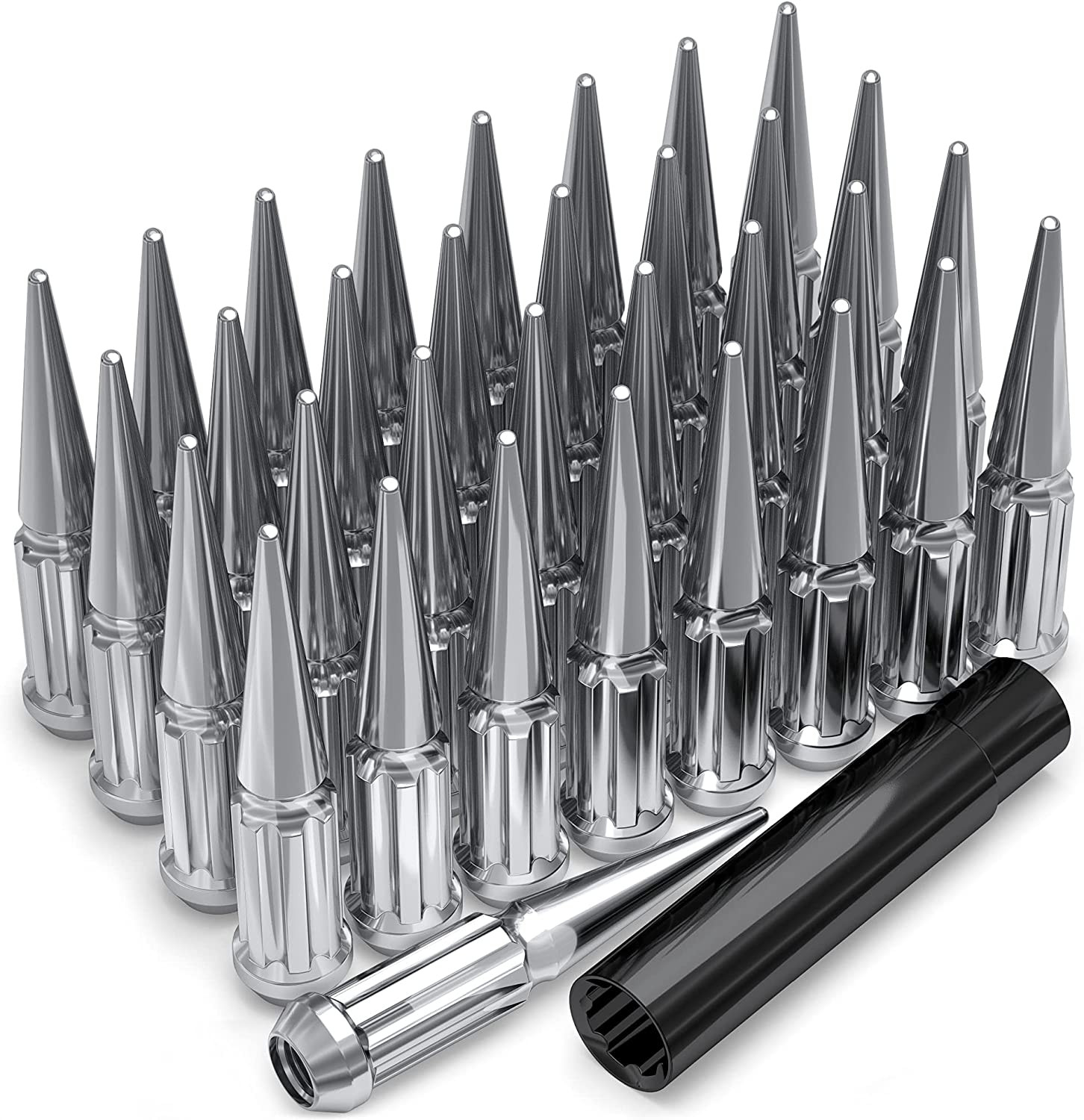
A basic installation may require a floor jack, jack stands, a properly sized socket, a breaker bar, and a calibrated torque wrench. A thread-compatible lug nut set, hub-cleaning brush, tire pressure gauge, and hub-centric rings may also be needed depending on the wheel design.
Before buying hardware, verify whether the wheel uses conical, ball, or another lug-seat design. Thread size alone does not confirm lug-nut compatibility.
FAQs
What is the bolt pattern for the 2019 Honda Accord?
The provided bolt pattern is 5x114.3. Confirm the wheel's pattern and mounting hardware before installation.
What is the center bore for the 2019 Honda Accord?
The provided center bore is 64.1 mm. A wheel with a larger bore may need hub-centric rings, while a smaller bore generally will not fit over the vehicle hub.
What lug thread size is listed for the 2019 Honda Accord?
The provided thread size is M12 x 1.5. The wheel's lug-seat shape and the vehicle's specified hardware must also match.
Does the supplied fitment data specify a 17-inch or 18-inch setup?
It lists an 18-inch rim diameter but also lists a 225/50R17 tire size. These do not mount together, so confirm the actual wheel and tire installed on the vehicle using the tire sidewall, door label, owner's manual, or an OEM VIN-based source.
Can any 5x114.3 wheel fit the 2019 Honda Accord?
No. Bolt pattern is only one part of fitment. You must also verify center bore, offset, width, brake clearance, lug-seat type, wheel load rating, and tire compatibility.
How do I compare aftermarket wheels with the Accord?
Enter the donor or aftermarket wheel under “Wheels from,” select the 2019 Honda Accord under “Installed on,” and review all wheel and tire dimensions. Use the custom wheel and tire fields when the exact parts are not listed.
Should I use wheel spacers to correct an offset difference?
Do not use spacers as a casual fitment solution. Spacers can affect clearance, hub engagement, fastener engagement, bearing loads, and legal compliance. If considered, use only a properly engineered, hub-centric product with manufacturer instructions and professional clearance verification.
Where can I confirm the original tire size and pressure?
Check the driver's door-jamb label and owner's manual first. For trim-specific confirmation, consult Honda service information or a Honda dealer using the vehicle identification number.