2016 Honda Accord Wheel Fitment Guide
Use this page to review the known wheel and tire information for a 2016 Honda Accord and compare potential donor wheels. Fitment can vary by trim, package, market, and factory equipment, so confirm the measurements on your vehicle before buying or installing parts.
Known OEM Fitment For 2016 Honda Accord
The following specifications are the known values provided for this vehicle. They may represent only one configuration and should not be treated as a complete fitment list for every 2016 Honda Accord.
| Specification |
Known value |
| Bolt pattern, studs x PCD |
5x114.3 |
| Center bore |
64.1 mm |
| Thread size |
M12 x 1.5 |
| Rim diameter |
18 inches |
| Rim width |
8.0 inches |
| Wheel offset |
ET55 |
| Backspacing |
6.17 inches |
| Tire section width |
205 mm |
| Tire aspect ratio |
65 |
| Tire rim diameter |
R16 |
There is an apparent diameter difference in the supplied data: the wheel entry states 18 inches, while the tire entry states R16. Do not combine these values as one complete wheel and tire assembly without checking the tire sidewall, wheel stamp, door-jamb label, owner documentation, or Honda service information. The 2016 Honda Accord may have different factory configurations, and the information above is not a substitute for trim-specific confirmation.
How To Use The Wheel Interchange Calculator
Use the calculator to compare a donor vehicle's wheels with the wheels you plan to install on your 2016 Honda Accord.
- Enter the donor vehicle in the “Wheels from” section.
- Enter the 2016 Honda Accord in the “Installed on” section.
- Review bolt pattern, center bore, diameter, width, offset, and other available comparison measurements.
- Use “Custom wheel size” when the donor wheel or proposed replacement has a different rim diameter, width, or offset.
- Use “Custom tire size” to compare section width and aspect ratio.
- When you change rim diameter, review the updated tire diameter comparison. A different wheel diameter requires a tire with a matching rim diameter.
A calculator is a screening tool, not a physical clearance guarantee. Confirm brake, suspension, fender, steering, and tire clearances on the actual vehicle before driving.
Fitment Checklist Before You Buy
Compare the complete wheel and tire setup, not just the bolt pattern.
- Confirm the 5x114.3 bolt pattern and verify that the wheel's seat type matches the required lug hardware.
- Check that the center bore is compatible with the vehicle hub. A larger bore may require correctly sized hub-centric rings. A smaller bore will not fit over the hub.
- Compare wheel diameter, width, offset, and backspacing with the known values and the calculator results.
- Check inner clearance to the brake caliper, strut, knuckle, and suspension components.
- Check outer clearance at the fender, wheel arch liner, and bumper area during steering and suspension movement.
- Confirm that the tire's rim diameter matches the wheel diameter. Do not mount an R16 tire on an 18-inch wheel.
- Verify tire load capacity, speed rating, inflation pressure, and overall diameter using the vehicle label and tire manufacturer information.
- Inspect used wheels for cracks, bends, weld repairs, corrosion, and damaged lug-seat areas.
- Ask the seller for the wheel's stamped width, diameter, offset, and part number rather than relying only on a listing title.
Plus Sizing And Common Upgrades
Plus sizing changes the wheel diameter while using a lower-profile tire to keep the overall tire diameter reasonably close. It can affect ride comfort, steering response, road noise, wheel damage risk, speedometer accuracy, and clearance.
The supplied information includes both an 18-inch rim value and an R16 tire value, so a specific plus-size recommendation cannot be confirmed from the available data. Enter your verified original wheel and tire measurements into the calculator, then compare the proposed custom size.
Changing wheel width or offset can move the inner wheel edge closer to suspension parts or move the outer edge closer to the fender. Do not assume that a wheel with the correct bolt pattern will clear the vehicle. Any spacer, adapter, or aftermarket hardware must be specifically approved for the application and installed according to its manufacturer's instructions.
Installation Tips
Have wheels and tires installed by a qualified technician when possible. Before installation, clean the hub and wheel mounting surfaces and remove rust or debris that could prevent the wheel from seating flush.
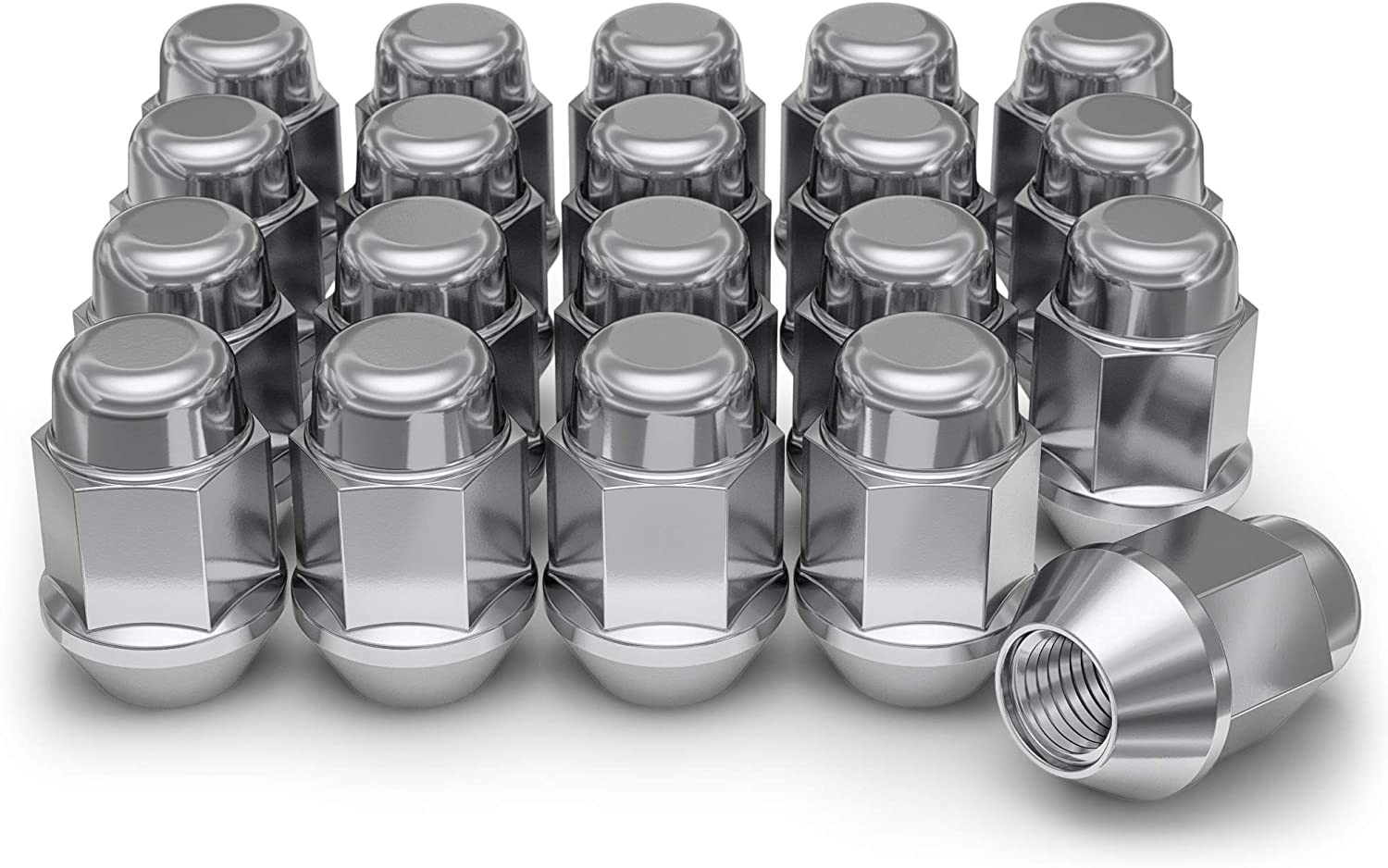
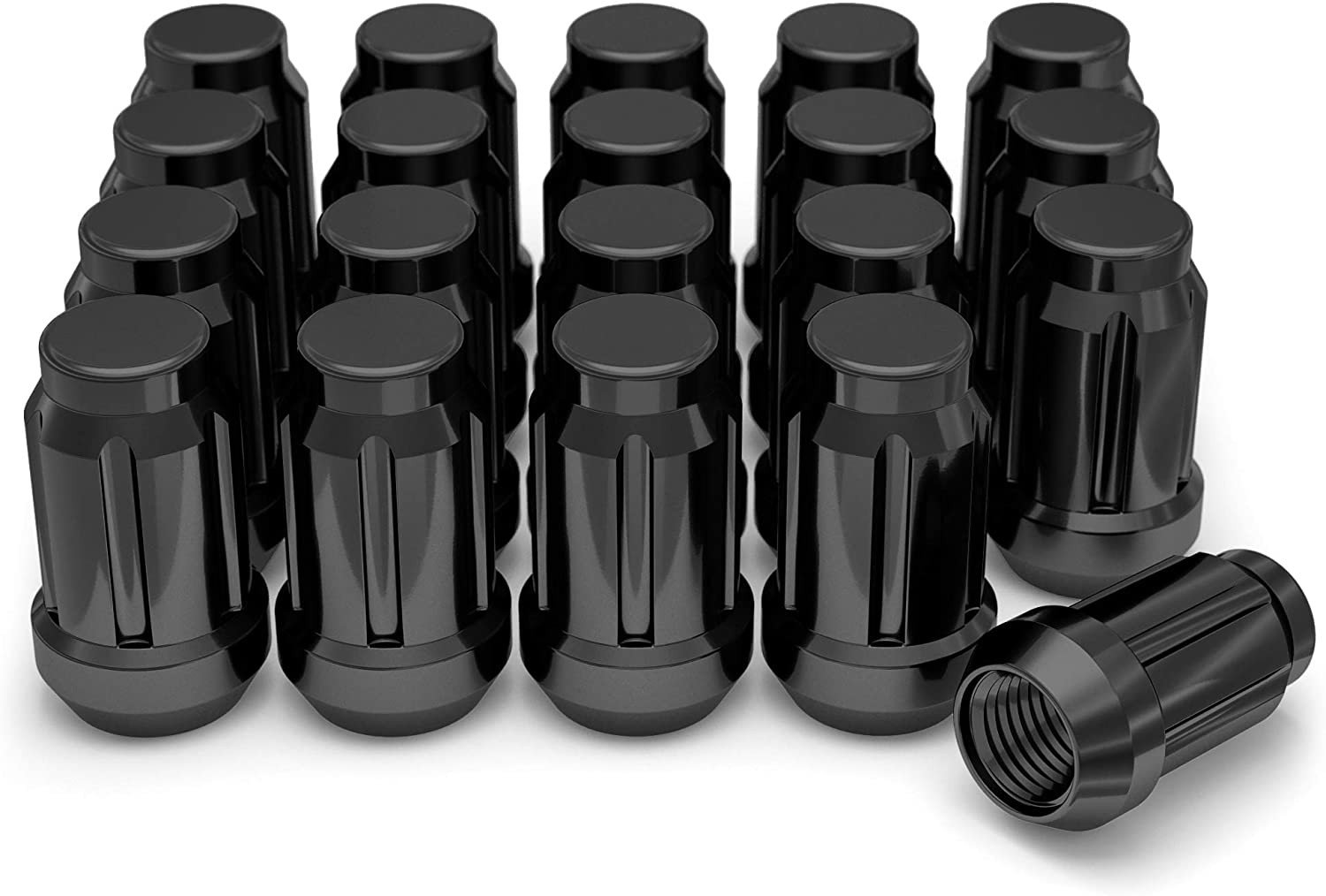
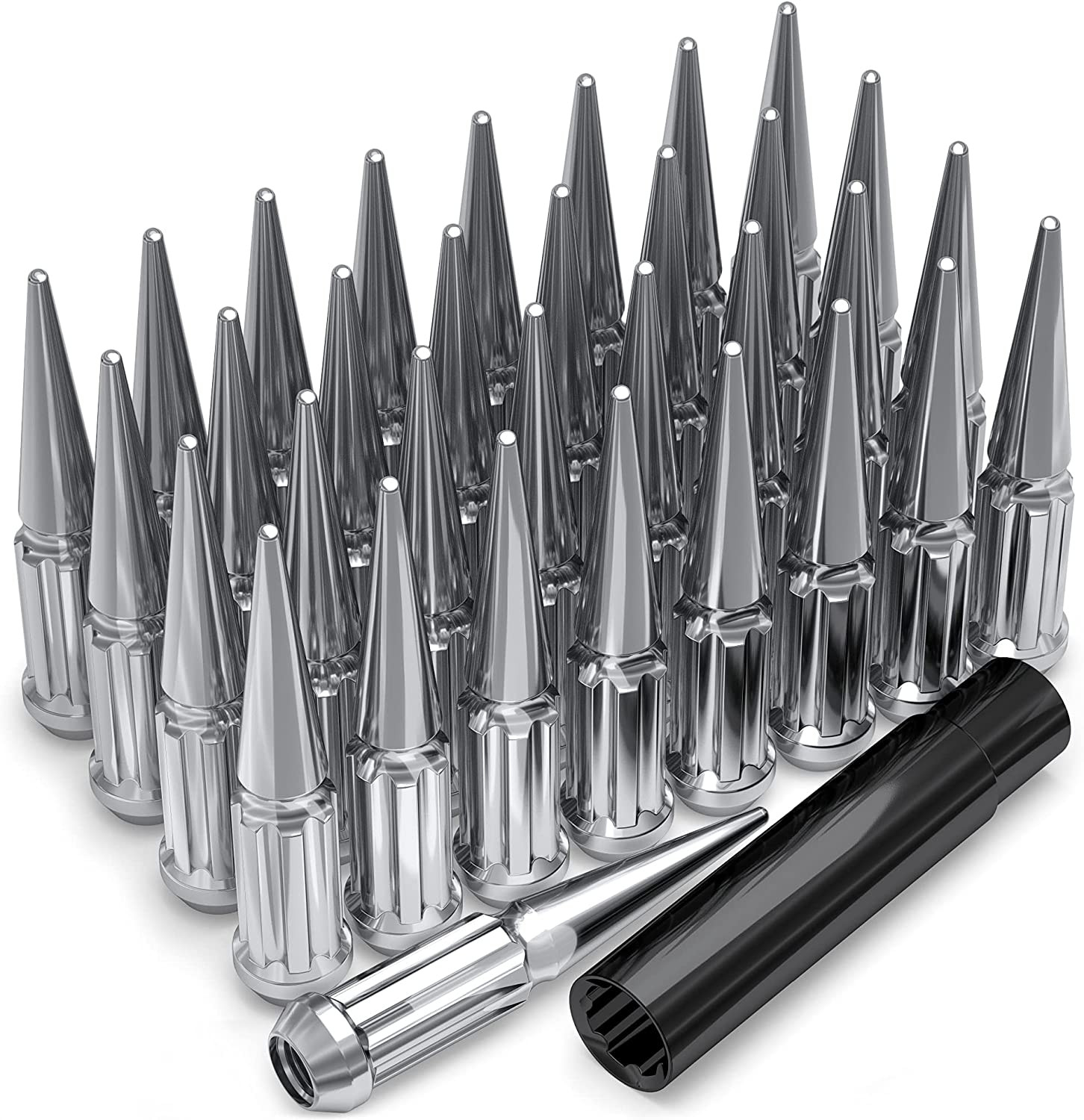
- Use the correct lug nuts for the wheel's seat design and thread size. The known thread size is M12 x 1.5, but lug seat compatibility must still be confirmed.
- Install lug nuts by hand first to prevent cross-threading.
- Lower the vehicle enough to prevent the wheel from spinning, then tighten the lugs in a star pattern.
- Use the torque specification in the Honda owner's manual or service information for the exact vehicle and hardware. Do not guess the torque value.
- Check tire pressure against the vehicle's door-jamb label, not the maximum pressure molded into the tire sidewall.
- After installation, check for rubbing at full steering lock and inspect clearance again after a short, careful test drive.
- Recheck lug tightness according to the wheel manufacturer's or installer’s instructions after the initial driving period.
- Stop driving if you notice vibration, tire contact, steering changes, air loss, or unusual noises.
Tools And Helpful Supplies
Useful supplies include a calibrated torque wrench, suitable socket, jack and jack stands rated for the vehicle, wheel chocks, a tire pressure gauge, and a wire brush for cleaning hub surfaces. A professional tire shop should handle tire mounting, balancing, and any bead or valve-stem service.
Shop automotive torque wrench and socket tools on Amazon
Shop digital tire pressure gauges on Amazon
FAQs
Does the 2016 Honda Accord use a 5x114.3 bolt pattern?
Yes, 5x114.3 is the known bolt pattern provided for this page. Confirm the vehicle and wheel specifications before purchase because fitment can vary by configuration.
What is the center bore listed for this vehicle?
The known center bore is 64.1 mm. A donor wheel with a larger center bore may need properly sized hub-centric rings, while a smaller bore generally will not fit over the vehicle hub.
What thread size is listed for the wheel hardware?
The known thread size is M12 x 1.5. The lug nut seat style and overall lug hardware design must also match the wheel.
Can I use the listed R16 tire with the listed 18-inch rim?
No. An R16 tire is designed for a 16-inch rim, while an 18-inch rim requires a tire marked for an 18-inch rim. The supplied data contains both values, so verify the actual wheel and tire configuration before ordering.
Will any 5x114.3 wheel fit this Honda Accord?
No. Bolt pattern is only one part of fitment. Center bore, wheel width, offset, backspacing, brake clearance, lug seat design, tire size, and fender clearance must also be checked.
How do I compare a donor vehicle's wheels?
Enter the donor vehicle under “Wheels from” and the 2016 Honda Accord under “Installed on.” Review the comparison, then use the custom wheel and tire fields for proposed sizes. Confirm the results against the wheel stamp, tire sidewall, and OEM sources.
Where can I confirm the original wheel and tire size?
Check the driver's door-jamb tire and loading label, the owner's manual, the tire sidewalls, wheel markings, and Honda service information. A Honda dealer can also verify equipment using the vehicle identification number.
Do I need a professional installation?
Professional installation is recommended for mounting, balancing, and clearance inspection. If you install wheels yourself, use safe lifting equipment, correct lug hardware, and the exact OEM torque specification.