2010 Hyundai Genesis Wheel Interchange and Fitment Guide
Use this page to compare wheels and tires for a 2010 Hyundai Genesis. The specifications below are the known values supplied for this vehicle, but fitment can vary by trim, brake package, wheel design, and market. Confirm every measurement against the vehicle, the wheel markings, and Hyundai OEM information before purchasing or installing parts.
Known OEM Fitment For 2010 Hyundai Genesis
The following values are available for the 2010 Hyundai Genesis fitment data on this page:
| Specification |
Known value |
| Bolt pattern, studs x PCD |
5x114.3 |
| Center bore |
66.7 mm |
| Thread size |
M12 x 1.5 |
| Rim diameter |
18 inches |
| Rim width |
8.0 inches |
| Wheel offset |
ET33 |
| Backspacing |
5.3 inches |
| Tire section width |
225 mm |
| Tire aspect ratio |
55 |
| Tire rim diameter |
R17 |
There is an apparent diameter mismatch in the supplied data: the listed wheel diameter is 18 inches, while the listed tire size ends in R17. A 17-inch tire cannot be mounted on an 18-inch wheel. Treat these as separate data points until you confirm the actual wheel and tire markings on your vehicle. The tire marking is normally written in a format such as 225/55R17, where the final number identifies the required wheel diameter.
These values do not confirm brake clearance, spoke clearance, tire load rating, speed rating, or clearance at the suspension and body. Confirm those items before ordering.
How To Use The Wheel Interchange Calculator
Use the calculator to compare a donor wheel and tire package with the wheel and tire you plan to install on your 2010 Hyundai Genesis.
- Enter the donor vehicle or donor wheel information under Wheels from.
- Enter the 2010 Hyundai Genesis information under Installed on.
- Compare rim diameter, rim width, and offset. These dimensions affect inner clearance, outer poke, and the wheel position relative to the hub.
- Enter the tire section width and aspect ratio for both setups. Do not compare tire width alone.
- Use Custom wheel size to test a different rim diameter, width, or offset.
- Use Custom tire size to test a different section width or aspect ratio.
- When you change rim diameter, review the updated tire diameter in the comparison. A tire must still match the wheel diameter being used.
The calculator is a comparison tool, not a substitute for a physical test fit or OEM confirmation. A result that appears close does not prove that the wheel clears the brake caliper, suspension, fender, or steering components.
Fitment Checklist Before You Buy
- Confirm the vehicle identification number, model year, trim, drivetrain, and brake package using Hyundai documentation or a Hyundai dealer.
- Match the wheel bolt pattern to 5x114.3 and confirm that the wheel is designed for the vehicle's M12 x 1.5 fasteners.
- Check the wheel center bore against the known 66.7 mm value. A wheel with a smaller bore will not fit over the hub. A larger bore may require correctly sized hub-centric rings if approved for the application.
- Verify wheel diameter, width, and offset from the markings on the wheel or the manufacturer's technical drawing.
- Confirm that the tire bead diameter matches the wheel diameter. Do not mount an R17 tire on an 18-inch wheel.
- Check tire load index, speed rating, sidewall condition, age, and pressure requirements against the vehicle placard and tire manufacturer information.
- Check inner clearance to the strut, spring, control arms, brake caliper, and other suspension parts.
- Check outer clearance to the fender lip and wheel arch through steering lock and suspension travel.
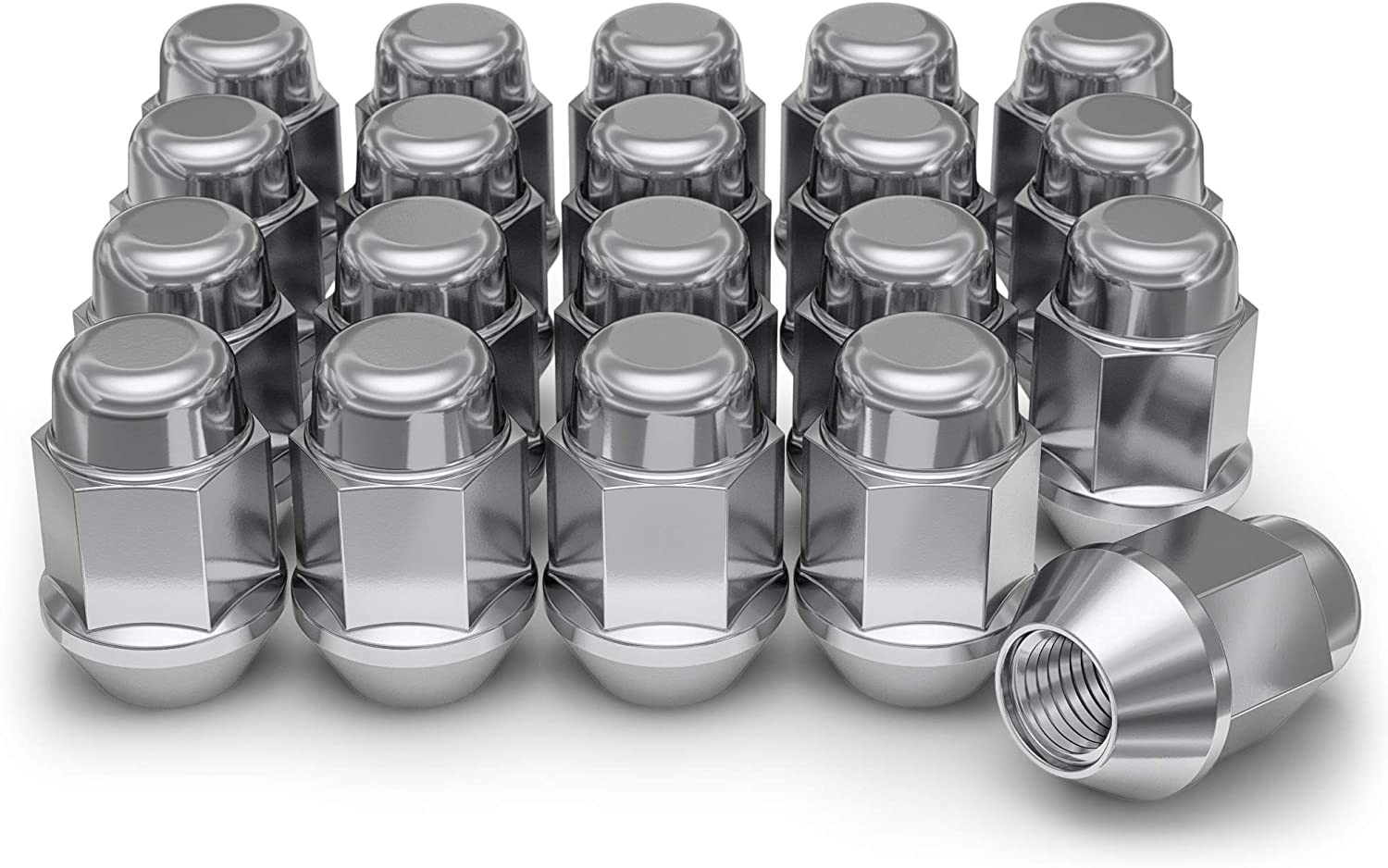
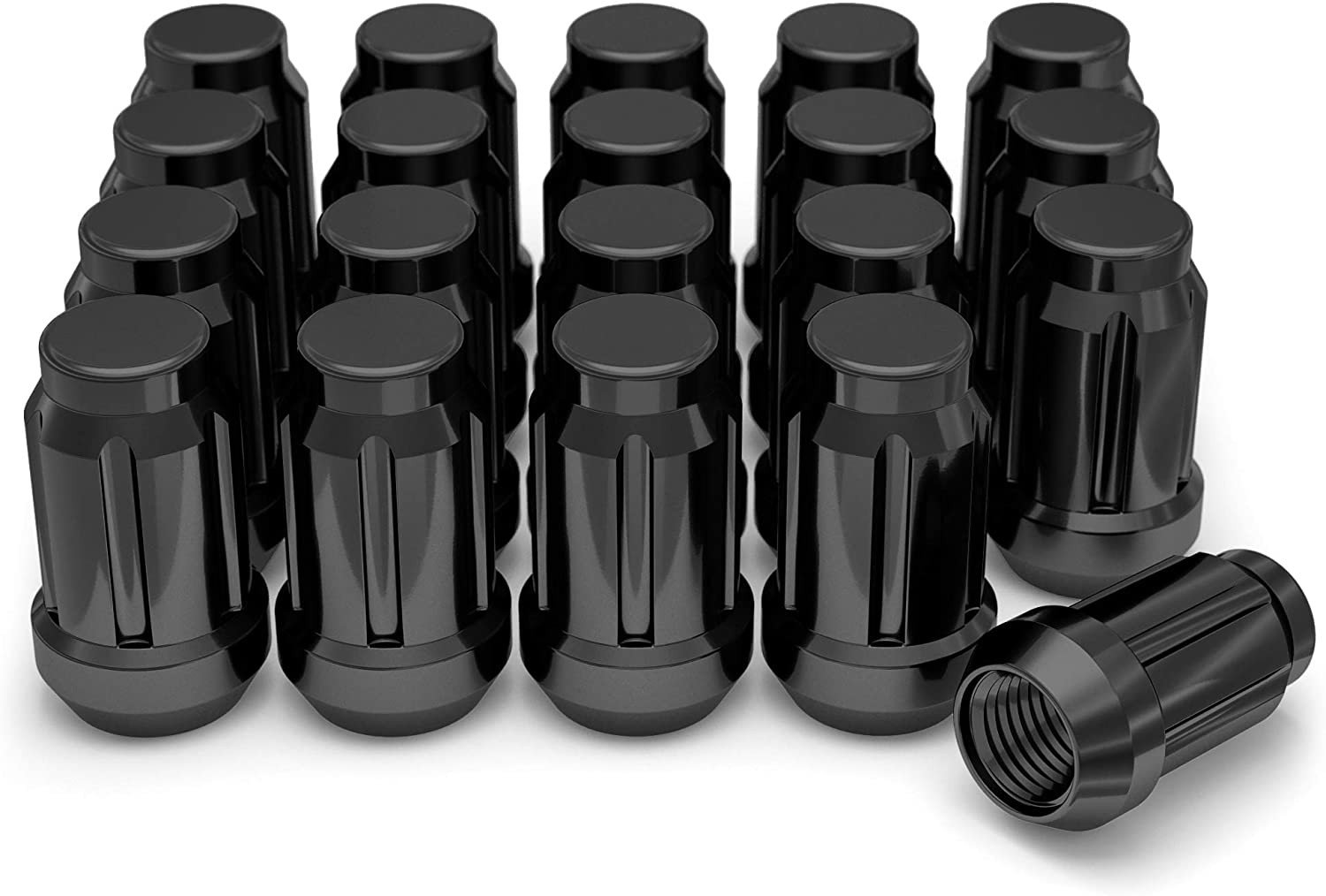
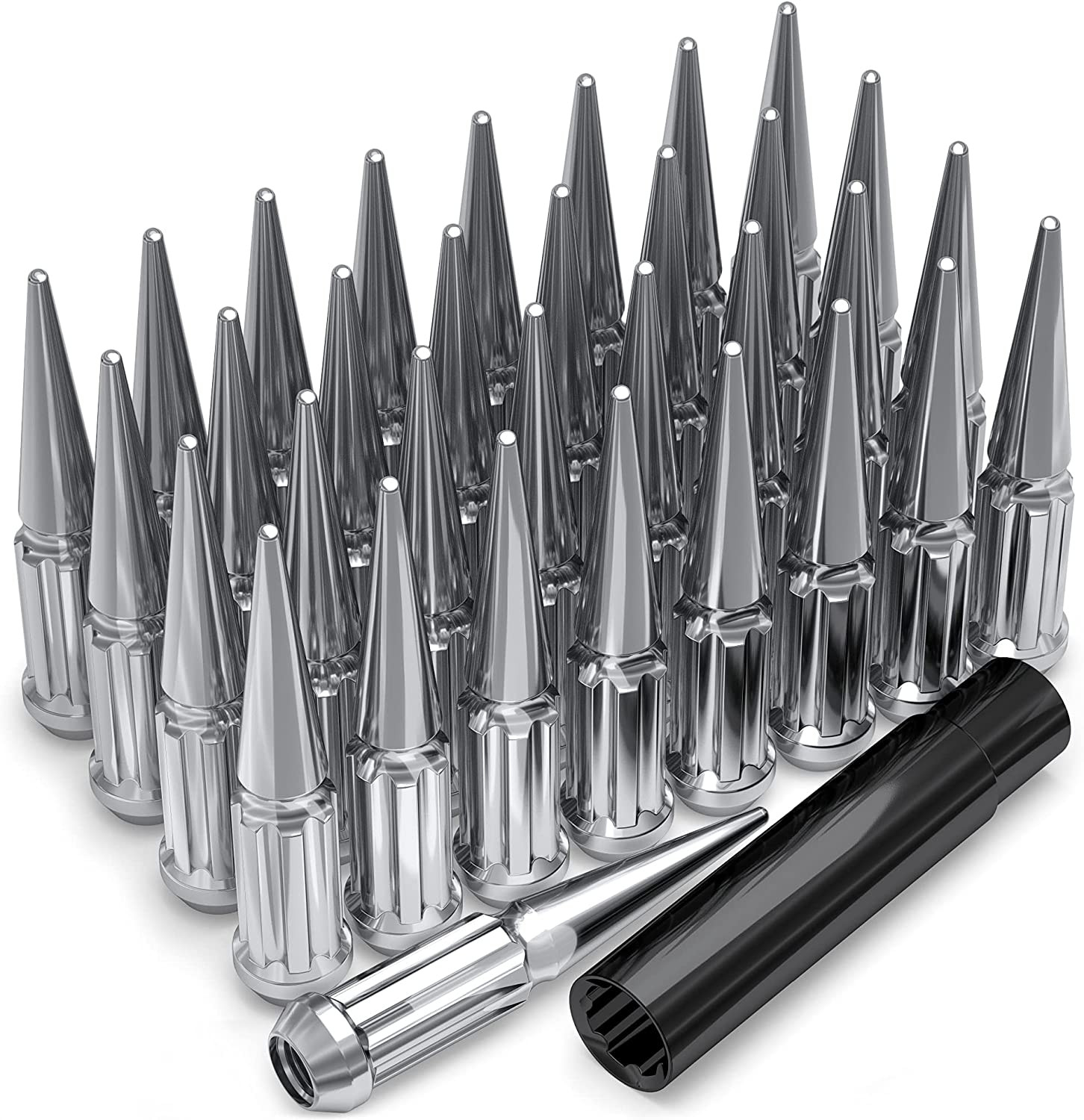
- Confirm that the replacement wheel has an appropriate load rating and that its lug-seat type matches the required fastener seat. The thread size alone does not identify the correct lug nut seat.
- Look for interference after installation before driving at road speed. If the wheel or tire contacts any component, do not operate the vehicle.
Plus Sizing And Common Upgrades
Plus sizing generally means using a larger wheel diameter with a lower-profile tire while keeping the overall tire diameter reasonably close to the original setup. It can change steering response, ride comfort, road-noise levels, wheel protection, and clearance. It can also affect the accuracy of systems that rely on wheel-speed signals if the rolling circumference changes too much.
For this page, the supplied wheel diameter is 18 inches, but the supplied tire rim diameter is R17. Do not assume that the listed values represent one complete factory wheel and tire assembly. Confirm the intended tire size and wheel diameter from the sidewall, wheel stamp, door-jamb placard, owner's manual, or Hyundai parts documentation.
A wider wheel or a different offset can move the wheel inward toward suspension components or outward toward the fender. Use the calculator to compare these changes, then verify the result with the wheel manufacturer and a physical clearance check. Do not select a tire solely because its section width appears similar.
Installation Tips
- Inspect the hub face and wheel mounting surface. Remove rust, dirt, paint buildup, and debris that could prevent the wheel from seating flat.
- Install only compatible fasteners with the correct M12 x 1.5 thread and correct seat design for the wheel.
- Start every fastener by hand to avoid cross-threading. Do not use an impact tool to force a damaged or mismatched fastener.
- Snug the fasteners in a star or crisscross pattern, then tighten them with a calibrated torque wrench to the vehicle or wheel manufacturer's specified torque. The correct torque value is not provided here, so confirm it in Hyundai service information or the wheel manufacturer's instructions.
- Inflate the tires to the pressure specified for the vehicle and tire combination. Do not use the maximum pressure molded into the tire sidewall as the normal vehicle setting unless the manufacturer specifies it.
- Check for clearance with the steering turned from lock to lock and, where safely possible, with the suspension loaded. Inspect the inner sidewall and wheel for contact.
- After a short, low-speed drive, stop and recheck for contact, vibration, or loose fasteners. Recheck fastener torque according to the vehicle and wheel manufacturer's instructions.
- Have the tire pressure monitoring system checked or relearned if required by the vehicle's service procedure.
Tools And Helpful Supplies
Useful supplies may include a calibrated torque wrench, a correctly sized socket, a reliable tire pressure gauge, a tread-depth gauge, a jack and approved jack stands, and a wire brush for cleaning the hub face. Use only lifting points and support equipment specified for the vehicle. Never rely on a jack alone while working underneath or beside a raised vehicle.
Shop automotive torque wrenches on Amazon
Before buying tools or fasteners, confirm the required socket size, wheel fastener seat, and torque specification from the applicable OEM and wheel documentation.
FAQs
What is the bolt pattern listed for the 2010 Hyundai Genesis?
The known bolt pattern supplied for this page is 5x114.3. Confirm the pattern and wheel compatibility for the exact trim before installation.
What is the center bore?
The supplied center bore is 66.7 mm. A smaller wheel bore will not pass over the hub. A larger bore may need an approved hub-centric solution, but the ring dimensions and suitability must be confirmed for the specific wheel and vehicle.
Can I use an R17 tire on the listed 18-inch wheel?
No. The final number in an R17 tire designation indicates a 17-inch wheel diameter. It cannot be mounted on an 18-inch wheel. The supplied data contains both an 18-inch rim diameter and an R17 tire rim diameter, so verify which specification applies to your actual setup.
Does ET33 guarantee that a replacement wheel will fit?
No. Offset is only one part of fitment. Wheel width, center bore, spoke shape, brake clearance, tire dimensions, suspension clearance, and fender clearance must also be checked.
Are M12 x 1.5 lug nuts automatically compatible?
No. M12 x 1.5 identifies the thread size and pitch, but the fastener seat must also match the wheel. Confirm whether the wheel requires a conical, ball, or other seat design using the wheel manufacturer's specifications.
How do I confirm whether a donor wheel fits?
Enter the donor dimensions under Wheels from and the Genesis dimensions under Installed on. Compare diameter, width, offset, tire dimensions, and the calculator's diameter changes. Then confirm the bolt pattern, center bore, load rating, brake clearance, and physical fit with OEM and wheel manufacturer information.
What should I do if the calculator shows a close match?
Use the result as a screening reference only. Confirm the wheel and tire specifications, perform a careful clearance check, and have a qualified tire or wheel technician inspect the installation if any measurement or compatibility detail is uncertain.