2012 Hyundai Genesis Wheel Fitment Guide
This page summarizes the supplied wheel and tire fitment data for the 2012 Hyundai Genesis. Always confirm the exact vehicle configuration, wheel label, tire placard, and owner’s manual before ordering. Trim, body style, brake package, and market can affect fitment.
Known OEM Fitment For 2012 Hyundai Genesis
The following specifications are the known values provided for this vehicle. They should be treated as a starting point rather than a substitute for verification against OEM documentation.
| Specification |
Known value |
Notes |
| Bolt pattern |
5x114.3 |
Five studs on a 114.3 mm pitch circle diameter |
| Center bore |
66.7 mm |
Confirm the wheel center bore before installation |
| Thread size |
M12 x 1.5 |
Confirm fastener type, seat, and torque specification with OEM sources |
| Rim diameter |
18 inches |
Supplied wheel diameter value |
| Rim width |
8.0 inches |
Supplied wheel width value |
| Wheel offset |
ET33 |
Offset is measured in millimeters |
| Backspacing |
5.3 inches |
Verify this measurement if the wheel is aftermarket or used |
| Tire section width |
225 mm |
Nominal tire width, not the actual measured casing width |
| Tire aspect ratio |
55% |
Supplied tire profile value |
| Tire rim diameter |
R17 |
This supplied tire diameter conflicts with the supplied 18-inch rim diameter and must be verified |
The supplied data lists an 18-inch rim and a tire marked R17. A 17-inch tire cannot be mounted on an 18-inch wheel. Check the tire sidewall, door-jamb tire placard, owner’s manual, and the wheel markings before purchasing. Do not rely on a tire listing that does not match the wheel’s actual diameter.
How To Use The Wheel Interchange Calculator
Use the on-page calculator to compare Wheels from (donor vehicle) with Installed on (your vehicle). Enter the donor wheel’s diameter, width, offset, bolt pattern, and center bore when those fields are available. Then enter the known or verified specifications for the 2012 Hyundai Genesis.
For a custom comparison, use Custom wheel size to change rim diameter, rim width, and offset. Use Custom tire size to enter section width and aspect ratio. When rim diameter changes, the calculator updates the tire diameter in the comparison. Review inner clearance, outer position, and diameter differences before treating a result as acceptable.
The calculator can identify dimensional differences, but it cannot confirm every safety issue. It does not replace a physical test fit, brake clearance check, load-rating review, tire-speed-rating review, or confirmation from Hyundai service information.
Fitment Checklist Before You Buy
Confirm the exact body style and trim from the vehicle identification number, registration, or OEM records. The supplied information may be partial, so do not assume that every 2012 Genesis configuration uses the same wheel or tire package.
- Match the wheel’s bolt pattern to 5x114.3.
- Confirm the center bore is compatible with the vehicle hub. A wheel bore that is too small will not install. A larger bore may require correctly specified hub-centric rings.
- Compare the wheel diameter, width, and ET offset with the verified OEM setup.
- Confirm the tire bead diameter matches the wheel diameter. Resolve the supplied 18-inch wheel and R17 tire discrepancy before ordering.
- Check brake caliper, suspension, steering, and fender clearance through the full range of movement.
- Verify tire load index, speed rating, pressure limits, and overall diameter against the vehicle placard and OEM recommendations.
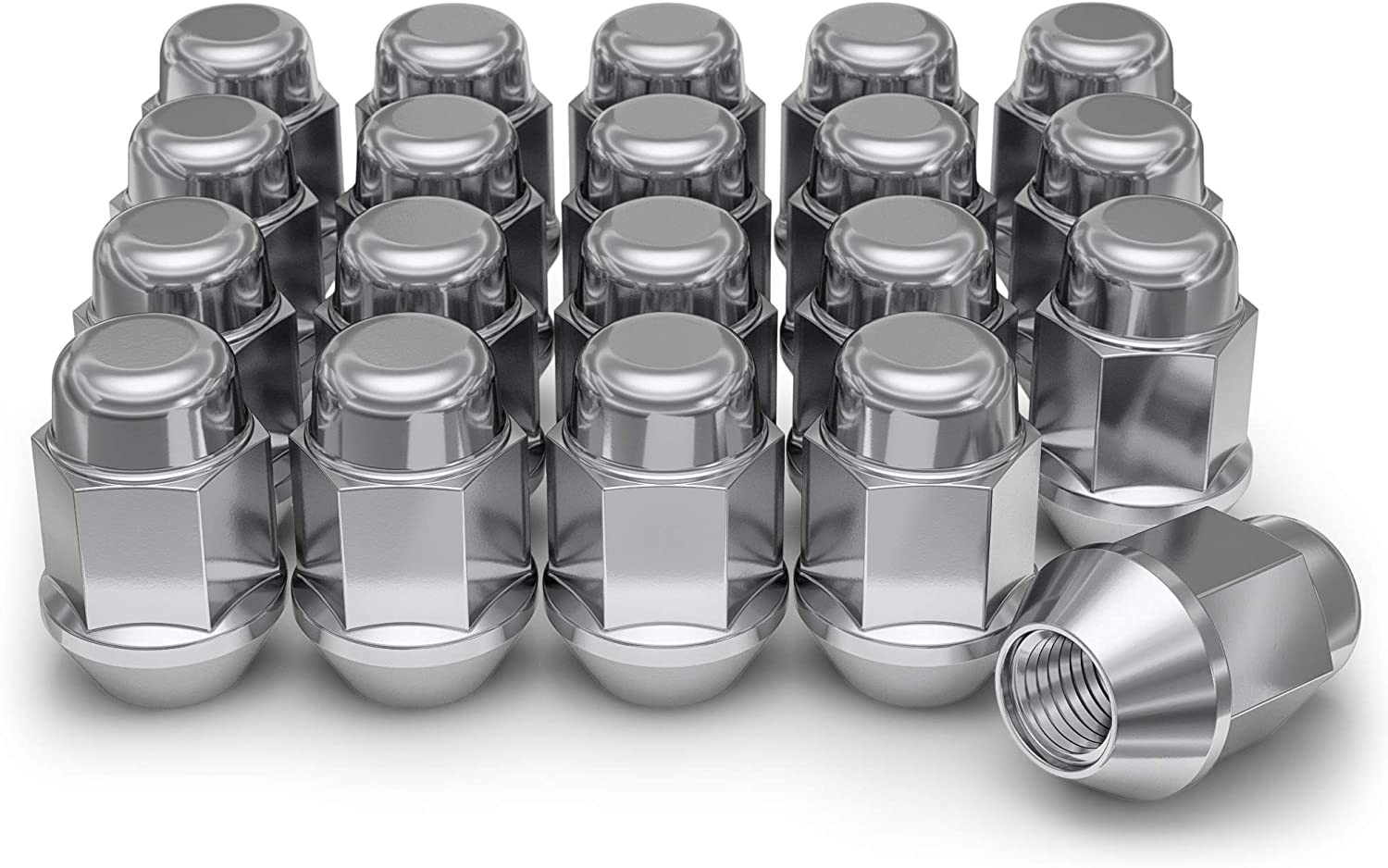
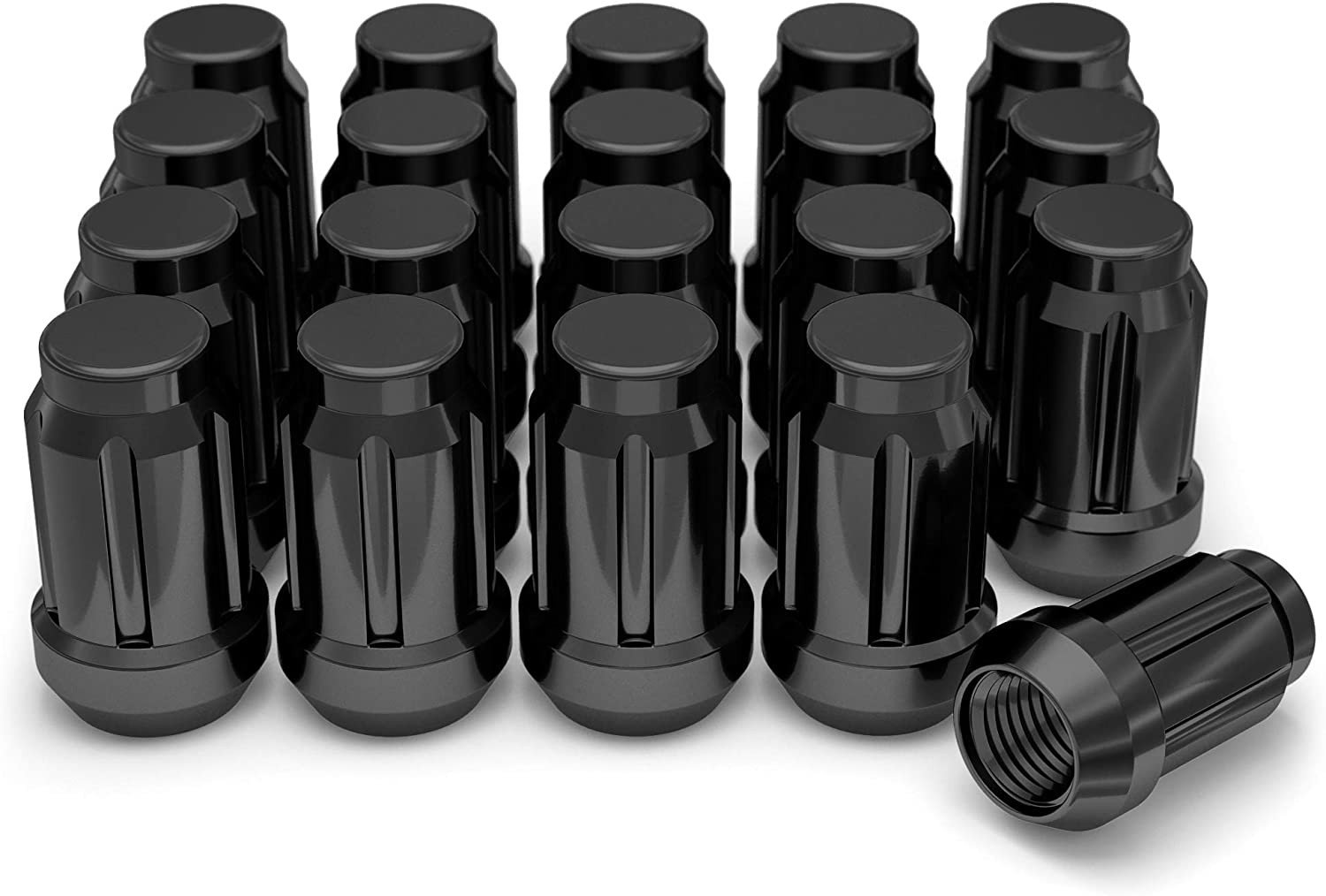
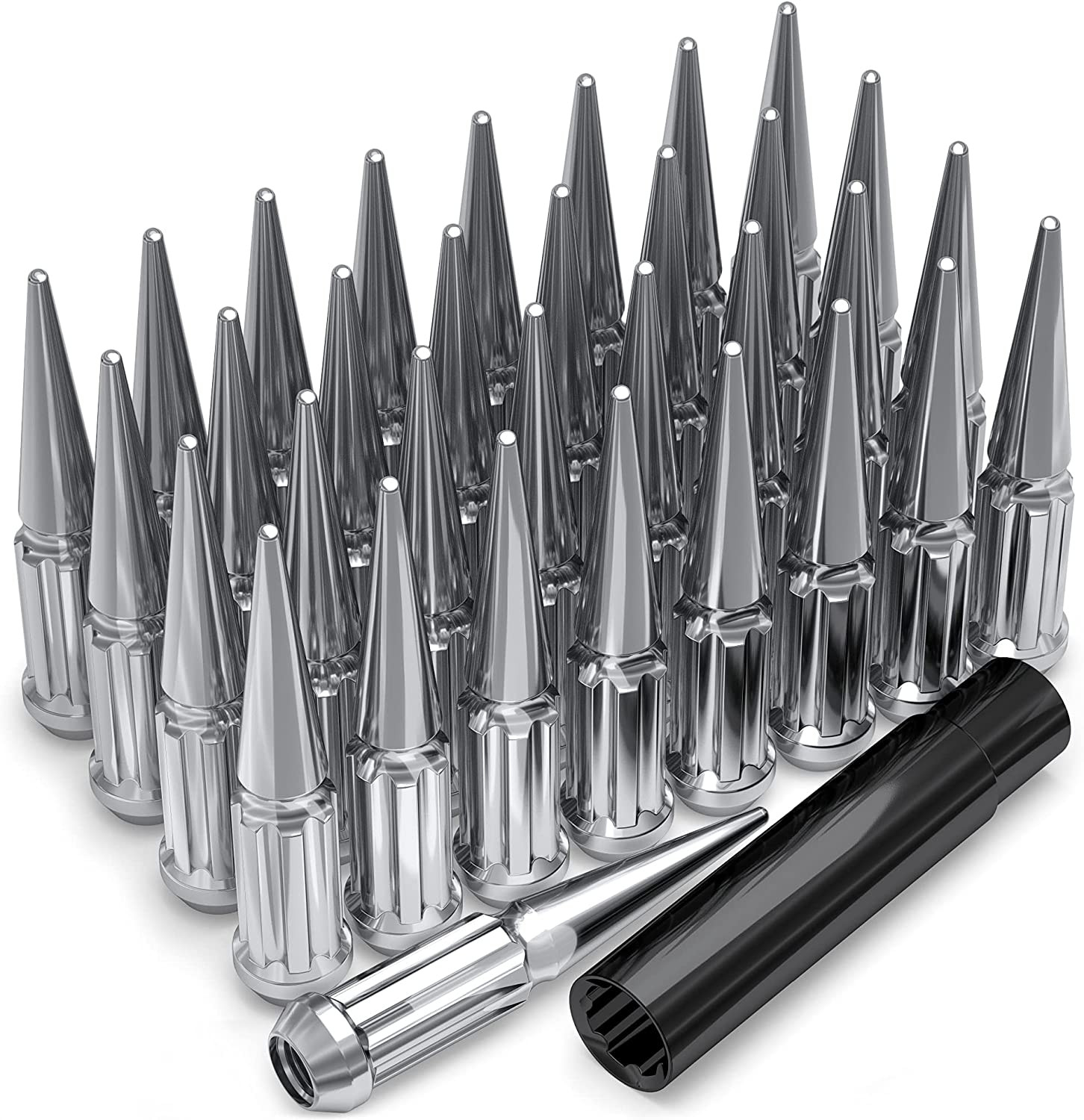
- Confirm lug nut seat type, thread engagement, and torque specification. Do not assume that M12 x 1.5 alone identifies the correct lug nut.
- After installation, check for rubbing, vibration, warning lights, and correct tire-pressure-monitoring operation.
Plus Sizing And Common Upgrades
Plus sizing changes the wheel diameter while using a lower-profile tire to keep overall tire diameter reasonably close to the verified original. The goal is not simply to install the largest wheel that matches the bolt pattern. Wheel width, offset, brake clearance, tire load rating, sidewall clearance, and suspension travel all matter.
Use the calculator to compare candidate wheel and tire combinations with the confirmed factory setup. Because the supplied tire diameter is inconsistent with the supplied wheel diameter, establish the correct baseline first. Do not use a calculated result as approval for a combination that has not been checked on the vehicle.
Common upgrades may include a different wheel finish, a lighter wheel, or a tire with a suitable load and speed rating. Compatibility is not guaranteed by appearance or by matching 5x114.3 alone. Any change in offset can move the wheel inward toward suspension components or outward toward the fender.
Installation Tips
Clean the hub face and wheel mounting surface before installation. Remove rust, dirt, paint buildup, and debris that could prevent the wheel from seating flat. Never use wheel spacers, adapters, or hub rings unless their specifications and installation requirements are confirmed for the vehicle and wheel.
Install the correct lug hardware by hand first to avoid cross-threading. Tighten the lugs in a star or crisscross pattern, then torque them with the vehicle manufacturer’s specified procedure and value. Recheck torque after the initial drive interval specified by the wheel or vehicle manufacturer.
Inflate the tires to the pressure shown on the vehicle tire-information placard unless a qualified tire professional or OEM documentation specifies otherwise. Check clearance with the steering turned fully left and right and with the suspension loaded. If a tire rubs, the wheel vibrates, or a fastener does not seat correctly, stop driving and correct the issue.
Tools And Helpful Supplies
A torque wrench, accurate tire-pressure gauge, jack and properly rated jack stands, and a socket that matches the lug hardware are useful for safe wheel work. A tread-depth gauge and a tire-size reference can also help when inspecting used tires.
For a suitable torque wrench search, see automotive torque wrenches on Amazon. For tire pressure checks, see digital tire pressure gauges on Amazon. Product compatibility, calibration, and tool ratings should be checked before purchase.
FAQs
What is the bolt pattern listed for the 2012 Hyundai Genesis?
The supplied bolt pattern is 5x114.3. Confirm the pattern on the exact vehicle and wheel because a matching pattern does not by itself prove complete fitment.
What center bore is listed?
The supplied center bore is 66.7 mm. The wheel bore must not be smaller than the vehicle hub. A larger bore may need properly sized hub-centric rings, but rings do not correct an incorrect bolt pattern, offset, brake clearance, or load rating.
What thread size is listed?
The supplied thread size is M12 x 1.5. Verify the lug nut seat style, shank dimensions where applicable, thread engagement, and torque procedure before installation.
Can the supplied 225/55R17 tire be installed on the supplied 18-inch wheel?
No. A tire marked R17 is designed for a 17-inch rim, while an 18-inch wheel requires a tire marked R18. The supplied values contain a conflict, so verify the tire sidewall and wheel markings before buying or mounting anything.
Does a 5x114.3 wheel automatically fit this vehicle?
No. Bolt pattern is only one requirement. Center bore, wheel width, offset, brake clearance, tire size, load rating, lug hardware, and fender and suspension clearance must also be confirmed.
How do I compare donor wheels with my vehicle?
Enter the donor specifications under Wheels from (donor vehicle) and the verified 2012 Hyundai Genesis specifications under Installed on (your vehicle). Use the custom wheel and tire fields for alternatives, then inspect the dimensional comparison and confirm the result with a physical test fit and OEM sources.
Where can I confirm the correct factory tire size?
Check the tire-information placard on the vehicle, the owner’s manual, the wheel and tire labels, and Hyundai service or parts information for the vehicle identification number. If those sources disagree, consult a Hyundai dealer or qualified tire professional before ordering.