2011 Hyundai Genesis Wheel Interchange And Fitment Guide
Use this guide to compare wheel and tire dimensions for a 2011 Hyundai Genesis. The information below reflects the supplied OEM fitment data, which may be partial or may vary by body style, trim, package, or market. Always confirm the vehicle-specific requirements with the owner’s manual, the driver-door label, the original wheel, or a Hyundai dealer before purchasing.
Known OEM Fitment For 2011 Hyundai Genesis
The following specifications were provided for this page:
| Specification |
Known value |
| Bolt pattern, studs x PCD |
5x114.3 |
| Center bore |
66.7 mm |
| Thread size |
M12 x 1.5 |
| Rim diameter |
18 inches |
| Rim width |
8.0 inches |
| Wheel offset |
ET33 |
| Backspacing |
5.3 inches |
| Tire section width |
225 mm |
| Tire aspect ratio |
55 percent |
| Tire rim diameter |
R17 |
There is an apparent mismatch in the supplied diameter fields: the listed rim diameter is 18 inches, while the listed tire rim diameter is R17. A tire marked R17 is designed for a 17-inch wheel and cannot be installed on an 18-inch wheel. Treat these as separate data points until the correct wheel and tire combination is confirmed from the vehicle, tire sidewall, OEM documentation, or a qualified tire professional. Do not use the 225/55R17 information as an 18-inch tire recommendation.
The bolt pattern, center bore, thread size, width, offset, and backspacing must all be checked together. A wheel that matches only the 5x114.3 bolt pattern may still fail to clear the hub, brakes, suspension, or fender.
How To Use The Wheel Interchange Calculator
Use the calculator on this page to compare a donor vehicle’s wheel and tire setup with the setup installed on your 2011 Hyundai Genesis.
- Enter the donor vehicle and its wheel and tire dimensions under “Wheels from.”
- Enter the 2011 Hyundai Genesis details under “Installed on.” Use the verified specifications for your exact vehicle rather than relying on a generic year listing.
- Compare rim diameter, rim width, offset, tire section width, aspect ratio, and overall tire diameter.
- Use “Custom wheel size” to test a proposed diameter, width, or offset when the donor wheel does not match the original specification.
- Use “Custom tire size” to compare a proposed section width and aspect ratio. Confirm that the tire’s rim diameter matches the wheel diameter before considering the result.
- Review the clearance comparison. A numerical comparison does not replace a physical test fit or inspection for brake, suspension, hub, and fender clearance.
Changing rim diameter updates the tire diameter in the comparison. The calculator helps identify dimensional differences, but it does not confirm load rating, brake clearance, tire approval, TPMS compatibility, or safe operation. Confirm those items separately.
Fitment Checklist Before You Buy
- Verify the exact body style, trim, brake package, and market for your 2011 Hyundai Genesis.
- Confirm the bolt pattern is 5x114.3 and that the wheel’s center bore is compatible with the 66.7 mm hub specification. A smaller center bore will not fit over the hub.
- Check wheel diameter, width, and offset together. The listed ET33 and 5.3-inch backspacing should not be assumed for every trim without verification.
- Make sure the tire bead diameter matches the wheel diameter. An R17 tire requires a 17-inch wheel, not an 18-inch wheel.
- Check tire load index, speed rating, construction, and approved rim-width range against OEM or tire-maker requirements.
- Confirm that the replacement wheel clears the brake caliper, suspension components, steering components, and fender liner.
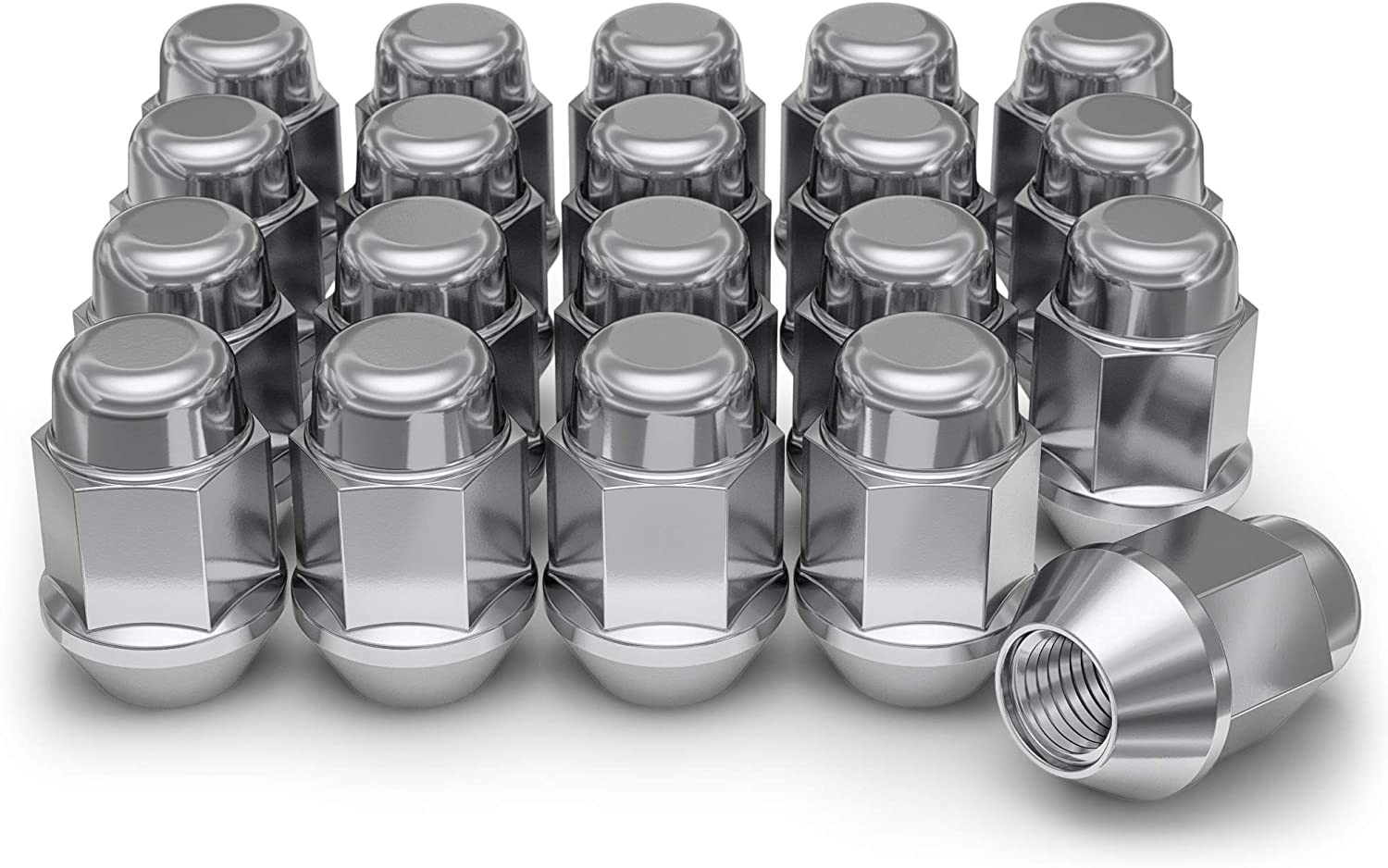
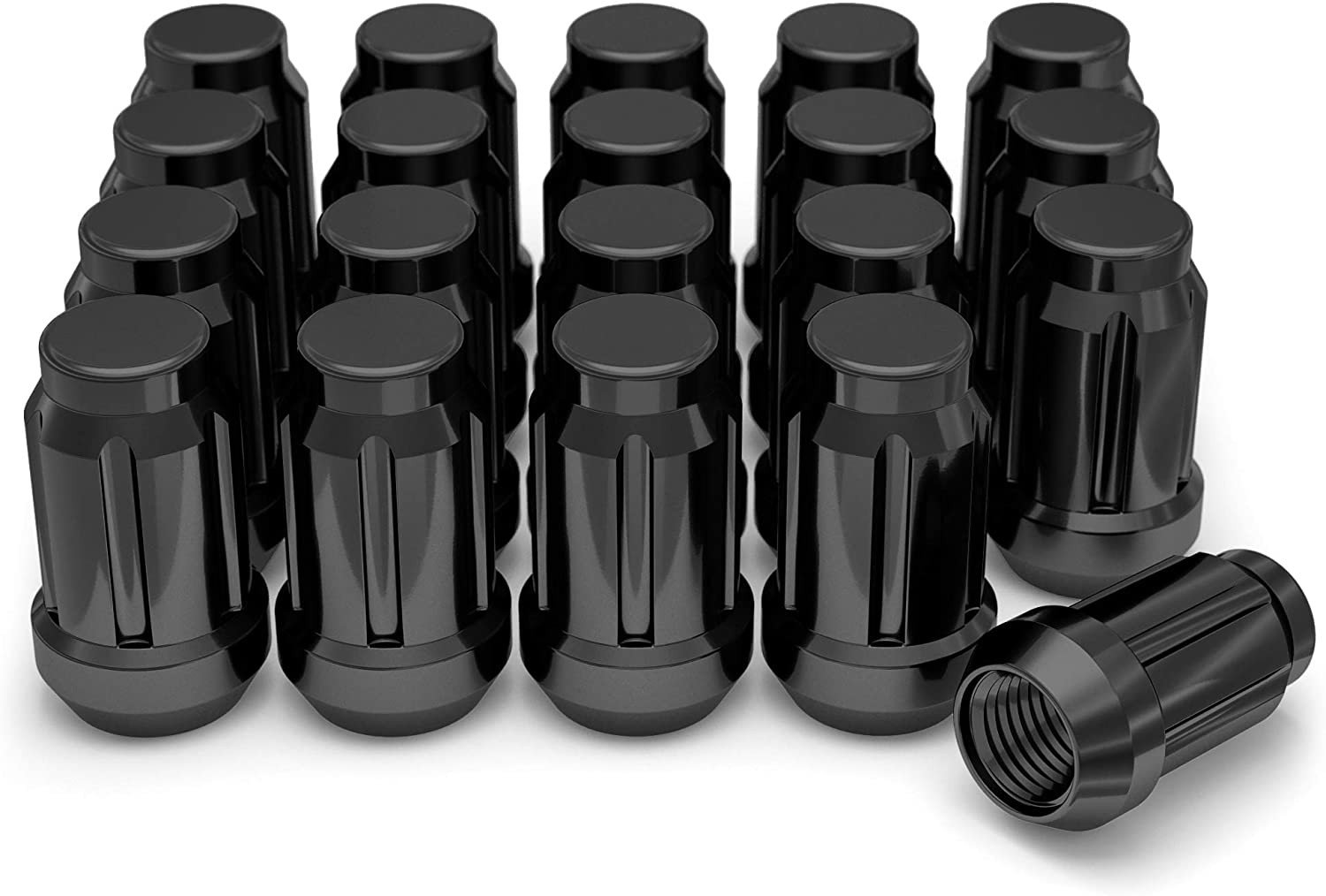
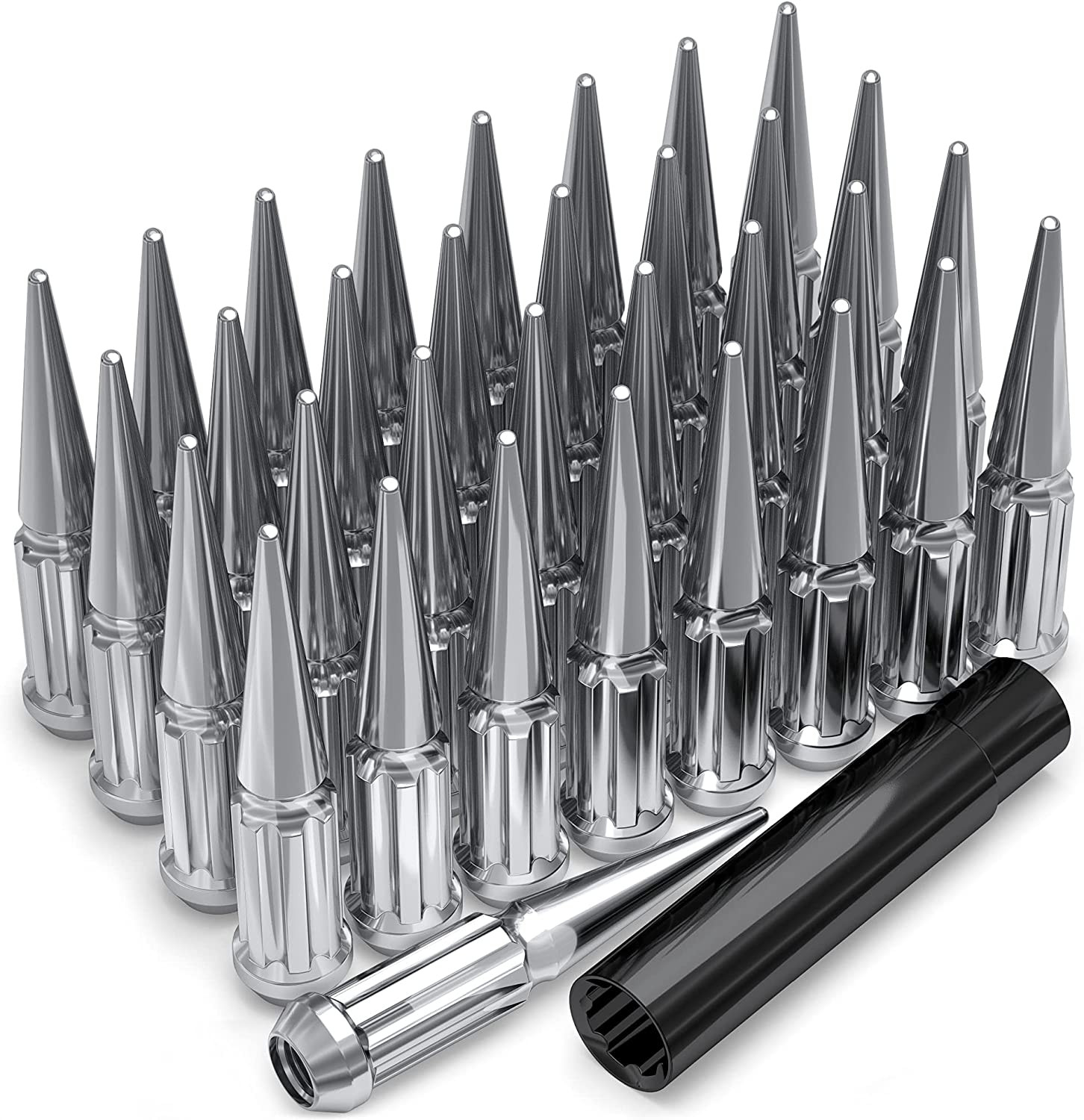
- Check whether the wheel requires a specific lug-seat design, lug nut, washer, or shank. Thread size alone does not establish lug-nut compatibility.
- Confirm TPMS sensor compatibility and whether the system requires sensor relearning after installation.
- Ask the seller for the exact wheel width, offset, center bore, bolt pattern, load rating, and lug-seat type. Do not rely only on a wheel photograph or a general vehicle claim.
- Test-fit one wheel on the front and rear axle when possible, then check clearance with the steering turned in both directions before mounting all four.
Plus Sizing And Common Upgrades
Plus sizing changes wheel diameter while attempting to maintain a similar overall tire diameter. It may improve steering response or appearance, but it can also reduce sidewall height, increase impact harshness, and make wheel or tire damage more likely. The correct size depends on the exact vehicle configuration and tire manufacturer requirements.
Use the calculator to compare custom wheel diameter, width, and offset with custom tire section width and aspect ratio. Because the supplied data contains both an 18-inch rim value and an R17 tire value, do not treat those fields as one confirmed factory wheel-and-tire package. Verify the original tire sidewall and wheel markings first.
Common upgrade considerations include maintaining adequate brake and suspension clearance, selecting a wheel with a suitable load rating, preserving sufficient tire sidewall, and keeping the replacement tire’s overall diameter within an appropriate range. The calculator can show dimensional changes, but it cannot approve a custom combination.
Installation Tips
- Inspect the hub face, wheel mounting surface, studs, and lug nuts before installation. Remove rust and debris that could prevent the wheel from seating flat.
- Install wheels only with the correct lug nuts and seat type. Do not force incompatible hardware onto the studs.
- Start all lug nuts by hand to avoid cross-threading. Tighten in a star pattern while the wheel is off the ground, then torque them to the vehicle manufacturer’s specification.
- Do not use impact-gun tightening as the final torque procedure unless the tool is specifically controlled and verified.
- Check for contact by rotating the wheel by hand and turning the steering from lock to lock. Also inspect clearance under suspension compression where practical.
- Set tire pressure according to the vehicle door label or owner’s manual, not the maximum pressure molded into the tire sidewall.
- After installation, drive slowly in a safe area and listen for rubbing, vibration, or looseness. Recheck lug torque after the first short drive and again according to the wheel manufacturer’s instructions.
- Have the assembly balanced and obtain an alignment if the vehicle pulls, the steering wheel is off-center, or abnormal tire wear appears.
Tools And Helpful Supplies
Useful equipment includes a calibrated torque wrench, socket set, jack and jack stands rated for the vehicle, wheel chocks, a tire pressure gauge, a tread-depth gauge, and a straightedge or clearance-measuring tool. Always support the vehicle with properly positioned jack stands. Never work beneath a vehicle supported only by a jack.
Shop automotive torque wrenches on Amazon
Shop digital tire pressure gauges on Amazon
FAQs
Does a 5x114.3 wheel automatically fit a 2011 Hyundai Genesis?
No. The bolt pattern is only one part of fitment. Center bore, offset, wheel width, brake clearance, lug-seat design, load rating, and tire compatibility must also be verified.
What does the 66.7 mm center bore mean?
It is the diameter of the wheel’s hub opening specified in the supplied data. A wheel with a smaller opening will not fit over the hub. A larger opening may require correctly sized hub-centric rings if approved for that wheel application, but rings do not correct an unsuitable offset or clearance problem.
Can the listed R17 tire be installed on the listed 18-inch rim?
No. R17 identifies a tire designed for a 17-inch rim. It cannot be mounted safely on an 18-inch rim. Confirm whether the vehicle has 17-inch or 18-inch wheels before selecting a replacement tire.
Is ET33 the correct offset for every 2011 Hyundai Genesis?
The supplied data lists ET33, but fitment can vary by trim, body style, brake package, and market. Confirm the original wheel marking and OEM documentation for your specific vehicle before buying a replacement.
Can I use the calculator to confirm that a donor wheel is safe?
The calculator can compare dimensions and show how custom wheel and tire sizes differ. It cannot confirm brake clearance, load rating, lug hardware, TPMS compatibility, tire approval, or physical rubbing. A qualified fitment inspection remains necessary.
Why does changing rim diameter change the tire comparison?
The calculator updates the tire diameter comparison when rim diameter changes so the proposed wheel and tire combination can be evaluated together. The tire’s bead diameter must still match the wheel diameter exactly.
What should I verify before ordering replacement lug nuts?
Verify the vehicle thread size, supplied as M12 x 1.5, along with the wheel’s lug-seat style, required seat angle or shape, nut dimensions, engagement, and any manufacturer-specific requirements. M12 x 1.5 by itself does not guarantee compatibility.