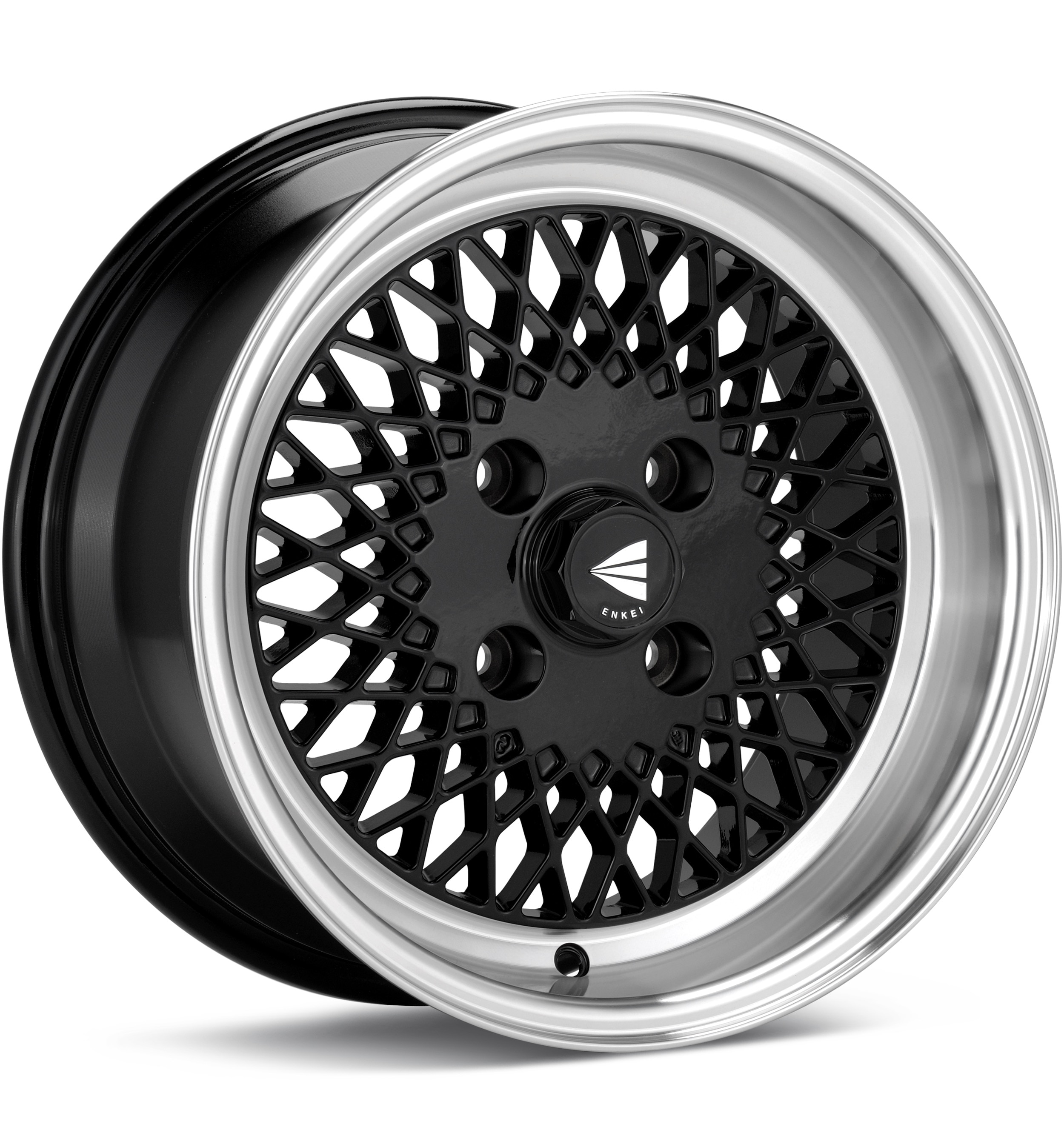
Enkei Performance
Enkei92
Black w/Mach Lip
15 × 7″ · ET +38
$165.17
View at Tire Rack ↗Recorded OEM specifications for the 1996 Acura NSX, donor years with overlapping ranges, and a calculator to compare a selected wheel. Range overlap is not a guaranteed fit.
Save these wheel specs to your Ownery garage
Baseline mounting dimensions used for interchange decisions.
Multiple OEM configurations exist for this vehicle. Fitment can vary by trim, brakes, and factory wheel package – confirm your exact setup before buying.
Thread-only product links are shopping examples, not verified fits. Seat style is not confirmed here. As an Amazon Associate we earn from qualifying purchases.
Selected size: 15 × 6.5″ · ET +55
Showing matching bolt patterns and offsets up to 20 mm lower. Confirm center bore, load rating, and clearance at Tire Rack.
Enkei Performance
Black w/Mach Lip
15 × 7″ · ET +38
$165.17
View at Tire Rack ↗We may earn a commission when you buy through these links. Prices and availability may change.
These are vehicle-year records whose recorded OEM ranges overlap this 1996 Acura NSX. Overlap is not a guarantee that a specific wheel will install. Selected-wheel comparison is in the calculator below.
Evaluated 11 donor years. Listed 11 eligible overlaps (not all evaluated years are compatible). Showing all listed.
Years grouped because recorded compatibility evidence is equivalent. Each year keeps its own page.
Approximate position vs the mid OEM package: outer change -3.18 mm, inner change -3.18 mm. This uses aggregated width/offset ranges, not a specific wheel.
Years grouped because recorded compatibility evidence is equivalent. Each year keeps its own page.
Center-bore records disagree (donor year-level hub 64.1 mm vs trim range 70.1–70.1 mm). Unqualified overlap is not claimed until the conflict is resolved. Approximate position vs the mid OEM package: outer change 3.18 mm, inner change 3.18 mm. This uses aggregated width/offset ranges, not a specific wheel.
Recorded vehicle-side thread for the 1996 Acura NSX is M12x1.5. This donor year is recorded as M14x1.5. That is the vehicle stud/nut thread, not an intrinsic thread stamped on the wheel. Hardware must match this vehicle’s studs and the selected wheel’s seat and engagement. Existing hardware may be reusable if it already matches. Seat style is not in this dataset, so products are not a verified fit.
Donor width/offset sits outside the known OEM envelope for this vehicle. Recorded vehicle-side thread differs (M14x1.5 on the donor year vs M12x1.5 on the target vehicle). Hardware must match the target vehicle’s studs and the selected wheel’s seat. Existing hardware may be reusable if it already matches. Seat style is not confirmed in this dataset.
Only years with evidence-based interchange relationships are listed. Adjacent years are not assumed compatible.
Compare a donor vehicle or custom wheel against this 1996 Acura NSX. Use Compare in calculator on a donor row above to fill the donor side of this same calculator.
Compare wheel compatibility between two vehicles
1996 Acura NSX





Example products matched to recorded thread, hub, or spacer dimensions. They are not verified fits. Confirm seat style, thickness, and clearance before ordering.
M12 x 1.5
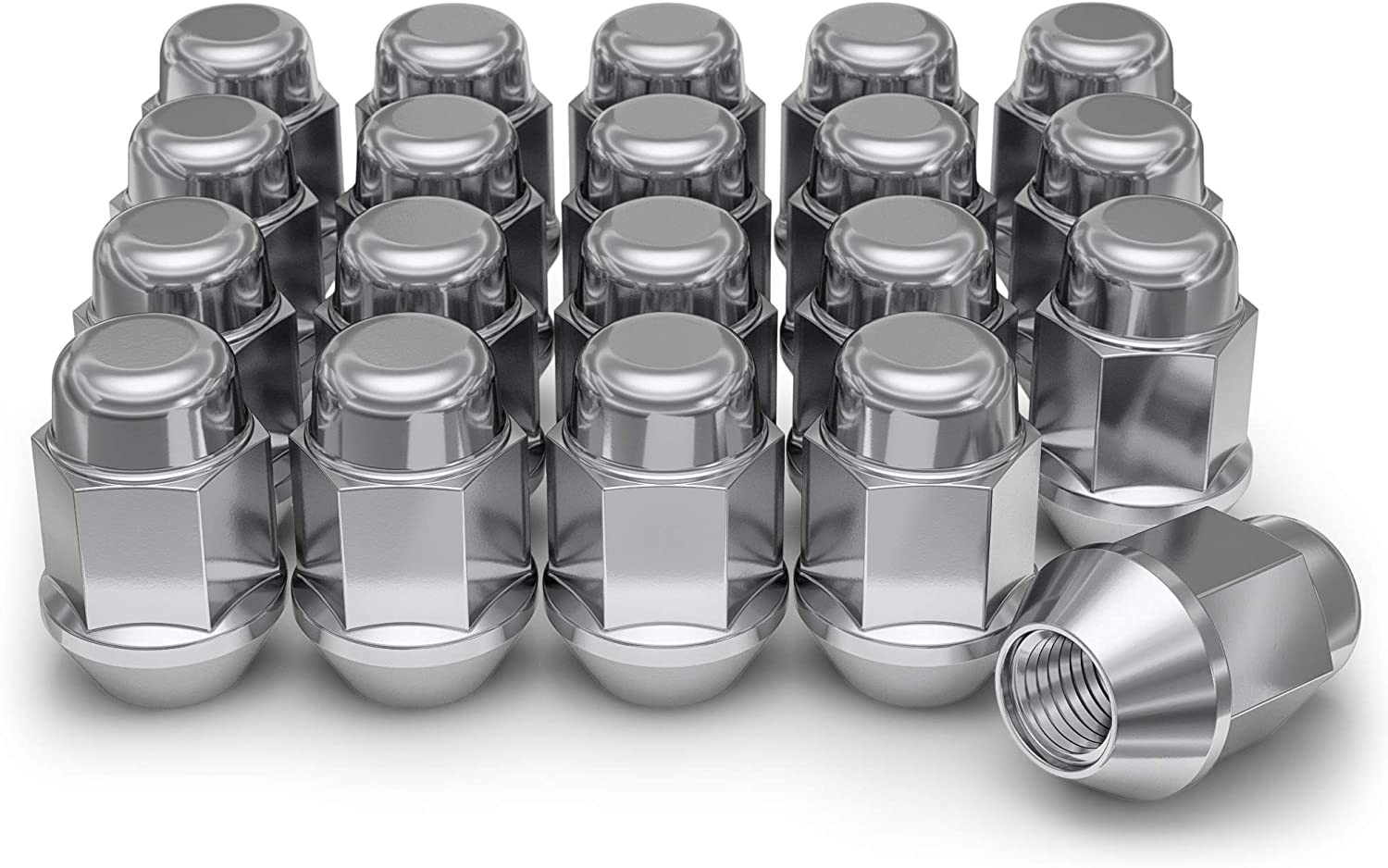
M12 x 1.5 · Thread match only; seat style is not verified
View on Amazon →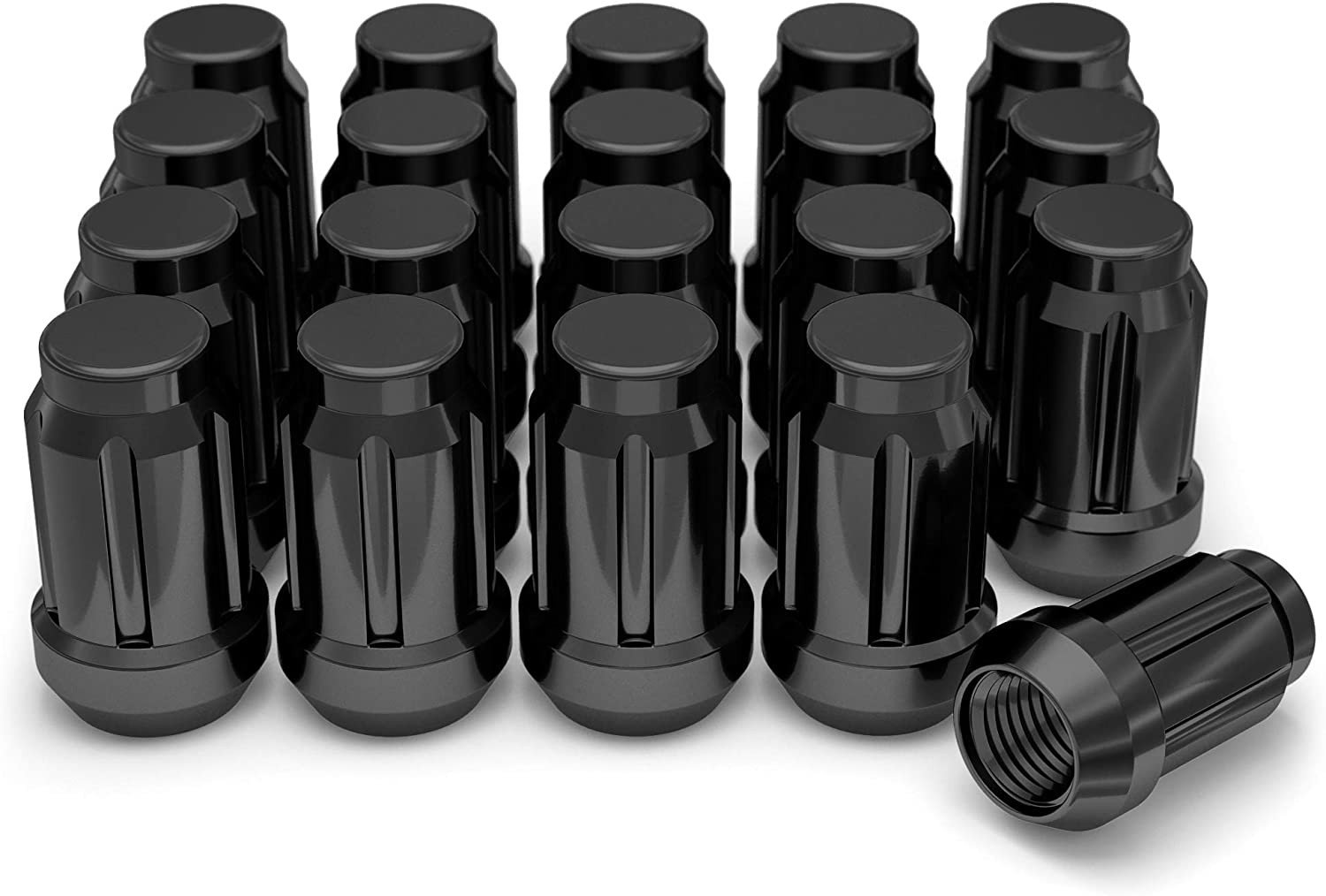
M12 x 1.5 · Thread match only; seat style is not verified
View on Amazon →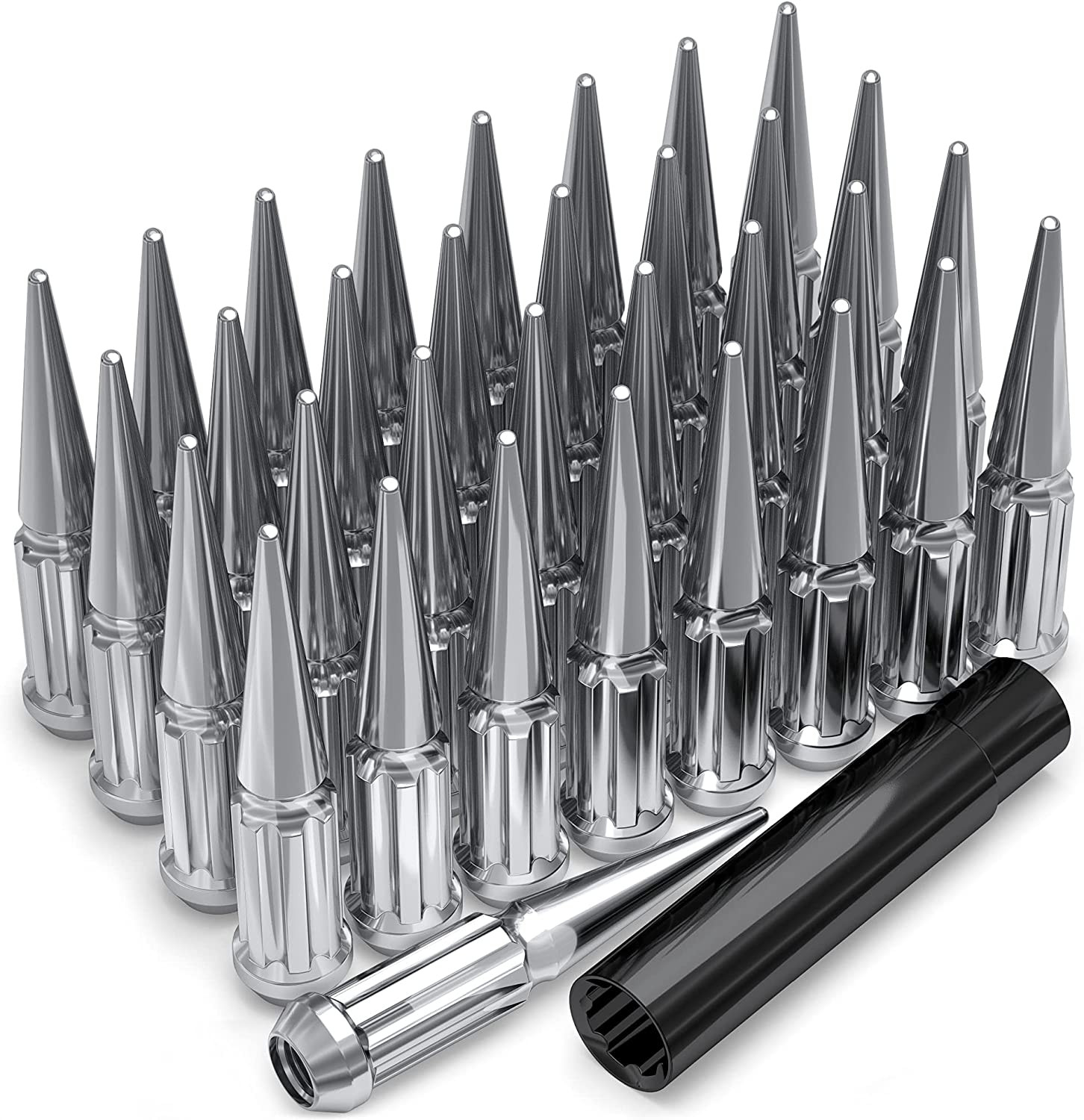
M12 x 1.5 · Thread match only; seat style is not verified
View on Amazon →As an Amazon Associate we earn from qualifying purchases. Product availability and pricing may change.
You need safe, correct wheel and tire fitment guidance for a 1996 Acura NSX. The immediate problem is incomplete OEM data. This guide shows how to confirm the missing specs, use the on-page wheel/tire calculator, and evaluate alternative wheel sizes so you can pick fitment that clears brakes, suspension, and fenders while keeping correct rolling diameter.
| Item | Value |
|---|---|
| Rim diameter | 15 in (OEM listed) |
| Rim width | 6.5 in (OEM listed) |
| Wheel offset (ET) | 55 mm (OEM listed) |
| Backspacing | 5.42 in (OEM listed) |
| Tire size | 205/50R15 (OEM listed) |
| Bolt pattern (studs x PCD) | Unknown – confirm below |
| Center bore (mm) | Unknown – confirm below |
| Thread size | Unknown – confirm below |
These are the recommended starting values. Do not assume unknowns. Confirm them before buying wheels or adapting hardware.
Problem: bolt pattern is unknown and is essential for selecting wheels or hub adapters. Solution: count the lug studs and measure.
Problem: center bore and wheel stud thread size are unknown. Wrong values cause vibration or cannot be fastened. Solution: measure and cross-check.
Problem: you need to compare donor wheel sizes or custom offsets safely. Solution: enter measured and known values into the calculator.
Problem: larger wheels or wider offsets often rub. Solution: physically check clearance and verify with the calculator.
Problem: wheels might not seat or may be underspecified. Solution: ensure wheel load rating meets vehicle gross axle weight and that wheel is properly centered.
Validate fit before final purchase or installation. The key validations are physical and calculator-based.
If the inner lip rubs brakes, the common trade-offs are reduced backspacing (more negative offset) or a narrower wheel. Consider moving to a smaller offset or a narrower width. Use the calculator to test the change before buying. Avoid spacers beyond 5 mm without confirming stud length and thread engagement.
Vibration suggests poor centering or unbalanced assembly. Check for missing hub-centric rings, out-of-round tires, or insufficient lug engagement. Rebalance wheels, confirm center-bore seating, and verify lug torque sequence and values.
If nuts do not seat or threads strip, stop and confirm thread size and seat type. Using incorrect seat geometry damages wheel bores. Replace hardware with the correct specification from OEM or a reputable supplier.
If overall rolling diameter changes significantly, speed and ABS sensors will show errors. Use the on-page calculator to keep diameter change within an acceptable percent, or reprogram the instrument cluster if needed. Consult a professional for re-calibration.
Start by measuring the unknowns: bolt pattern, center bore, and thread size. Use the on-page calculator to compare donor or custom wheel sizes against the NSX baseline. Validate with a physical test-fit and ensure proper lug engagement and hub-centric seating. If any OEM value varies by trim or is not available here, confirm it with the owner manual, dealer by VIN, or stamped markings on the factory wheel.
Recommended next actions: take measurements with a digital caliper, enter values into the calculator, and test-fit before final purchase. If you need a digital caliper or lug socket for measurement and removal, one helpful tool search is available:
Search digital caliper on Amazon
If you want, tell me the measurements you record and I will walk through the calculator inputs and expected clearances. That will move you from uncertainty to a confident fitment decision.
Wheel interchange depends on more than bolt pattern. Where data is available, this site compares recorded OEM values:
A normal wheel spacer does not change bolt pattern. Hub rings cannot enlarge a wheel bore that is smaller than the hub. Brake clearance and tire package fitment still require vehicle-specific checks when not confirmed in the dataset.
