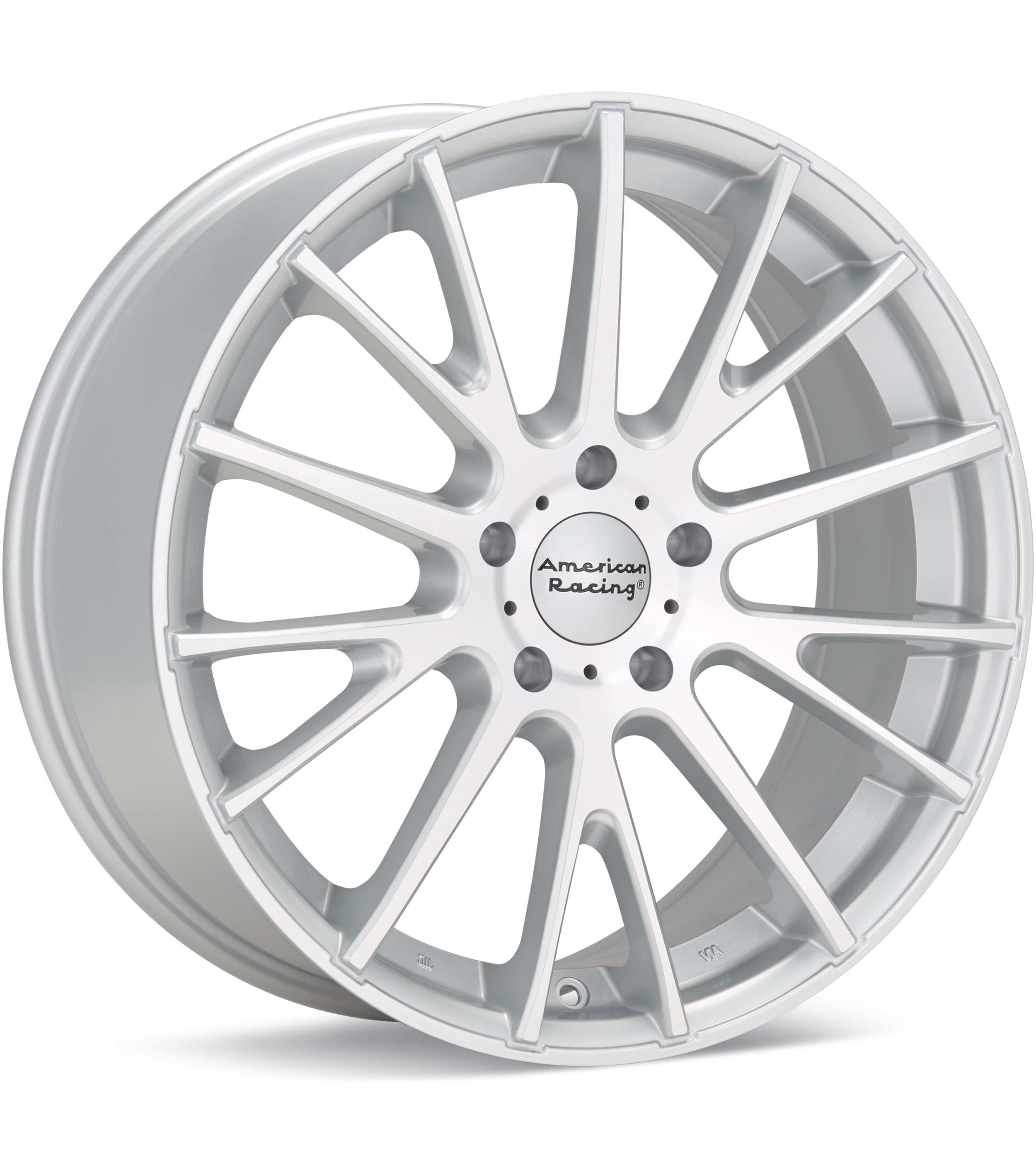
American Racing
AR904
Silver Machined w/Clearcoat
16 × 7″ · ET +40
$209.00
View at Tire Rack ↗Recorded OEM specifications for the 1999 Acura NSX, donor years with overlapping ranges, and a calculator to compare a selected wheel. Range overlap is not a guaranteed fit.
Save these wheel specs to your Ownery garage
Baseline mounting dimensions used for interchange decisions.
Center-bore records disagree: year-level hub 64.1 mm vs trim range 70.1–70.1 mm. Interchange below does not treat this as an unqualified match.
Thread-only product links are shopping examples, not verified fits. Seat style is not confirmed here. As an Amazon Associate we earn from qualifying purchases.
Selected size: 16 × 7″ · ET +55
Showing matching bolt patterns and offsets up to 20 mm lower. Confirm center bore, load rating, and clearance at Tire Rack.
American Racing
Silver Machined w/Clearcoat
16 × 7″ · ET +40
$209.00
View at Tire Rack ↗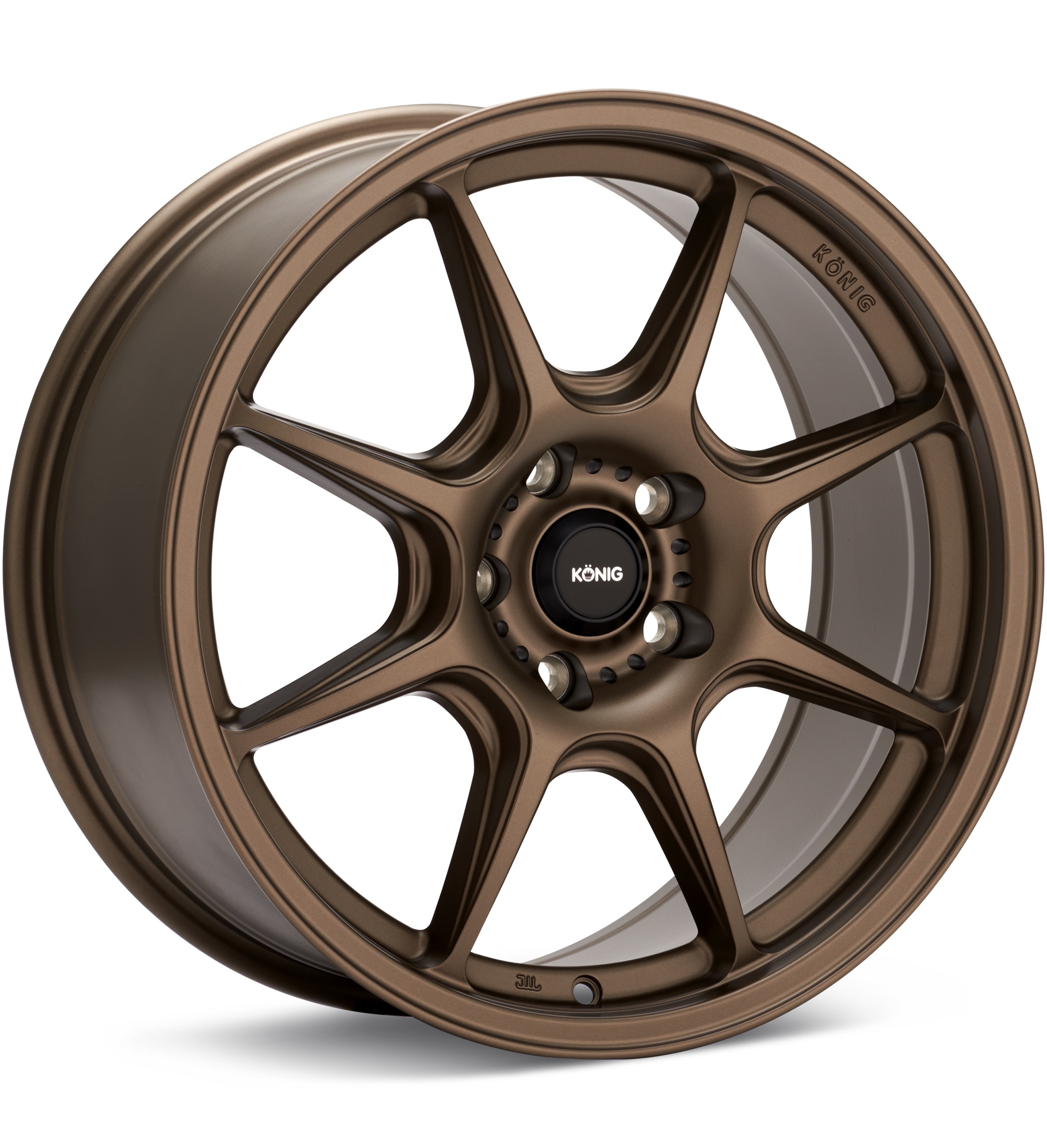
Konig
Matte Bronze
16 × 7.5″ · ET +40
$182.09
View at Tire Rack ↗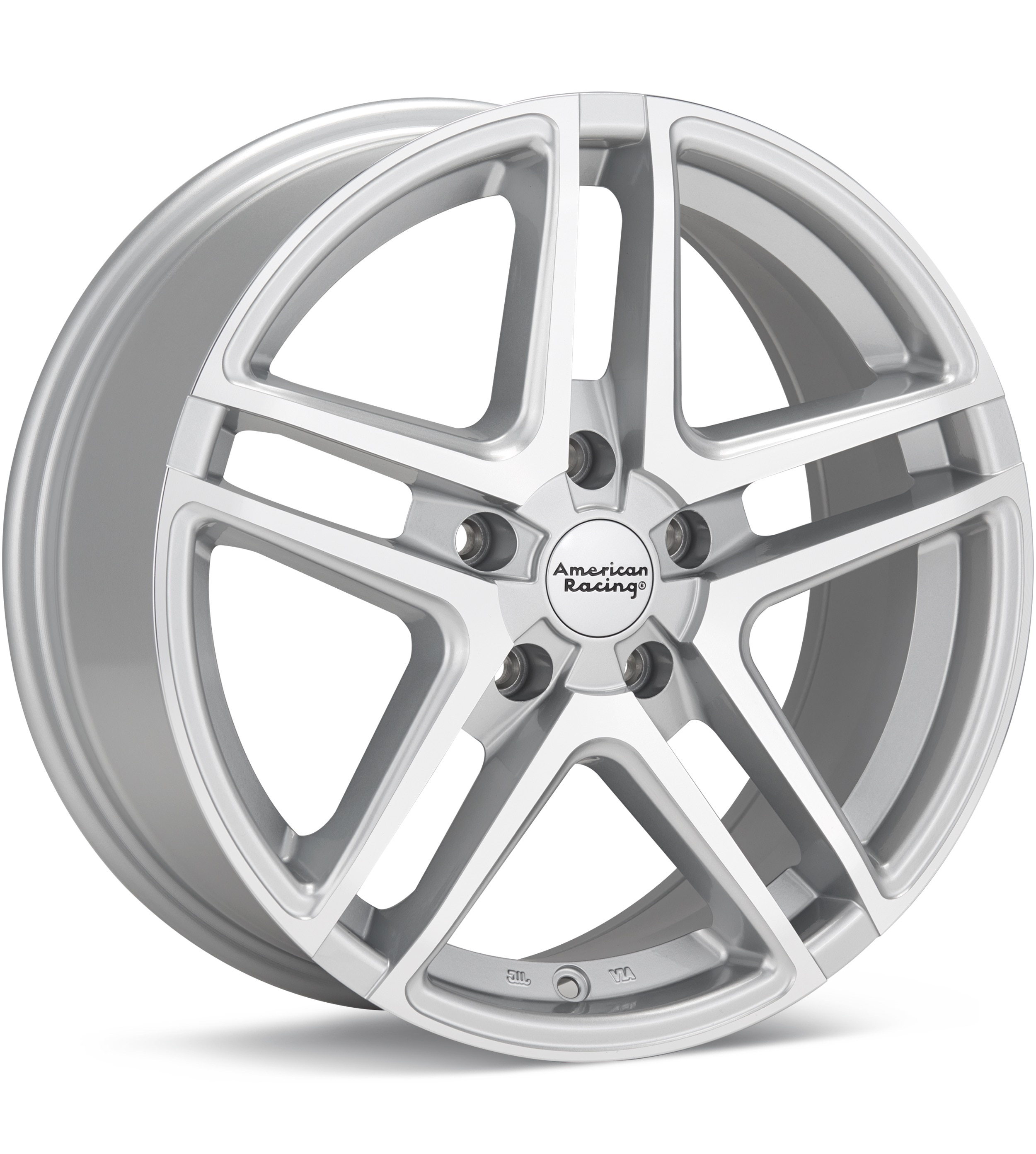
American Racing
Silver Machined w/Clearcoat
16 × 7″ · ET +40
$209.00
View at Tire Rack ↗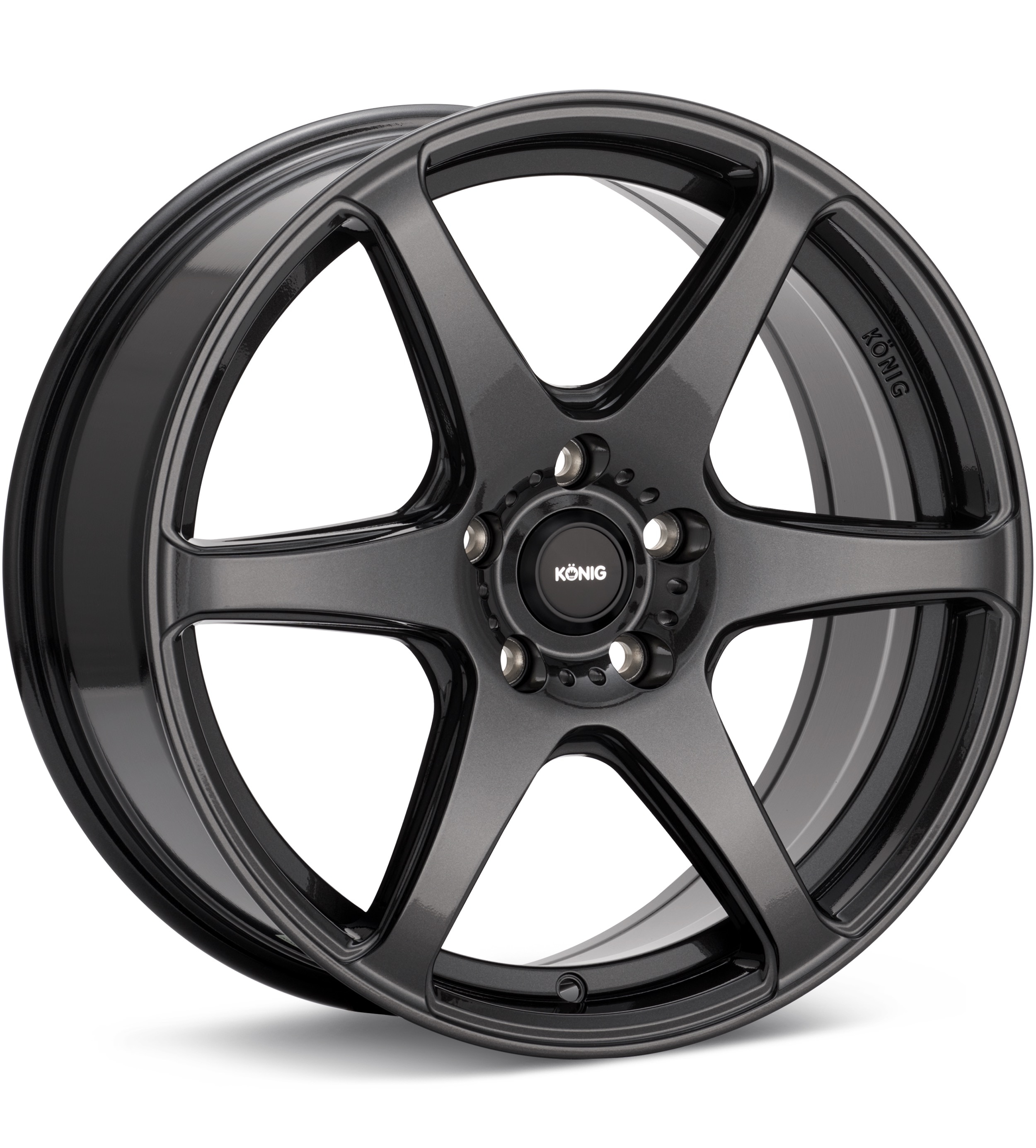
Konig
Gloss Graphite
16 × 7.5″ · ET +40
$189.05
View at Tire Rack ↗We may earn a commission when you buy through these links. Prices and availability may change.
These are vehicle-year records whose recorded OEM ranges overlap this 1999 Acura NSX. Overlap is not a guarantee that a specific wheel will install. Selected-wheel comparison is in the calculator below.
Evaluated 11 donor years. Listed 11 eligible overlaps (not all evaluated years are compatible). Showing all listed.
Years grouped because recorded compatibility evidence is equivalent. Each year keeps its own page.
Center-bore records disagree (target year-level hub 64.1 mm vs trim range 70.1–70.1 mm). Unqualified overlap is not claimed until the conflict is resolved.
Recorded vehicle-side thread for the 1999 Acura NSX is M12x1.5. This donor year is recorded as M14x1.5. That is the vehicle stud/nut thread, not an intrinsic thread stamped on the wheel. Hardware must match this vehicle’s studs and the selected wheel’s seat and engagement. Existing hardware may be reusable if it already matches. Seat style is not in this dataset, so products are not a verified fit.
Donor width/offset sits outside the known OEM envelope for this vehicle. Recorded vehicle-side thread differs (M14x1.5 on the donor year vs M12x1.5 on the target vehicle). Hardware must match the target vehicle’s studs and the selected wheel’s seat. Existing hardware may be reusable if it already matches. Seat style is not confirmed in this dataset.
Only years with evidence-based interchange relationships are listed. Adjacent years are not assumed compatible.
Compare a donor vehicle or custom wheel against this 1999 Acura NSX. Use Compare in calculator on a donor row above to fill the donor side of this same calculator.
Compare wheel compatibility between two vehicles
1999 Acura NSX





Example products matched to recorded thread, hub, or spacer dimensions. They are not verified fits. Confirm seat style, thickness, and clearance before ordering.
M12 x 1.5
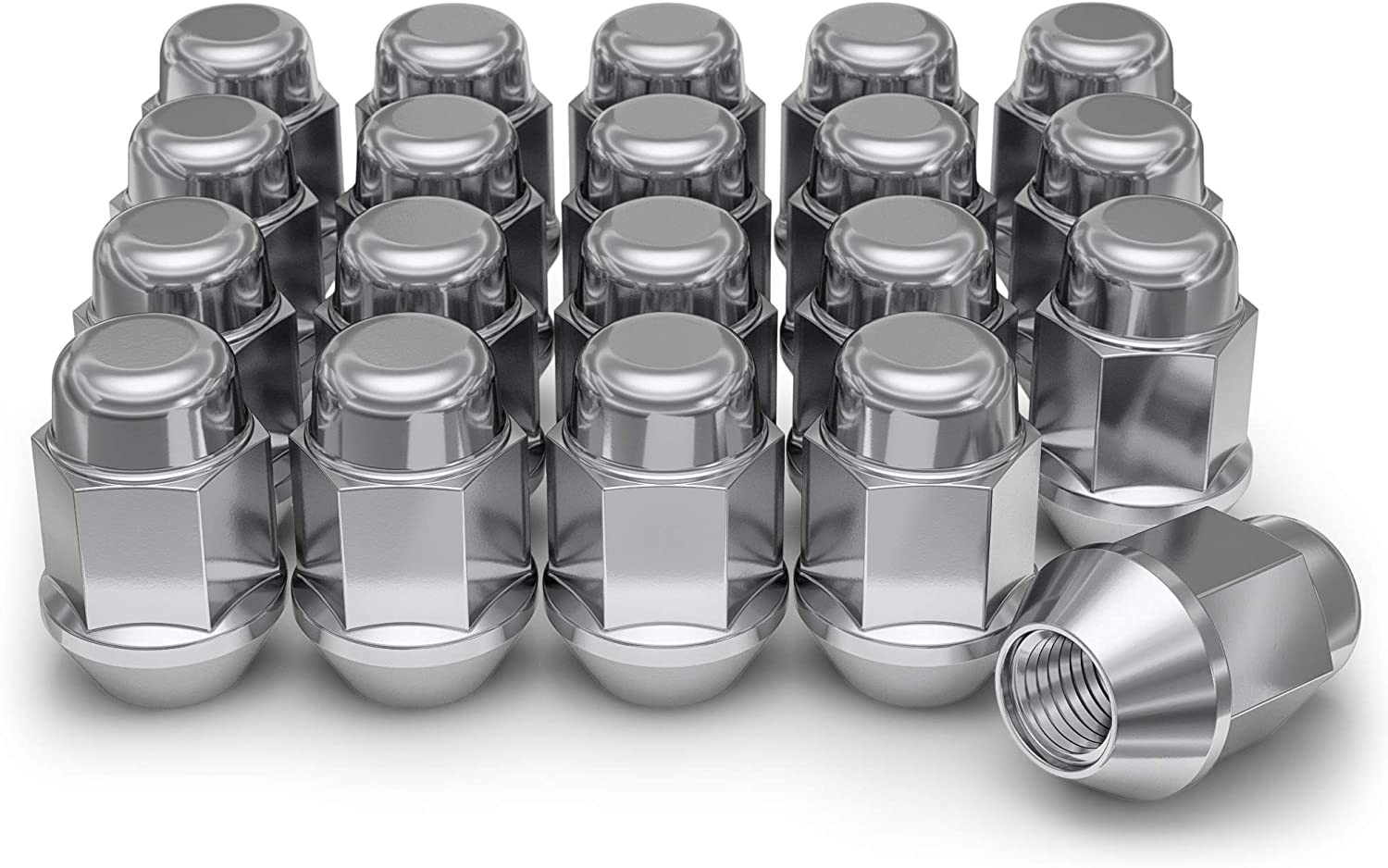
M12 x 1.5 · Thread match only; seat style is not verified
View on Amazon →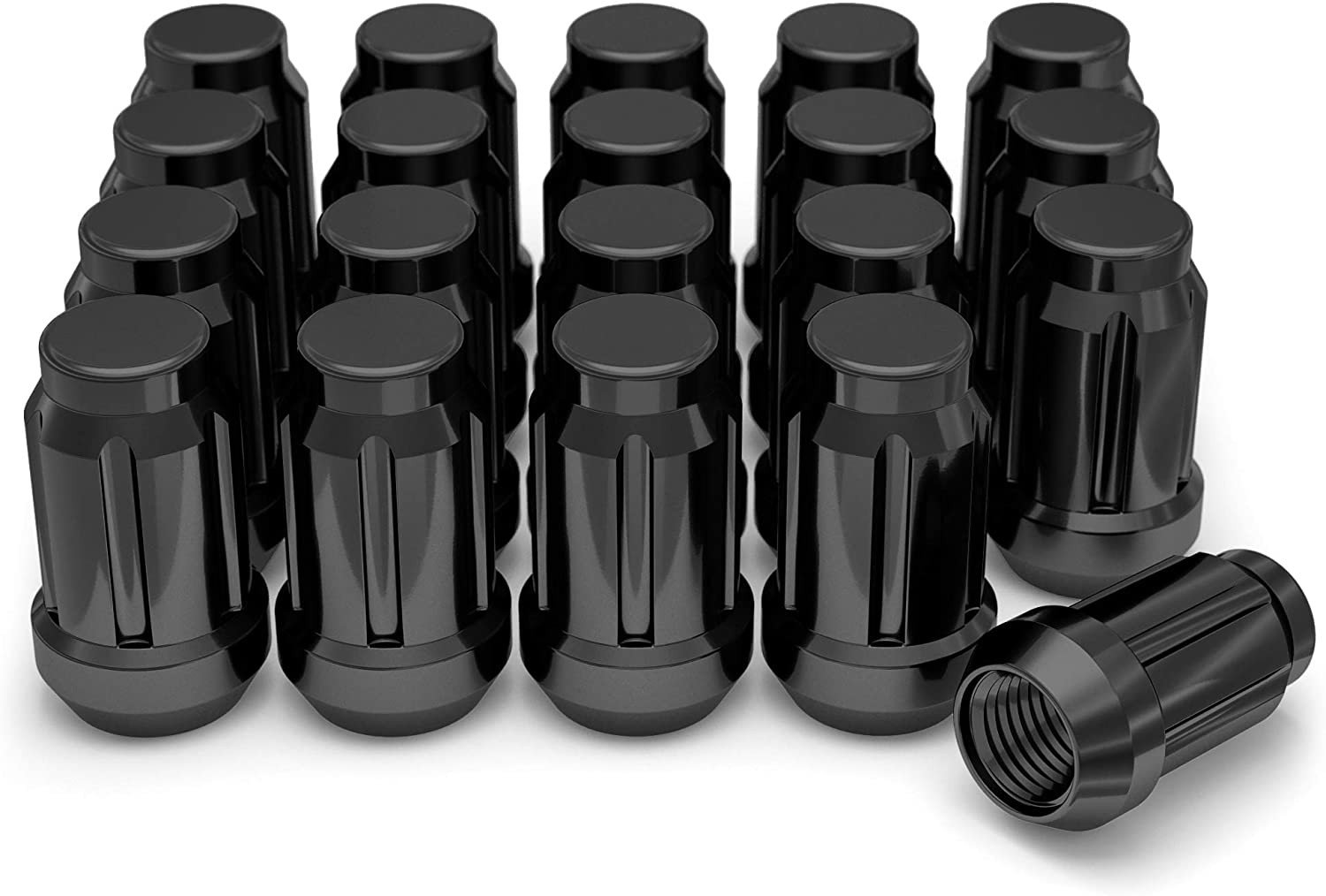
M12 x 1.5 · Thread match only; seat style is not verified
View on Amazon →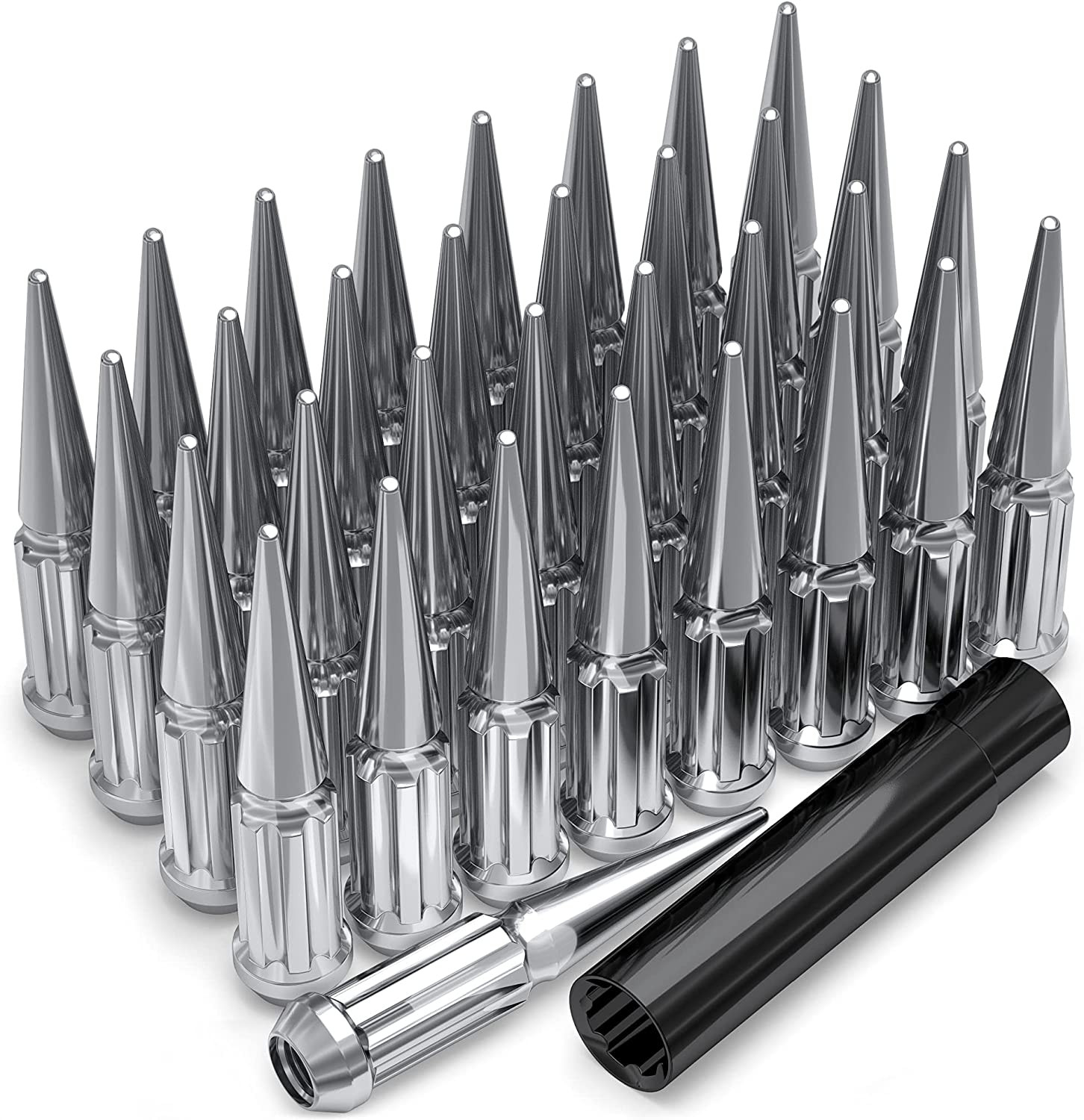
M12 x 1.5 · Thread match only; seat style is not verified
View on Amazon →As an Amazon Associate we earn from qualifying purchases. Product availability and pricing may change.
You need to choose replacement or donor wheels for a 1999 Acura NSX while avoiding fitment, safety, and performance issues. Evidence from the OEM fitment on this page must guide the selection. I will compare options step by step so you can evaluate tradeoffs and reach a clear recommendation.
Known OEM values limit viable wheel choices and define the initial hypothesis for what will fit without modification. These are the values provided on this page and should be treated as definitive for initial selection.
| Parameter | OEM value |
|---|---|
| Bolt pattern (studs x PCD) | 5x114.3 |
| Center bore (mm) | 64.1 |
| Thread size | M12 x 1.5 |
| Rim diameter (in) | 16 |
| Rim width (in) | 7.0 |
| Wheel offset (ET, mm) | 55 |
| Backspacing (in) | 5.67 |
| Tire section width (mm) | 215 |
| Tire aspect ratio (%) | 45 |
| Tire rim diameter (R) | 16 |
Limitations: the page does not list lug seat type, wheel load rating, or trim-specific variations. These items can affect lug nut selection and safety. Confirm them with the on-page calculator, the OEM service manual, or the dealer before final purchase.
I will consider three practical paths that technicians or DIY owners typically evaluate, using the OEM evidence as the baseline.
I compare the options across the most consequential variables: bolt fit, centering, clearance, and rolling diameter. Interpretation of risk concentrates on the moving parts that commonly cause problems.
| Factor | OEM-spec | Aftermarket matched bolt/CB | Custom sizes via calculator |
|---|---|---|---|
| Bolt pattern and threads | Exact match to 5x114.3 and M12 x 1.5. Low uncertainty. | Must match 5x114.3 and M12 x 1.5 or be adapted with studs. Moderate uncertainty until confirmed. | Same requirement. Any change in bolt pattern is not acceptable without conversion; high risk if wrong. |
| Centering | 64.1mm bore centers wheel on hub. Minimal vibration risk. | If bore larger, hub-centric rings are an available mitigation, but ring fit must be precise. Evidence supports rings as acceptable when properly sized. | Same mitigation applies, but changes in width and offset increase sensitivity to centering errors and vibration risk. |
| Clearance to brakes and suspension | Designed for OEM calipers and suspension. Low chance of interference. | Most aftermarket wheels clear if width and offset are similar; verify inner lip and spoke clearance against calipers. | Larger wheels or lower offsets increase likelihood of contact. Use the on-page simulator to check backspacing and tire diameter impact before committing. |
| Tire overall diameter | 215/45R16 is OEM. Baseline for speedometer and ABS calibration. | Keeping overall diameter within about 3 percent of OEM limits speedometer and gearing effects; this is a working guideline rather than a strict rule. | The calculator updates tire diameter when diameter or section width is changed, providing immediate interpretation of speedometer and clearance consequences. |
| Lug nut seat and torque | Thread size known, seat type not provided. Verify seat shape and torque in OEM documentation. | Select lug nuts that match thread pitch and seat type; improper seat can cause stud damage or wheel loss. | Same requirement. Any change to wheels that use different seat geometry requires matching hardware or adapters and increases failure risk if misused. |
Based on observed evidence and practical risk tradeoffs, prioritize wheels that match the OEM bolt pattern 5x114.3, center bore 64.1mm, and thread M12x1.5. Prefer wheels with rim width near 7.0 inches and offset near ET55 to preserve suspension geometry and tire clearance.
If you choose an aftermarket wheel with a larger center bore, use a precisely sized hub-centric ring to restore centering. Use the on-page calculator to simulate any custom rim diameter, width, or offset changes, and keep overall tire diameter within about 3 percent of the OEM 215/45R16 baseline where possible.
Confirm the following before purchase or installation: lug seat type, wheel load rating, and OEM torque specification. Sources to confirm include the on-page calculator, the vehicle owner or service manual, and a dealer parts department.
If you need common hardware, a hub-centric ring sized to 64.1mm bore is a logical accessory to consider. Search example: hubcentric rings 64.1mm
Interpretation of these risks leads to a clear, conservative approach: match bolt pattern and thread size, confirm centering and lug seat, simulate changes with the on-page calculator, and verify load and torque specifications from OEM sources before installation. That sequence reduces uncertainty and produces a safe, serviceable result.
Wheel interchange depends on more than bolt pattern. Where data is available, this site compares recorded OEM values:
A normal wheel spacer does not change bolt pattern. Hub rings cannot enlarge a wheel bore that is smaller than the hub. Brake clearance and tire package fitment still require vehicle-specific checks when not confirmed in the dataset.
