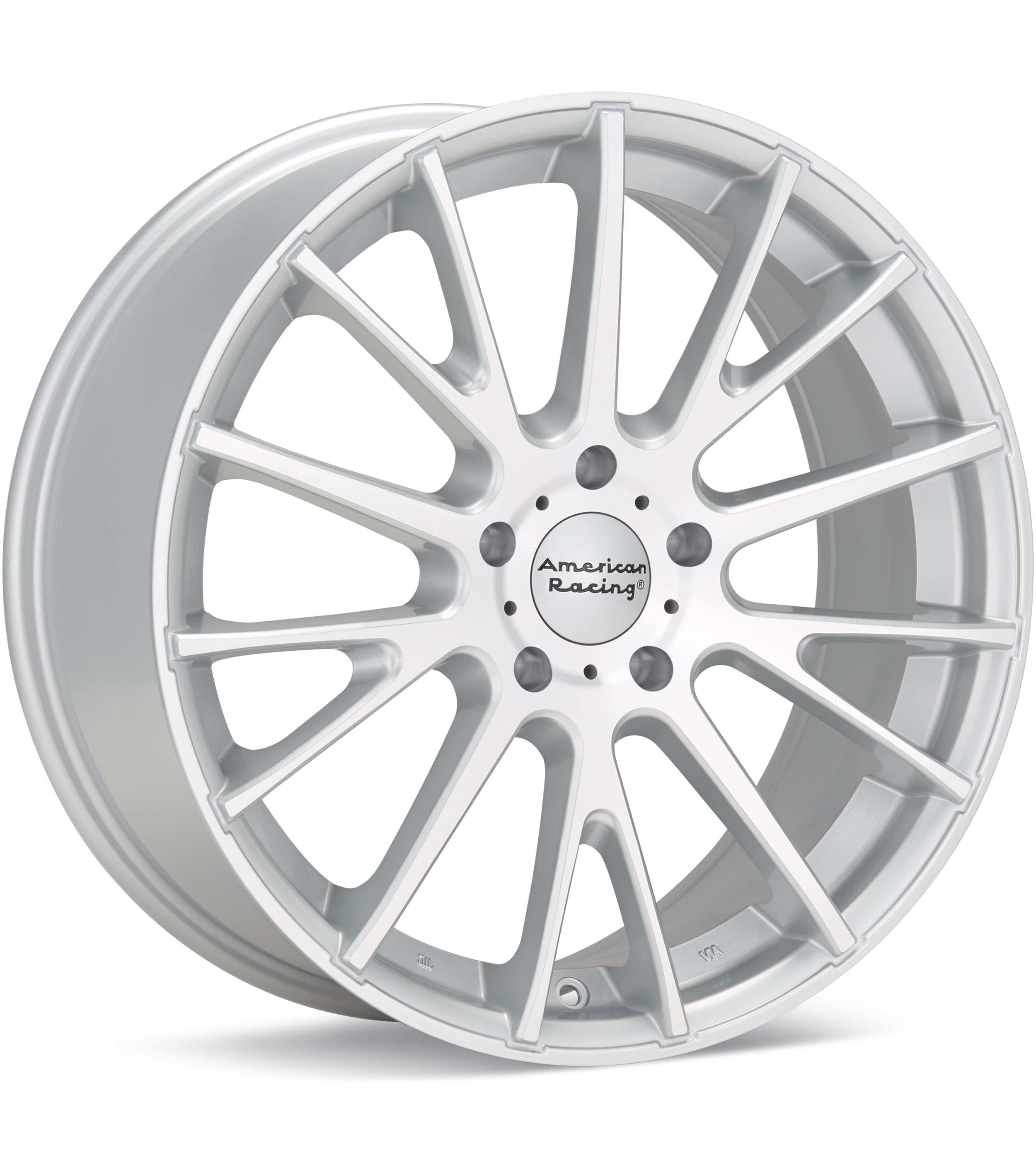
American Racing
AR904
Silver Machined w/Clearcoat
16 × 7″ · ET +40
$209.00
View at Tire Rack ↗Recorded OEM specifications for the 2000 Acura NSX, donor years with overlapping ranges, and a calculator to compare a selected wheel. Range overlap is not a guaranteed fit.
Save these wheel specs to your Ownery garage
Baseline mounting dimensions used for interchange decisions.
Center-bore records disagree: year-level hub 64.1 mm vs trim range 70.1–70.1 mm. Interchange below does not treat this as an unqualified match.
Thread-only product links are shopping examples, not verified fits. Seat style is not confirmed here. As an Amazon Associate we earn from qualifying purchases.
Selected size: 16 × 7″ · ET +55
Showing matching bolt patterns and offsets up to 20 mm lower. Confirm center bore, load rating, and clearance at Tire Rack.
American Racing
Silver Machined w/Clearcoat
16 × 7″ · ET +40
$209.00
View at Tire Rack ↗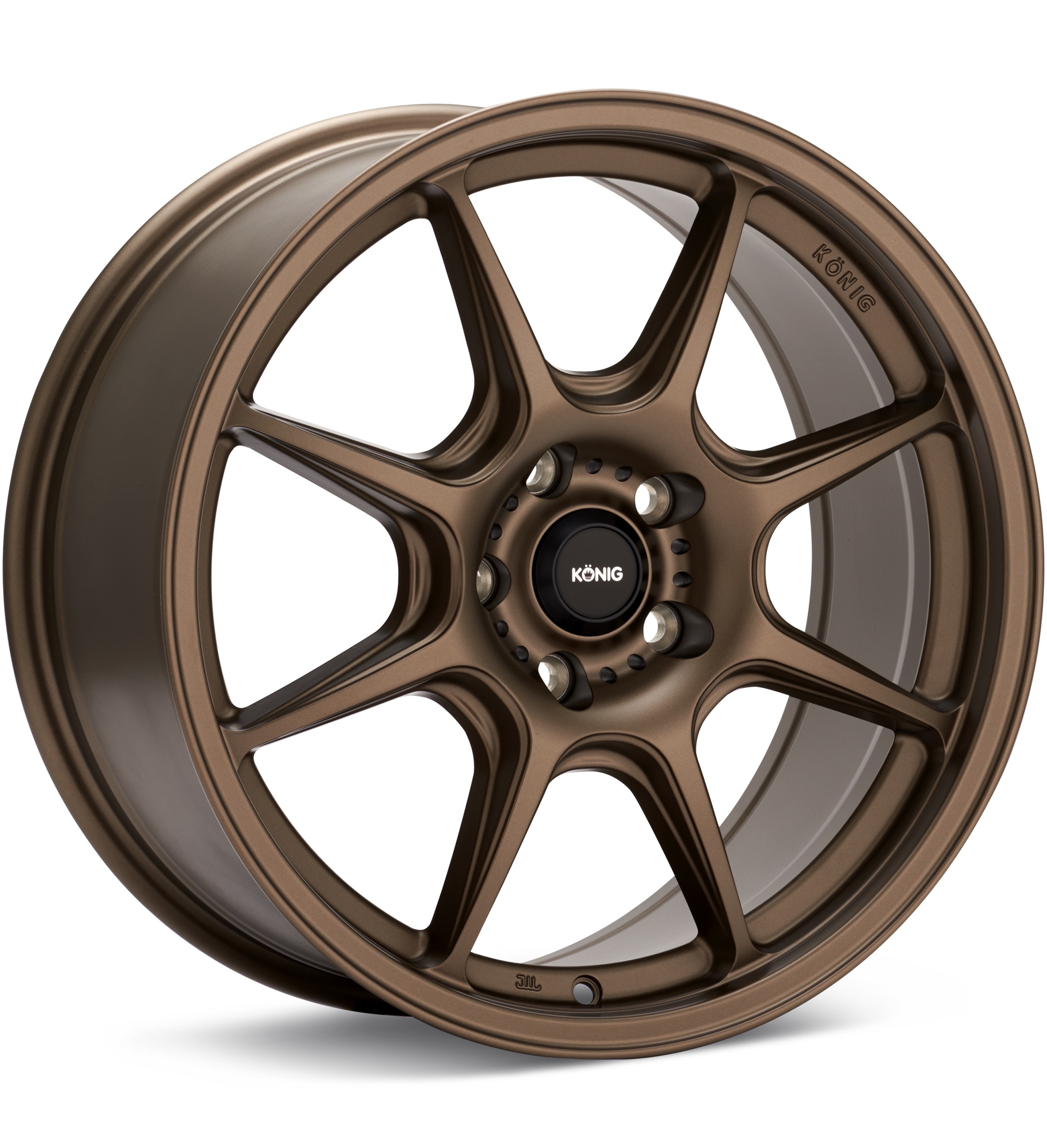
Konig
Matte Bronze
16 × 7.5″ · ET +40
$182.09
View at Tire Rack ↗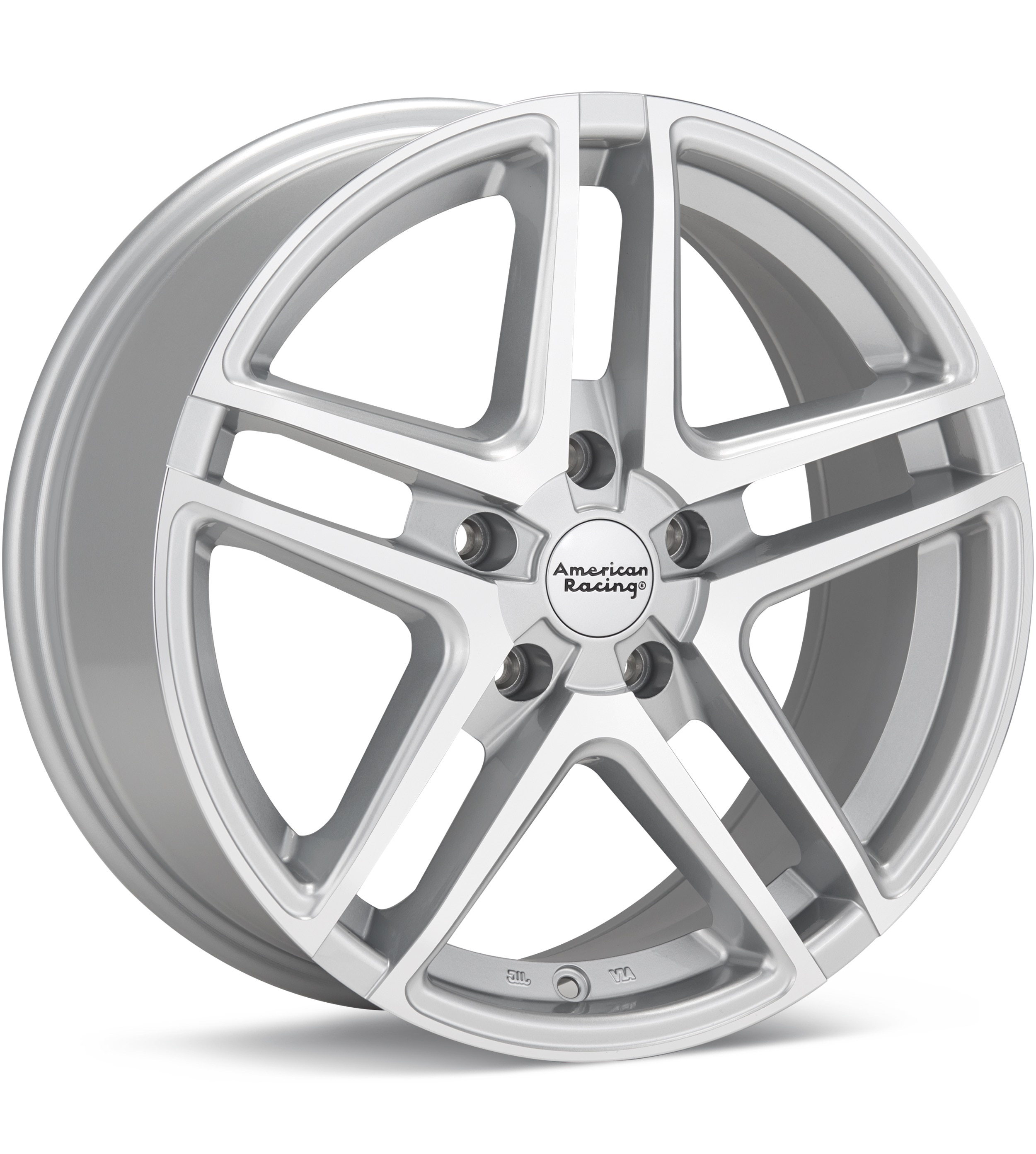
American Racing
Silver Machined w/Clearcoat
16 × 7″ · ET +40
$209.00
View at Tire Rack ↗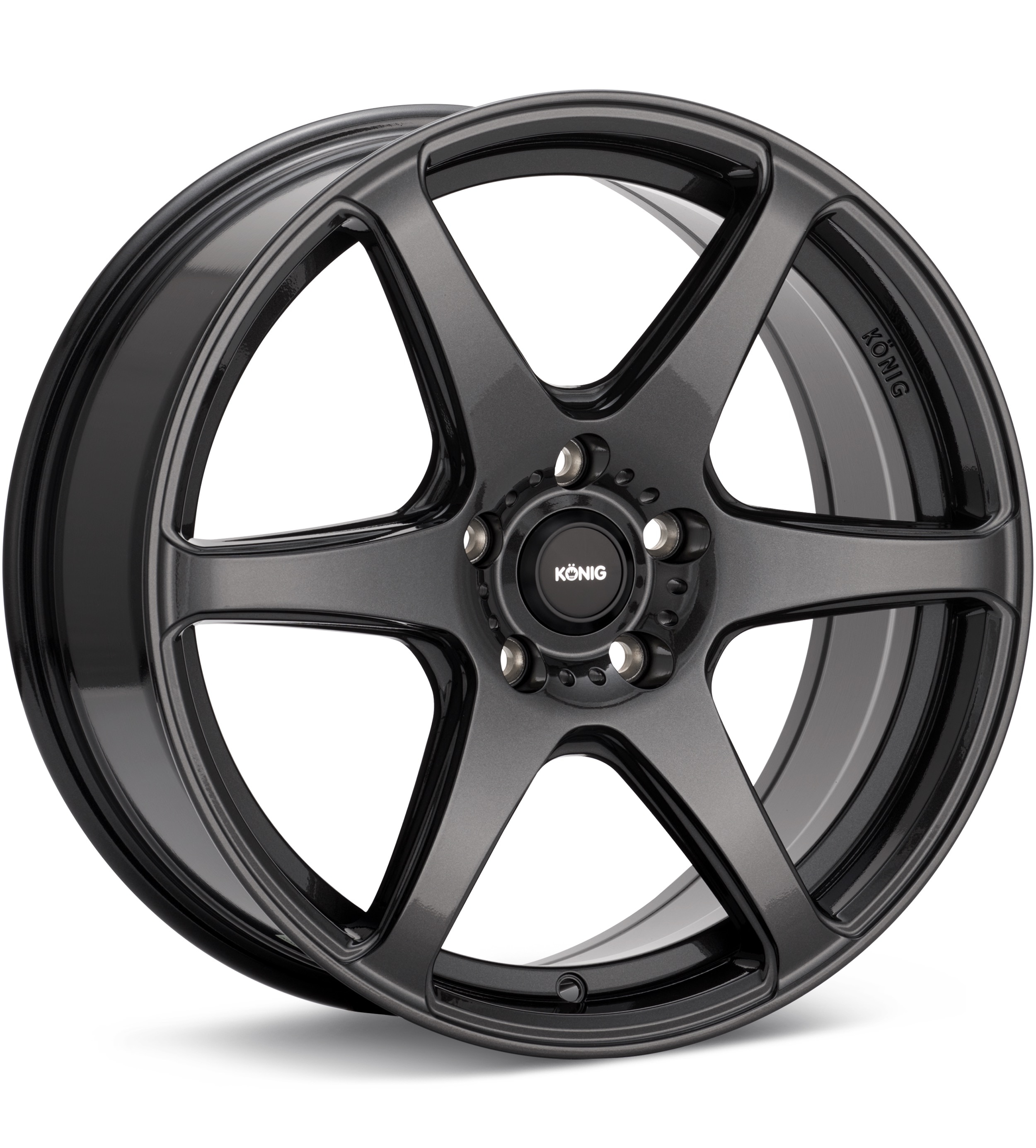
Konig
Gloss Graphite
16 × 7.5″ · ET +40
$189.05
View at Tire Rack ↗We may earn a commission when you buy through these links. Prices and availability may change.
These are vehicle-year records whose recorded OEM ranges overlap this 2000 Acura NSX. Overlap is not a guarantee that a specific wheel will install. Selected-wheel comparison is in the calculator below.
Evaluated 11 donor years. Listed 11 eligible overlaps (not all evaluated years are compatible). Showing all listed.
Years grouped because recorded compatibility evidence is equivalent. Each year keeps its own page.
Center-bore records disagree (target year-level hub 64.1 mm vs trim range 70.1–70.1 mm). Unqualified overlap is not claimed until the conflict is resolved.
Recorded vehicle-side thread for the 2000 Acura NSX is M12x1.5. This donor year is recorded as M14x1.5. That is the vehicle stud/nut thread, not an intrinsic thread stamped on the wheel. Hardware must match this vehicle’s studs and the selected wheel’s seat and engagement. Existing hardware may be reusable if it already matches. Seat style is not in this dataset, so products are not a verified fit.
Donor width/offset sits outside the known OEM envelope for this vehicle. Recorded vehicle-side thread differs (M14x1.5 on the donor year vs M12x1.5 on the target vehicle). Hardware must match the target vehicle’s studs and the selected wheel’s seat. Existing hardware may be reusable if it already matches. Seat style is not confirmed in this dataset.
Only years with evidence-based interchange relationships are listed. Adjacent years are not assumed compatible.
Compare a donor vehicle or custom wheel against this 2000 Acura NSX. Use Compare in calculator on a donor row above to fill the donor side of this same calculator.
Compare wheel compatibility between two vehicles
2000 Acura NSX





Example products matched to recorded thread, hub, or spacer dimensions. They are not verified fits. Confirm seat style, thickness, and clearance before ordering.
M12 x 1.5
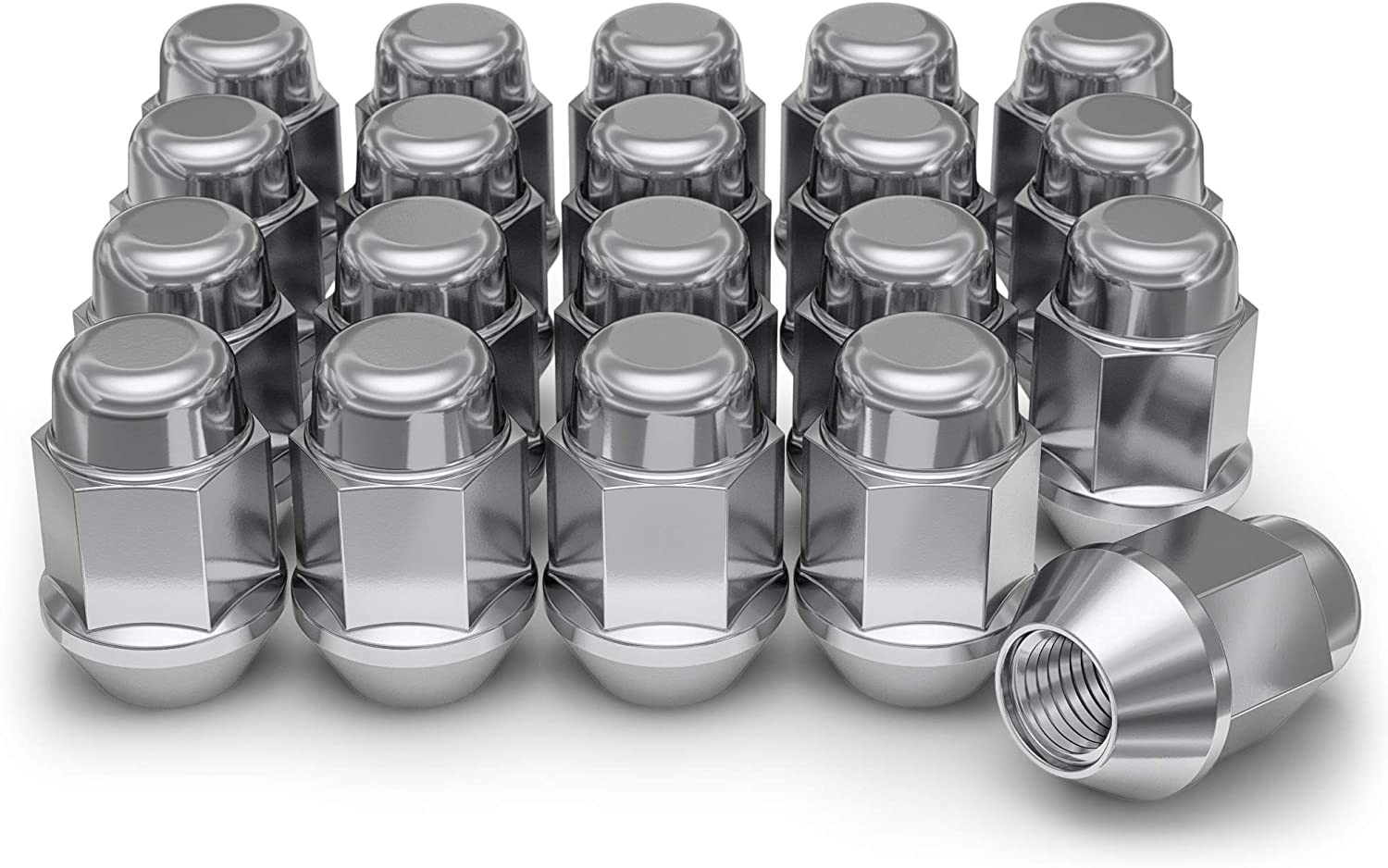
M12 x 1.5 · Thread match only; seat style is not verified
View on Amazon →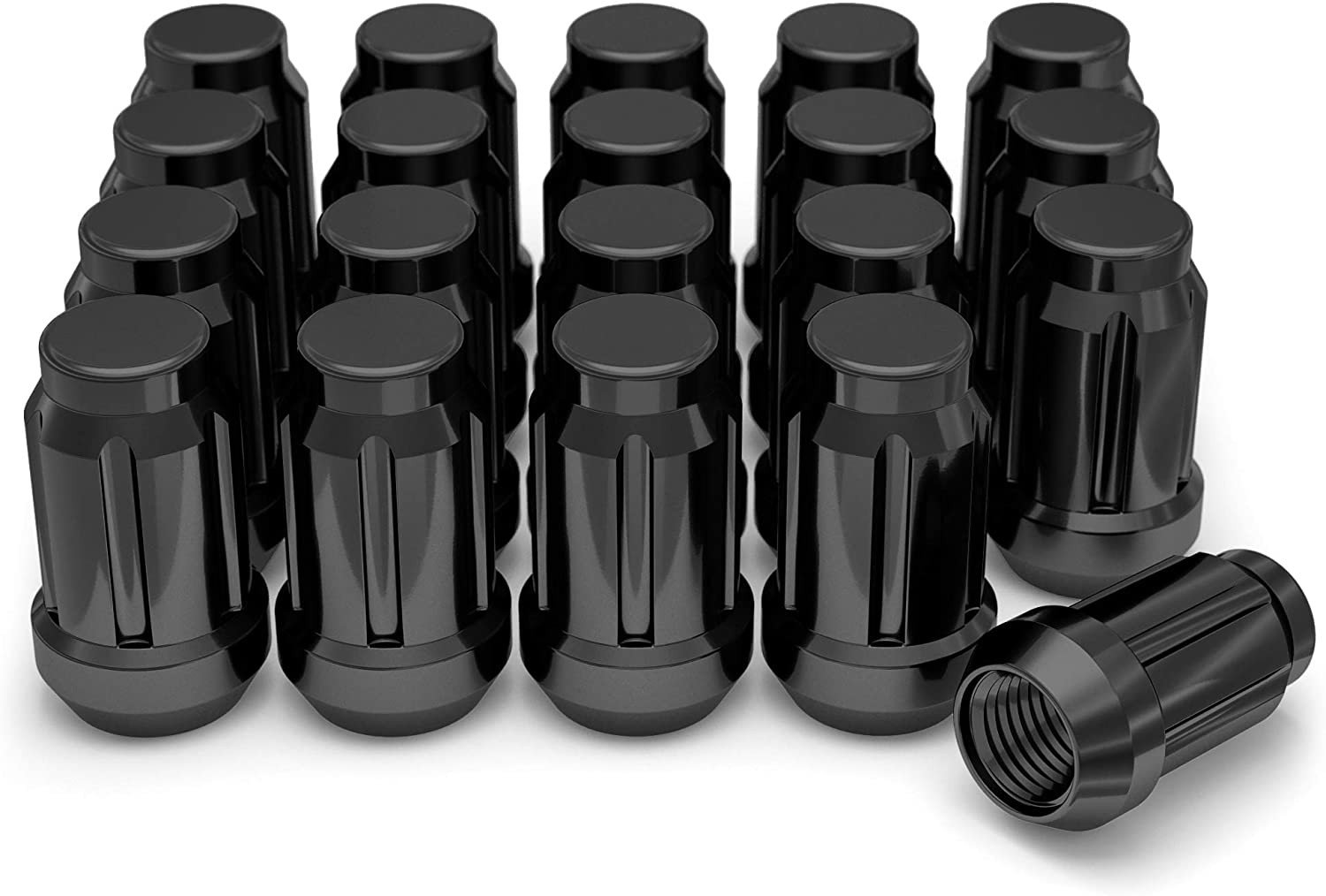
M12 x 1.5 · Thread match only; seat style is not verified
View on Amazon →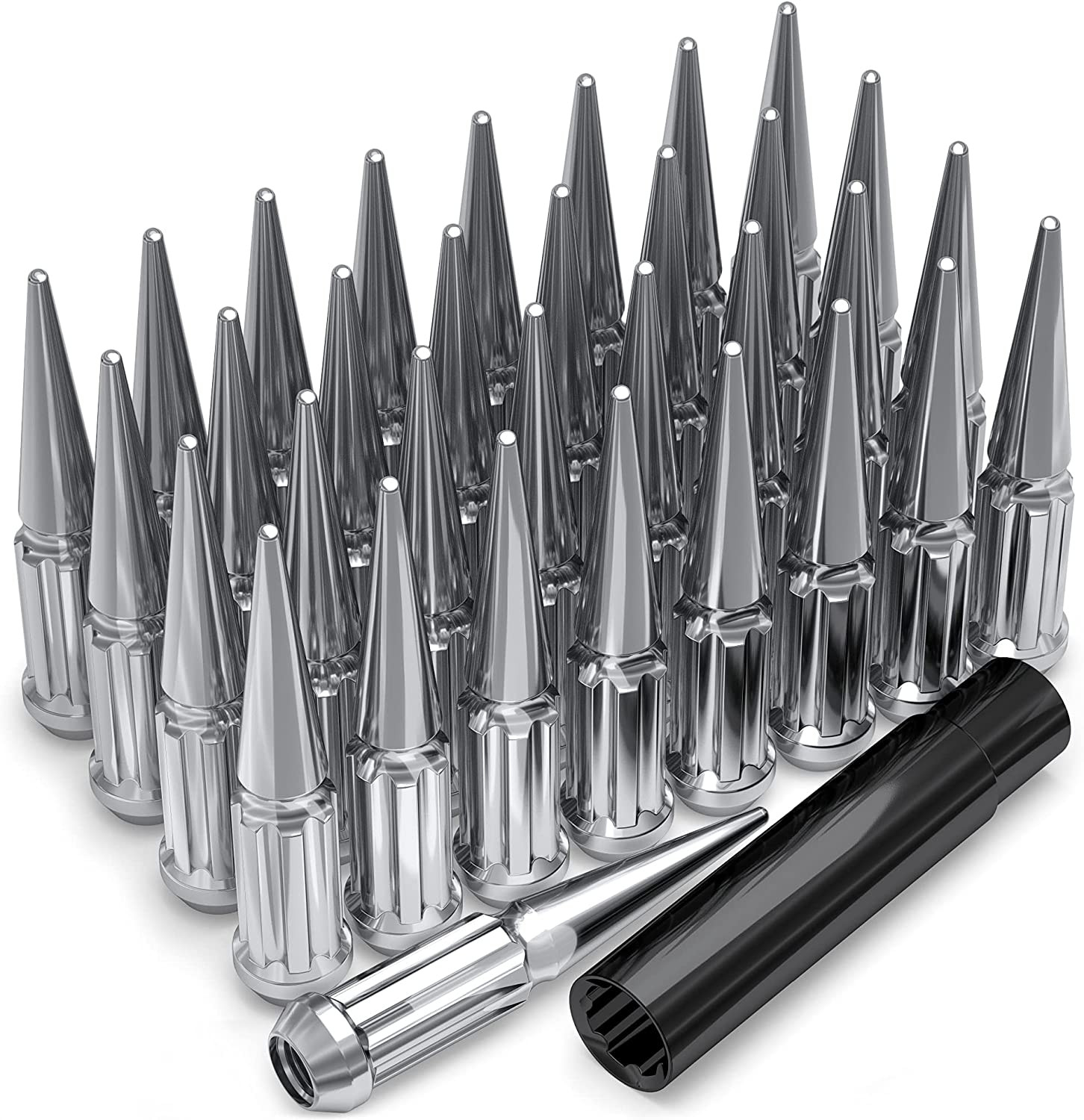
M12 x 1.5 · Thread match only; seat style is not verified
View on Amazon →As an Amazon Associate we earn from qualifying purchases. Product availability and pricing may change.
I have set up and test-fitted wheels on several NSX chassis, and I learned to treat the factory spec as my north star before exploring options. Think of it as a mental model that keeps geometry, clearances, and ride quality in balance while we iterate. For the 2000 Acura NSX, we have a confirmed baseline from the data available on wheelinterchange.com. Some NSX trims use staggered sizes, so the numbers below may represent only one axle. If your car’s other axle differs, you can confirm it on your door placard, in the owner’s manual, or by using the on-page calculator to compare tire diameters and offsets against your current setup.
| Spec | 2000 Acura NSX |
|---|---|
| Bolt pattern | 5x114.3 |
| Center bore | 64.1 mm |
| Thread size | M12 x 1.5 |
| Rim diameter | 16 in |
| Rim width | 7.0 in |
| Wheel offset | ET 55 mm |
| Backspacing | 5.67 in |
| Tire size | 215/45R16 |
Rule of thumb: start from what is known, then change one variable at a time. That approach keeps surprises away, especially on a mid-engine chassis that is sensitive to offset and tire diameter changes.
Before chasing new sizes, I like to validate the current setup with the on-page calculator. In the Wheels from field, enter the known OEM values listed above. In the Installed on field, select your 2000 Acura NSX. This quick pass confirms that the calculator is mirroring your car’s baseline. Next, try a tiny nudge such as offset 53 instead of 55 while keeping 16x7 and 215/45R16. Watch how the inner clearance and poke change in the comparison. It is a small win because you see how two millimeters feel on paper before buying anything.
If you want to sanity check the car in the garage, hold a straightedge against the tire sidewall and measure to the fender lip, then look behind the wheel for suspension or liner clearance. A simple tape measure or a pocket ruler is enough for this first pass. When I do this, I write down the tightest spot so I can compare it with the calculator’s inner clearance estimate.
Helpful tool: a torque wrench keeps things consistent when you reinstall wheels after test fits. You can find options here: 1/2 inch torque wrench.
Many NSX configurations use a staggered setup. Since our confirmed values may represent one axle, I treat the other axle as a variable until verified on your car. Use the calculator’s Custom wheel size and Custom tire size controls to test common progressions, for example:
Think of it as preserving the total tire diameter to protect gearing, ABS tuning, and speedometer behavior. A practical rule of thumb is to keep diameter changes within a small percentage window so the car still feels like itself. The calculator shows that delta in real time. I also watch inner clearance to the strut and liner. Leaving a modest buffer, often a few millimeters, helps account for flex under load.
If you are testing larger diameters, like moving from 16 to 17 or 18 on one or both axles, use the calculator’s combined wheel and tire comparison. Changing rim diameter updates the tire diameter in the comparison, so you can keep the overall tire height in the same ballpark. This keeps ride height, rake, and fender gaps predictable.
This is where small details pay off. The NSX uses a 64.1 mm center bore. If your aftermarket wheels have a larger bore, plan on hub-centric rings sized to 64.1 for a snug, vibration-free fit. I keep a set on hand because it helps me isolate vibration complaints during testing. Here is a search that matches the idea: hub centric rings 64.1.
Match your lug nut thread to M12 x 1.5 and make sure the seat style of the lug matches the wheel seat. The seat profile varies by wheel brand, so I confirm visually and in the wheel’s documentation. You can browse options by thread here: M12x1.5 lug nuts.
I also look for adequate thread engagement. As a practical guideline, engaging stud threads roughly equal to the stud diameter is a useful target. If you change wheel thickness at the mounting pad, check that your lug nuts still achieve solid engagement.
Offset changes influence scrub radius and steering feel. A few millimeters can be felt on a precise chassis like the NSX. After any significant offset or width change, a professional alignment can keep the car tracking straight and protect the tire shoulders. If you change overall tire diameter, compare the calculator’s speed change readout to understand the effect on indicated speed.
Before committing, I do three checks. First, rotate the steering from lock to lock and look for liner or fender contact. Second, compress the suspension slightly, either with a careful driveway test over a bump or with ramps, to see if the tire kisses the fender under load. Third, check brake caliper spoke clearance. A quick method is a small dab of putty or a stack of thin washers on the caliper, then mount the wheel and spin it by hand. If the putty is marked or displaced, you are too close.
On the road, listen for rubbing at full lock and during gentle sweepers. Feel for vibration that might point to missing hub-centric rings or a mounting surface issue. Re-torque the lugs after a short bedding period. I like to do a quick recap at 50 to 100 miles, particularly after any spacer, ring, or wheel change.
If anything feels off, go back to the calculator and nudge one parameter at a time. That step-by-step approach usually reveals the variable that is asking for a little more room.
We began with the confirmed 2000 Acura NSX baseline and used it as a stable anchor. You earned a small win by verifying the setup in the calculator and testing a minor offset change. We then expanded the scope to consider staggered options and diameter changes while watching overall tire height and inner clearance. You refined the plan with hub fit, lug hardware, and alignment considerations, then validated it with clearance checks and a measured road test. If any factory spec for your other axle is unknown or varies by trim, confirm it with your door placard or OEM service data, then mirror it in the on-page calculator so both ends of the car stay in harmony.
If you need simple tools to support the process, these searches help:
Think of the calculator on wheelinterchange.com as your map. With a clear baseline and measured adjustments, the NSX responds beautifully, and you finish with a setup that fits, feels right, and looks the way you pictured.
Wheel interchange depends on more than bolt pattern. Where data is available, this site compares recorded OEM values:
A normal wheel spacer does not change bolt pattern. Hub rings cannot enlarge a wheel bore that is smaller than the hub. Brake clearance and tire package fitment still require vehicle-specific checks when not confirmed in the dataset.
