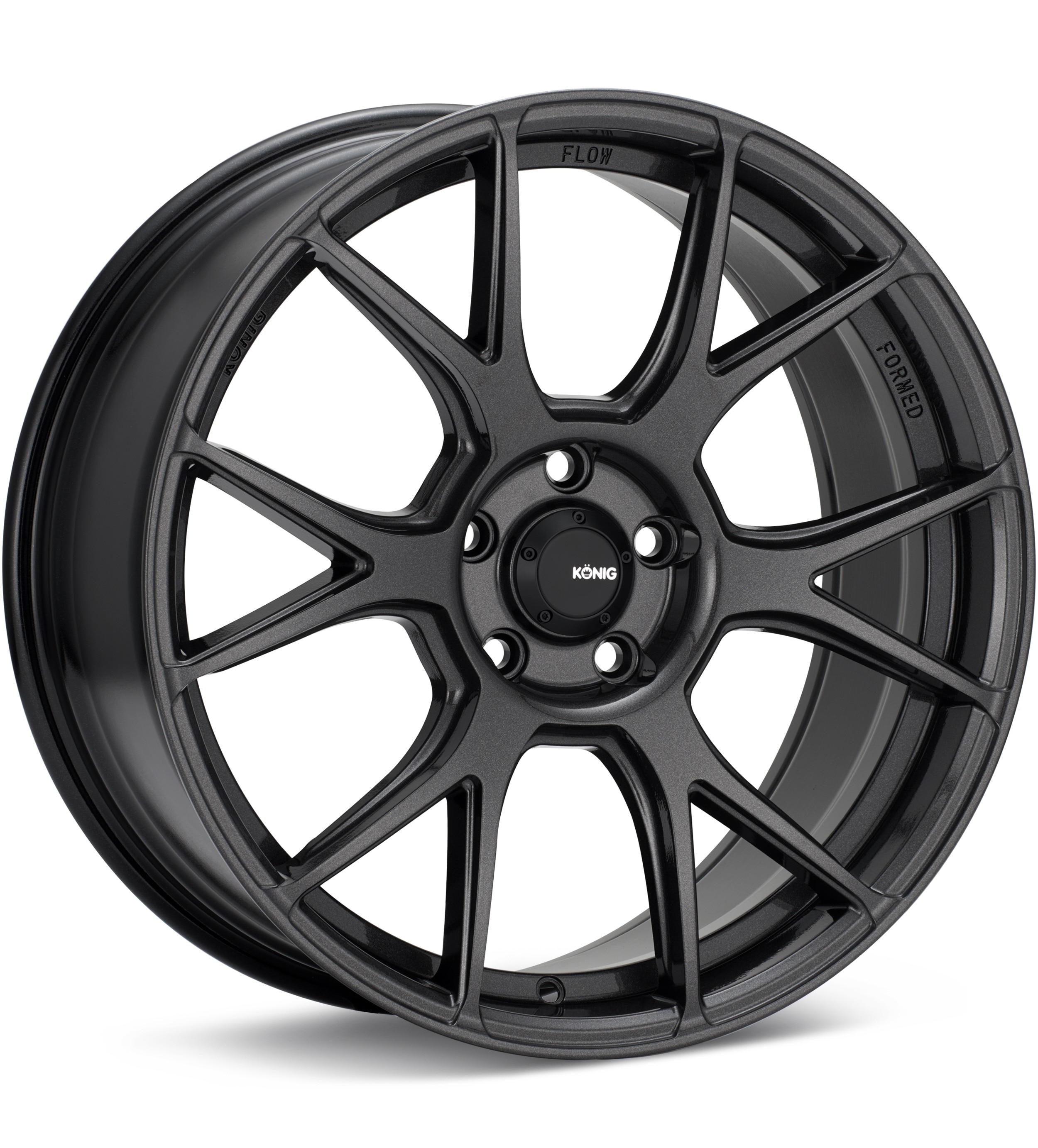
Konig
Ampliform
Dark Graphite
19 × 8.5″ · ET +32
$396.68
View at Tire Rack ↗Recorded OEM specifications for the 2016 Audi A7, donor years with overlapping ranges, and a calculator to compare a selected wheel. Range overlap is not a guaranteed fit.
Save these wheel specs to your Ownery garage
Baseline mounting dimensions used for interchange decisions.
Multiple OEM configurations exist for this vehicle. Fitment can vary by trim, brakes, and factory wheel package – confirm your exact setup before buying.
Center-bore records disagree: year-level hub 66.6 mm vs trim range 66.5–66.5 mm. Interchange below does not treat this as an unqualified match.
Thread-only product links are shopping examples, not verified fits. Seat style is not confirmed here. As an Amazon Associate we earn from qualifying purchases.
Selected size: 19 × 8.5″ · ET +32
Showing matching bolt patterns and offsets up to 20 mm lower. Confirm center bore, load rating, and clearance at Tire Rack.
Konig
Dark Graphite
19 × 8.5″ · ET +32
$396.68
View at Tire Rack ↗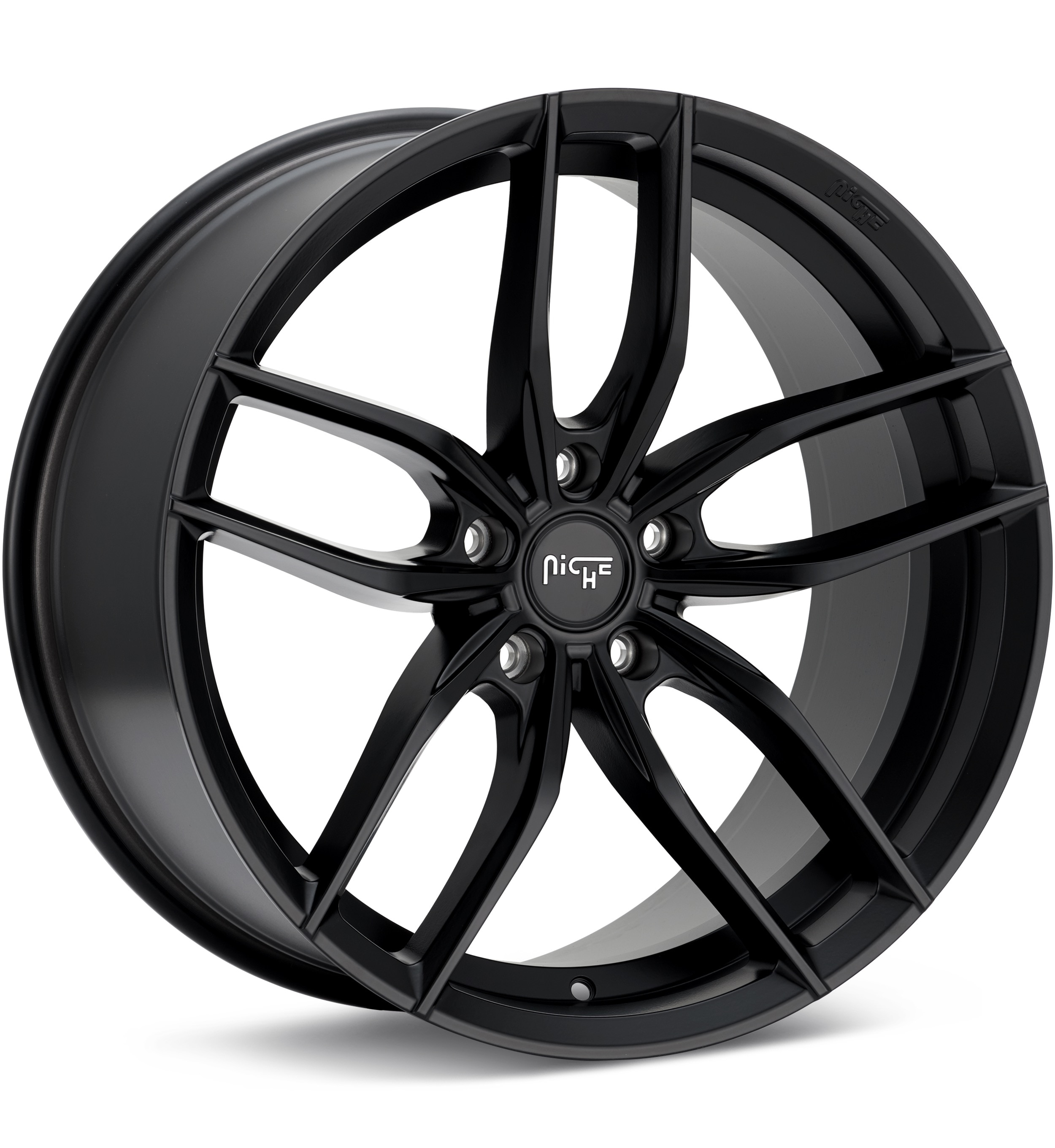
Niche Road Wheels
Black
19 × 8.5″ · ET +25
$420.00
View at Tire Rack ↗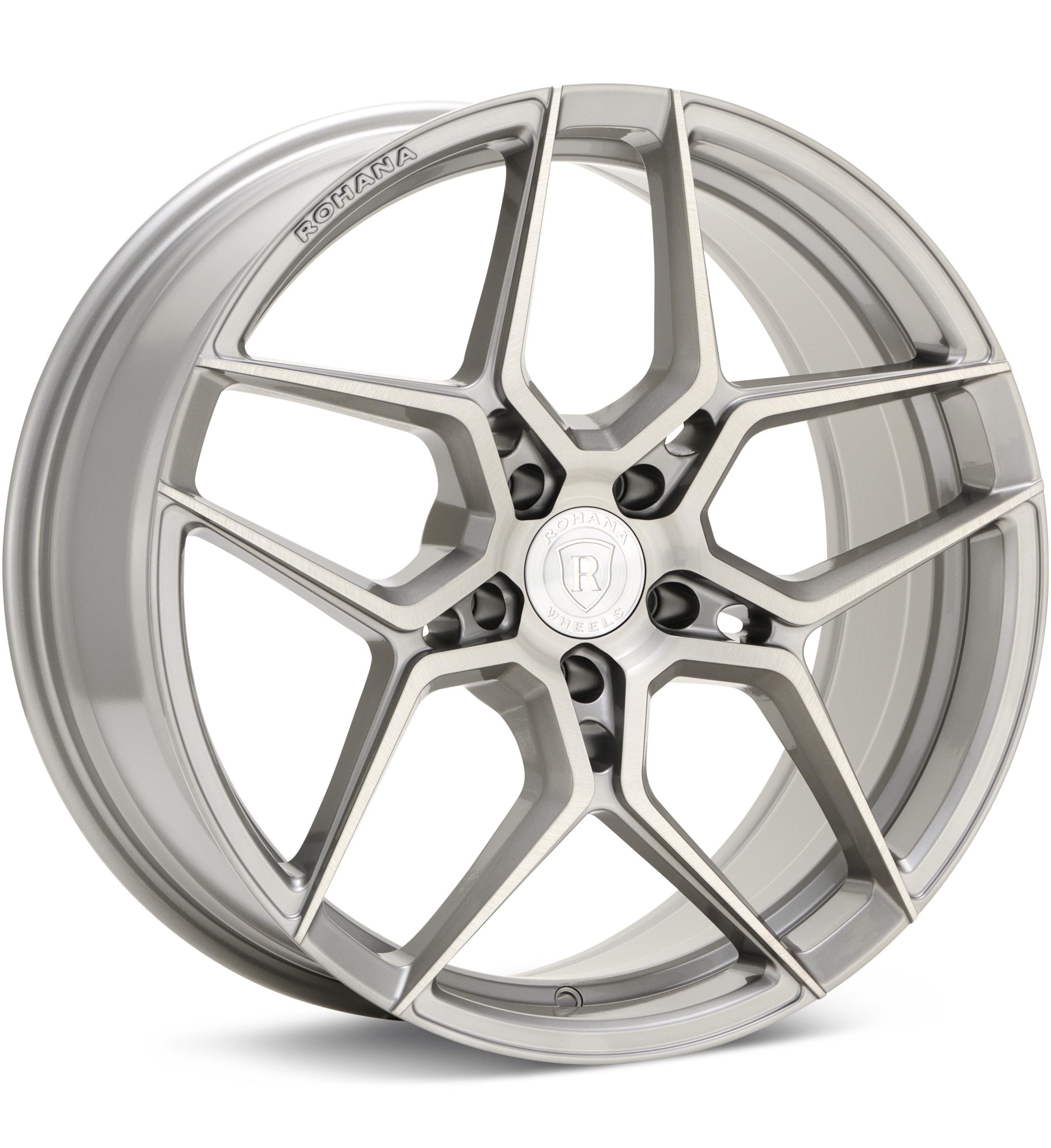
Rohana Wheels
Brushed Titanium
19 × 9.5″ · ET +30
$598.00
View at Tire Rack ↗We may earn a commission when you buy through these links. Prices and availability may change.
These are vehicle-year records whose recorded OEM ranges overlap this 2016 Audi A7. Overlap is not a guarantee that a specific wheel will install. Selected-wheel comparison is in the calculator below.
Evaluated 188 donor years. Listed 24 eligible overlaps (not all evaluated years are compatible). Showing all listed.
Years grouped because recorded compatibility evidence is equivalent. Each year keeps its own page.
Center-bore records disagree (target year-level hub 66.6 mm vs trim range 66.5–66.5 mm; donor year-level hub 66.6 mm vs trim range 66.5–66.5 mm). Unqualified overlap is not claimed until the conflict is resolved.
Wheel width/offset data is incomplete.
Years grouped because recorded compatibility evidence is equivalent. Each year keeps its own page.
Dataset suggestionHub-centric rings ≈ 66.6 → 66.5 mm – not a verified installation requirement.
Hub-centric rings of about 66.6 → 66.5 mm mm may be relevant if the wheel bore is larger than the hub; they cannot enlarge a smaller bore. Approximate position vs the mid OEM package: outer change -3 mm, inner change 3 mm. This uses aggregated width/offset ranges, not a specific wheel.
Years grouped because recorded compatibility evidence is equivalent. Each year keeps its own page.
Dataset suggestionWheel spacer ≈ 14.35 mm – not a verified installation requirement.
A spacer of about 14.35 mm is a dataset suggestion only; clearance is not verified. Estimated outer position is about 14.35 mm farther inward than the mid OEM package.
Years grouped because recorded compatibility evidence is equivalent. Each year keeps its own page.
Dataset suggestionWheel spacer ≈ 10 mm – not a verified installation requirement.
A spacer of about 10 mm is a dataset suggestion only; clearance is not verified. Estimated outer position is about 10 mm farther inward than the mid OEM package.
Only years with evidence-based interchange relationships are listed. Adjacent years are not assumed compatible.
Compare a donor vehicle or custom wheel against this 2016 Audi A7. Use Compare in calculator on a donor row above to fill the donor side of this same calculator.
Compare wheel compatibility between two vehicles
2016 Audi A7





Example products matched to recorded thread, hub, or spacer dimensions. They are not verified fits. Confirm seat style, thickness, and clearance before ordering.
M14 x 1.5
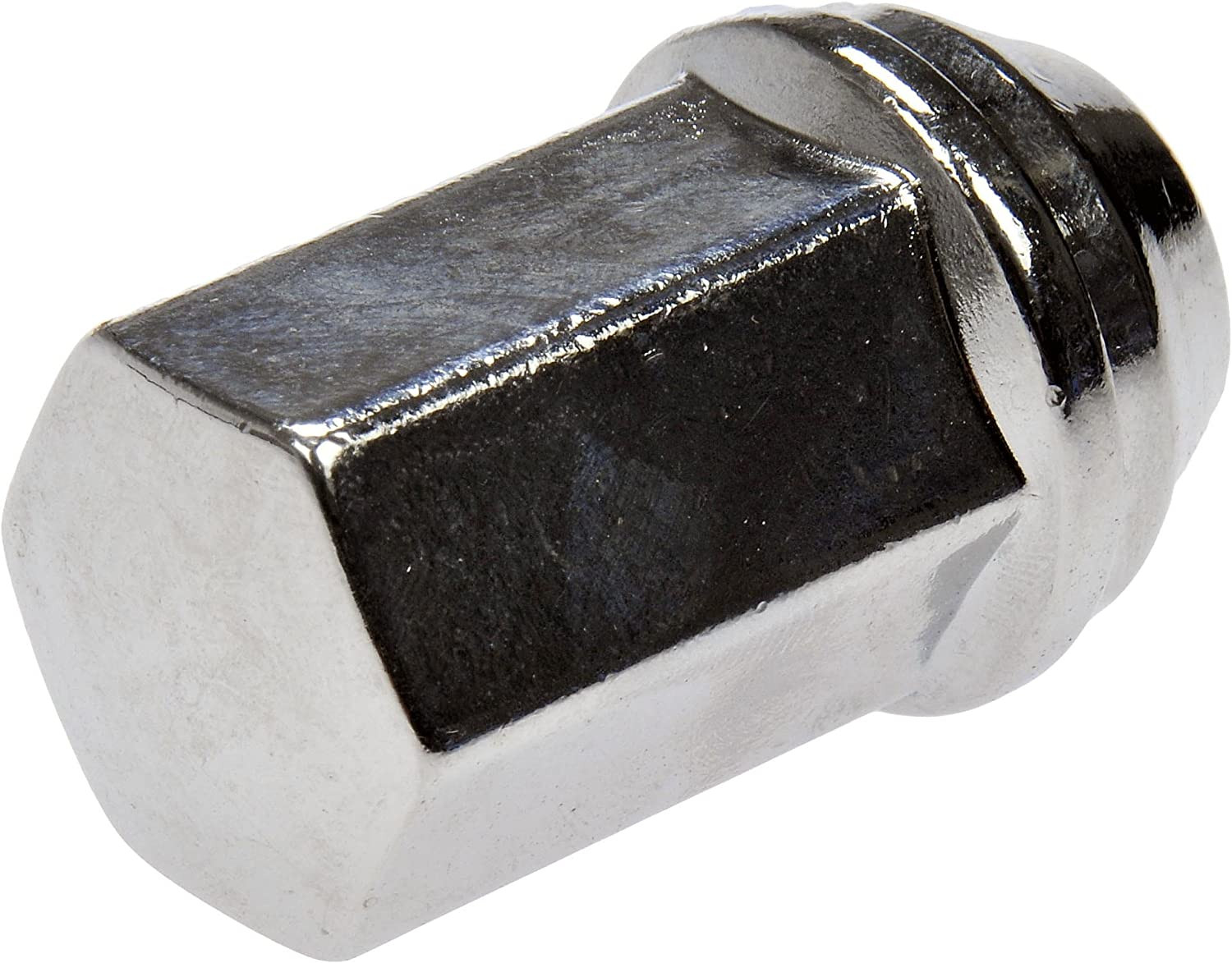
M14 x 1.5 · Thread match only; seat style is not verified
View on Amazon →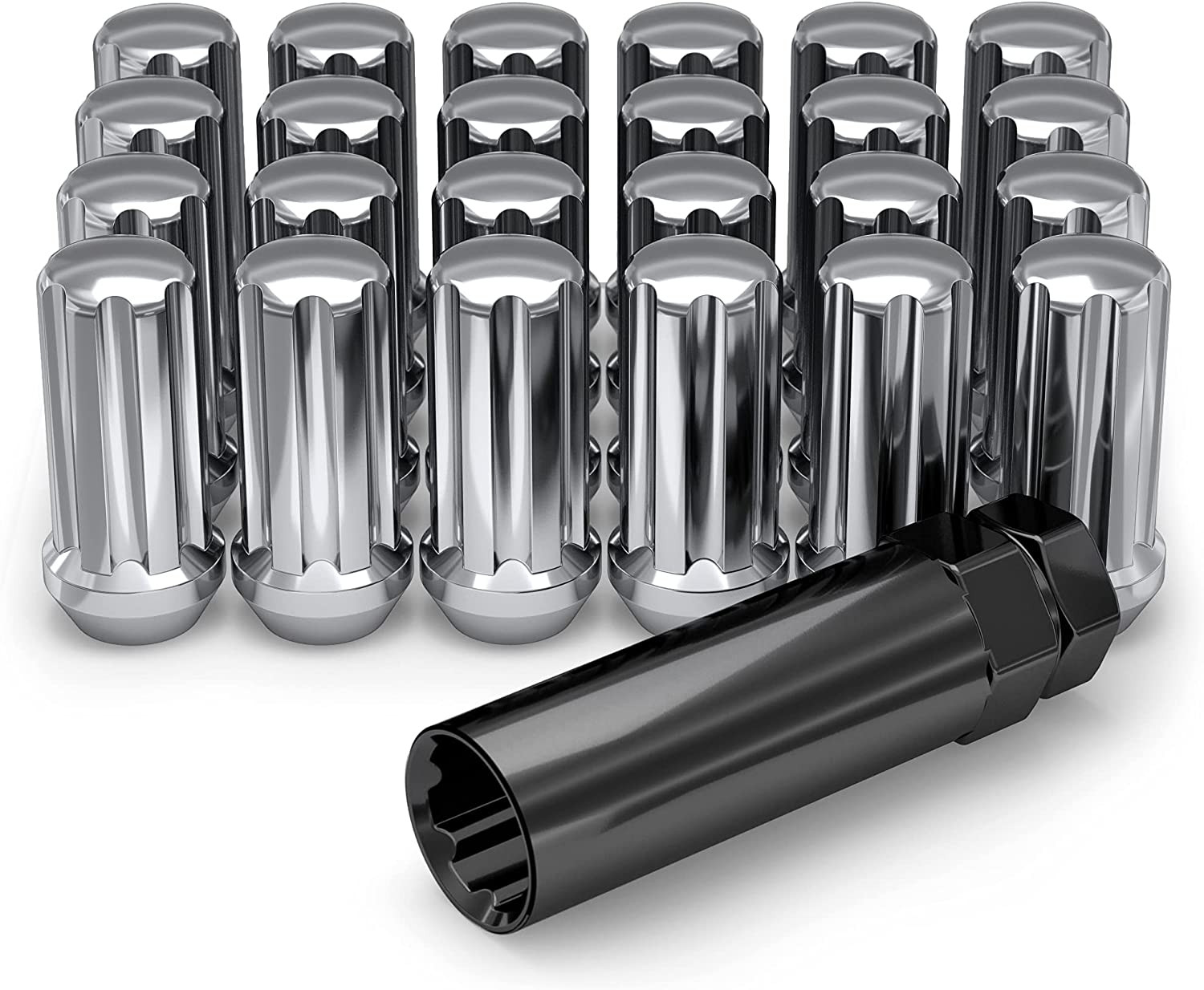
M14 x 1.5 · Thread match only; seat style is not verified
View on Amazon →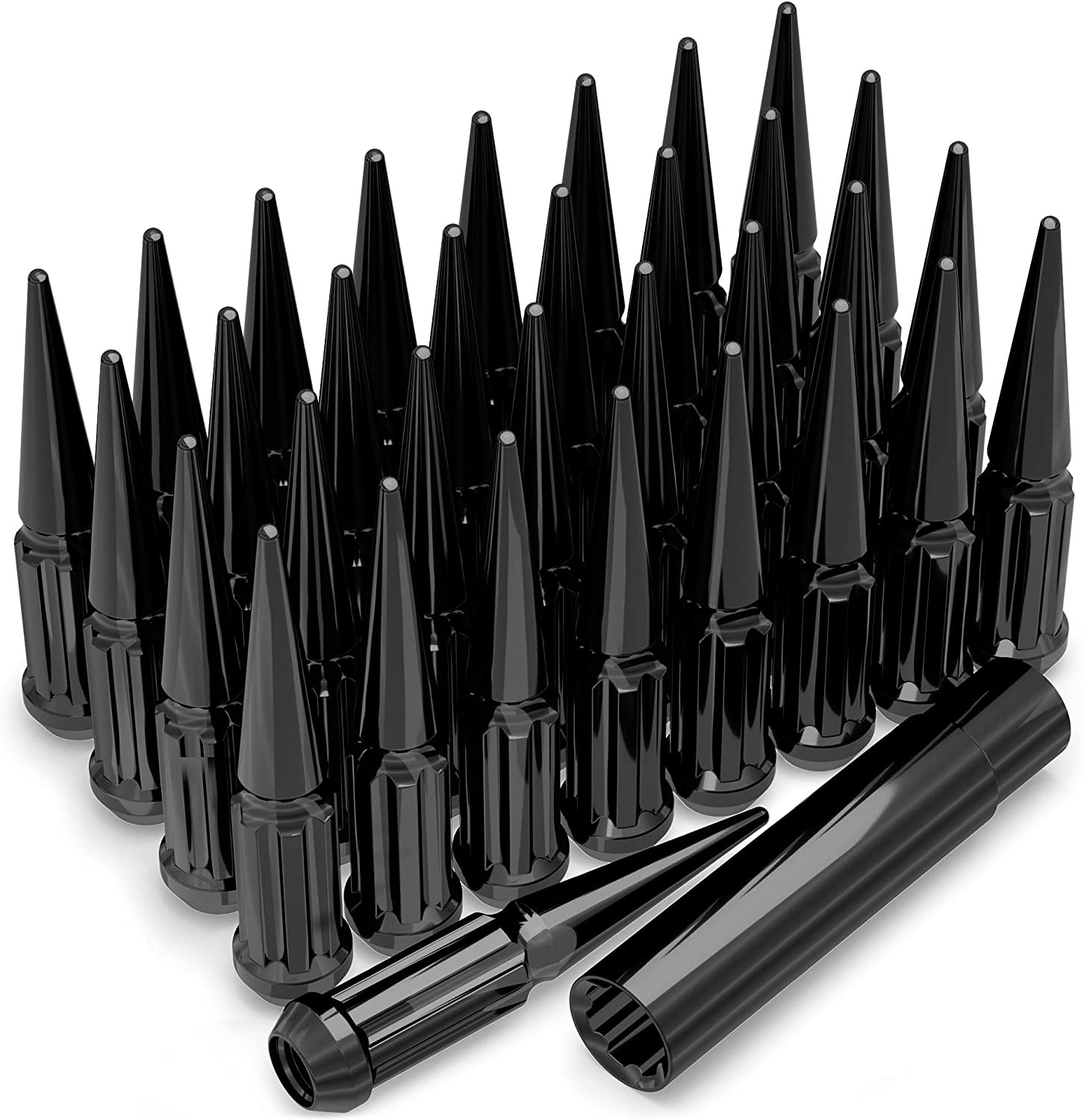
M14 x 1.5 · Thread match only; seat style is not verified
View on Amazon →As an Amazon Associate we earn from qualifying purchases. Product availability and pricing may change.
Confirm safe wheel and tire fitment for a 2016 Audi A7 using available OEM data and the on-page calculator.
This guide helps you avoid clearance, braking, and fastening problems before you buy or mount wheels.
Known OEM fitment for 2016 Audi A7 (use these values; do not assume others):
| Item | Value |
|---|---|
| Bolt pattern (studs x PCD) | 5x112 |
| Center bore (mm) | 66.6 |
| Thread size | M14 x 1.5 |
| Rim diameter (in) | 19 |
| Rim width (in) | 8.5 |
| Wheel offset (ET, mm) | 32 |
| Backspacing (in) | 5.51 |
| Tire size | 255/40R19 |
Assumption: some trims and aftermarket wheels may differ. If a value is unknown or varies by trim, confirm with the calculator and OEM sources.
Tools and parts recommended: torque wrench, lug socket set, hub-centric rings if required, and a tape measure.
Quick tool links: torque wrench, hub-centric rings
You need wheels that physically fit and do not create rubbing, vibration, or unsafe fastening conditions.
Confirm the wheel is 5x112 and studs are M14 x 1.5. These must match exactly.
If you have aftermarket lug nuts, verify seat type matches the wheel (conical, ball, or flat).
The OEM center bore is 66.6 mm. If an aftermarket wheel center bore is larger, use hub-centric rings to remove play.
If the wheel bore is smaller than the hub bore, the wheel will not mount and cannot be installed.
OEM rim is 19x8.5 ET32 with backspacing 5.51 in. Keep rim width and offset close to OEM to reduce clearance issues.
Trade-off: lower offset moves the wheel outward, improving stance but increasing rub risk. Higher offset moves wheel inward, possibly causing inner clearance issues.
OEM tires are 255/40R19. Use the on-page calculator to compare alternative sizes and to see diameter change when you adjust rim diameter.
Compare "Wheels from (donor vehicle)" vs "Installed on (your vehicle)". Adjust custom wheel and tire fields to preview fitment changes.
Changing rim diameter updates tire diameter automatically. Use the calculator for rim width, offset, and tire section trade-offs.
Mount the wheel and torque lug nuts to the OEM spec. If you do not know the torque, obtain it from the owner's manual or dealer.
Check braking system clearance, suspension components, and full-lock turning for rub. Measure wheel-to-fender distance front and rear.
Do these checks after mounting and before a high-speed test drive:
Use the calculator results to cross-check wheel diameter and scrub radius changes. If numbers differ from physical measurements, re-measure and reconcile discrepancies.
Cause: offset too low or wheel too wide. Solution: increase offset, choose narrower wheel, or fit a small spacer after confirming brake clearance and stud length.
Cause: wheel inner lip too close to caliper. Solution: select a wheel with sufficient inner clearance or adjust wheel width/offset.
Cause: wheel not hub-centric, unbalanced tire, or damaged wheel. Solution: install hub-centric rings if applicable, rebalance, and inspect wheel for damage.
Cause: wrong seat type or cross-threading. Solution: replace lug nuts with correct seat style and inspect thread condition. Confirm M14 x 1.5 thread engagement depth.
If specs vary by trim, confirm with the owner’s manual, dealer, or the VIN-specific parts catalog. Use the on-page calculator for trial fits until OEM data is verified.
Follow this sequence to move from confusion to a confident fitment decision. Start with bolt pattern, thread, and center bore. Then validate rim width, offset, and tire diameter using the on-page calculator and physical test fit.
When in doubt, confirm torque values and trim-specific specs from OEM sources. That validation step reduces risk and preserves safety.
Use recommended tools, balance tires, and perform a careful test drive. If you need help interpreting calculator outputs, contact a trusted wheel installer or the dealer for VIN-specific confirmation.
Wheel interchange depends on more than bolt pattern. Where data is available, this site compares recorded OEM values:
A normal wheel spacer does not change bolt pattern. Hub rings cannot enlarge a wheel bore that is smaller than the hub. Brake clearance and tire package fitment still require vehicle-specific checks when not confirmed in the dataset.
