OEM wheel and tire fitment specs for the 2013 Audi S7, including bolt pattern (PCD), center bore diameter, thread size, rim diameter, rim width, wheel offset, and backspacing.
Recorded OEM specifications for the 2013 Audi S7, donor years with overlapping ranges, and a calculator to compare a selected wheel. Range overlap is not a guaranteed fit.
Multiple OEM configurations exist for this vehicle. Fitment can vary by trim, brakes, and factory wheel package – confirm your exact setup before buying.
Center-bore records disagree: year-level hub 66.6 mm vs trim range 66.5–66.5 mm. Interchange below does not treat this as an unqualified match.
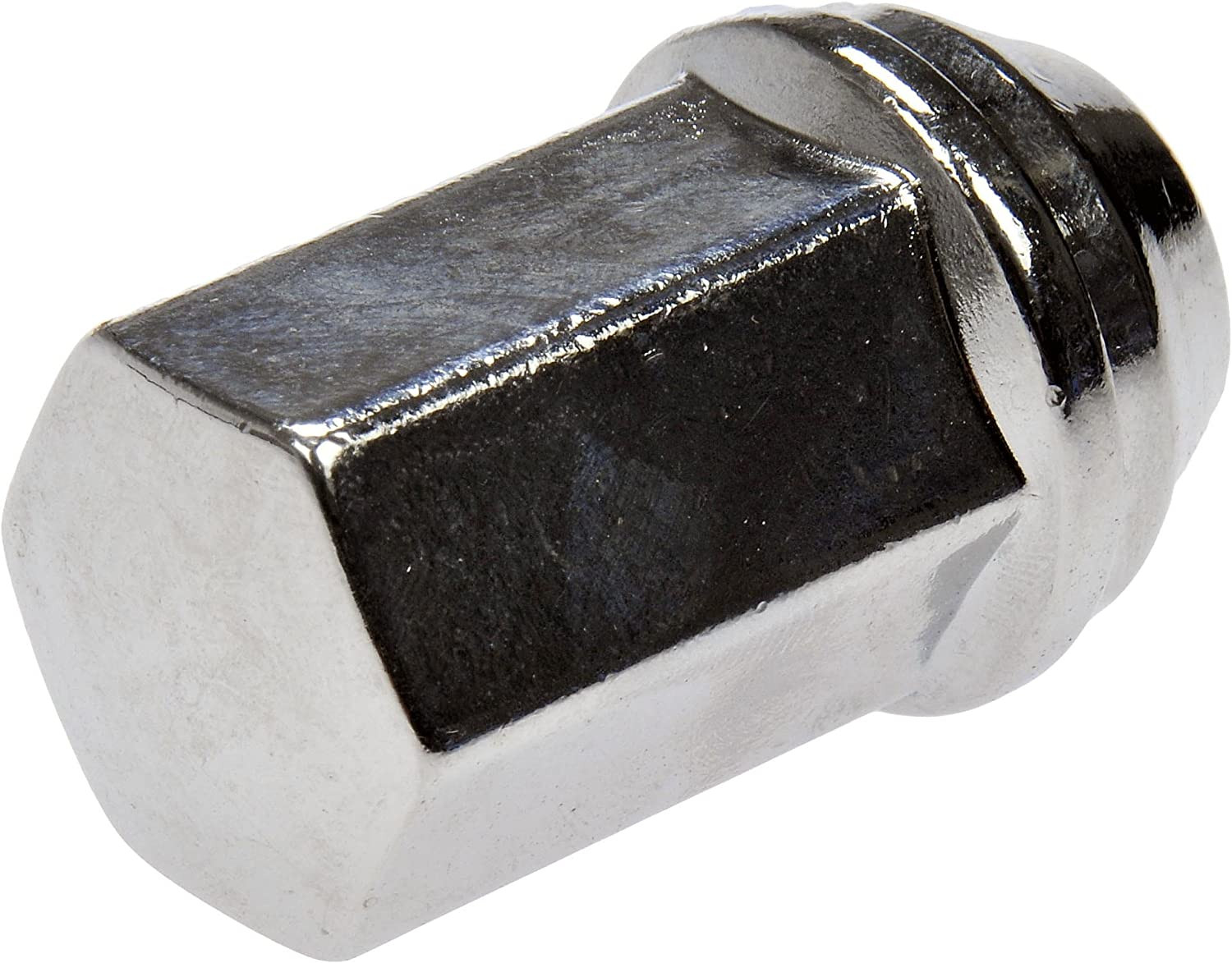
Thread-only product links are shopping examples, not verified fits. Seat style is not confirmed here. As an Amazon Associate we earn from qualifying purchases.
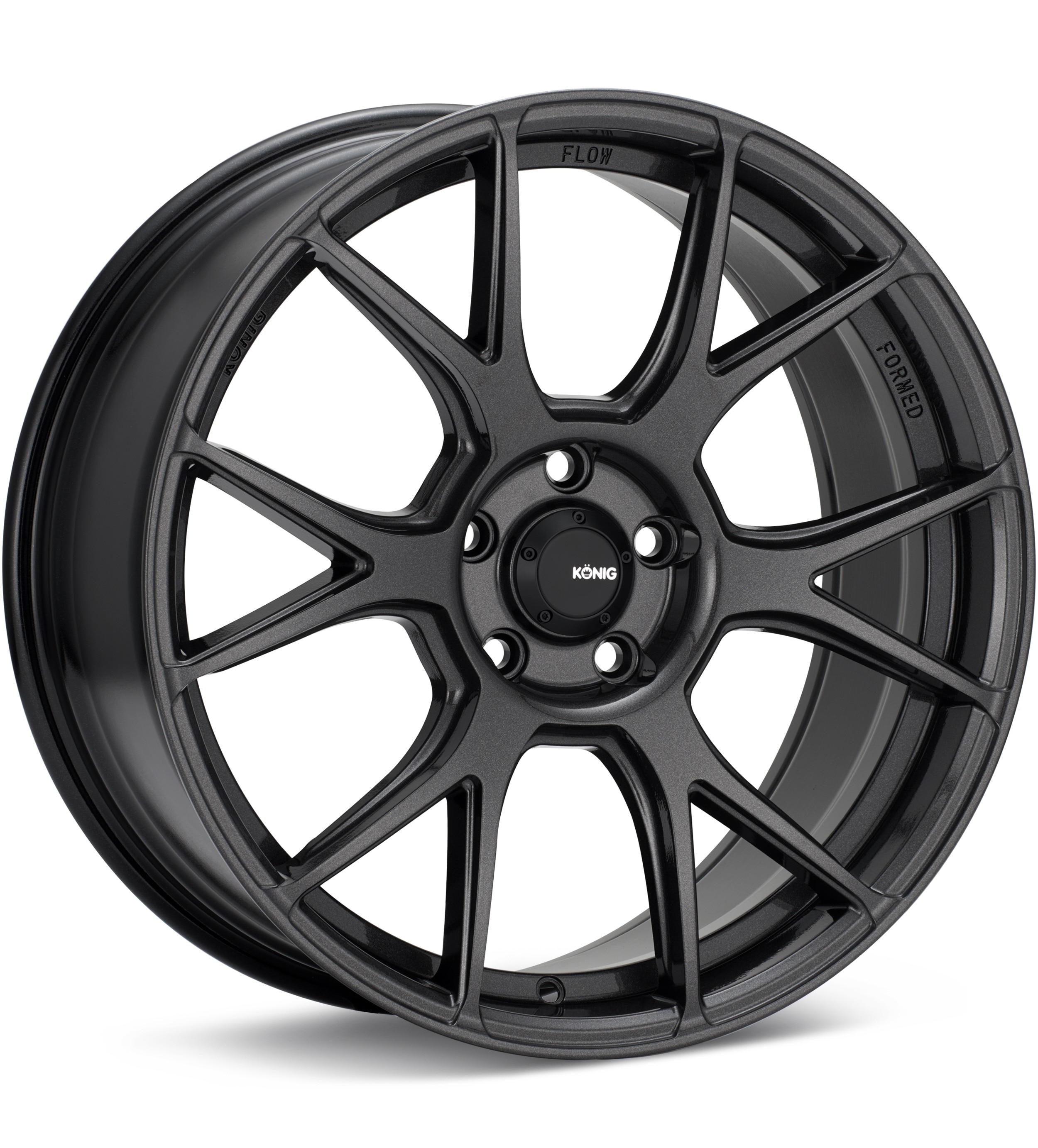
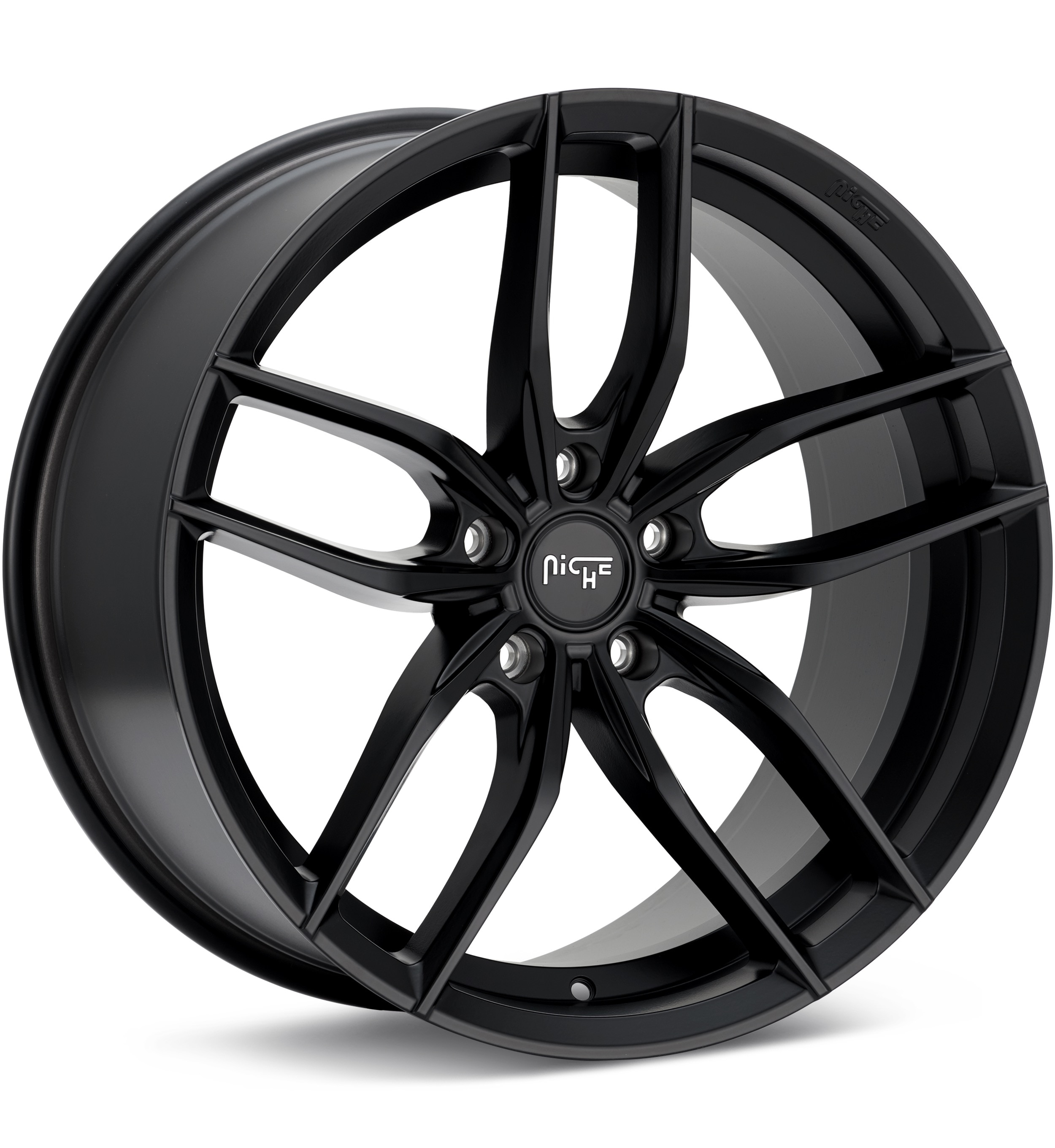
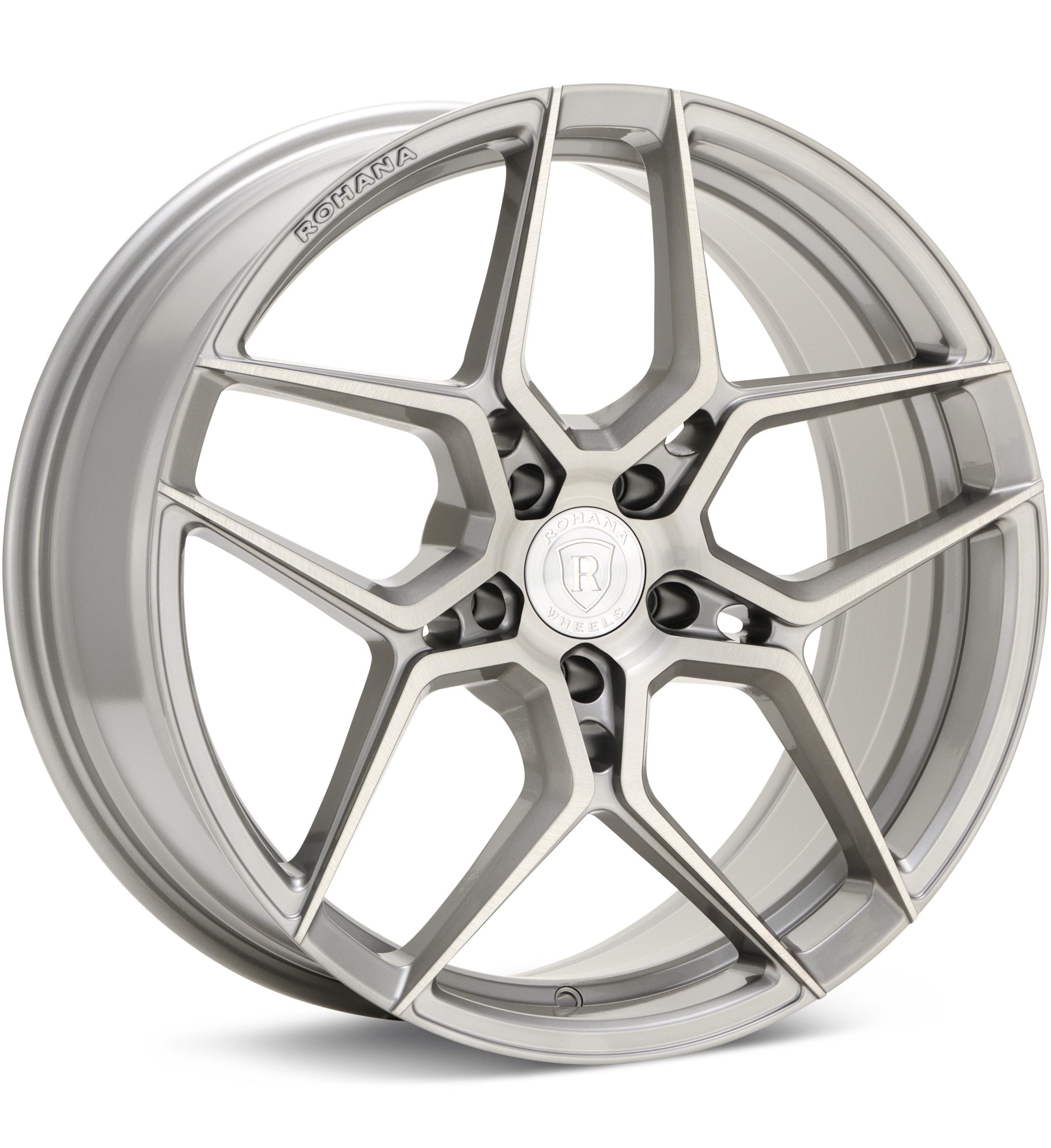
Explore wheels at Tire Rack
Selected size: 19 × 8.5″ · ET +32
Showing matching bolt patterns and offsets up to 20 mm lower. Confirm center bore, load rating, and clearance at Tire Rack.
We may earn a commission when you buy through these links. Prices and availability may change.
Donor vehicles with overlapping OEM specs
These are vehicle-year records whose recorded OEM ranges overlap this 2013 Audi S7. Overlap is not a guarantee that a specific wheel will install. Selected-wheel comparison is in the calculator below.
Evaluated 189 donor years. Listed 24 eligible overlaps (not all evaluated years are compatible). Showing all listed.
Wheel geometryOEM width/offset ranges overlap (not a specific wheel)
Center-bore records disagree (target year-level hub 66.6 mm vs trim range 66.5–66.5 mm; donor year-level hub 66.6 mm vs trim range 66.5–66.5 mm). Unqualified overlap is not claimed until the conflict is resolved.
Dataset suggestionWheel spacer ≈ 13.85 mm – not a verified installation requirement.
A spacer of about 13.85 mm is a dataset suggestion only; clearance is not verified. Estimated outer position is about 13.85 mm farther inward than the mid OEM package.
Dataset suggestionWheel spacer ≈ 15.85 mm – not a verified installation requirement.
A spacer of about 15.85 mm is a dataset suggestion only; clearance is not verified. Estimated outer position is about 15.85 mm farther inward than the mid OEM package.
Audi S7 Years With Compatible Wheels
Only years with evidence-based interchange relationships are listed. Adjacent years are not assumed compatible.
Compare a donor vehicle or custom wheel against this 2013 Audi S7. Use Compare in calculator on a donor row above to fill the donor side of this same calculator.
Compare
Compare wheel compatibility between two vehicles
Wheels from (donor vehicle)
Selected Car:
Custom wheel size (optional)
Tip: change values here to simulate custom wheels and immediately see the impact in the comparison below.
Custom tire size (optional)
Installed on (your vehicle)
Selected Car:
2013 Audi S7
Compare Rims
Specification
Wheels from
Installed on
Result (Click it)
Bolt Pattern
The total number of bolt holes and the diameter of the circle they form.
-
5x112
Center Bore
The hole in the center of the wheel that fits over the vehicle’s hub.
-
66.5 mm
Thread Size
The size and spacing of the threads on the bolts or nuts that hold the wheel in place.
-
M14 x 1.5
Rim Diameter
The wheel diameter in inches that determines which tire sizes will fit.
-
19"
Rim Width
The distance between the inner edges of the wheel is measured in inches.
-
8.5"
Wheel Offset
How far the wheel sits inward or outward relative to the hub mounting surface.
-
32 mm
Backspacing
Shows how much space the wheel takes up toward the inside of the vehicle.
-
-
Wheel Fasteners
The type of hardware used to secure the wheel to the vehicle.
-
-
Compare Tires
Specification
Wheels from
Installed on
Result (Click it)
Section Width
The width of the tire from sidewall to sidewall, measured in millimeters.
-
-
Aspect Ratio
The height of the tire’s sidewall expressed as a percentage of its width.
-
-
Diameter
The wheel diameter for which the tire is designed to fit.
-
-
Tire Pressure
The recommended air pressure for safe and efficient driving.
-
-
Overall Diameter
The total height of the tire and wheel combined affects clearance and speedometer accuracy.
-
-
Wheel Fitment Parts for the 2013 Audi S7
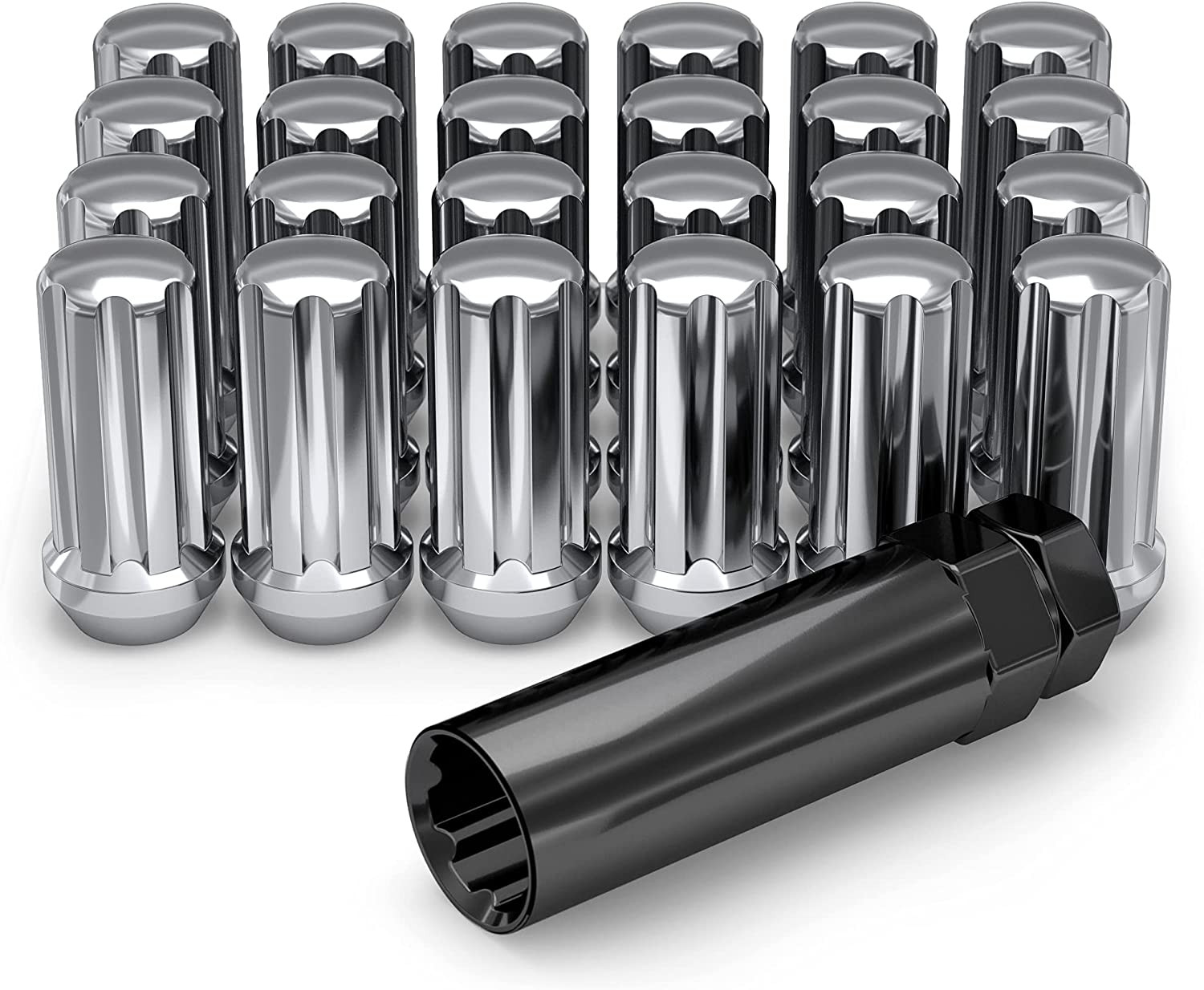
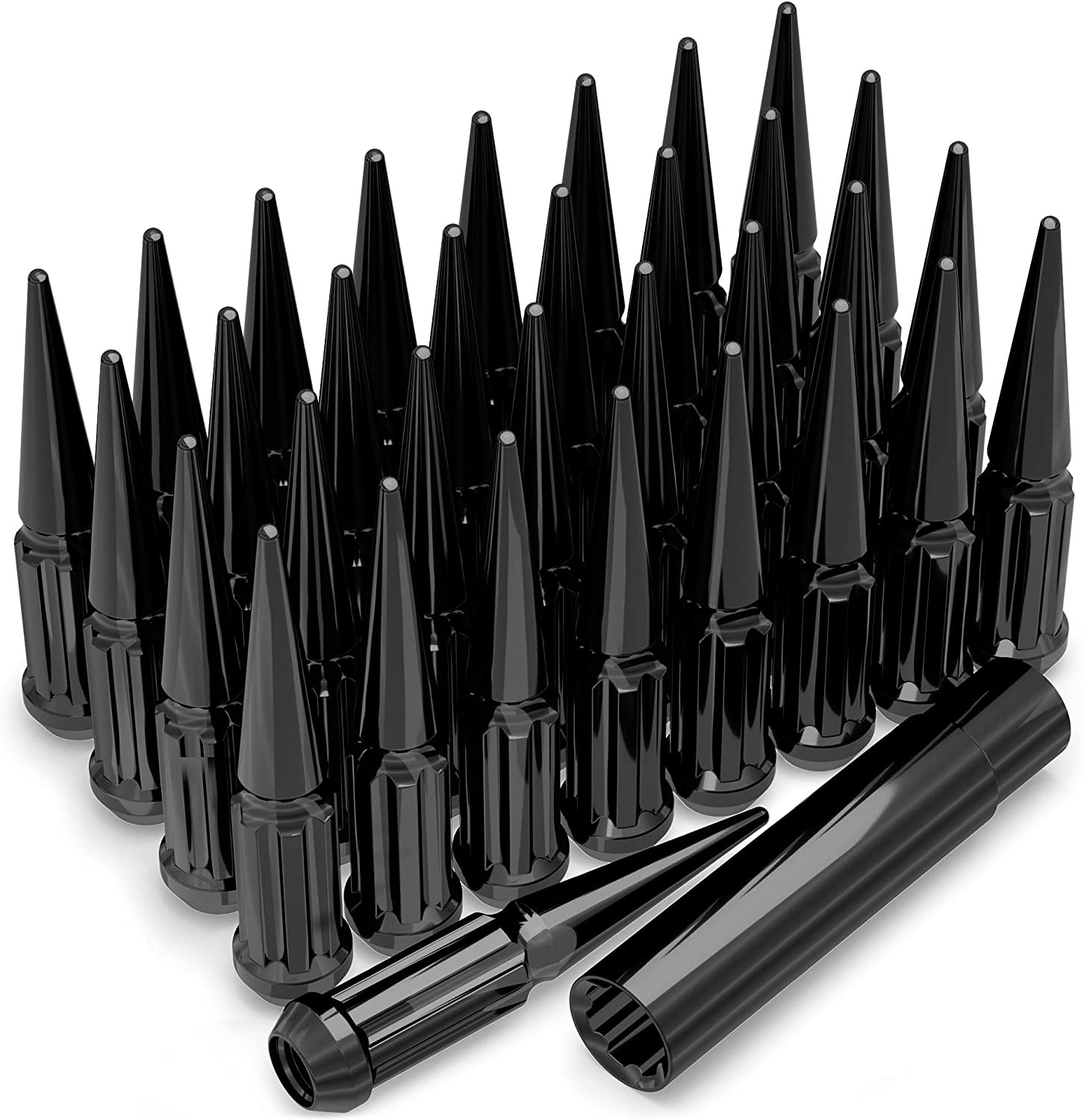
Example products matched to recorded thread, hub, or spacer dimensions. They are not verified fits. Confirm seat style, thickness, and clearance before ordering.
As an Amazon Associate we earn from qualifying purchases. Product availability and pricing may change.
2013 Audi S7 Wheel Fitment Guide
Professional, safety-first fitment advice for DIY owners and technicians. Built around the on-page calculator and OEM references. No guessing.
tl;dr
OEM setup for the 2013 Audi S7: 19x8.5 ET32, 5x112, 66.6 mm center bore, M14x1.5 thread, with 255/40R19 tires. Use the calculator to test any width or offset change before you buy. Keep hub bore 66.6 mm or use proper rings. Verify brake and fender clearance. Torque to the spec in your service manual.
Recommendation
I recommend you start from the known OEM baseline, then iterate in the calculator:
Set “Installed on (your vehicle)” to 2013 Audi S7 using the prefilled OEM numbers below.
Enter potential “Wheels from (donor vehicle)” or use “Custom wheel size.”
Keep tire overall diameter close to OEM to preserve speedometer and ABS behavior. A small change is usually fine; confirm in the calculator.
Watch inner clearance to suspension and outer “poke” to the fender. Aim for a balanced change, not all inboard or all outboard.
Match hub bore to 66.6 mm or use quality hub-centric rings. Keep thread size M14x1.5, and confirm bolt seat type matches the wheel.
Impact
Offset: Lower ET pushes the wheel outward, higher ET pulls it inward. This changes fender and strut clearance and steering feel.
Width: Wider wheels add width half inboard and half outboard unless you adjust offset to compensate.
Tire size: Larger diameter raises the car and alters gearing and speedo. Smaller does the opposite. The calculator visualizes this.
Hub match: A true hub-centric fit (66.6 mm) reduces vibration and load on fasteners.
Brake clearance: Face design and spoke curvature matter as much as specs. Always verify with a test fit or template.
Risks and gotchas
Seat type mismatch: Many OE Audi bolts use a ball seat; many aftermarket wheels use conical seats. Mixing seats damages wheels. Verify before purchase.
Spacers without hardware: If you add spacers, ensure hub-centric fit and use appropriately longer M14x1.5 hardware. Recalculate effective offset in the tool.
Center bore errors: A smaller bore will not fit; a larger bore needs rings to 66.6 mm. Metal rings are more durable than plastic under heat.
Brake caliper clearance: The S7’s brakes are large. Check spoke-to-caliper clearance, not just barrel diameter.
Unknown torque: Do not guess fastener torque. Use the value from your Audi service manual and a calibrated torque wrench.
TPMS and load index: Keep compatible sensors and a tire load index that meets or exceeds OEM. Confirm in the tire specs.
Known OEM fitment for 2013 Audi S7
Bolt pattern (studs x PCD)
5x112
Center bore
66.6 mm
Thread size
M14 x 1.5
Wheel diameter
19 in
Wheel width
8.5 in
Offset (ET)
32 mm
Backspacing
5.51 in
Tire size
255/40R19
Approximate OEM tire diameter: about 27.0 in (calculated from 255/40R19). Use the calculator to confirm and compare against any new size.
How to use the calculator on wheelinterchange.com
Step 1 - Baseline: Select 2013 Audi S7 as “Installed on (your vehicle).” Confirm the prefilled OEM specs match the table above.
Step 2 - Donor or custom: Enter the donor vehicle wheel, or switch to “Custom wheel size” and set rim diameter, width, and offset.
Step 3 - Tires: Set “Custom tire size” or let the tool maintain diameter when you change rim size.
Step 4 - Review changes: Check inner clearance to suspension, outer poke to the fender, and change in tire diameter. Small green or red deltas help you spot issues quickly.
Step 5 - Brake check: If you’re near limits, plan a physical test fit or use a brake template from the wheel maker.
Checklist before you buy
Hub bore equals 66.6 mm, or rings included to 66.6 mm.
M14x1.5 hardware with the correct seat type for your wheel.
Offset and width verified in the calculator for inner and outer clearance.
Tire load index and speed rating meet or exceed OEM.
TPMS compatibility confirmed for your year.
Next actions
Measure your current inner and outer clearances where possible. Note any existing rub points.
Run your target wheel and tire setup through the calculator and set guardrails: keep overall tire diameter close to OEM and avoid negative inner clearance.
Shortlist wheels that are hub-centric to 66.6 mm or accept rings. Confirm seat type and hardware needs.
Plan a test fit. Spin the wheel, check caliper and knuckle clearance, and verify fender clearance under load.
Tighten using your Audi’s specified torque from the owner’s manual or service information. Re-torque after 50–100 miles.
A normal wheel spacer does not change bolt pattern. Hub rings cannot enlarge a wheel bore that is smaller than the hub. Brake clearance and tire package fitment still require vehicle-specific checks when not confirmed in the dataset.