OEM wheel and tire fitment specs for the 2010 Dodge Dakota, including bolt pattern (PCD), center bore diameter, thread size, rim diameter, rim width, wheel offset, and backspacing.
Recorded OEM specifications for the 2010 Dodge Dakota, donor years with overlapping ranges, and a calculator to compare a selected wheel. Range overlap is not a guaranteed fit.
Multiple OEM configurations exist for this vehicle. Fitment can vary by trim, brakes, and factory wheel package – confirm your exact setup before buying.
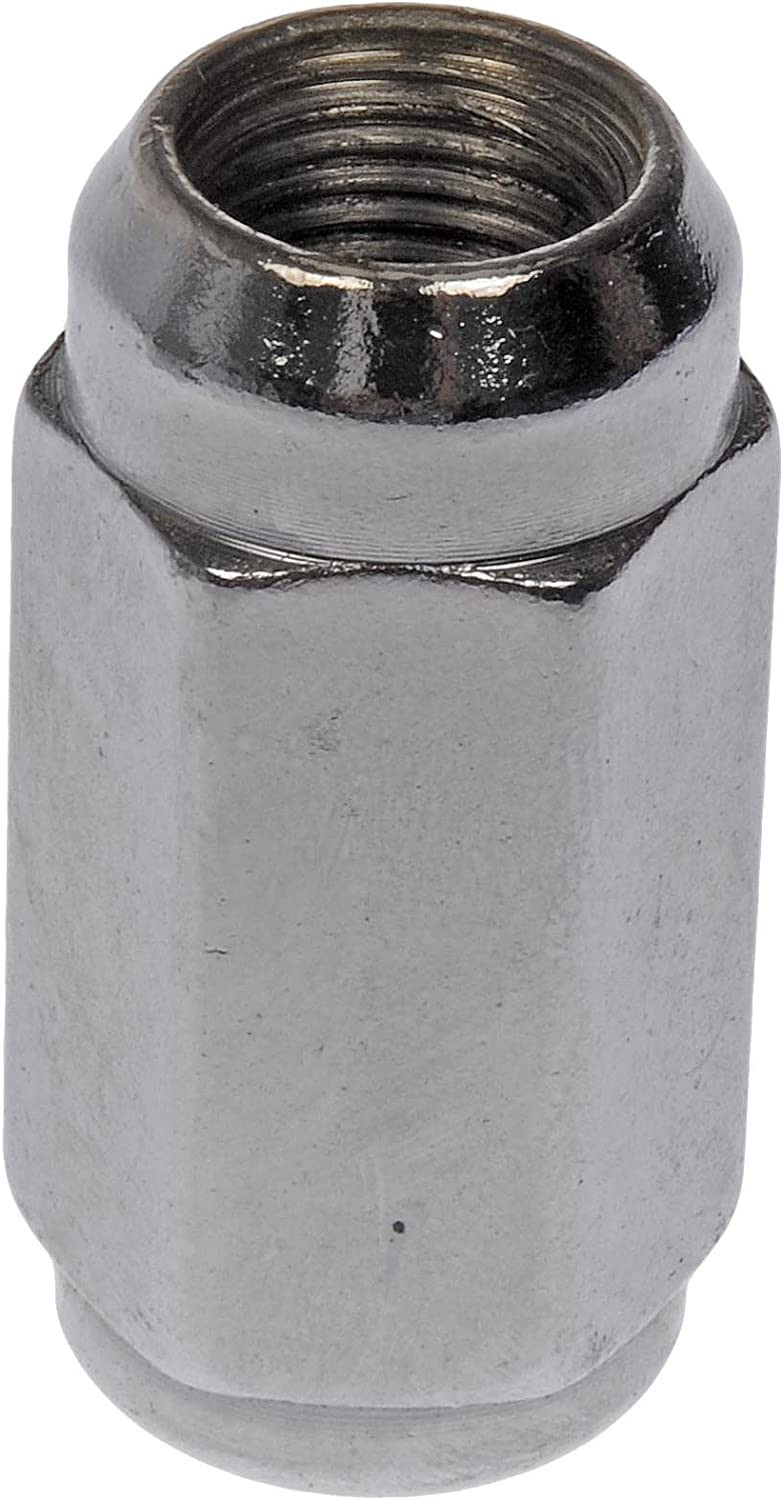
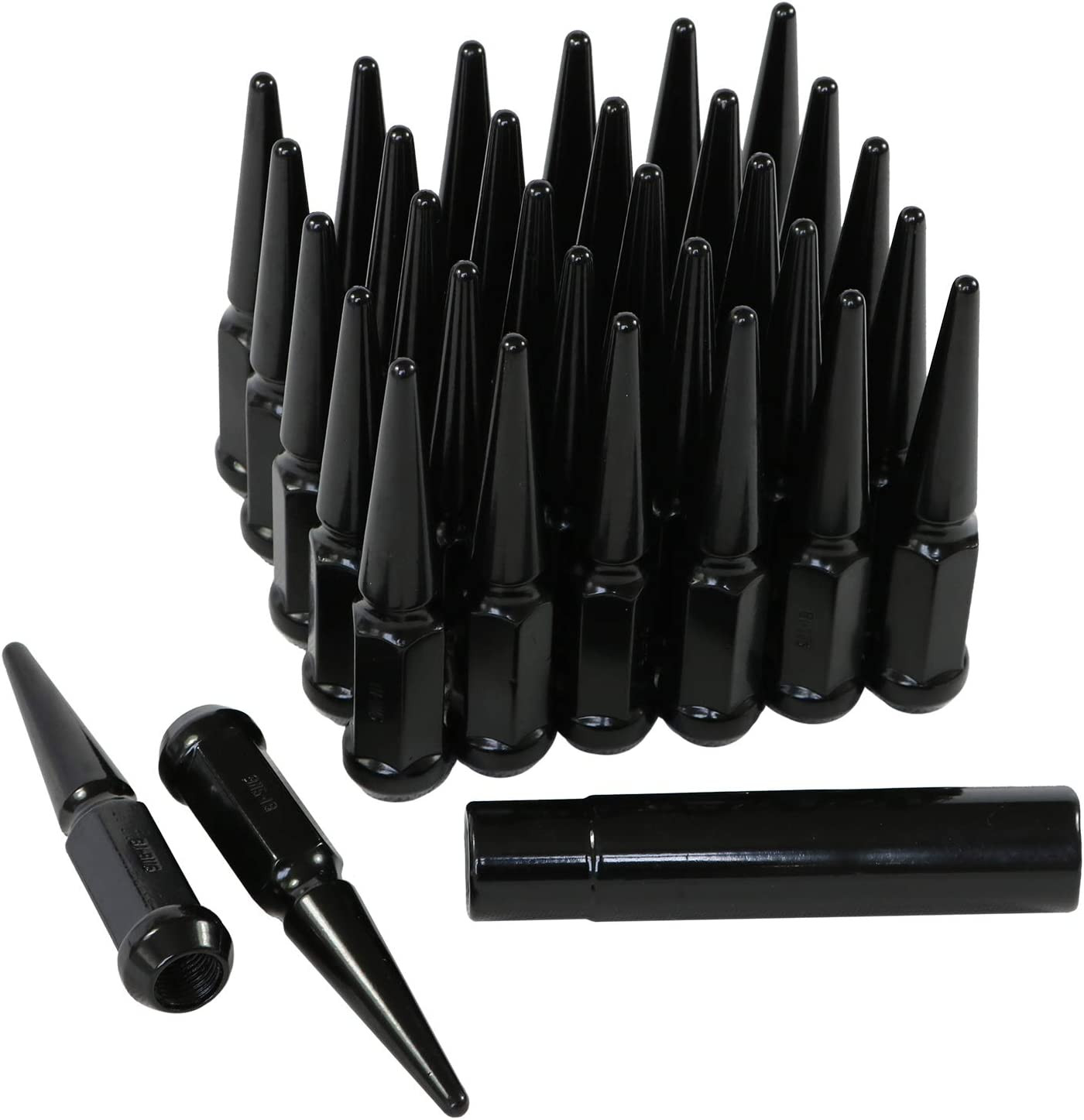
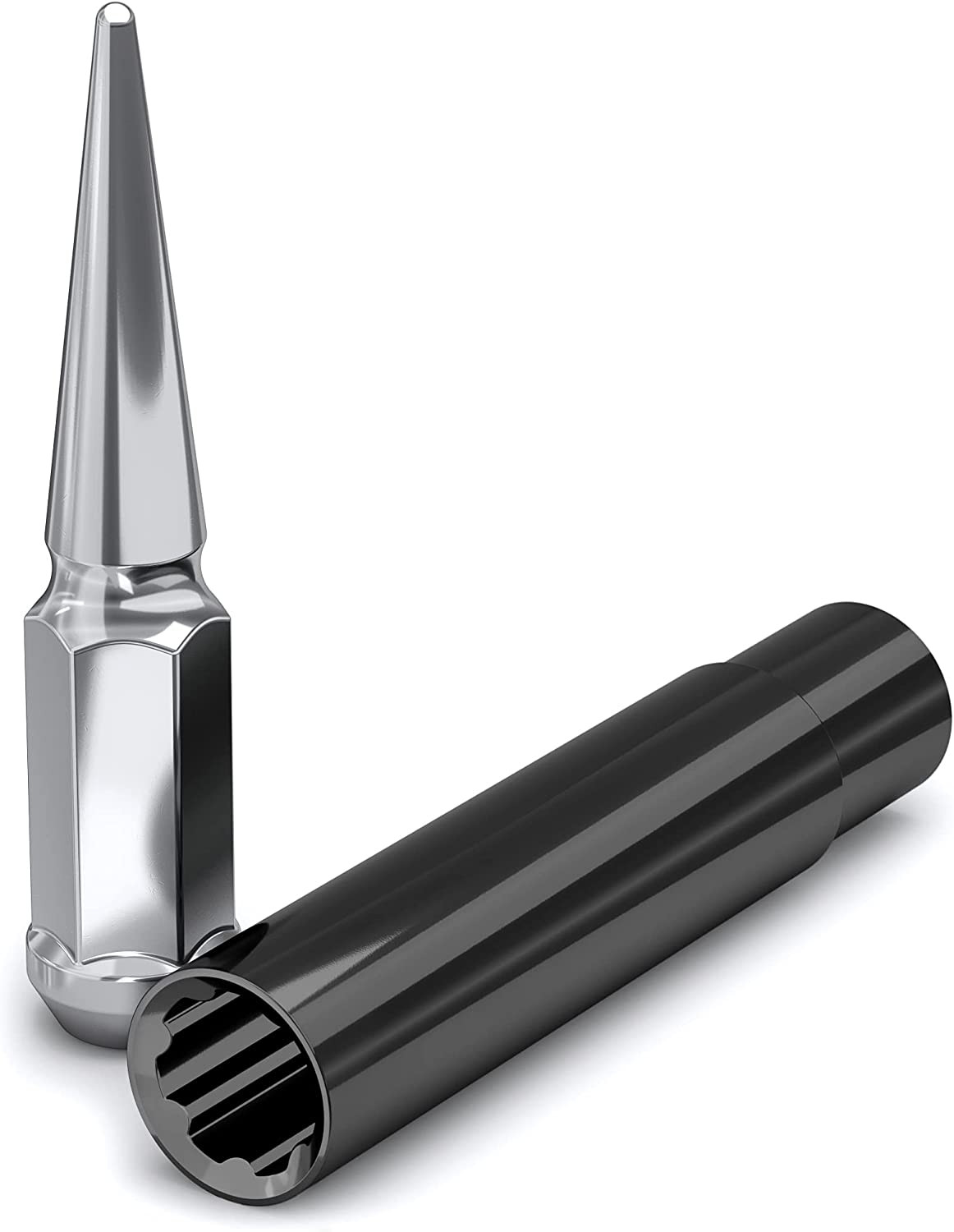
Thread-only product links are shopping examples, not verified fits. Seat style is not confirmed here. As an Amazon Associate we earn from qualifying purchases.
Donor vehicles with overlapping OEM specs
These are vehicle-year records whose recorded OEM ranges overlap this 2010 Dodge Dakota. Overlap is not a guarantee that a specific wheel will install. Selected-wheel comparison is in the calculator below.
Evaluated 24 donor years. Listed 24 eligible overlaps (not all evaluated years are compatible). Showing all listed.
Wheel geometryOEM width/offset ranges overlap (not a specific wheel)
Recorded OEM bolt pattern, center bore, and width/offset ranges overlap. This is not a guarantee that every wheel from the donor year fits this vehicle.
Wheel geometryOEM width/offset ranges overlap (not a specific wheel)
Recorded OEM bolt pattern, center bore, and width/offset ranges overlap. This is not a guarantee that every wheel from the donor year fits this vehicle.
Wheel geometryOEM width/offset ranges overlap (not a specific wheel)
Recorded OEM bolt pattern, center bore, and width/offset ranges overlap. This is not a guarantee that every wheel from the donor year fits this vehicle.
Wheel geometryOEM width/offset ranges overlap (not a specific wheel)
Recorded vehicle-side thread for the 2010 Dodge Dakota is 9/16"-18UNF. This donor year is recorded as 1/2"-20UNF. That is the vehicle stud/nut thread, not an intrinsic thread stamped on the wheel. Hardware must match this vehicle’s studs and the selected wheel’s seat and engagement. Existing hardware may be reusable if it already matches. Seat style is not in this dataset, so products are not a verified fit.
Recorded vehicle-side thread differs (1/2"-20UNF on the donor year vs 9/16"-18UNF on the target vehicle). Hardware must match the target vehicle’s studs and the selected wheel’s seat. Existing hardware may be reusable if it already matches. Seat style is not confirmed in this dataset.
Dodge Dakota Years With Compatible Wheels
Only years with evidence-based interchange relationships are listed. Adjacent years are not assumed compatible.
Compare a donor vehicle or custom wheel against this 2010 Dodge Dakota. Use Compare in calculator on a donor row above to fill the donor side of this same calculator.
Compare
Compare wheel compatibility between two vehicles
Wheels from (donor vehicle)
Selected Car:
Custom wheel size (optional)
Tip: change values here to simulate custom wheels and immediately see the impact in the comparison below.
Custom tire size (optional)
Installed on (your vehicle)
Selected Car:
2010 Dodge Dakota
Compare Rims
Specification
Wheels from
Installed on
Result (Click it)
Bolt Pattern
The total number of bolt holes and the diameter of the circle they form.
-
5x139.7
Center Bore
The hole in the center of the wheel that fits over the vehicle’s hub.
-
77.8 mm
Thread Size
The size and spacing of the threads on the bolts or nuts that hold the wheel in place.
-
9/16" - 18 UNF
Rim Diameter
The wheel diameter in inches that determines which tire sizes will fit.
-
16"
Rim Width
The distance between the inner edges of the wheel is measured in inches.
-
7.0"
Wheel Offset
How far the wheel sits inward or outward relative to the hub mounting surface.
-
25 mm
Backspacing
Shows how much space the wheel takes up toward the inside of the vehicle.
-
-
Wheel Fasteners
The type of hardware used to secure the wheel to the vehicle.
-
-
Compare Tires
Specification
Wheels from
Installed on
Result (Click it)
Section Width
The width of the tire from sidewall to sidewall, measured in millimeters.
-
-
Aspect Ratio
The height of the tire’s sidewall expressed as a percentage of its width.
-
-
Diameter
The wheel diameter for which the tire is designed to fit.
-
-
Tire Pressure
The recommended air pressure for safe and efficient driving.
-
-
Overall Diameter
The total height of the tire and wheel combined affects clearance and speedometer accuracy.
-
-
Wheel Fitment Parts for the 2010 Dodge Dakota
Example products matched to recorded thread, hub, or spacer dimensions. They are not verified fits. Confirm seat style, thickness, and clearance before ordering.
As an Amazon Associate we earn from qualifying purchases. Product availability and pricing may change.
2010 Dodge Dakota Wheel Fitment and Interchange Guide | wheelinterchange.com
Known OEM Fitment For 2010 Dodge Dakota
The values below reflect known factory specifications for at least one 2010 Dodge Dakota configuration. Other trims or special packages may differ. Always verify against your door-jamb tire placard and the owner’s manual before purchasing.
Bolt pattern
5x139.7
Center bore
77.8 mm
Thread size
M14 x 1.5
OEM rim diameter
16 in
OEM rim width
7.0 in
OEM wheel offset
ET 25 mm
OEM backspacing
4.48 in
OEM tire size
245/70R16
If your truck’s placard or manual shows different original sizes, use those as your baseline and compare them in the calculator on this page. Lug nut torque is not listed here and may vary by wheel type. Confirm the correct torque in your owner’s manual or the official Dodge service information.
How To Use The Wheel Interchange Calculator
The on-page calculator lets you safely compare a potential donor wheel and tire to your 2010 Dodge Dakota. It is designed to prevent guesswork and highlight changes that affect clearance and ride.
Set Wheels from to the donor vehicle you are considering.
Set Installed on to 2010 Dodge Dakota. This locks in your OEM baseline.
Optional custom wheel size: Enter a new rim diameter, width, and offset to see how wheel position changes relative to OEM.
Optional custom tire size: Enter section width and aspect ratio. When you change rim diameter, the calculator updates tire diameter in the comparison so you can track speedometer-impact and fender clearance.
Use the results to check for overall tire diameter change. As a general street guideline, try to keep overall diameter change within about 3 percent unless you are re-gearing and recalibrating.
Use the position change outputs to understand inner clearance toward the suspension and outer position toward the fender. If inner clearance shrinks too much, interference with control arms, struts, or sway bars is possible. If outer position grows too much, rubbing on the fender or liner is possible.
The calculator cannot confirm brake caliper spoke clearance. You must visually verify or perform a physical test fit for that.
Fitment Checklist Before You Buy
Bolt pattern must match exactly: 5x139.7.
Center bore must be 77.8 mm or the wheel must have a larger bore and use proper hub-centric rings. Never use a wheel with a smaller bore.
Thread size is M14 x 1.5. Use lug nuts that match both thread and seat type of the wheel. Do not mix seat styles.
Offset and backspacing: Start from OEM ET 25 mm and 4.48 in backspacing. Use the calculator to see how your new specs move the wheel in or out. Avoid large inner clearance losses and excessive poke.
Brake clearance: Spoke and barrel clearance over front calipers must be checked by template or test fit.
Tire diameter: Compare overall diameter to OEM 245/70R16. Large increases can affect speedometer, ABS, and gearing.
Load rating: Wheels and tires must meet or exceed the Dakota’s axle and GVWR needs. Check the load index on tires and the max load on wheels.
TPMS: 2010 trucks may be equipped with TPMS. Make sure sensors are compatible or plan to service or transfer them.
Stud engagement: With M14 x 1.5 hardware, aim for at least 14 mm of thread engagement. Hand start every lug nut to avoid cross-threading.
Legal and fender coverage: Ensure the tire does not protrude past fenders if your local regulations prohibit it.
Plus Sizing And Common Upgrades
Many Dakota owners explore larger wheels or wider tires for appearance or performance. Because actual clearance can vary by trim, suspension condition, and brake package, treat the examples below as process guidance, not guaranteed fitments for your truck.
Plus-one wheel diameter: Use the calculator to compare a larger rim size while selecting a tire with a lower profile so overall diameter stays close to stock. Example approach: increase wheel diameter, then reduce aspect ratio in the calculator until overall diameter change is within about 3 percent.
Wider wheels and tires: Increasing width usually requires offset adjustments. Use the calculator to keep inner clearance similar to OEM and avoid excessive outer poke.
Off-road oriented setups: Taller tires may need more offset and possibly leveling or lift. Evaluate fender liner and pinch weld clearance at full lock and full compression.
Spacers: Only use high-quality hub-centric spacers that maintain M14 x 1.5 hardware and proper hub engagement. Recalculate effective offset in the calculator by subtracting spacer thickness.
Final confirmation steps should include a physical test fit and suspension cycling if you are pushing the limits of width or diameter.
Installation Tips
Preparation: Park on level ground, chock wheels, and use a floor jack and jack stands rated for your vehicle. Never rely on a jack alone.
Hub face: Clean rust and debris from the hub with a wire brush. A clean hub ensures the wheel seats flat and minimizes vibration.
Hub-centric rings: If your new wheel bore is larger than 77.8 mm, install quality rings sized for 77.8 mm hub to your wheel’s bore.
Lug nuts: Match thread and seat type. Start by hand, then snug in a star pattern. Do not lubricate studs or nuts unless the OEM procedure specifies it.
Torque: Tighten in multiple passes in a star pattern to the OEM torque listed in your owner’s manual. Re-torque after 50 to 100 miles.
TPMS: If equipped, install compatible sensors or service kits. Perform any required relearn procedures.
Final checks: Turn lock-to-lock and inspect for rubbing. Drive slowly over bumps to listen for contact. Recheck torque and air pressure the next day.
What is the bolt pattern for the 2010 Dodge Dakota
5x139.7. The replacement wheel must match this exactly.
What is the center bore size
77.8 mm. Wheels with larger bores can be used with proper hub-centric rings. Wheels with smaller bores will not fit.
What offset should I use with aftermarket wheels
The known OEM offset is ET 25 mm. Use the calculator to compare your new wheel width and offset to this baseline. Aim to maintain safe inner clearance to suspension and avoid excessive outer poke. Because trim and brake packages can vary, confirm with a test fit.
Can I run 17 inch or 18 inch wheels
Possibly, but it depends on offset, width, tire size, and brake clearance. Use the calculator to keep overall tire diameter close to stock and verify spoke clearance over the calipers by test fitting.
Will wheels from another vehicle fit my Dakota
Only if the bolt pattern is 5x139.7, the center bore is at least 77.8 mm, the offset and width provide proper clearances, the wheel load rating is adequate, and brake caliper clearance is confirmed. Use the calculator with the donor vehicle specs, then verify physically.
Do I need hub-centric rings
Yes if the aftermarket wheel bore is larger than 77.8 mm. Rings center the wheel on the hub to reduce vibration. Choose rings that match 77.8 mm hub to your wheel’s bore.
What tire size can I use without rubbing
It varies by wheel specs, trim, and suspension condition. Start from the known OEM 245/70R16 and use the calculator to evaluate diameter and position changes. Always perform a lock-to-lock and bump test after installation.
What is the correct lug nut torque
Torque is not listed here and may vary. Refer to the 2010 Dodge Dakota owner’s manual or official Dodge service documentation and use a calibrated torque wrench.
Methodology and sources
Wheel interchange depends on more than bolt pattern. Where data is available, this site compares recorded OEM values:
Bolt pattern / PCD
Center bore direction (donor wheel bore must not be smaller than the hub)
Wheel diameter, width, and offset against known OEM ranges
A normal wheel spacer does not change bolt pattern. Hub rings cannot enlarge a wheel bore that is smaller than the hub. Brake clearance and tire package fitment still require vehicle-specific checks when not confirmed in the dataset.