2004 Dodge Durango Wheel Fitment Guide
This 2004 Dodge Durango wheel fitment reference uses the OEM specifications provided for this page. Fitment can vary by trim, package, brake configuration, wheel design, and replacement parts. Confirm the vehicle information on the door-jamb label, owner’s manual, service information, or the original wheel before ordering.
Known OEM Fitment For 2004 Dodge Durango
The following values are the known reference specifications for the 2004 Dodge Durango:
| Specification |
Known value |
| Bolt pattern, studs x PCD |
5x139.7 |
| Center bore |
77.8 mm |
| Thread size |
M14 x 1.5 |
| Rim diameter |
17 inches |
| Rim width |
7.5 inches |
| Wheel offset |
ET35, or 35 mm |
| Backspacing |
5.13 inches |
| Reference tire size |
245/70R17 |
| Tire section width |
245 mm |
| Tire aspect ratio |
70% |
| Tire rim diameter |
17 inches |
These specifications should be treated as a starting point rather than a substitute for checking your individual vehicle. A wheel must match the bolt pattern, provide suitable center-bore support, clear the brakes and suspension, and use compatible mounting hardware.
How To Use The Wheel Interchange Calculator
Use the calculator to compare a possible donor wheel with your 2004 Dodge Durango. Enter the donor vehicle or donor wheel information in “Wheels from” and enter the Durango information in “Installed on.” Review the differences in rim diameter, rim width, offset, backspacing, center-bore information, and tire dimensions where available.
The calculator also allows you to select “Custom wheel size” and change rim diameter, rim width, or offset. You can enter a custom tire section width and aspect ratio as well. When rim diameter changes, the calculator updates the tire diameter in the comparison, which helps you evaluate whether a replacement tire maintains a similar rolling diameter.
Use the calculator for dimensional comparison, not as a guarantee of clearance or legal compliance. Confirm the result by measuring the vehicle and checking OEM or wheel-manufacturer documentation before purchase.
Fitment Checklist Before You Buy
- Confirm the bolt pattern is 5x139.7 and that the wheel has five correctly positioned mounting holes.
- Confirm the wheel center bore is compatible with the vehicle hub. A smaller bore will not fit over the hub, and a larger bore may require properly specified hub-centric rings.
- Compare the proposed rim diameter, width, offset, and backspacing with the known 17 x 7.5-inch, ET35 reference.
- Check inner clearance to the brake caliper, rotor, suspension components, steering components, and wheel-well liners.
- Check outer clearance at full steering lock and through the suspension travel range.
- Verify that the tire load rating, speed rating, and pressure capability meet or exceed the vehicle and tire manufacturer requirements.
- Confirm the replacement tire has adequate clearance from bodywork and suspension components when the vehicle is loaded.
- Verify lug-nut thread size and seat type. M14 x 1.5 thread size alone does not confirm the correct lug-nut seating profile.
- Make sure the wheel is rated for the vehicle’s axle loads and intended use.
- After installation, recheck torque according to the vehicle or wheel manufacturer instructions and inspect for contact during a cautious test drive.
Plus Sizing And Common Upgrades
Plus sizing generally means using a larger rim diameter with a lower-profile tire while attempting to keep the overall tire diameter close to the original reference. The 2004 Dodge Durango reference tire is 245/70R17, but no alternative tire or wheel size should be assumed compatible without checking the calculator, clearance, load rating, and manufacturer data.
When comparing a larger or wider wheel, use the custom wheel size fields to evaluate changes in rim width and offset. A different offset can move the wheel inward toward suspension components or outward toward the fender. A wider tire can also change clearance even when the wheel diameter remains the same.
Do not select a larger wheel solely for appearance. Confirm brake clearance, tire diameter, load capacity, speed rating, ride-height effects, spare-tire compatibility, and local requirements. If the calculator shows a substantial change from the known reference, have the proposed setup physically checked by a qualified tire or wheel professional.
Installation Tips
Inspect replacement wheels for cracks, bends, corrosion, damaged mounting seats, and missing identification or load-rating information. Clean the hub mounting face and wheel mounting surface so rust or debris does not prevent the wheel from seating flat.
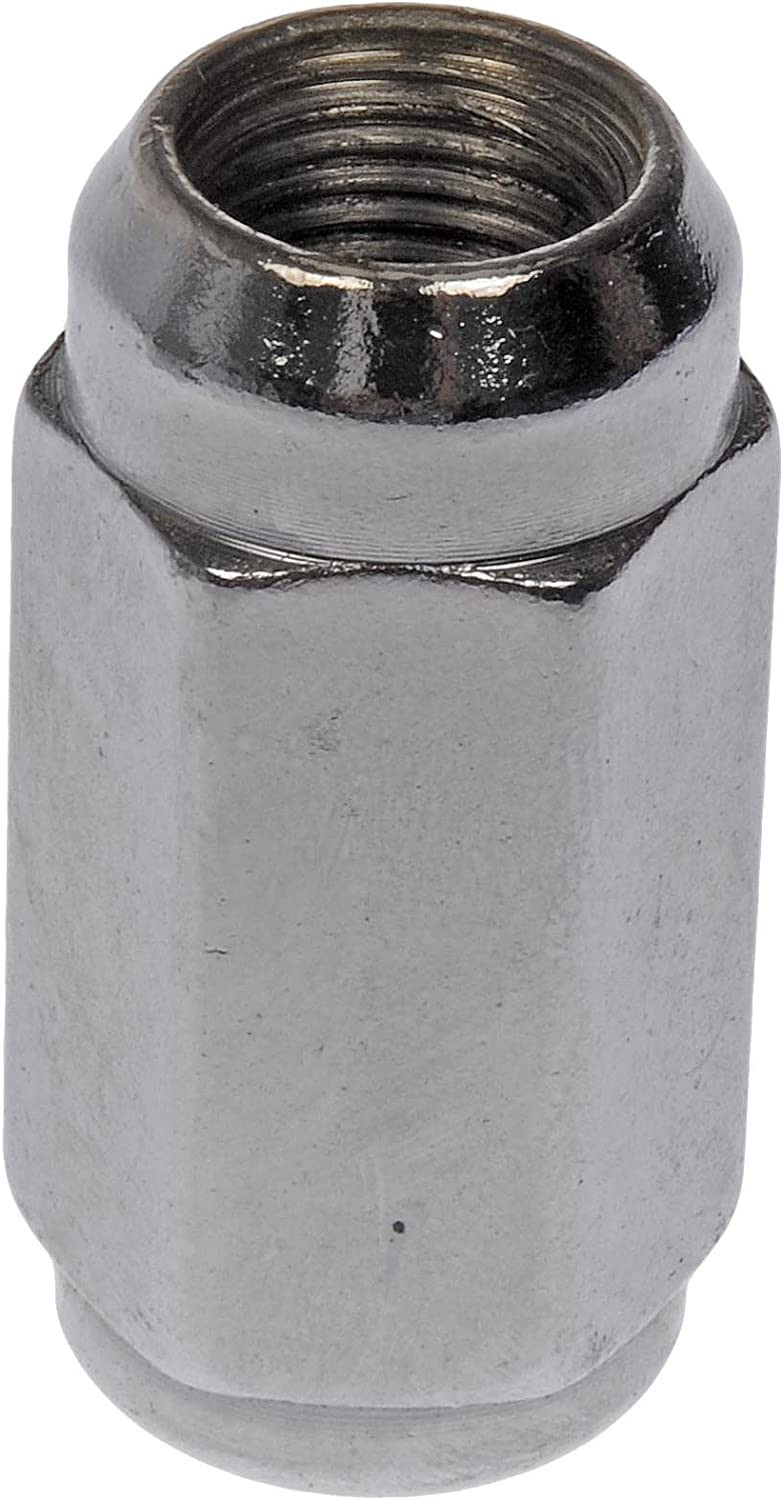
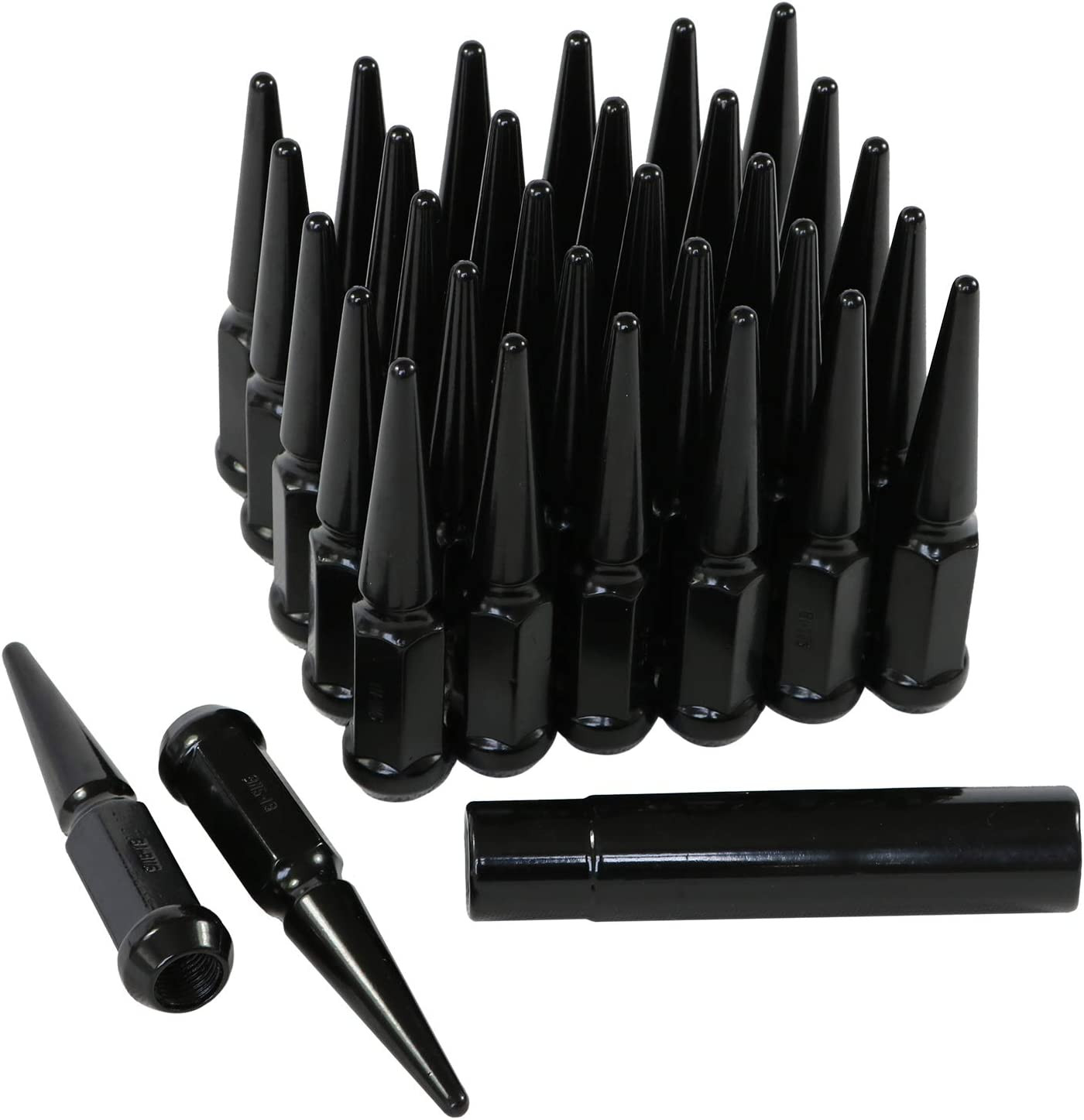
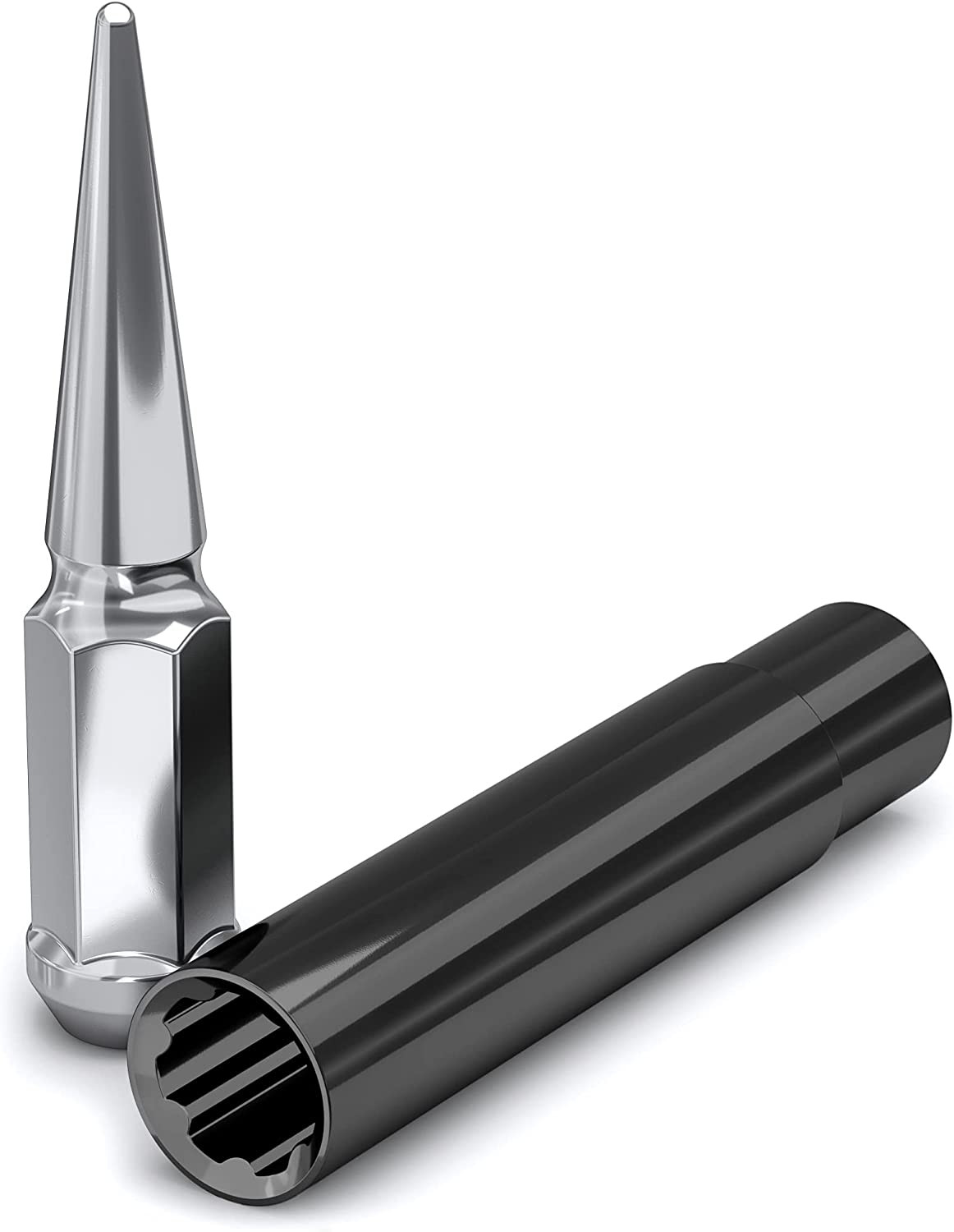
Install only compatible lug nuts with the correct M14 x 1.5 thread and correct seat design for the wheel. Do not use spacers, adapters, or replacement hardware unless the part is specifically rated and confirmed compatible with the vehicle and wheel.
Start all lug nuts by hand to avoid cross-threading. Tighten them in a star or crisscross pattern, then use a calibrated torque wrench to follow the torque specification from the vehicle or wheel manufacturer. Do not guess the torque value.
After installation, confirm that the wheel rotates freely and that there is no contact with the brake assembly, suspension, or body. Recheck lug-nut torque after the initial driving period specified by the vehicle or wheel manufacturer, and inspect for looseness or interference.
Tools And Helpful Supplies
Useful equipment includes a calibrated torque wrench, a correctly sized socket, a jack and jack stands rated for the vehicle, wheel chocks, a tire-pressure gauge, and a tread or clearance inspection light. Use jack stands on a solid, level surface and follow the vehicle manufacturer’s lifting points.
For compatible wheel hardware and service equipment, see these context-specific searches:
Check the wheel manufacturer’s requirements before buying lug nuts, hub-centric rings, or any other hardware. Thread size, seat style, shank length, and wheel design must all be compatible.
FAQs
What is the bolt pattern for a 2004 Dodge Durango?
The known reference bolt pattern is 5x139.7. Confirm the pattern and wheel application for your specific trim before ordering.
What is the center bore on the 2004 Dodge Durango?
The known reference center bore is 77.8 mm. A replacement wheel with a smaller bore will not fit over the hub. A larger bore may need properly specified hub-centric rings, depending on the wheel and application.
What is the standard reference tire size listed for this Durango?
The provided reference tire size is 245/70R17, with a 245 mm section width, 70 percent aspect ratio, and 17-inch rim diameter. Confirm the size on the vehicle’s tire placard and current tire documentation.
Can I install wheels from another vehicle?
Possibly, but the donor wheel must be checked for bolt pattern, center bore, offset, backspacing, width, brake clearance, lug-nut compatibility, and load rating. Use the wheel interchange calculator to compare the donor wheel with the Durango, then physically verify fitment.
Does a different wheel offset affect fitment?
Yes. Offset changes the wheel’s position relative to the hub, suspension, brakes, and fender. Compare the proposed offset with the known ET35 reference and inspect both inner and outer clearance.
Can I use a wider tire on the original wheels?
A wider tire may or may not be suitable for the 7.5-inch reference rim. Check the tire manufacturer’s approved rim-width range, vehicle clearance, load rating, and steering-lock clearance. Do not assume that a wider tire will fit safely.
Will the calculator guarantee that a wheel fits?
No. The calculator compares the entered dimensions and updates tire diameter when rim diameter changes, but it cannot replace a physical clearance check or manufacturer confirmation. Brake, suspension, body, hardware, load, and legal requirements must also be verified.
What should I verify if my Durango has a different trim or replacement parts?
Verify the wheel and tire information on the vehicle, inspect the current wheel markings, and consult OEM service information or a qualified wheel professional. Do not rely on a year-only match when trim, brake, suspension, or replacement-hub differences may affect fitment.