2007 Dodge Durango Wheel Fitment Guide
Known OEM Fitment For 2007 Dodge Durango
The figures below reflect OEM specifications available for the 2007 Dodge Durango. If your trim differs or you suspect an option package, verify against your owner’s manual, the door-jamb tire sticker, and by using the on-page calculator to compare measurements before purchasing wheels or tires.
| Bolt pattern (studs x PCD) | 5x139.7 mm (also referred to as 5x5.5 in) |
| Center bore | 77.8 mm |
| Thread size | M14 x 1.5 |
| OEM rim diameter | 17 in |
| OEM rim width | 7.5 in |
| OEM wheel offset (ET) | 35 mm |
| OEM backspacing | 5.13 in |
| OEM tire size | 245/70R17 |
| Approx. OEM tire diameter | about 30.5 in (775 mm) |
If any values on your vehicle differ, use them as your baseline in the calculator to model changes accurately.
How To Use The Wheel Interchange Calculator
The calculator lets you compare a “donor vehicle” setup to what will be “installed on” your 2007 Durango. It also supports custom wheel and tire sizes so you can test changes safely before buying.
- Start with accuracy. In the Installed On panel, enter the Durango’s stock setup: 17x7.5, ET 35, 245/70R17. If your trim differs, enter your actual OEM specifications instead.
- Set the Donor or Custom Wheel. Try a prospective rim size (diameter, width, offset). The tool will show inner clearance changes to suspension/brakes and how far the wheel pokes outward.
- Adjust tire size next. When you change rim diameter, add a matching tire size in the Custom Tire Size fields. Aim to keep overall tire diameter close to the OEM ~30.5 in to protect ABS, gearing, and speedometer accuracy.
- Watch key readings. Inner clearance becoming smaller risks rubbing the strut, knuckle, or caliper. Outer position moving too far out risks fender/liner contact. Track width changes are also summarized.
- Iterate until green. Nudge width and offset in small steps, then choose a tire aspect ratio that restores overall diameter. Confirm brake clearance and fender room on the vehicle before final purchase.
Fitment Checklist Before You Buy
Use this checklist alongside the calculator to prevent rubbing and vibration issues:
- Hub bore: The Durango hub is 77.8 mm. Aftermarket wheels with a larger bore should use hub-centric rings sized to 77.8 mm inner diameter to keep the assembly centered.
- Bolt pattern: 5x139.7 mm. Do not attempt to “make fit” any other pattern.
- Offset and backspacing: Compare to the OEM ET 35 and backspacing 5.13 in. Large offset changes can reduce inner clearance or cause poke.
- Brake and suspension clearance: Physically measure the inboard room to the strut, spring perch, knuckle, and brake caliper. Spoke shape matters for caliper clearance.
- Tire diameter: Keep overall diameter close to the OEM ~30.5 in. Many installers target within about 3 percent to keep systems happy; verify with the calculator.
- Load rating: Wheels and tires must meet or exceed the Durango’s axle and GVWR requirements.
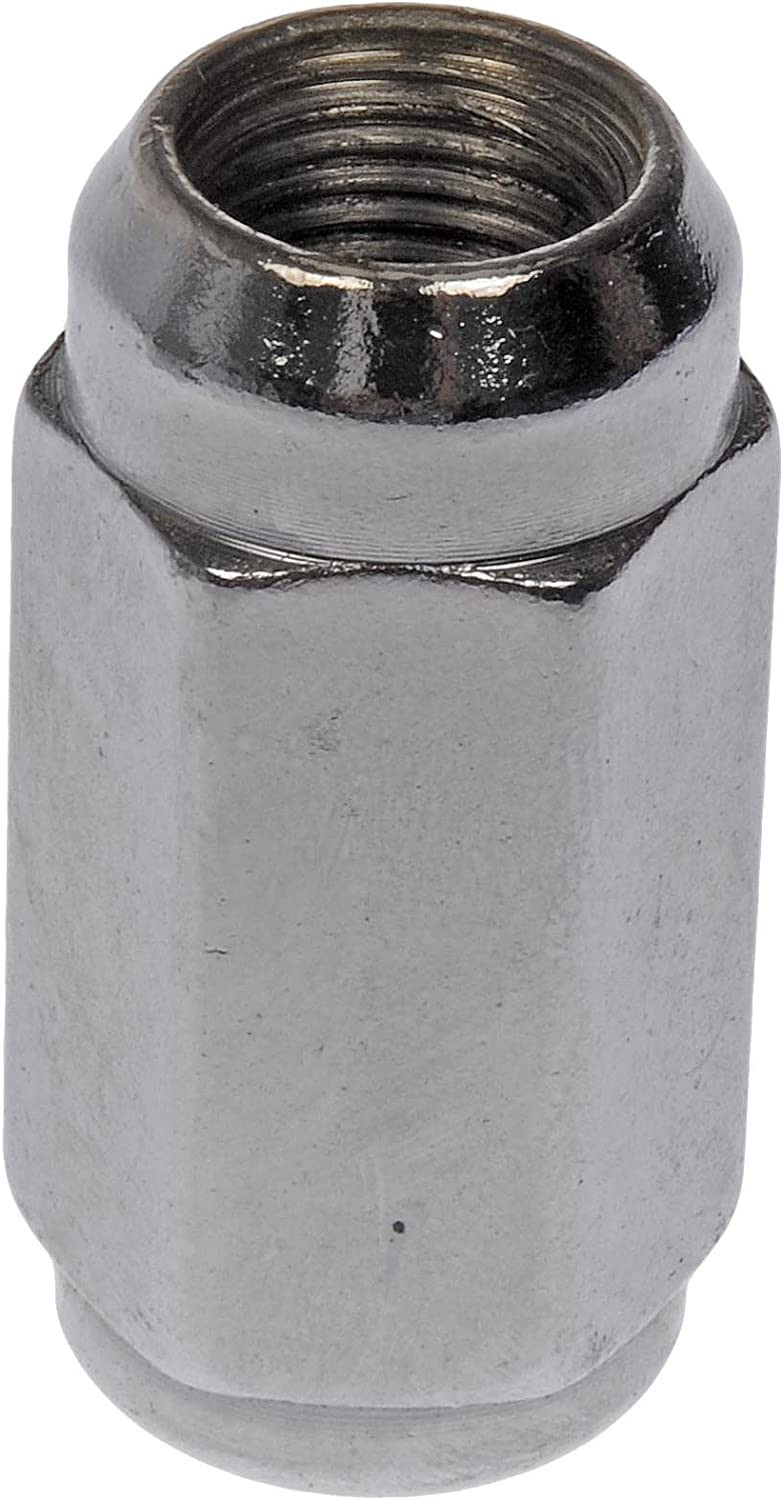
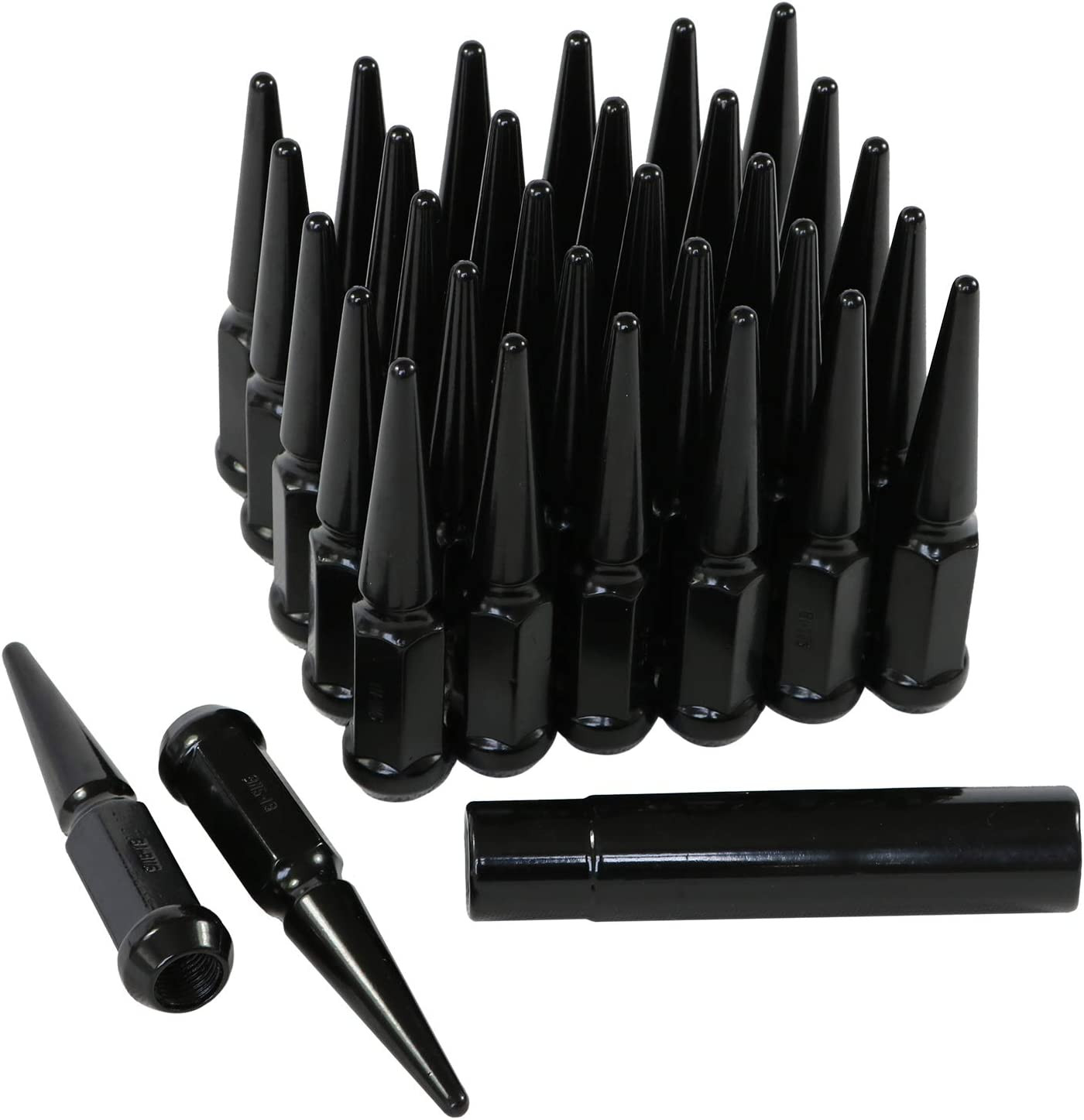
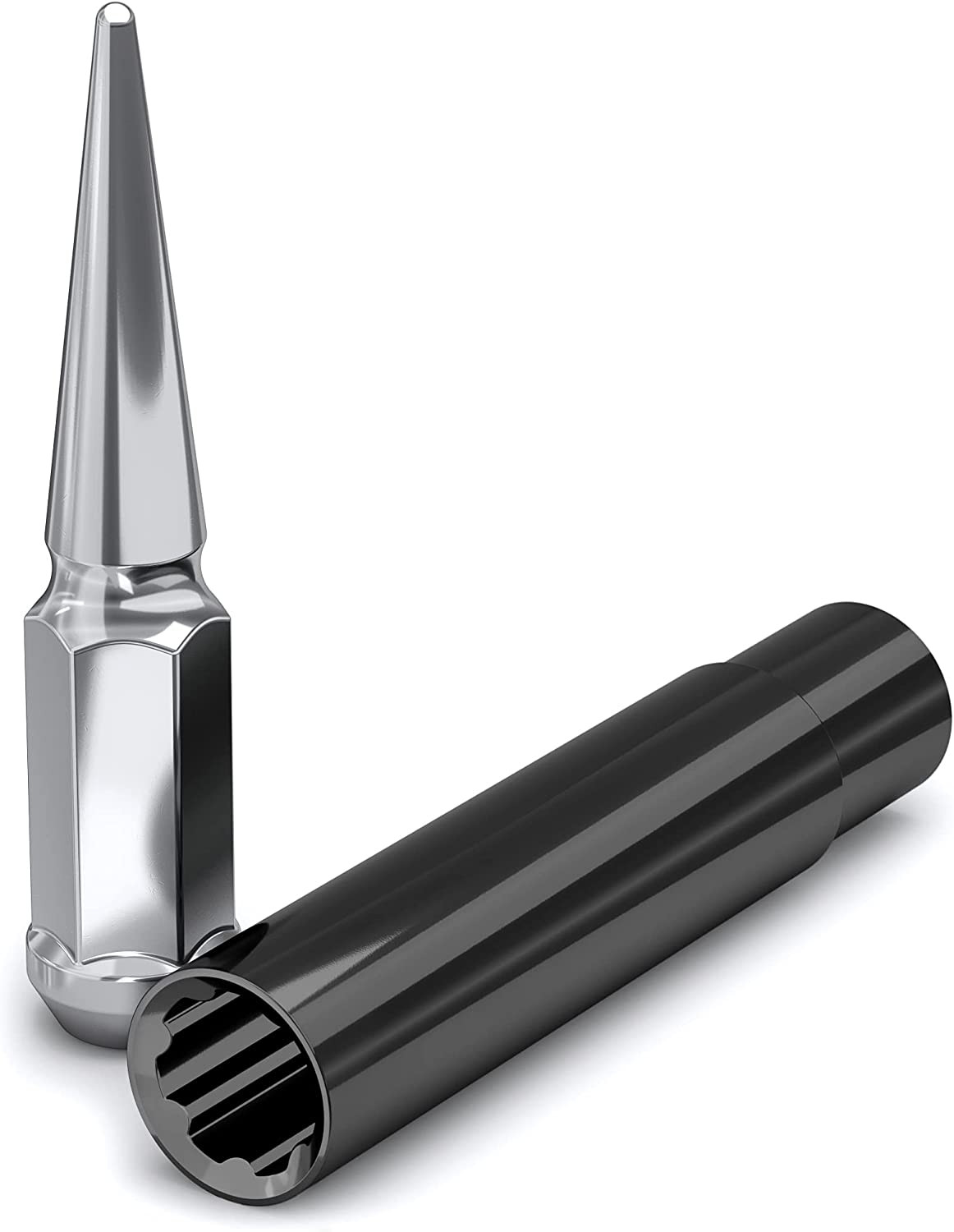
- Lug hardware: Thread is M14x1.5. Seat type (conical, mag, ball) must match the wheel’s design. Verify required shank or seat before ordering lugs.
- Thread engagement: Aim for at least lug-nut engagement roughly equal to the stud diameter. For 1.5 mm pitch, that typically means many full turns; confirm visually that threads are fully engaged.
- TPMS: If equipped, plan for sensor transfer or compatible replacements and relearn procedures.
- Tire width vs. wheel width: Confirm the tire manufacturer’s approved rim width range for the size you select.
Plus Sizing And Common Upgrades
Plus sizing changes wheel diameter and tire profile while maintaining similar overall tire diameter. For example, moving from a 17 in wheel to a larger diameter generally requires a lower-profile tire to keep the total diameter near the OEM ~30.5 in. Use the calculator to try plus-one or plus-two options, then fine-tune tire aspect ratio until the overall diameter aligns with stock. Re-check inner and outer clearances after each change, since width and offset can move the wheel relative to suspension components and fenders. If you plan off-road or winter setups, you may prefer a taller-sidewall tire on a smaller or same-size wheel; again, verify overall diameter, brake clearance, and fender room with the tool.
Installation Tips
Test-fit every wheel without a tire first to confirm hub fit, caliper clearance, and stud protrusion. Clean the hub face and the wheel mounting pad until bare metal for proper seating; remove rust scale and old anti-seize. If your wheels require hub-centric rings, install them fully seated in the wheel bore. Install lug nuts by hand to ensure smooth thread engagement on the M14x1.5 studs and to avoid cross-threading. Tighten in a star pattern in several stages using a calibrated torque wrench, following the torque value in your owner’s manual or OEM service documentation. Do not lubricate studs or seats unless the OEM procedure explicitly instructs it. After 50 to 100 miles, recheck torque on all lugs. Verify that the wheel turns freely lock-to-lock and over suspension travel; inspect for any signs of contact after a short road test. If TPMS is present, perform the relearn procedure and confirm no warning lights remain.
Tools And Helpful Supplies
FAQs
What is the bolt pattern on the 2007 Dodge Durango?
It is 5x139.7 mm. This is the same as 5x5.5 inches.
What is the center bore size?
77.8 mm. If an aftermarket wheel’s bore is larger, use hub-centric rings with a 77.8 mm inner diameter to avoid vibration.
What lug nuts does it use?
Thread size is M14x1.5. The seat type depends on the wheel design; always match the wheel’s required seat (conical, mag, or ball).
Will different offsets fit my Durango?
Offset needs to be evaluated against your specific brake and fender clearances. Start from the OEM ET 35 in the calculator and simulate your target wheel. Reducing ET pushes the wheel outward; increasing ET pulls it inward. Verify inner clearance to struts/calipers and outer poke to fenders before buying.
What overall tire diameter should I target when changing wheel size?
The OEM 245/70R17 is about 30.5 in in diameter. Use the calculator to select a tire size on your new wheel that keeps overall diameter close to this value to maintain speedometer accuracy and drivability.
Do I need TPMS sensors on new wheels?
If your Durango is equipped with TPMS, you’ll need to transfer sensors or install compatible replacements and perform a relearn. If uncertain, check your instrument cluster for a TPMS icon and inspect the current valve stems.
What torque should I use on the lug nuts?
Torque values can vary. Use the specification in the 2007 Dodge Durango owner’s manual or OEM service information, and tighten in a star pattern with a calibrated torque wrench.
Can I use wheel spacers?
Only if necessary and done correctly. Spacers must be hub-centric to 77.8 mm, maintain full hub engagement, and provide proper thread engagement with extended studs or appropriate hardware as required. Recheck torque frequently. Verify legality and warranty implications.