2018 Dodge Grand Caravan Wheel Fitment Guide
Known OEM Fitment For 2018 Dodge Grand Caravan
The specifications below reflect the provided OEM data for the 2018 Dodge Grand Caravan. Trims and regional packages can differ. If any value on your vehicle does not match, confirm using the on-page calculator and your owner’s manual or OEM parts sources before purchasing wheels or tires.
| Bolt pattern (studs x PCD) | 5x127 (often listed as 5x5) |
| Center bore (mm) | 71.6 |
| Thread size | M12 x 1.5 |
| Rim diameter (in) | 17 |
| Rim width (in) | 7.5 |
| Wheel offset (ET, mm) | 38 |
| Backspacing (in) | 5.25 |
| Tire size | 225/65R17 |
Notes:
- Wheel offset ET 38 means the mounting pad sits 38 mm toward the outside from the wheel centerline.
- Backspacing can vary by manufacturer and measuring method. Measure any existing or donor wheel directly if clearance is tight.
- If your trim level or package came with a different wheel or tire, verify by VIN or OEM documentation.
How To Use The Wheel Interchange Calculator
The calculator on wheelinterchange.com lets you compare a donor vehicle’s wheels to your 2018 Grand Caravan and test custom sizes. This helps you predict clearance, speedometer change, and fitment risks.
- Start by selecting Wheels from (donor vehicle). This is the source wheel and tire you are considering.
- Set Installed on (your vehicle) to 2018 Dodge Grand Caravan.
- Enter a Custom wheel size if you want to try a different rim diameter, width, or offset. Adjusting offset shows how inner and outer clearances change.
- Enter a Custom tire size by section width and aspect ratio to see the resulting overall tire diameter. When you change rim diameter, the calculator updates the tire diameter in the comparison.
- Review inner clearance to the strut, spring perch, and brake components, and outer poke relative to fenders and sliding door tracks.
- Aim to keep overall tire diameter close to stock unless you have verified clearance and speedometer impact. Always test fit before final mounting.
Fitment Checklist Before You Buy
- Bolt pattern: The wheel must be 5x127. Many listings show 5x5 which is the same pattern.
- Center bore: The hub is 71.6 mm. Aftermarket wheels with a larger bore should use hub-centric rings to 71.6 mm. Wheels with a smaller bore will not fit.
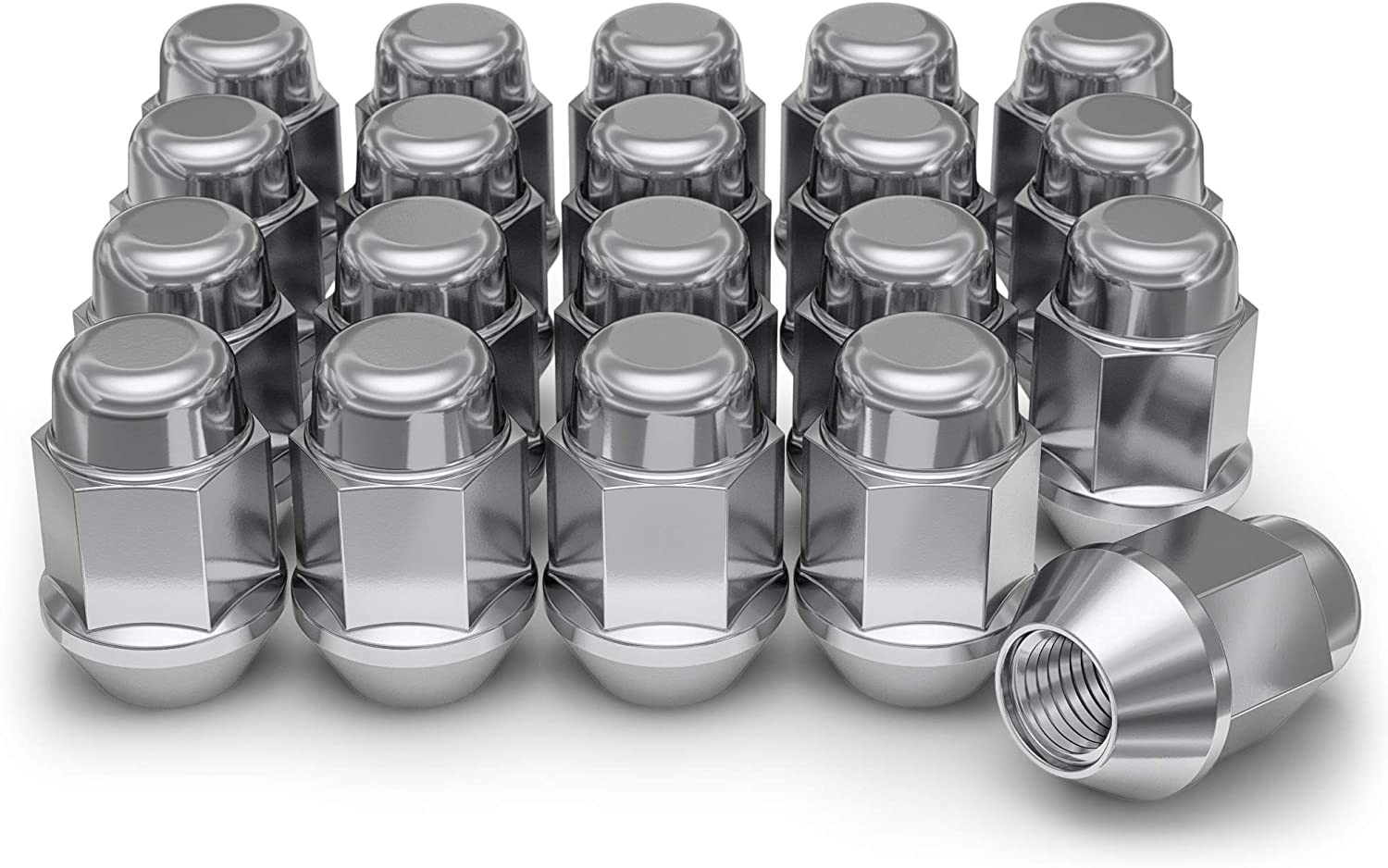
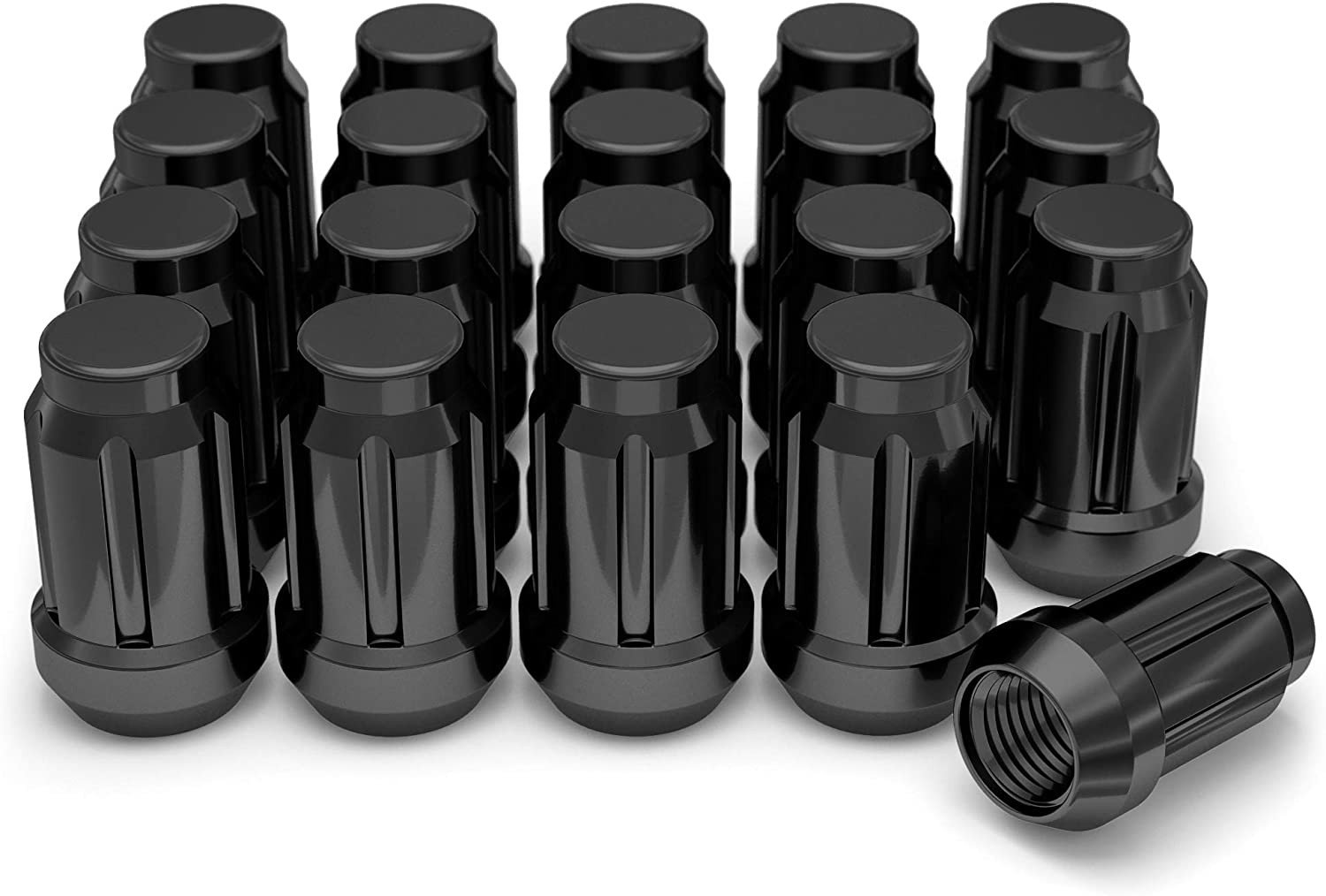
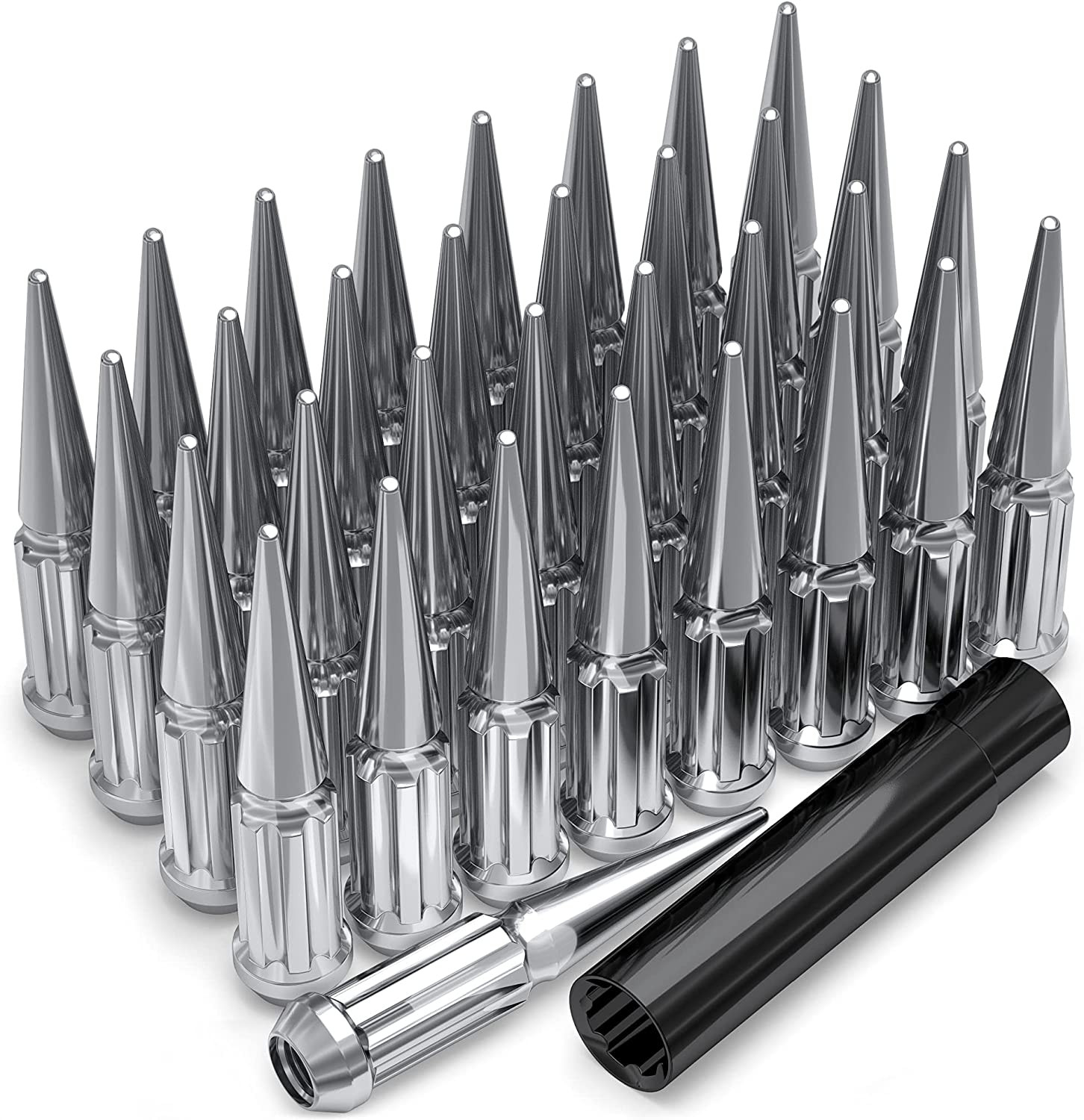
- Thread and seat: Studs are M12 x 1.5. Confirm the lug nut seat type matches the wheel (commonly 60-degree cone on aftermarket wheels, but verify). Do not mix seat types.
- Offset and backspacing: Compare ET 38 and the provided backspacing to ensure inner clearance to struts and brake calipers and outer clearance to fenders and sliding doors.
- Brake caliper clearance: Spoke design matters. Some designs contact calipers even if width and offset look OK. Always test fit a bare wheel first.
- Tire diameter and width: Use the calculator to keep overall diameter close to stock and to check for rubbing at full lock and over bumps.
- TPMS: Plan to transfer OEM sensors or use compatible replacements. Confirm frequency and protocol by VIN or OEM parts catalog.
- Load and speed rating: Tires must meet or exceed OEM load and speed ratings printed on the door jamb label.
- Spacers and adapters: If required for clearance, use high-quality hub-centric parts that match 71.6 mm hub and correct bolt pattern. Longer wheel studs or appropriate lug bolts may be required. Verify local regulations.
Plus Sizing And Common Upgrades
Many owners consider larger diameter wheels for appearance. Plus sizing changes overall tire diameter, inner clearance, and ride quality. There is no single best upgrade for all trims. Use the calculator to:
- Trial a larger rim diameter and then select a tire aspect ratio that keeps overall diameter near stock to help maintain speedometer accuracy and ABS behavior.
- Watch inner clearance to the strut and spring perch as width and offset change. A wider wheel with the same offset will sit closer inside and further outside.
- Check that tire section width does not contact fender liners or sliding door tracks when loaded or at steering lock.
If any dimension is unknown for your specific trim, verify with your owner’s manual, the under-hood or door-jamb tire placard, and OEM parts diagrams. Always test fit one corner before mounting tires.
Installation Tips
- Work on a level surface. Chock wheels and use a proper floor jack and jack stands at the factory lift points. See the owner’s manual for jack locations.
- Clean the hub face and the back of the wheel to remove rust and debris. A clean, flat mating surface prevents vibration.
- If using hub-centric rings, seat them fully in the wheel bore before mounting.
- Hand start all lug nuts and snug in a star pattern to center the wheel. Tighten to the factory torque specification using a calibrated torque wrench. Consult the owner’s manual for the torque value.
- Re-torque after 50 to 100 miles of driving.
- Set tire pressures to the values on the door-jamb label, not the sidewall max.
- If TPMS light is on after installation, perform the relearn or programming procedure specified for your sensors and model year.
Tools And Helpful Supplies
FAQs
What is the bolt pattern for the 2018 Grand Caravan?
It is 5x127, which is often listed as 5x5 in inches.
Can I install 18 inch wheels?
Possibly, if the wheel width, offset, and tire size maintain safe clearances and overall diameter. Use the calculator to compare against stock and test fit before mounting.
Do I need hub-centric rings with aftermarket wheels?
If the wheel’s center bore is larger than 71.6 mm, use rings to 71.6 mm for proper centering. Wheels with a smaller bore will not fit the hub.
Will my factory lug nuts work on new wheels?
Only if the thread (M12 x 1.5) and the lug seat type match the new wheels. Confirm the seat profile with the wheel supplier.
What lug nut torque should I use?
Use the factory torque specification from the owner’s manual or OEM service information. Do not guess. Tighten with a torque wrench in a star pattern.
Can I use wheel spacers?
Use only high-quality hub-centric spacers that match the 71.6 mm hub and 5x127 pattern. Spacers may require longer studs or appropriate hardware. Check local regulations and re-torque regularly.
Why does the calculator change tire diameter when I change rim diameter?
The tool recalculates the resulting overall tire diameter so you can see how size changes affect clearance and speedometer error. Adjust tire aspect ratio and width to keep diameter near stock.
Will snow chains fit with larger wheels or tires?
Chain clearance can be limited. Check the owner’s manual for chain guidance and use the calculator to verify inner clearance. Test fit chains carefully on the intended size before driving.