2013 Dodge Grand Caravan Wheel Fitment Guide
Known OEM Fitment For 2013 Dodge Grand Caravan
This page lists the factory wheel and tire data we have for the 2013 Dodge Grand Caravan. Some trims and option packages can differ. If a value is not shown for your exact configuration, use the on-page calculator and confirm against the driver door placard and the owner’s manual before you buy.
| Bolt pattern | 5x127 |
| Center bore | 71.6 mm |
| Thread size | M12 x 1.5 |
| Rim diameter | 17 in |
| Rim width | 7.5 in |
| Wheel offset | ET 38 mm |
| Backspacing | 5.25 in |
| Tire size | 225/65R16 |
Note: The entries above show a 17 inch wheel size and a 16 inch tire size. That means multiple OEM wheel and tire packages existed for this model year. Your van may have come with 16 inch wheels or 17 inch wheels. Verify your exact original size on the driver door placard and compare with the calculator. Do not mount a 16 inch tire on a 17 inch rim or vice versa.
If your placard differs from the table, treat your placard as the starting point for comparisons, then use the calculator to evaluate any change in wheel width, offset, or tire size.
How To Use The Wheel Interchange Calculator
- Set “Installed on” to your vehicle. Enter the factory wheel and tire sizes from your door placard or the table above.
- Set “Wheels from” to the donor vehicle or enter a “Custom wheel size” with rim diameter, width, and offset, plus a “Custom tire size.”
- Review the comparison. The tool shows inner clearance to the strut and brakes, outer poke toward the fender, ride height change, and speedometer impact.
- Adjust offset and width until inner clearance stays safe and outer poke does not contact the fender or sliding door track area in the rear.
- Changing rim diameter in the custom wheel section automatically updates tire diameter in the comparison. Use this to keep overall tire diameter close to stock for proper gearing and speedometer accuracy.
- When in doubt, test fit a single wheel on both front and rear hubs and rotate the suspension through full lock and full compression before mounting tires.
Fitment Checklist Before You Buy
- Bolt pattern must match: 5x127, also called 5x5 in inch terms.
- Center bore: the vehicle hub is 71.6 mm. Use hub centric wheels, or hub centric rings sized 71.6 mm inner to your wheel’s center bore outer size.
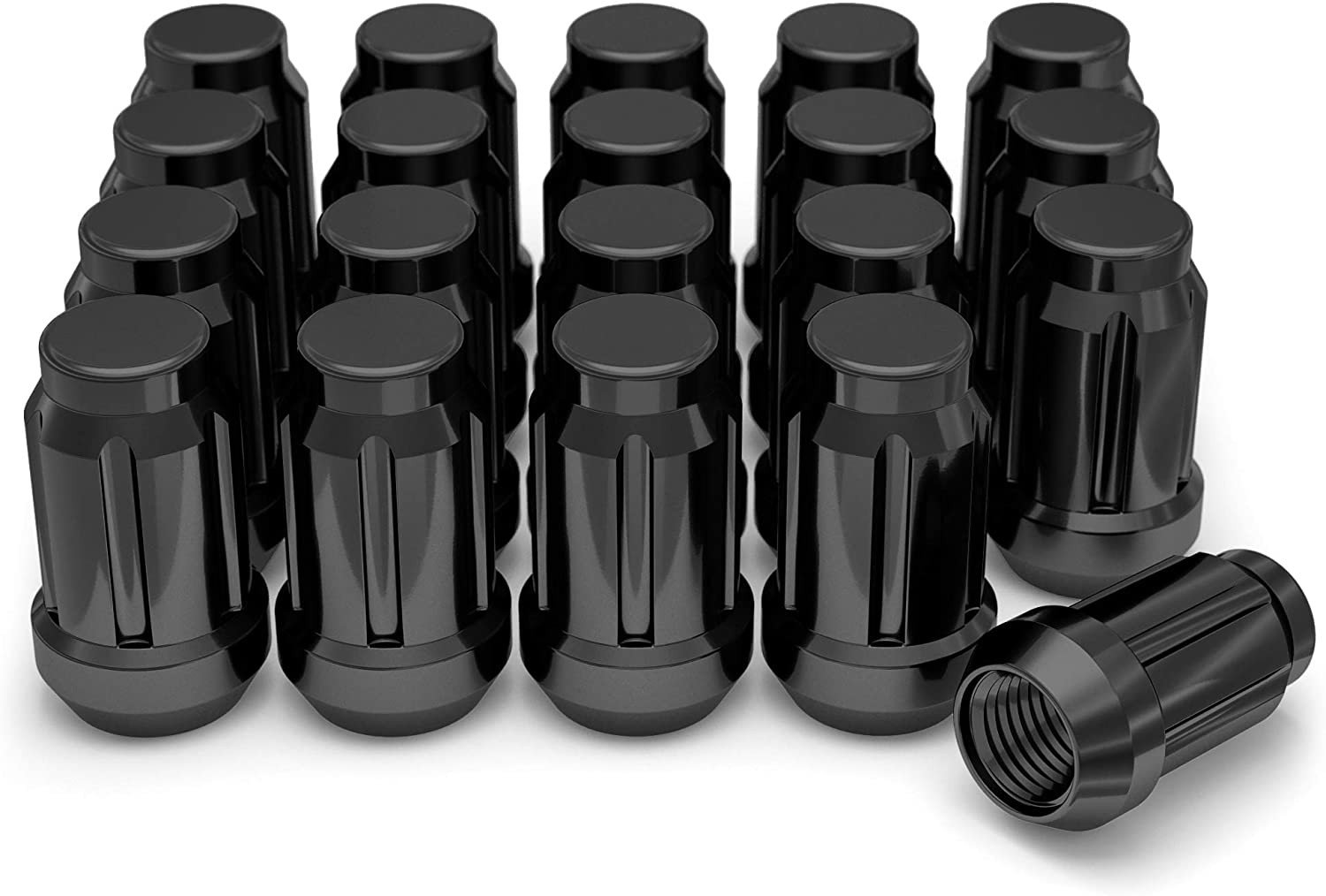
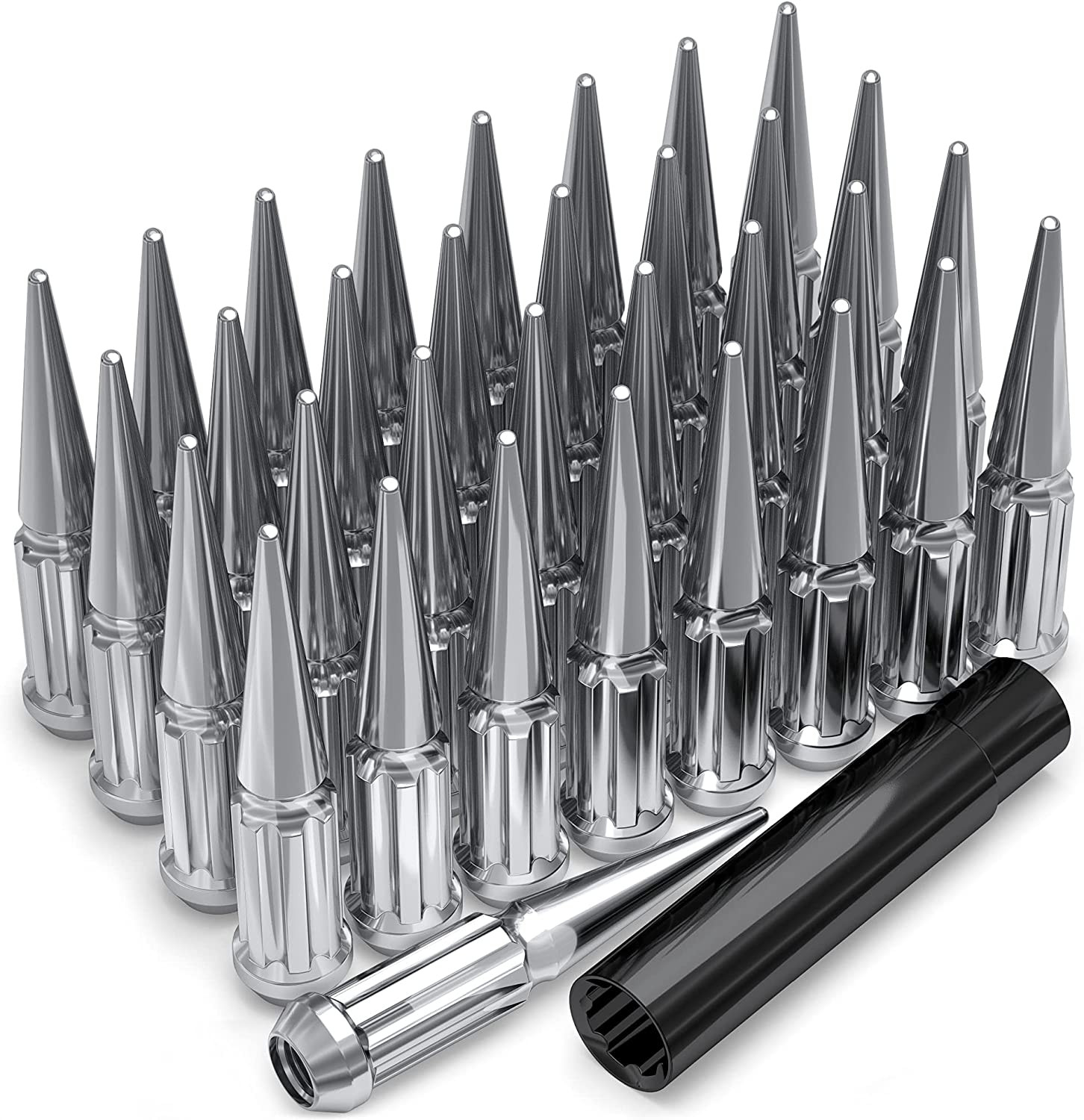
- Thread size: M12 x 1.5. Use lug nuts that match both the vehicle threads and the wheel’s seat type. Never mix seat profiles.
- Offset and backspacing: compare any new wheel to the known OEM baseline of ET 38 mm and 5.25 in backspacing. Ensure inner barrel and spoke clearance for calipers and knuckle, and avoid excessive outer poke.
- Load rating: wheel and tire load ratings must meet or exceed the OEM requirements on your door placard.
- Tire size: maintain overall diameter close to stock to protect ABS, transmission shift points, and speedometer function. Use the calculator to quantify the percent change.
- Brake fitment: some packages use larger front brakes. Physically test fit smaller diameter wheels to confirm caliper and barrel clearance before mounting tires.
- TPMS: the 2013 Grand Caravan uses tire pressure sensors. Plan to transfer your sensors or install compatible replacements and perform relearn if required.
- Clearances unique to minivans: check rear sliding door track and inner fender liners for contact if you increase wheel width or tire section width.
Plus Sizing And Common Upgrades
The safe way to plus size is to keep overall tire diameter close to stock while adjusting wheel width and offset to preserve inner and outer clearances.
- Plus 1 or Plus 2: increase rim diameter, then choose a tire with a lower aspect ratio so the overall diameter stays near stock. Use the calculator to keep the change small for ride and speedometer accuracy.
- Width changes: wider wheels often need a slightly different offset to avoid inner rubbing and outer poke. Compare against the OEM ET 38 mm baseline and verify with the calculator.
- Winter downsizing: many owners choose a smaller diameter wheel with a taller sidewall for winter roads. Only do this if the smaller wheel clears your brake calipers. Test fit first.
- Ride and handling: taller sidewalls add comfort, shorter sidewalls sharpen steering but can increase impact harshness. Balance your priorities and confirm with the calculator.
Installation Tips
- Clean the hub face and the wheel mounting pad. Remove rust and debris so the wheel seats flat.
- If using hub centric rings, seat them fully on the hub, then align the wheel carefully by hand.
- Use the correct lug nut seat type for your wheel. Tighten lugs by hand in a star pattern, then torque to the value in the owner’s manual.
- Recheck torque after the first 50 to 100 miles of driving.
- Verify free rotation and clearance at full steering lock and over bumps before highway driving.
- If installing new TPMS sensors, perform the relearn procedure recommended for your sensors and vehicle.
Tools And Helpful Supplies
FAQs
Q: Is 5x127 the same as 5x5?
A: Yes. 5x127 mm is commonly referred to as 5x5 inches. It is the same bolt pattern stated in metric vs inch units.
Q: Do I need hub centric rings on my 2013 Grand Caravan?
A: Use them if your aftermarket wheel has a larger center bore than the vehicle hub. The van’s hub is 71.6 mm, so select rings with 71.6 mm inner diameter and the outer diameter that matches your wheel. OEM wheels with a 71.6 mm bore do not need rings.
Q: Will 16 inch wheels fit my van if my placard shows 17 inch tires?
A: Some 2013 Grand Caravan packages used different wheel diameters. Smaller wheels may not clear certain brake packages. Check your door placard for the original size and physically test fit a 16 inch wheel on the front brakes before purchasing tires.
Q: What lug nuts should I use?
A: The threads are M12 x 1.5. The seat type must match the wheel design, commonly a 60 degree conical seat on many OEM and aftermarket wheels. Always verify the seat style with the wheel seller and never mix seat types.
Q: What offset works on a 2013 Grand Caravan?
A: Use ET 38 mm as the OEM reference from the table above. Compare any new wheel’s offset and width in the calculator to keep inner clearance and outer poke within safe limits. Test fit before mounting tires.
Q: Do I need new TPMS sensors when buying new wheels?
A: You can either transfer your existing sensors to the new wheels or purchase compatible sensors and perform the required relearn. If you skip sensors, the TPMS warning will illuminate.
Q: How do I confirm my factory tire size?
A: Check the tire and loading information placard on the driver door jamb and the owner’s manual. Enter that exact size into the calculator as your baseline for comparisons.
Q: Can I use wheel spacers?
A: Spacers change effective offset and can affect bearing load. If you use them, they must be high quality and hub centric, and you must ensure adequate stud engagement. Spacers are best avoided unless needed for confirmed brake or spoke clearance, and should be test fitted carefully.