- Bolt pattern8x170 · Same recorded PCD
- Center bore124.9 mm · same recorded hub figure
- Wheel geometryNot fully recorded
Wheel width/offset data is incomplete.
Recorded OEM specifications for the 2000 Ford F-250, donor years with overlapping ranges, and a calculator to compare a selected wheel. Range overlap is not a guaranteed fit.
Save these wheel specs to your Ownery garage
Baseline mounting dimensions used for interchange decisions.
Thread-only product links are shopping examples, not verified fits. Seat style is not confirmed here. As an Amazon Associate we earn from qualifying purchases.
These are vehicle-year records whose recorded OEM ranges overlap this 2000 Ford F-250. Overlap is not a guarantee that a specific wheel will install. Selected-wheel comparison is in the calculator below.
Evaluated 23 donor years. Listed 15 eligible overlaps (not all evaluated years are compatible). Showing all listed.
Years grouped because recorded compatibility evidence is equivalent. Each year keeps its own page.
Recorded vehicle-side thread for the 2000 Ford F-250 is M14x2.00. This donor year is recorded as M14x1.5. That is the vehicle stud/nut thread, not an intrinsic thread stamped on the wheel. Hardware must match this vehicle’s studs and the selected wheel’s seat and engagement. Existing hardware may be reusable if it already matches. Seat style is not in this dataset, so products are not a verified fit.
Wheel width/offset data is incomplete.
Only years with evidence-based interchange relationships are listed. Adjacent years are not assumed compatible.
Compare a donor vehicle or custom wheel against this 2000 Ford F-250. Use Compare in calculator on a donor row above to fill the donor side of this same calculator.
Compare wheel compatibility between two vehicles
2000 Ford F-250





Example products matched to recorded thread, hub, or spacer dimensions. They are not verified fits. Confirm seat style, thickness, and clearance before ordering.
M14 x 2.00
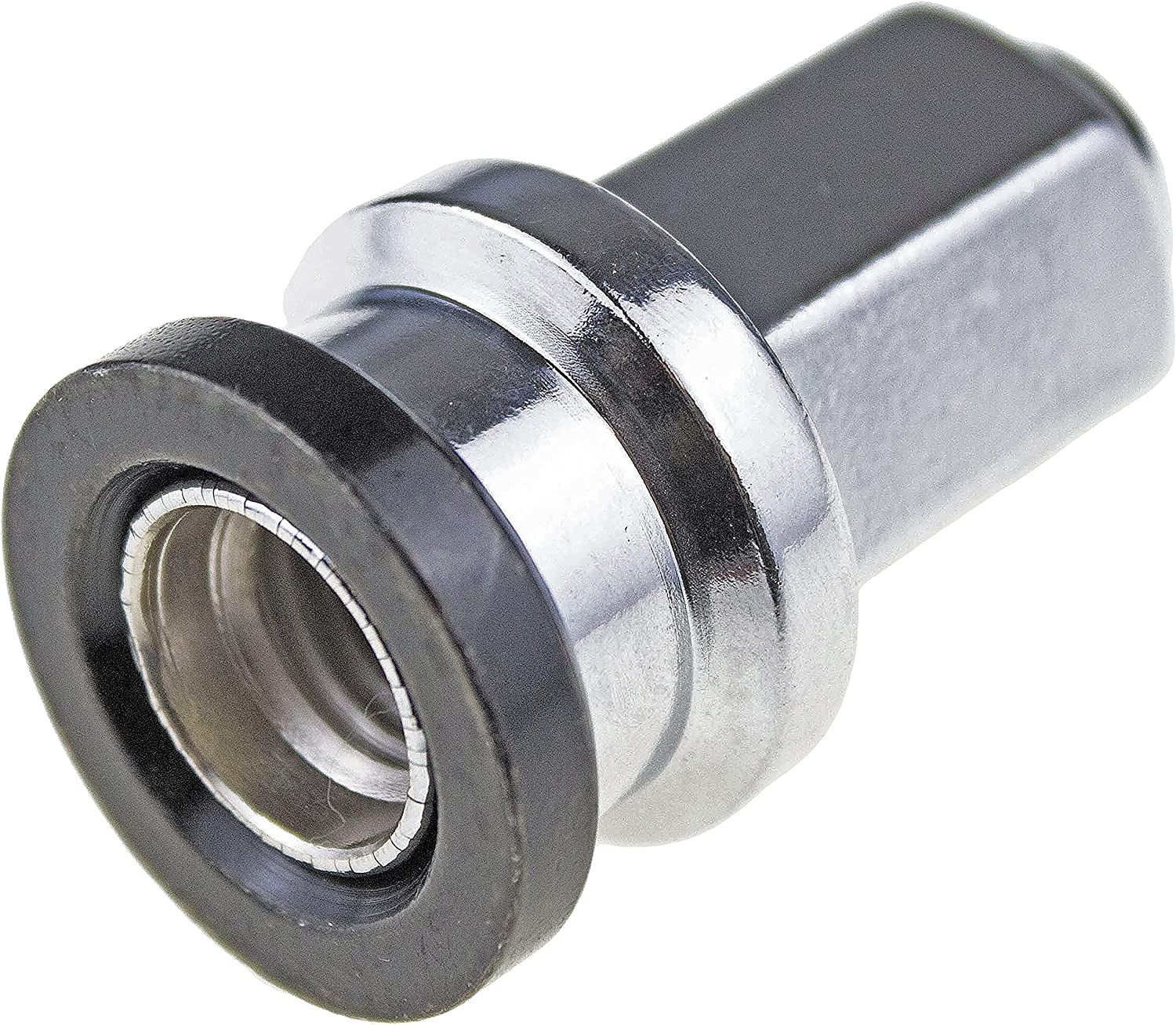
M14 x 2.00 · Thread match only; seat style is not verified
View on Amazon →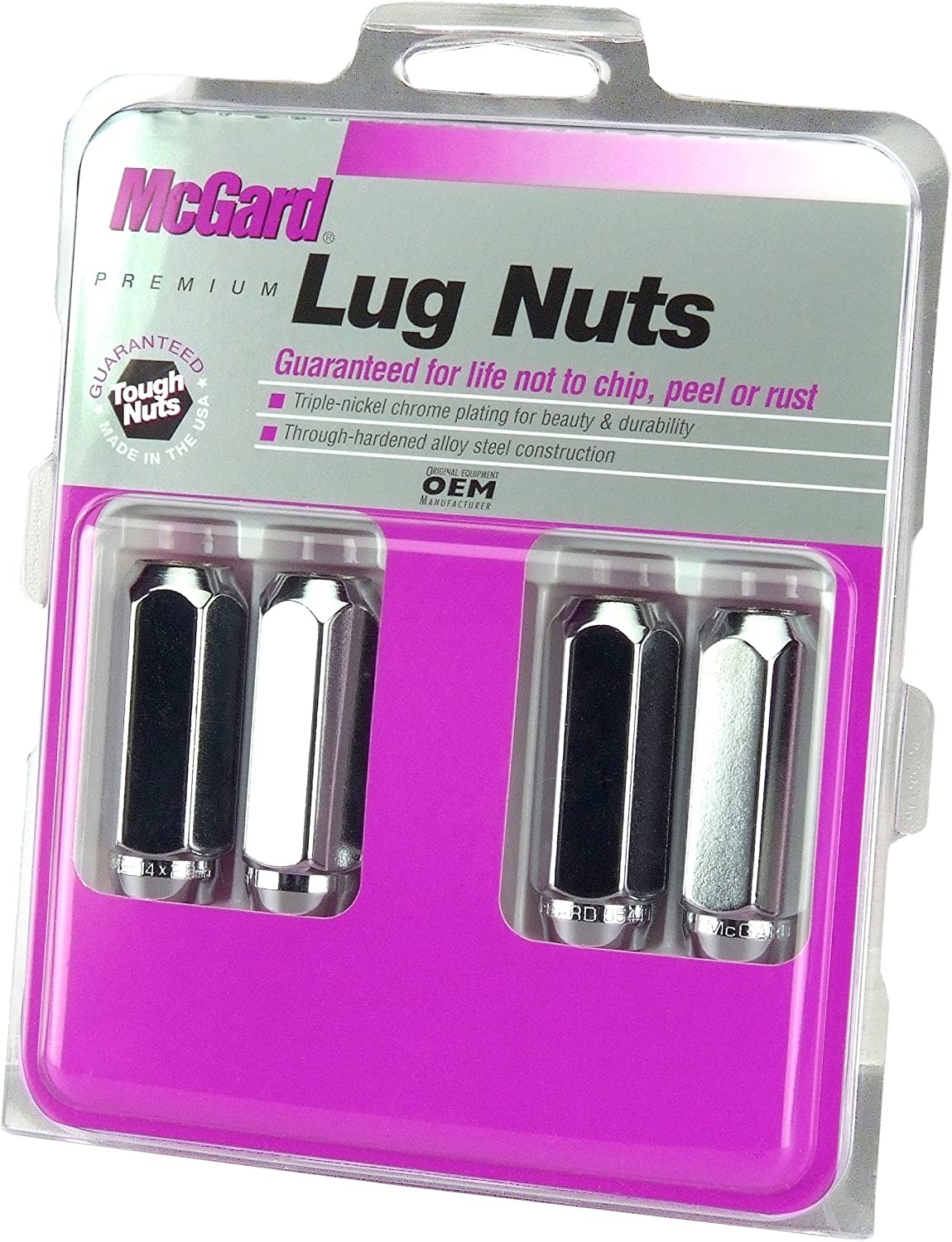
M14 x 2.00 · Thread match only; seat style is not verified
View on Amazon →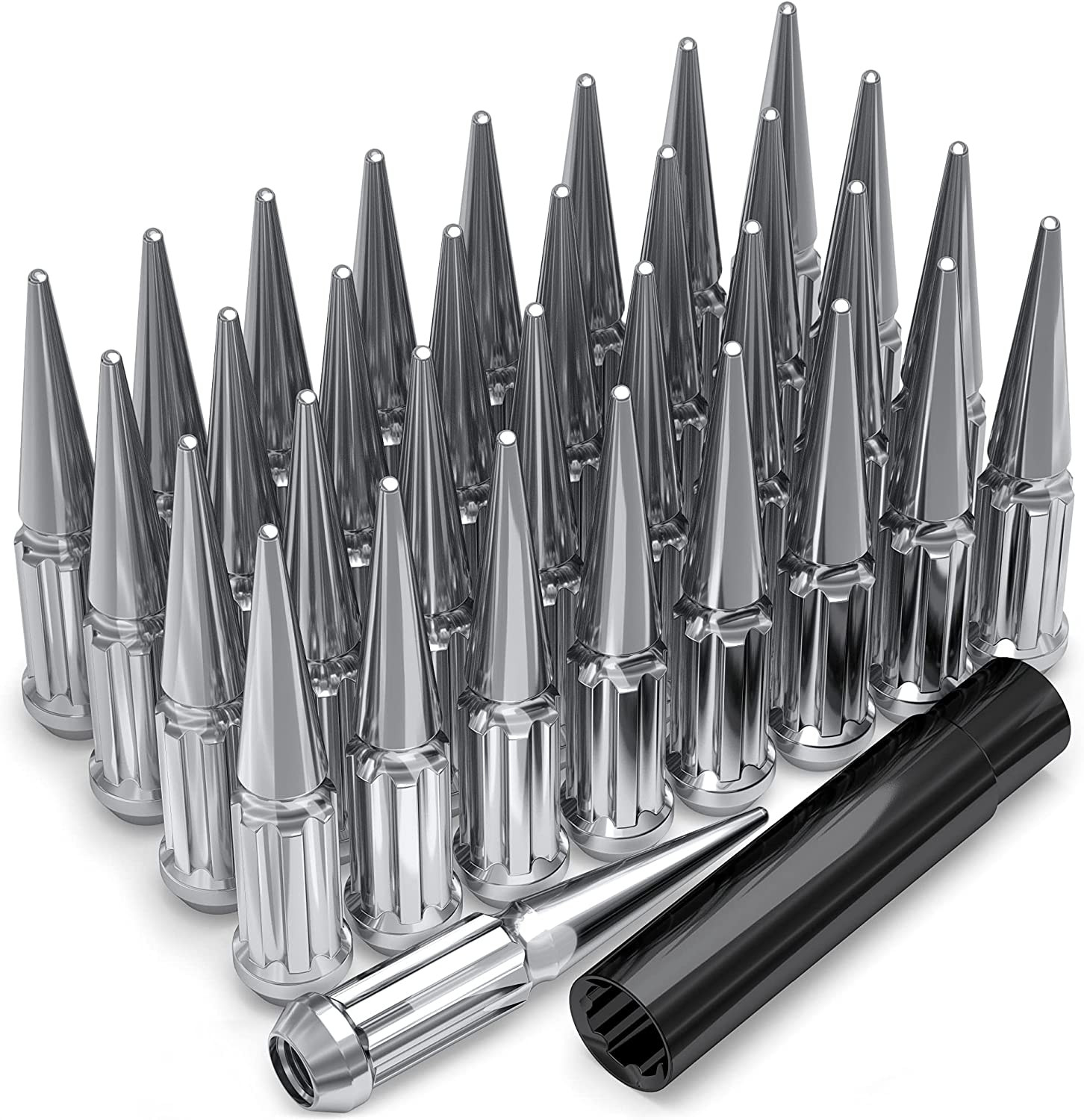
M14 x 2.00 · Thread match only; seat style is not verified
View on Amazon →As an Amazon Associate we earn from qualifying purchases. Product availability and pricing may change.
Use the figures below as a starting point. Do not buy wheels or tires until you verify all dimensions for your exact trim and axle package using the door jamb tire sticker, the owner’s manual, VIN-specific OEM data, and the on-page calculator.
| Bolt pattern | 8x170 |
| Center bore | 124.9 mm |
| Thread size | M14 x 2.00 |
| Rim diameter | Unknown |
| Rim width | Unknown |
| Wheel offset (ET) | Unknown |
| Backspacing | Unknown |
| Tire section width | Unknown |
| Tire aspect ratio | Unknown |
| Tire rim diameter | Unknown |
Why several values are unknown: they can vary by cab style, drivetrain, payload package, and factory wheel option. Confirm your exact specs by checking the driver door jamb sticker and cross-referencing with Ford OEM parts data. The calculator on this page will also help you compare any donor wheel to your truck.
The calculator lets you compare a donor wheel and tire to your 2000 Ford F-250 and test custom sizes before buying.
Tip: If you do not know your factory wheel width, measure the current wheel off the truck. Width is measured bead seat to bead seat, not overall lip to lip.
Many owners move to larger diameters or wider tires for stance or tire availability. Because factory sizes vary by trim, do not assume a specific stock size. Use the steps below instead of guessing.
Which wheels interchange with a 2000 Ford F-250?
Start with the required 8x170 bolt pattern and at least a 124.9 mm center bore. Then use the calculator to compare width, offset, and tire diameter from the donor to your truck. Because offsets, brake packages, and trims vary, verify with a physical test fit or OEM data before purchasing.
Can I use older 8x6.5 wheels on this truck?
No. 8x6.5 (8x165.1) is a different pattern and will not fit an 8x170 hub.
Do I need hub-centric rings?
Only if your wheel’s center bore is larger than 124.9 mm and a properly sized ring is available. Many heavy duty wheels are designed to run lug-centric without rings, but correct centering during torquing is critical.
What offset should I choose?
There is no single correct value for all 2000 F-250 trims. Use the calculator to model inner clearance and outer poke relative to your current wheels. Leave extra room for tire bulge and flex. When in doubt, test fit.
Will 35 inch tires fit without rubbing?
Fitment depends on wheel offset, actual tire dimensions, suspension height, and fender geometry. Use the calculator to check diameter and width changes, then inspect at full lock and full compression. Many setups need a leveling kit or trimming.
What lug nuts do I need?
The truck uses M14 x 2.00 threads. Match the seat style to the wheel design, typically 60 degree conical for many aftermarket wheels. Do not reuse bulged or damaged nuts.
What tire pressure should I run?
Follow the driver door jamb sticker for your specific axle and load rating. Adjust only within the guidance of the tire manufacturer when loads change.
Are spacers safe on this truck?
High quality hub-centric spacers that match 8x170 can be used if installed correctly and if you maintain proper stud engagement and torque. Check local regulations and re-torque frequently. Spacers change effective offset, so model this in the calculator.
Disclaimer: This guide is informational. For exact specifications, always confirm with your door jamb sticker, owner’s manual, Ford service information, and physical measurements. When values are unknown or vary by trim, use the on-page calculator and OEM sources before purchasing.
Wheel interchange depends on more than bolt pattern. Where data is available, this site compares recorded OEM values:
A normal wheel spacer does not change bolt pattern. Hub rings cannot enlarge a wheel bore that is smaller than the hub. Brake clearance and tire package fitment still require vehicle-specific checks when not confirmed in the dataset.
