- Bolt pattern8x170 · Same recorded PCD
- Center bore124.9 mm · same recorded hub figure
- Wheel geometryNot fully recorded
Wheel width/offset data is incomplete.
Recorded OEM specifications for the 2003 Ford F-250, donor years with overlapping ranges, and a calculator to compare a selected wheel. Range overlap is not a guaranteed fit.
Save these wheel specs to your Ownery garage
Baseline mounting dimensions used for interchange decisions.
Thread-only product links are shopping examples, not verified fits. Seat style is not confirmed here. As an Amazon Associate we earn from qualifying purchases.
These are vehicle-year records whose recorded OEM ranges overlap this 2003 Ford F-250. Overlap is not a guarantee that a specific wheel will install. Selected-wheel comparison is in the calculator below.
Evaluated 23 donor years. Listed 15 eligible overlaps (not all evaluated years are compatible). Showing all listed.
Years grouped because recorded compatibility evidence is equivalent. Each year keeps its own page.
Recorded vehicle-side thread for the 2003 Ford F-250 is M14x2.00. This donor year is recorded as M14x1.5. That is the vehicle stud/nut thread, not an intrinsic thread stamped on the wheel. Hardware must match this vehicle’s studs and the selected wheel’s seat and engagement. Existing hardware may be reusable if it already matches. Seat style is not in this dataset, so products are not a verified fit.
Wheel width/offset data is incomplete.
Only years with evidence-based interchange relationships are listed. Adjacent years are not assumed compatible.
Compare a donor vehicle or custom wheel against this 2003 Ford F-250. Use Compare in calculator on a donor row above to fill the donor side of this same calculator.
Compare wheel compatibility between two vehicles
2003 Ford F-250





Example products matched to recorded thread, hub, or spacer dimensions. They are not verified fits. Confirm seat style, thickness, and clearance before ordering.
M14 x 2.00
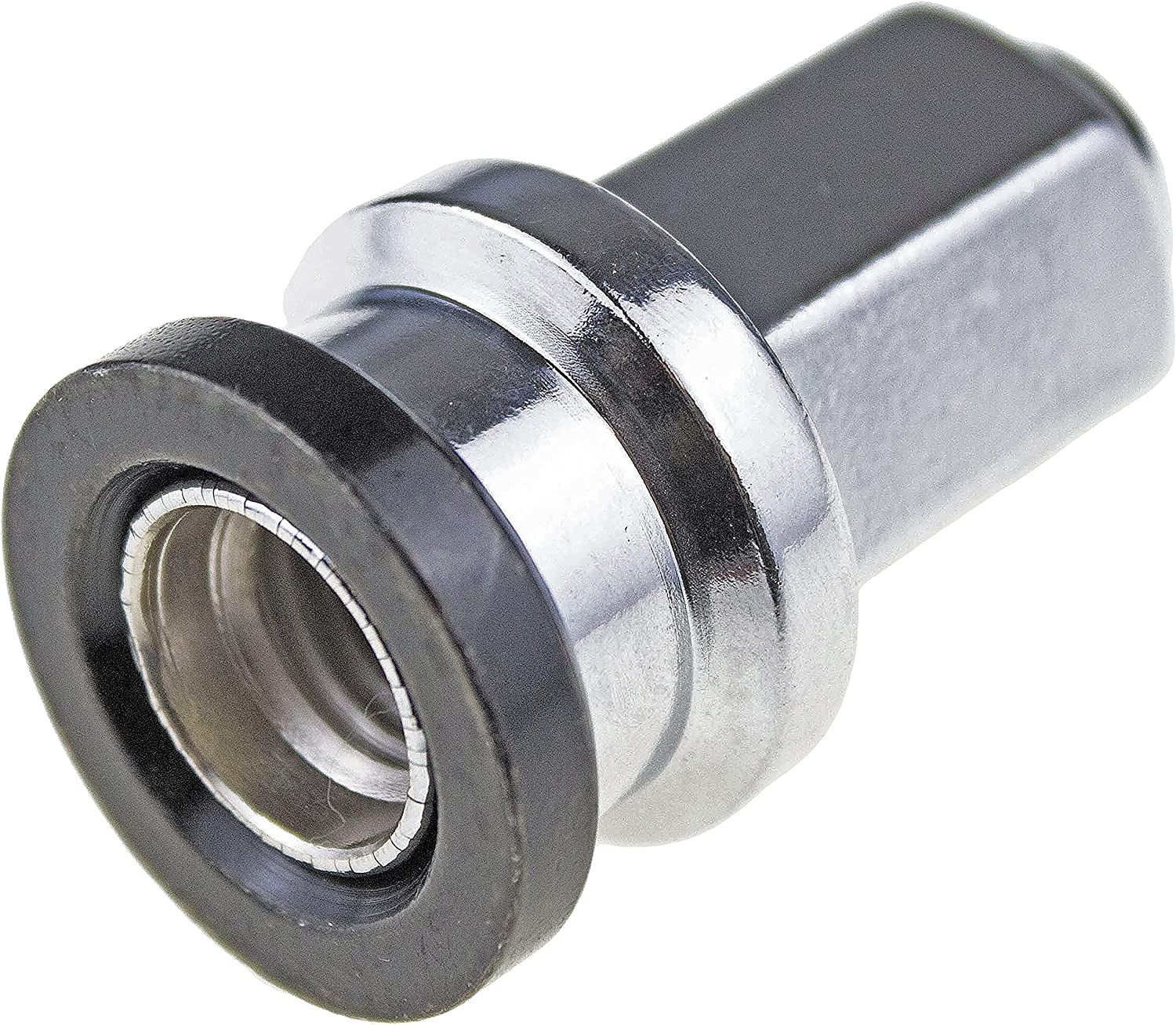
M14 x 2.00 · Thread match only; seat style is not verified
View on Amazon →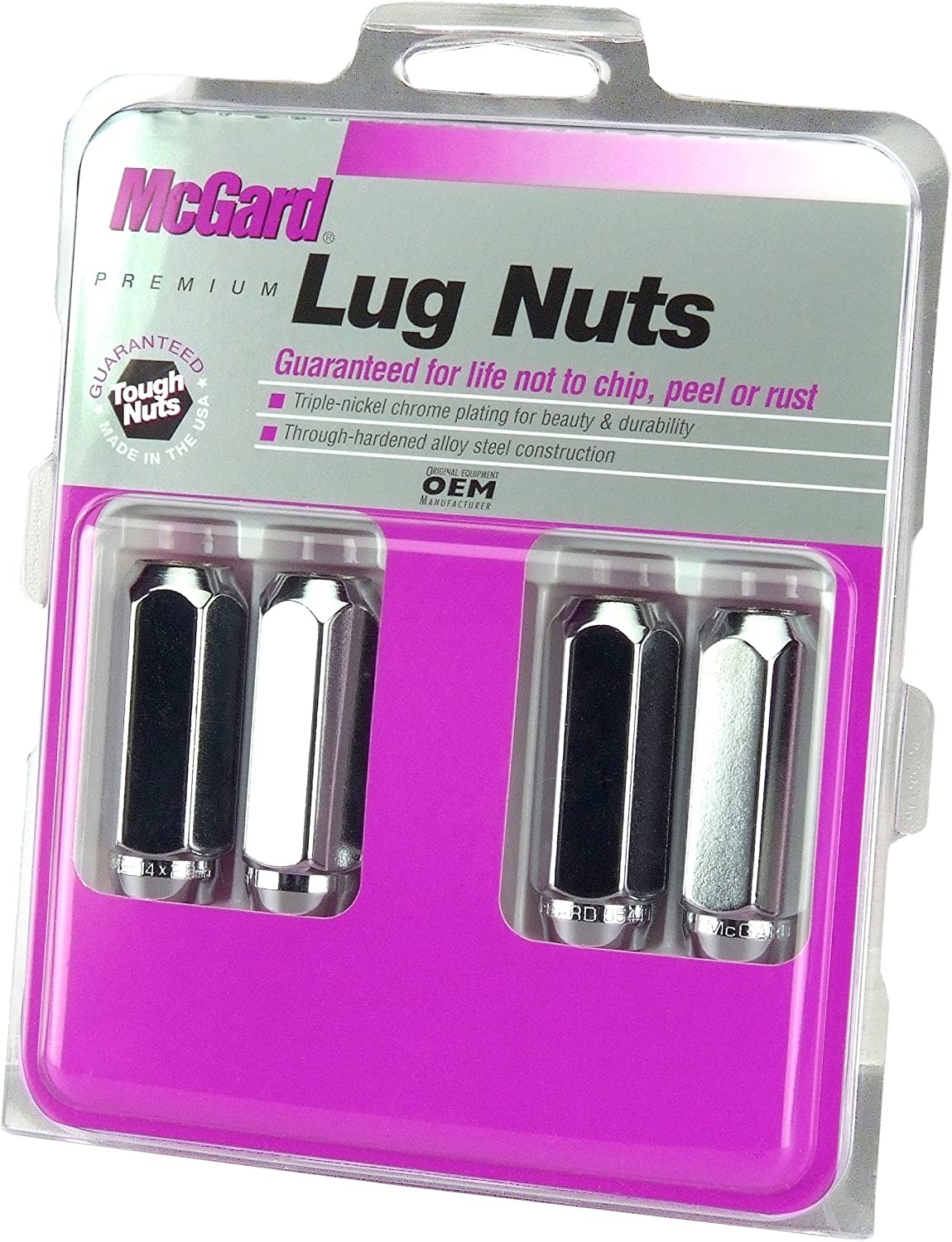
M14 x 2.00 · Thread match only; seat style is not verified
View on Amazon →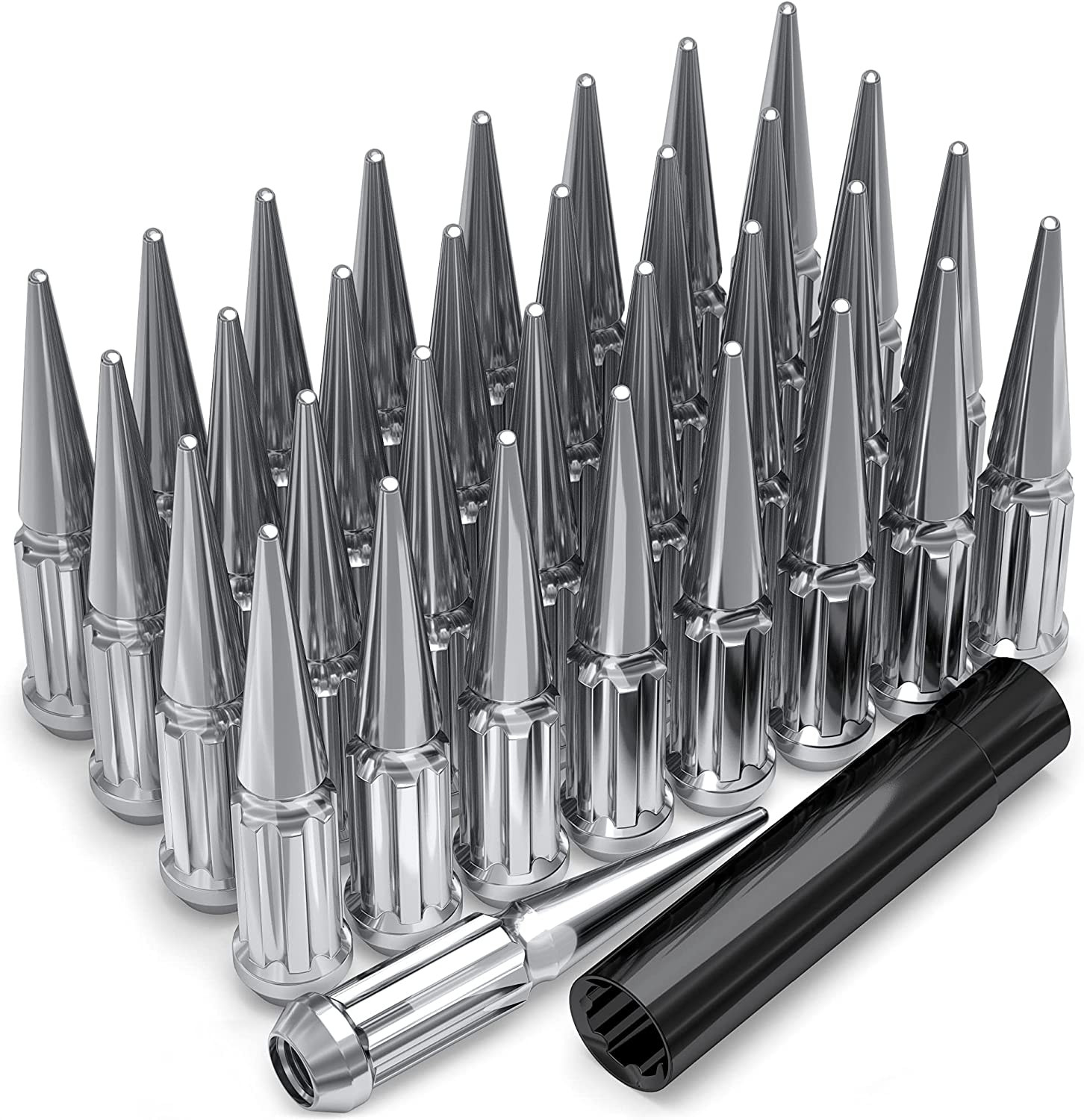
M14 x 2.00 · Thread match only; seat style is not verified
View on Amazon →As an Amazon Associate we earn from qualifying purchases. Product availability and pricing may change.
The confirmed fitment information available for the 2003 Ford F-250 is shown below. Some specifications can vary by cab configuration, package, axle, or original wheel option, so do not treat unknown values as universal recommendations.
| Specification | Known value |
|---|---|
| Bolt pattern | 8x170 |
| Center bore | 124.9 mm |
| Thread size | M14 x 2.00 |
| Rim diameter | Unknown from the available data |
| Rim width | Unknown from the available data |
| Wheel offset | Unknown from the available data |
| Backspacing | Unknown from the available data |
| Tire section width, aspect ratio, and rim diameter | Unknown from the available data |
A wheel must match the 8x170 bolt pattern and provide a center bore that is compatible with the 124.9 mm vehicle hub. A smaller wheel center bore will not fit over the hub. A larger bore may require correctly sized hub-centric rings where appropriate, but rings do not correct an incorrect bolt pattern, offset, load rating, or wheel design.
Confirm the original wheel label, owner documentation, Ford service information, and the wheel manufacturer's application data before ordering. Check the vehicle identification number and the actual wheel markings when trim-specific information is important.
Use the on-page calculator to compare Wheels from a donor vehicle with wheels Installed on your 2003 Ford F-250. Enter the donor wheel and tire measurements as accurately as possible, then compare them with the measurements of the wheel and tire currently installed on your truck.
The calculator allows you to adjust custom wheel size, including rim diameter, rim width, and offset. You can also adjust custom tire size by entering section width and aspect ratio. When rim diameter changes, the calculator updates the tire diameter used in the comparison. Review changes in wheel position, tire diameter, and clearance rather than relying only on bolt-pattern results.
For this Ford, confirm that the donor wheel uses an 8x170 pattern, clears the 124.9 mm hub, accepts the M14 x 2.00 lug hardware as specified by the wheel and vehicle requirements, and has an adequate load rating. Calculator results are a measurement aid and do not replace a physical test fit.
Start with the complete wheel specification, not just the bolt pattern. Record the donor wheel diameter, width, offset, backspacing, center bore, bolt pattern, and load rating. Verify whether the wheel is intended for a heavy-duty truck and whether its mounting face is compatible with the F-250 hub and lug hardware.
Because the original rim diameter, width, offset, backspacing, and tire dimensions are not confirmed here, use the calculator and measure the vehicle before selecting a replacement. A wheel that bolts on can still contact the brake assembly, suspension, bodywork, or steering components.
Plus sizing normally changes wheel diameter while selecting a tire with a lower aspect ratio to keep the overall tire diameter near the original diameter. The correct target depends on the truck's actual original tire size, axle configuration, suspension condition, speedometer calibration, payload use, and available clearance. Those original dimensions are not provided here, so a specific plus-size recommendation would be speculative.
Use the calculator to compare custom rim diameter, rim width, offset, section width, and aspect ratio. Watch for changes in tire diameter, sidewall height, wheel position, and clearance. A wider tire or a different offset can increase contact risk even when the overall tire diameter remains similar.
For a work truck, prioritize wheel and tire load ratings, sidewall protection, brake clearance, and steering clearance over appearance. Any upgrade should be checked at full steering lock and through the suspension's usable range. Follow tire and wheel manufacturer limits, and confirm that the finished assembly does not interfere with fenders, frame components, brake parts, or suspension members.
Clean the hub face and wheel mounting surface before installation. Remove rust, scale, paint buildup, and debris that could prevent the wheel from seating flat. Do not use excessive force to draw a misfitting wheel onto the hub with lug nuts.
Install the correct lug nuts for the wheel's seat design and confirm adequate thread engagement. Tighten the lugs in a star or crisscross pattern using a calibrated torque wrench and the vehicle or wheel manufacturer's specified torque. Do not guess the torque specification.
After installation, rotate each wheel by hand and inspect for contact. Lower the vehicle, recheck lug torque, and inspect clearance with the steering turned from lock to lock. Recheck lug torque after the initial driving period specified by the wheel manufacturer, and stop immediately if vibration, rubbing, looseness, or unusual noise occurs.
Useful supplies include a calibrated torque wrench, socket set, tire-pressure gauge, tread-depth gauge, tape measure, and a straightedge for checking wheel dimensions. A thread or lug-seat identification tool can help confirm hardware, but the wheel manufacturer's specifications remain the final authority.
Shop automotive torque wrenches on Amazon and shop digital tire-pressure gauges on Amazon. Use jack stands and safe lifting equipment rated for the truck. Never work beneath a vehicle supported only by a jack.
The confirmed bolt pattern in this guide is 8x170. The donor wheel must use this pattern, but bolt-pattern compatibility alone does not prove complete fitment.
The listed center bore is 124.9 mm. A wheel with a smaller center bore will not fit over the hub. A larger bore may need an appropriate hub-centric solution if required by the wheel design and application.
The available specification is M14 x 2.00. Confirm the lug nut seat type, thread engagement, stud condition, and final torque requirement for the specific wheel being installed.
The available data does not confirm a universal rim diameter or rim width. These values can vary with original equipment and vehicle configuration. Check the existing wheel markings, Ford documentation, and the wheel manufacturer's application information, then use the on-page calculator to compare alternatives.
No. An 8x170 wheel may still fail because of center bore, offset, backspacing, brake clearance, load rating, lug-seat design, or interference with suspension and body components. Confirm all measurements and perform a careful test fit.
A specific tire size cannot be confirmed from the available information because the original tire section width, aspect ratio, and rim diameter are unknown. Enter the actual current tire size and proposed custom dimensions into the calculator, then verify load rating, approved rim width, overall diameter, and physical clearance.
They may be needed when a compatible wheel has a larger center bore and the wheel manufacturer allows their use. Rings cannot make a smaller bore fit, and they cannot correct an incorrect bolt pattern, unsafe offset, inadequate load rating, or wrong lug-seat design.
Read the markings on the current wheel and tire, check the vehicle's certification and owner's information, contact a Ford parts or service department with the vehicle identification number, and review the donor wheel manufacturer's fitment data. Compare those results with the on-page calculator before purchasing.
Wheel interchange depends on more than bolt pattern. Where data is available, this site compares recorded OEM values:
A normal wheel spacer does not change bolt pattern. Hub rings cannot enlarge a wheel bore that is smaller than the hub. Brake clearance and tire package fitment still require vehicle-specific checks when not confirmed in the dataset.
