2013 Ford F-250 Wheel Fitment and Interchange Guide
Known OEM Fitment For 2013 Ford F-250
The specifications below are the known reference values for the 2013 Ford F-250 in this guide. Equipment can vary by trim, axle configuration, package, and market, so confirm the exact specifications for your truck before purchasing wheels or tires.
| Specification |
Known value |
| Bolt pattern |
8x170 |
| Center bore |
124.9 mm |
| Thread size |
M14 x 1.5 |
| Wheel diameter |
17 inches |
| Wheel width |
7.5 inches |
| Wheel offset |
ET40, or 40 mm |
| Backspacing |
5.32 inches |
| Tire size reference |
265/70R17 |
| Tire section width |
265 mm |
| Tire aspect ratio |
70 percent |
These values describe the supplied reference fitment and are not a complete list of every wheel or tire option offered for every 2013 Ford F-250 configuration. Confirm the door-jamb tire label, owner’s manual, original wheel markings, and Ford service information for your specific vehicle.
How To Use The Wheel Interchange Calculator
Use the calculator on this page to compare a potential donor vehicle with your 2013 Ford F-250. Select the donor vehicle under “Wheels from” and your truck under “Installed on.” The comparison helps identify differences in bolt pattern, center bore, wheel diameter, width, offset, and tire dimensions.
- Enter or select the donor vehicle and record its wheel specifications.
- Compare the donor bolt pattern with the known 8x170 pattern. The wheel must match the truck’s stud pattern exactly.
- Check the donor center bore against the 124.9 mm hub reference. A smaller bore will not fit over the hub. A larger bore may require correctly sized hub-centric rings where appropriate.
- Review diameter, width, and offset together. A wheel that meets the bolt-pattern requirement can still contact the suspension, brake components, fender, or body.
- Use “Custom wheel size” to test a different rim diameter, width, or offset.
- Use “Custom tire size” to enter a proposed tire section width and aspect ratio.
- When you change rim diameter, review the updated tire-diameter comparison. Check the complete tire size rather than relying on wheel diameter alone.
The calculator is a comparison tool, not a substitute for a physical test fit or confirmation from the wheel manufacturer. It does not by itself verify load rating, brake clearance, tire load capacity, steering clearance, or legal requirements.
Fitment Checklist Before You Buy
- Confirm the wheel uses the 8x170 bolt pattern.
- Confirm the center bore is compatible with the 124.9 mm hub reference.
- Check the wheel’s stamped or published diameter, width, and offset. Do not rely only on a product title.
- Verify brake-caliper and suspension clearance with the wheel manufacturer or by performing a careful test fit.
- Compare the proposed tire size with the original 265/70R17 reference and check the calculator’s diameter and width results.
- Confirm the wheel and tire load ratings meet or exceed the requirements shown on the truck’s certification label and in the owner’s manual.
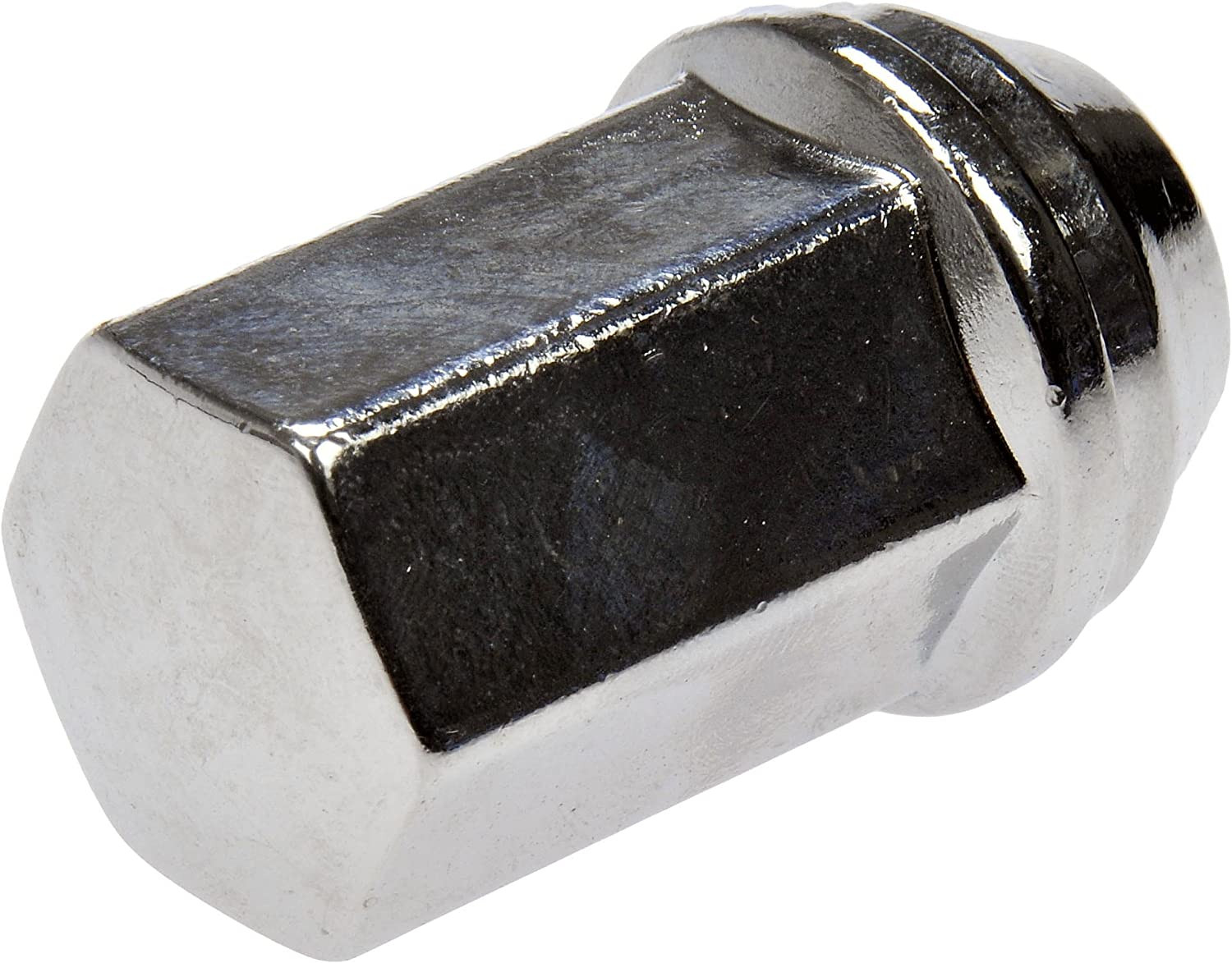
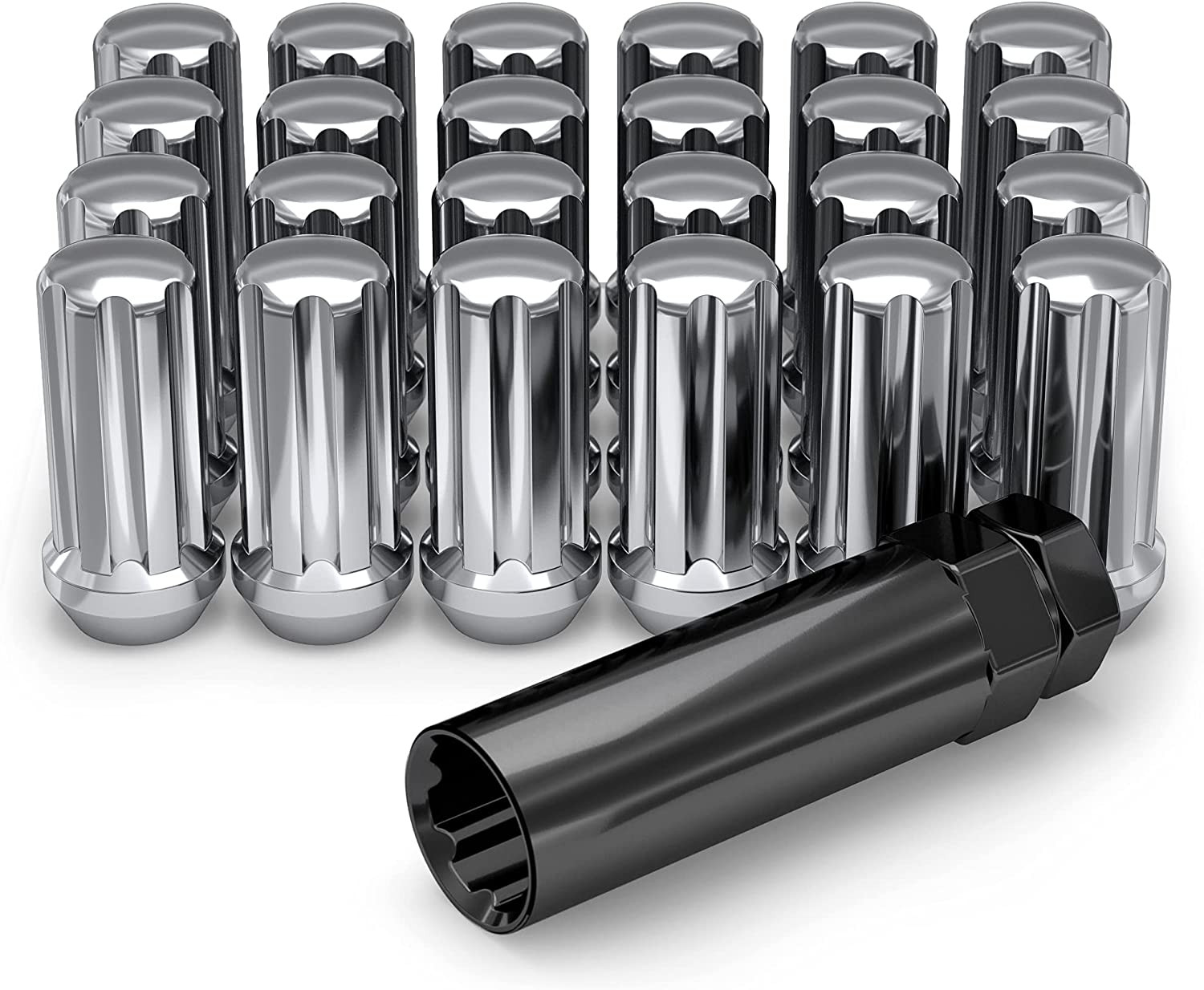
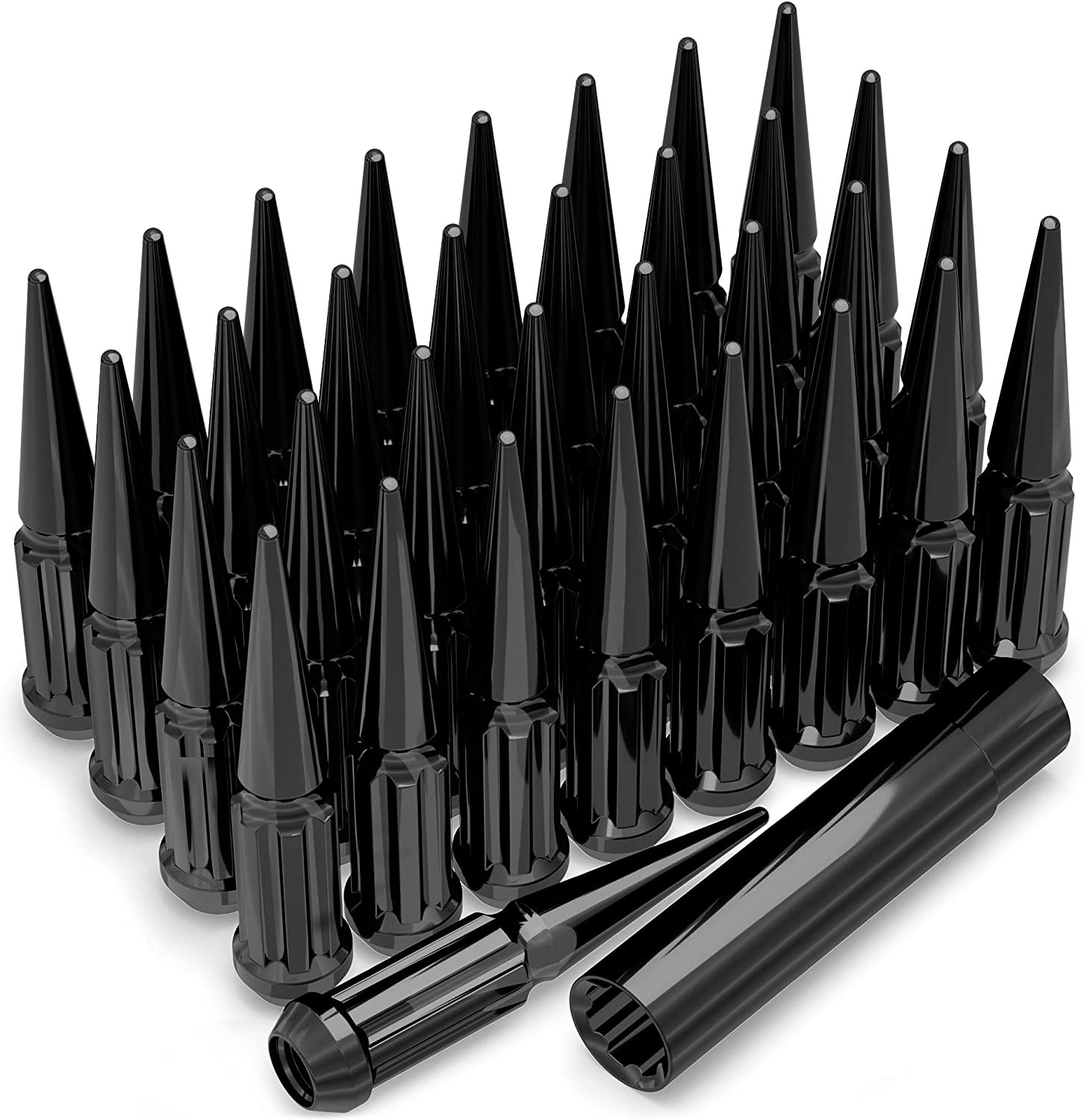
- Use the correct M14 x 1.5 wheel fasteners and verify that the seat style matches the wheel.
- Check whether the wheel requires special lug nuts, a different valve stem, TPMS service, or hub-centric rings.
- Make sure the tire’s speed rating, load index, construction, and service description are suitable for the truck and its intended use.
- After installation, check clearance at full steering lock, full suspension compression where safely possible, and normal ride height.
Plus Sizing And Common Upgrades
Plus sizing usually means installing a larger-diameter wheel with a lower-profile tire while keeping the overall tire diameter near the original reference. This can change ride comfort, sidewall protection, steering response, tire cost, and wheel damage risk. The calculator can help compare custom wheel and tire dimensions, but it does not approve a size for your specific trim or usage.
Changing wheel width or offset can move the tire inward toward the suspension or outward toward the fender. A different offset may also alter scrub radius and steering feel. Do not select a wheel based only on its 8x170 bolt pattern.
For towing, hauling, off-road driving, or frequent heavy use, prioritize wheel and tire load ratings, sidewall durability, and adequate clearance. Confirm any upgrade with the wheel and tire manufacturers and retain the original wheels if you need a known reference setup.
Installation Tips
- Inspect the hub, wheel mounting surface, studs, and lug nuts before installation. Remove rust, dirt, and loose paint from mating surfaces.
- Never force a wheel onto the hub or use the lug nuts to pull an incorrectly fitting wheel into place.
- Install the correct M14 x 1.5 fasteners with the seat style specified for the wheel.
- Start every fastener by hand to reduce the chance of cross-threading.
- Snug the fasteners in a star or crisscross pattern, then torque them with a calibrated torque wrench to the vehicle or wheel manufacturer’s specification.
- Check for clearance between the wheel, tire, brake components, suspension, and body before road use.
- Set tire pressure according to the truck’s tire-information label unless a qualified tire professional determines another setting is appropriate.
- Recheck fastener torque after the first short drive and again according to the wheel manufacturer’s instructions.
- After changing wheel or tire dimensions, check the spare tire, TPMS operation, alignment, and speedometer effects as applicable.
Tools And Helpful Supplies
Useful equipment can include a calibrated torque wrench, the correct socket, a jack and jack stands rated for the truck, wheel chocks, a tire-pressure gauge, a tread-depth gauge, and a hub or wheel cleaning brush. Use jack stands on a suitable support point and follow the Ford service information for safe lifting locations.
View automotive torque wrench and socket options on Amazon.
A thread pitch gauge or verified M14 x 1.5 replacement fasteners can help confirm hardware, but the wheel manufacturer’s instructions control the required lug-nut seat and engagement. Do not substitute fasteners based only on diameter or appearance.
View automotive tire-pressure gauges on Amazon.
FAQs
What is the bolt pattern for the 2013 Ford F-250?
The known reference bolt pattern is 8x170. Verify the wheel listing and vehicle-specific information before ordering.
What is the center bore reference for this truck?
The known center bore is 124.9 mm. A wheel bore smaller than the hub will not fit. A larger bore may need an appropriate hub-centric solution, but rings do not correct an incorrect bolt pattern or unsafe wheel design.
What is the reference tire size?
The supplied reference size is 265/70R17, with a 265 mm section width, 70 percent aspect ratio, and 17-inch rim diameter. The exact original equipment size can vary, so check the tire-information label on your truck.
Can any 8x170 wheel fit a 2013 Ford F-250?
No. Bolt pattern is only one part of fitment. Center bore, wheel width, offset, backspacing, brake clearance, load rating, lug-nut seat, and tire compatibility must also be checked.
Can I install a larger wheel diameter?
A larger wheel may be possible, but this guide does not provide a universal list of approved larger sizes. Enter the proposed custom wheel and tire dimensions in the calculator, then confirm brake clearance, load ratings, tire diameter, and vehicle-specific requirements with reliable OEM and manufacturer sources.
What does ET40 mean?
ET40 indicates a 40 mm wheel offset. Offset affects how far the wheel sits inward or outward relative to the hub mounting surface. Compare offset with wheel width and backspacing, not as an isolated number.
Do I need hub-centric rings?
Only if the selected wheel has a larger center bore and the wheel manufacturer recommends a properly sized ring for that application. A ring cannot make a smaller-bore wheel fit, correct a mismatched bolt pattern, or replace correct load and clearance verification.
Where can I confirm the exact fitment for my truck?
Check the driver-door certification and tire labels, the owner’s manual, original wheel markings, Ford service information, and the wheel and tire manufacturers’ technical data. Use the on-page calculator to compare dimensions, then perform a careful physical fitment check before driving.