2011 Ford F-250 Wheel Fitment Guide
Known OEM Fitment For 2011 Ford F-250
The specifications below are the known OEM fitment data available for the 2011 Ford F-250. Factory equipment can vary by trim, package, axle configuration, and market, so use these values as a starting point rather than as a substitute for checking your specific truck.
| Specification |
Known value |
| Bolt pattern |
8x170 |
| Center bore |
124.9 mm |
| Thread size |
M14 x 1.5 |
| Rim diameter |
17 inches |
| Rim width |
7.5 inches |
| Wheel offset |
ET 40 mm |
| Backspacing |
5.32 inches |
| Known tire size |
265/70R17 |
| Tire section width |
265 mm |
| Tire aspect ratio |
70 percent |
For this page, 8x170 means eight wheel studs on a 170 mm pitch circle diameter. The replacement wheel must use the correct bolt pattern, have a suitable center bore, clear the brakes and suspension, and support the truck's required load. Do not assume that every 8x170 wheel is suitable for a 2011 Ford F-250.
Confirm the original wheel information by checking the markings on the back of the wheel, the vehicle door-jamb label, the owner's manual, and current Ford service information. If those sources differ, have a Ford dealer or qualified wheel professional verify the application using the VIN.
How To Use The Wheel Interchange Calculator
Use the calculator to compare a donor wheel and tire with the setup installed on your 2011 Ford F-250. Select or enter the donor vehicle in the “Wheels from” fields, then select the 2011 Ford F-250 in the “Installed on” fields. Review the bolt pattern, center bore, wheel width, offset, backspacing, and tire dimensions before treating a result as suitable.
- Use the calculator's custom wheel size controls when the donor wheel is not listed or when you are evaluating an aftermarket wheel.
- Enter the proposed rim diameter, rim width, and offset as shown on the wheel or its manufacturer specification sheet.
- Enter the proposed tire section width and aspect ratio in the custom tire fields.
- Compare the displayed changes in inner clearance, outer position, and overall tire diameter. A smaller or larger number does not by itself prove that the wheel will clear the vehicle.
- When rim diameter changes, the calculator updates the tire diameter comparison. Still check the complete tire size and confirm real-world clearance at full steering lock and suspension travel.
The calculator is a comparison aid, not a substitute for load-rating checks, brake-clearance measurements, tire manufacturer requirements, or OEM confirmation. A result should be rejected if the bolt pattern, center bore, thread engagement, load capacity, brake clearance, or tire clearance is unsuitable.
Fitment Checklist Before You Buy
- Verify the wheel bolt pattern is 8x170 and the wheel is designed for the required M14 x 1.5 hardware.
- Check the wheel's center bore against the 124.9 mm reference. A smaller bore will not fit over the hub. A larger bore may require correctly specified hub-centric rings, if appropriate for the wheel and application.
- Confirm the wheel width, diameter, offset, and backspacing. Compare them with the known 17 x 7.5, ET 40 mm, and 5.32-inch reference values.
- Verify the wheel load rating meets or exceeds the axle and vehicle requirements. Passenger-car wheels or lightly rated wheels may be unsuitable for a heavy-duty pickup.
- Check brake caliper, suspension, steering, and hub clearance. Spoke shape can cause interference even when the diameter and offset appear correct.
- Confirm the tire's load index, speed rating, size, rim-width range, and intended use. Do not select a tire by dimensions alone.
- Check for clearance to the fender, mud flap, and body at full steering lock and through suspension compression.
- Verify valve-stem and tire-pressure-monitoring compatibility if your truck uses sensors. Sensor transfer and relearning requirements vary.
- Inspect used wheels for cracks, bends, repaired areas, corrosion around the bead seat, and damaged mounting surfaces.
- Confirm the seller's return policy before mounting tires, since a wheel can pass a basic dimension check and still fail a brake or load-rating check.
Plus Sizing And Common Upgrades
Plus sizing changes wheel diameter while maintaining a similar overall tire diameter by using a shorter tire sidewall. It can affect ride comfort, wheel protection, steering response, gearing, speedometer accuracy, and available brake or suspension clearance. The calculator can help show the dimensional change, but it cannot approve a specific upgrade.
Changing wheel width or offset also changes the wheel's inner and outer position. A wheel with more outward displacement may increase fender or body contact risk, while a wheel positioned farther inward may approach suspension or brake components. Compare the proposed dimensions with the known OEM reference and physically verify clearance before driving.
Any upgrade must retain adequate tire load capacity and wheel load rating for the 2011 Ford F-250. Use the tire placard, owner's manual, Ford service information, and the tire and wheel manufacturers' specifications to confirm the correct limits. Do not use a larger tire merely because it fits the wheel.
Installation Tips
- Clean the hub face and wheel mounting surface. Remove rust, dirt, paint buildup, and debris that could prevent the wheel from seating flat.
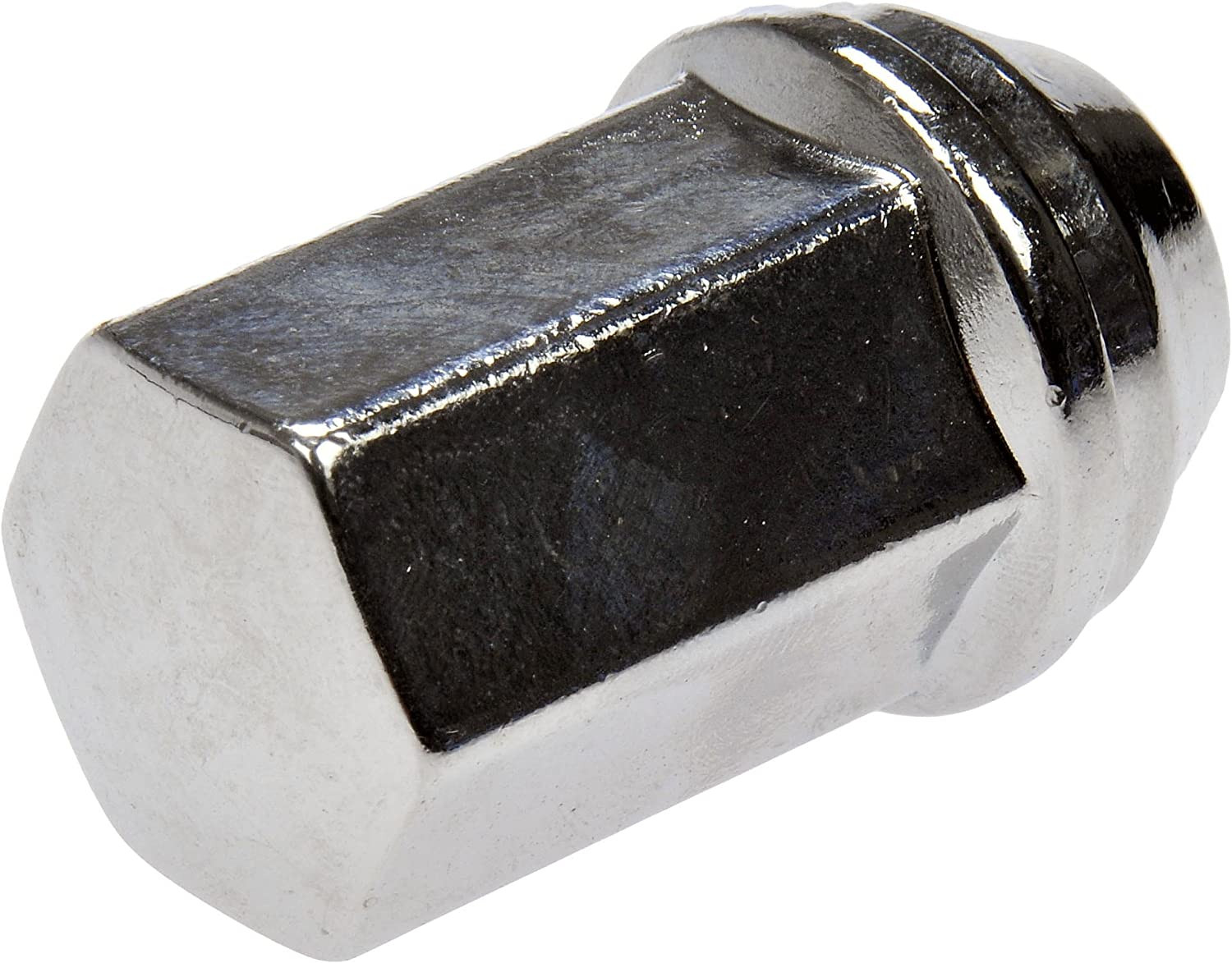
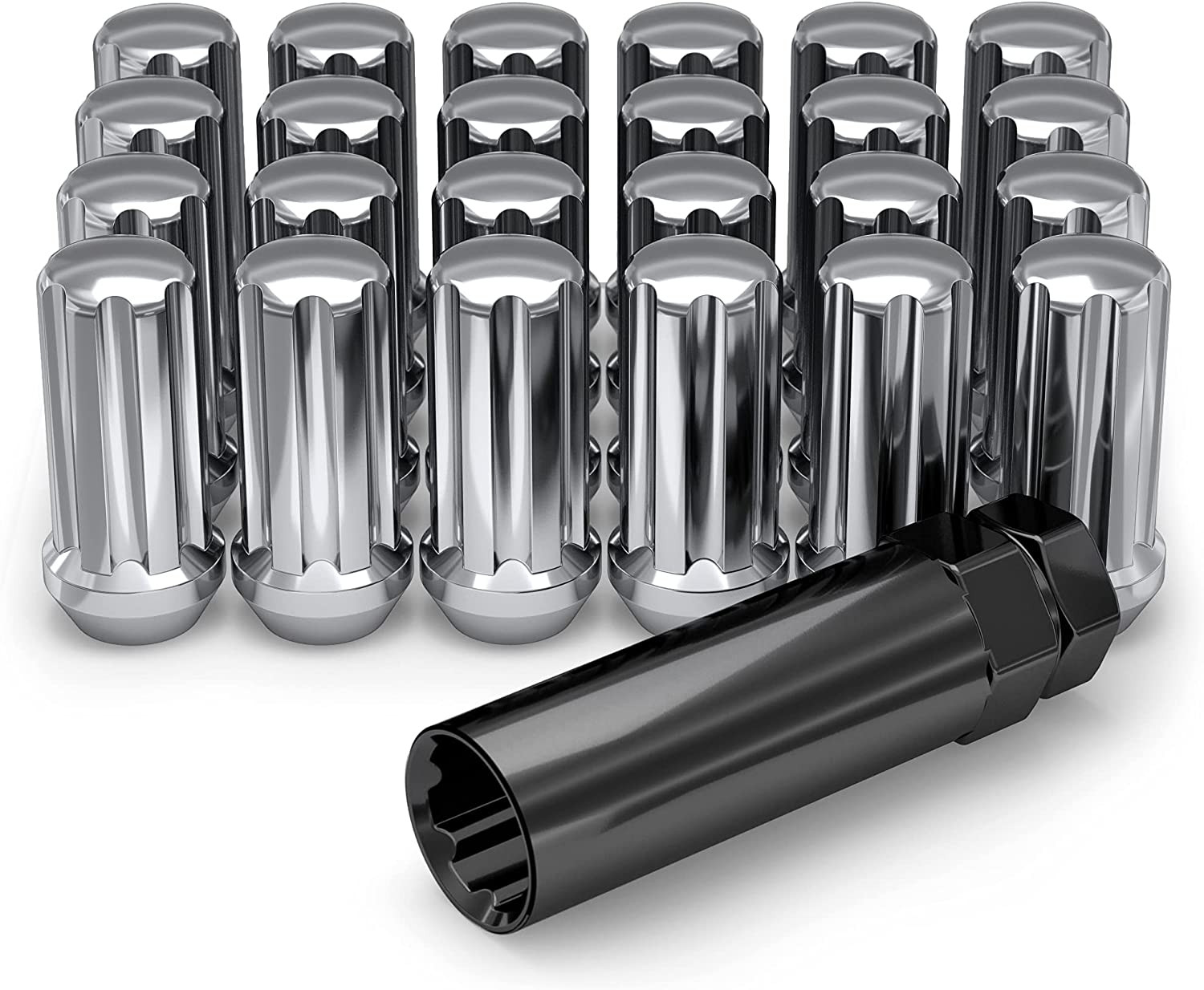
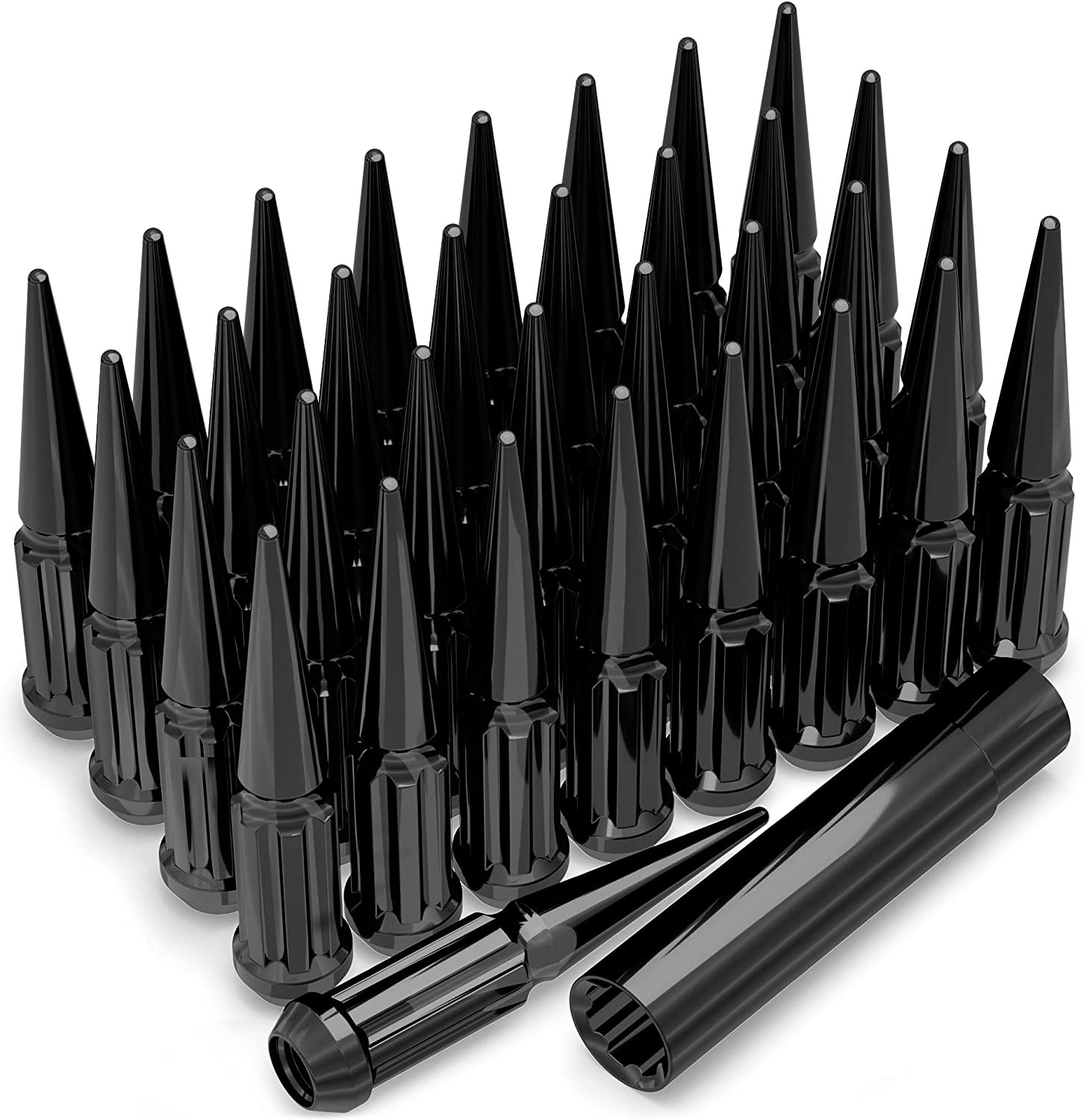
- Install only compatible wheel nuts or fasteners with the correct seat style and thread engagement. M14 x 1.5 identifies thread size, but it does not identify the correct nut seat.
- Start every fastener by hand to avoid cross-threading. Do not force a wheel onto the hub or use fasteners to pull an incorrectly fitting wheel into position.
- Snug the fasteners in a star or crisscross pattern, lower the vehicle as appropriate, and torque them to the exact Ford specification for your configuration using a calibrated torque wrench.
- Do not lubricate wheel studs or nuts unless the vehicle or fastener manufacturer specifically instructs you to do so, because lubrication can change the achieved clamping force.
- After installation, check for free rotation and clearance with the steering turned left and right. If possible, verify clearance under realistic suspension movement.
- Recheck fastener torque after the initial drive and again according to the wheel manufacturer's instructions. Stop immediately if you notice vibration, rubbing, loose fasteners, or loss of tire pressure.
- Set tire pressure using the vehicle's tire-information label or the applicable tire manufacturer's guidance, not the maximum pressure molded into the tire sidewall.
Tools And Helpful Supplies
A basic installation may require a properly rated jack and jack stands, a breaker bar, compatible sockets, a calibrated torque wrench, a tire-pressure gauge, a tread-depth gauge, and a wire brush or suitable hub-cleaning tool. Use equipment rated for the weight of the truck and follow safe lifting points from the owner's manual.
Useful examples include a torque wrench for automotive wheel installation and a digital tire pressure gauge. These links are provided for shopping research. Confirm the tool's range, socket compatibility, accuracy, and suitability before purchase.
FAQs
What is the bolt pattern for the 2011 Ford F-250?
The known bolt pattern is 8x170. Verify the actual wheel and vehicle configuration before ordering, especially when buying used wheels or parts advertised for multiple Ford trucks.
What is the center bore for the 2011 Ford F-250?
The known center bore is 124.9 mm. A wheel bore smaller than the hub cannot fit. A larger bore requires careful evaluation of hub-centric fit and suitable rings where applicable.
What is the factory-style wheel and tire size shown here?
The known reference is a 17 x 7.5-inch wheel with ET 40 mm offset and a 265/70R17 tire. This information may be partial and may vary by trim or equipment, so confirm your truck's door label, owner documentation, wheel markings, or VIN-based OEM records.
Can any 8x170 wheel fit my 2011 Ford F-250?
No. The correct bolt pattern is only one requirement. You must also verify center bore, load rating, offset, backspacing, brake clearance, fastener compatibility, tire requirements, and clearance through steering and suspension movement.
Can I use a wheel with a different offset?
Possibly, but a different offset changes the wheel's position relative to the hub, suspension, brakes, and fender. Enter the proposed diameter, width, and offset in the calculator, then perform physical clearance and load-rating checks. Do not rely on offset alone.
Can I install larger wheels or tires?
A larger wheel or tire may be possible, but the complete combination must be evaluated. Check overall diameter, tire load index, wheel load rating, brake clearance, steering clearance, suspension travel, fender clearance, and speedometer effects. The calculator can illustrate dimensional differences but cannot certify a modification.
Do I need hub-centric rings?
It depends on the wheel's center bore and design. A smaller wheel bore will not fit, while a larger bore may need a correctly sized ring if the wheel manufacturer permits its use. Rings do not correct a wrong bolt pattern, inadequate load rating, incorrect offset, or brake interference.
What thread size should the wheel fasteners use?
The known thread size is M14 x 1.5. The correct fastener must also have the appropriate seat style, length, strength, and engagement for the specific wheel. Confirm the requirement with the wheel manufacturer and the Ford service information for your truck.
Where can I confirm the final fitment before purchase?
Use the on-page calculator for dimension comparisons, then confirm the vehicle-specific information through the door-jamb tire label, owner's manual, OEM wheel markings, Ford service information, or a Ford dealer using the VIN. A qualified tire and wheel professional can also check load ratings and physical clearance.