2017 Ford Taurus Wheel Fitment and Interchange Guide
Known OEM Fitment For 2017 Ford Taurus
The following specifications are the known fitment values provided for the 2017 Ford Taurus. Confirm them against your vehicle before ordering wheels, tires, or lug hardware because specifications can vary by trim, package, market, or replacement parts.
| Specification |
Known value |
| Bolt pattern |
5x114.3 |
| Center bore |
63.4 mm |
| Thread size |
M12 x 1.5 |
| Rim diameter |
18 inches |
| Rim width |
8.0 inches |
| Wheel offset |
ET39, or 39 mm |
| Backspacing |
5.54 inches |
| Tire section width |
235 mm |
| Tire aspect ratio |
60 percent |
| Tire rim diameter |
17 inches |
There is a diameter conflict in the supplied data: the listed rim diameter is 18 inches, while the listed tire rim diameter is 17 inches. A 17-inch tire cannot be installed on an 18-inch wheel. Treat these values as a prompt to verify the exact tire and wheel package on your Taurus rather than assuming one value is correct. Check the tire sidewall, the wheel stamping, the driver-door tire label, the owner’s manual, and Ford parts information for your VIN.
The 5x114.3 bolt pattern describes five wheel studs spaced on a 114.3 mm pitch circle. Bolt pattern alone does not prove that a donor wheel is safe or compatible. Center bore, offset, width, brake clearance, load rating, fastener seat, and tire size must also be checked.
How To Use The Wheel Interchange Calculator
Use the calculator to compare a donor vehicle or wheel setup with your 2017 Ford Taurus. Select the donor information under “Wheels from” and place the Taurus information under “Installed on.” Review the bolt pattern, center bore, wheel width, diameter, and offset together rather than relying on a single matching specification.
- Enter or select the donor vehicle and its wheel specifications.
- Enter the Taurus as the vehicle receiving the wheels.
- Compare the donor and Taurus bolt pattern, center bore, rim width, rim diameter, and offset.
- Use “Custom wheel size” to test a wheel diameter, width, or offset that is not represented by a vehicle selection.
- Use “Custom tire size” to enter tire section width and aspect ratio.
- Review the calculated change in tire diameter, wheel position, and overall clearance.
Changing rim diameter updates the tire diameter in the comparison. This is useful for checking plus-size concepts, but calculator results are not a substitute for physical clearance checks. Confirm clearance to the strut, spring, fender, inner liner, steering components, and brake hardware at full steering lock and through suspension travel.
If the calculator shows a mismatch or incomplete data, do not assume the wheel fits. Confirm the specifications from the wheel manufacturer, Ford service information, and the vehicle’s labels before purchase.
Fitment Checklist Before You Buy
- Confirm the wheel has a 5x114.3 bolt pattern.
- Confirm the center bore is compatible with the Taurus hub. A wheel bore smaller than 63.4 mm will not fit over the hub. A larger bore may require correctly sized hub-centric rings if approved for the application.
- Confirm the wheel offset and width against the calculator and the vehicle’s original equipment specification.
- Confirm the wheel diameter matches the tire’s rim diameter. Do not mount a 17-inch tire on an 18-inch wheel.
- Check wheel load rating, tire load index, and speed rating.
- Verify brake caliper and rotor clearance. Two wheels with the same diameter and bolt pattern can have different spoke or barrel clearance.
- Check the wheel’s lug-seat type and make sure it matches the required lug nuts. Do not assume the original lug nuts fit aftermarket wheels.
- Inspect used wheels for cracks, bends, weld repairs, corrosion around the bead, and damaged mounting seats.
- Confirm the final tire diameter and width are acceptable for the vehicle and do not cause rubbing or interfere with safety systems.
- Verify tire pressure monitoring compatibility and plan for sensor installation or relearning as required.
Plus Sizing And Common Upgrades
Plus sizing changes the wheel diameter while maintaining a similar overall tire diameter by using a lower aspect-ratio tire. The goal is to preserve speedometer behavior, gearing, and adequate wheel-well clearance, but the result still depends on the exact tire and wheel dimensions.
Use the calculator’s custom wheel and tire fields to compare proposed sizes with the known values. Enter the actual section width, aspect ratio, rim diameter, wheel width, and offset. Do not select a tire based only on its nominal size because measured section width can vary by tire model and approved rim width.
The supplied data lists a 235 mm section width and 60 percent aspect ratio with a 17-inch tire rim diameter, while it separately lists an 18-inch rim diameter. Resolve this discrepancy before considering an upgrade. The correct tire must match the physical wheel diameter, and the replacement wheel must meet the vehicle’s load and clearance requirements.
Changing offset can move the wheel inward toward suspension parts or outward toward the fender. Increasing width can create additional clearance risks on both sides. A visually attractive setup is not necessarily safe if it contacts suspension components, bodywork, or brake parts.
Installation Tips
- Clean the hub face and wheel mounting surface before installation. Rust or debris can prevent the wheel from seating evenly.
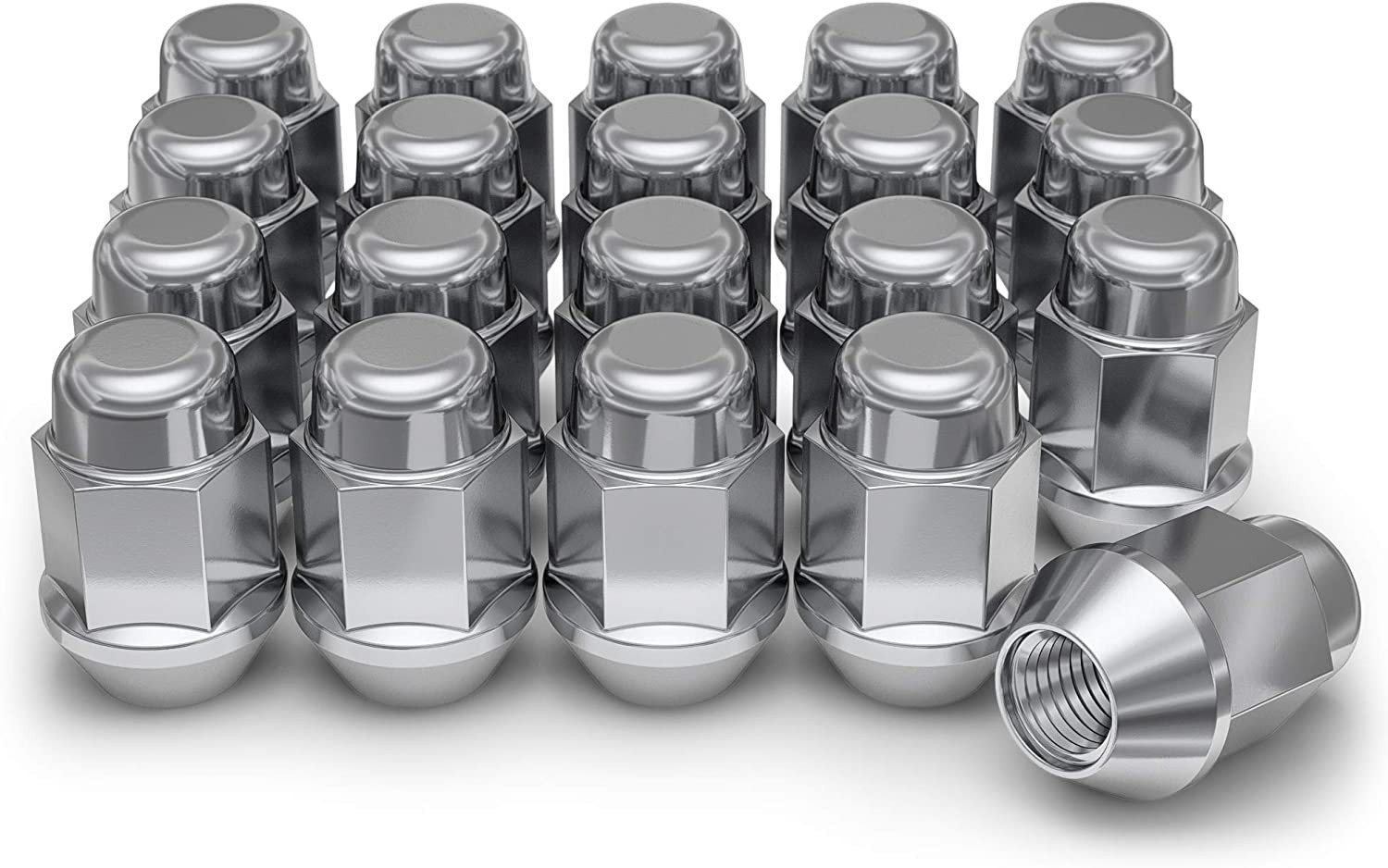
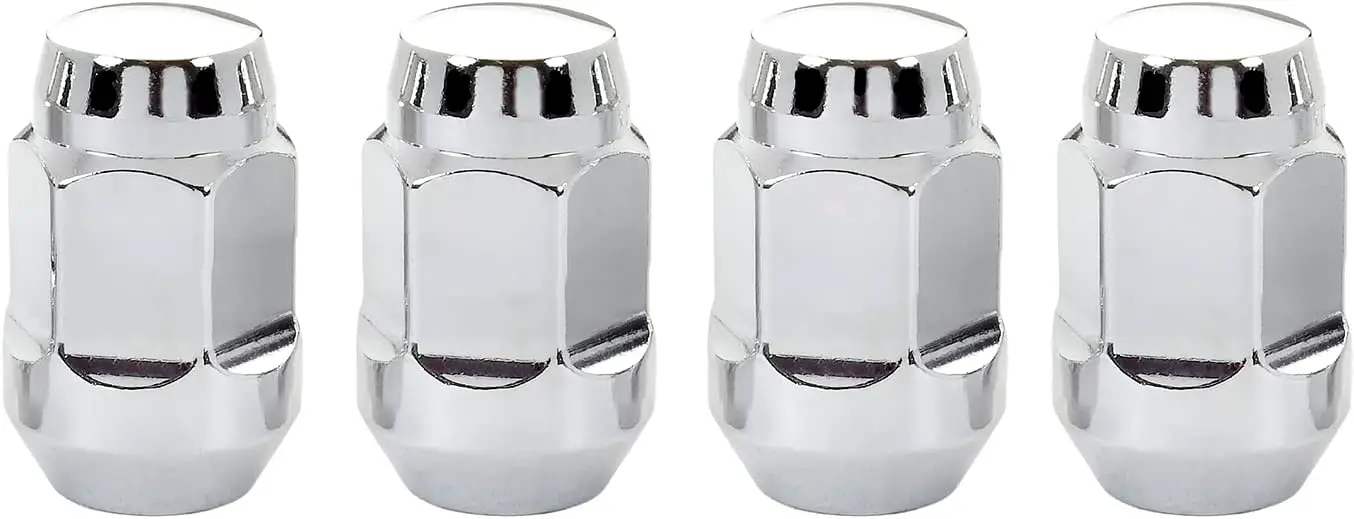
- Install only lug nuts with the correct thread size, seat type, and engagement for the wheel. The known thread size is M12 x 1.5, but lug-nut seat requirements must still be confirmed.
- Start every lug nut by hand to avoid cross-threading.
- Snug the lug nuts in a star or crisscross pattern, then torque them to the vehicle or wheel manufacturer’s specified value using a calibrated torque wrench.
- Do not use an impact gun for final torque unless the tool and procedure are specifically controlled for the required setting.
- After installation, rotate each wheel by hand and check for obvious contact. Lower the vehicle and check clearance with the steering turned fully left and right.
- Check tire pressure using the vehicle’s recommended cold pressure, not the maximum pressure molded into the tire sidewall.
- Recheck lug torque after the first short drive and again according to the wheel manufacturer’s instructions.
- Have the wheels balanced and obtain an alignment if the steering wheel is off-center, the vehicle pulls, or the tires show uneven wear.
Tools And Helpful Supplies
A torque wrench, suitable socket, jack, jack stands, wheel chocks, tire-pressure gauge, and a tread or clearance inspection tool can help with a careful installation. Always support the vehicle with properly rated jack stands on approved lift points. Never work under a vehicle supported only by a jack.
Use the wheel manufacturer’s instructions for torque, hub rings, lug nuts, and any special installation supplies. If you are unsure about lifting points, brake clearance, or fastener compatibility, have the installation inspected by a qualified technician.
FAQs
What is the bolt pattern for the 2017 Ford Taurus?
The known bolt pattern provided for the 2017 Ford Taurus is 5x114.3. Confirm the pattern and all other dimensions before installing a donor wheel.
What is the center bore for the 2017 Ford Taurus?
The known center bore is 63.4 mm. A smaller wheel bore will not pass over the hub. A larger bore may need correctly sized hub-centric rings, subject to the wheel manufacturer’s guidance.
What lug thread size is listed for the 2017 Ford Taurus?
The supplied thread size is M12 x 1.5. Lug-nut thread size alone is not enough. Confirm the lug-seat shape, nut depth, thread engagement, and wheel manufacturer requirements.
Can I use a 17-inch tire on the listed 18-inch wheel?
No. A tire’s rim diameter must match the wheel diameter. The supplied fitment data contains both an 18-inch rim diameter and a 17-inch tire rim diameter, so verify the actual package before ordering or mounting tires.
Does a wheel with a 5x114.3 bolt pattern automatically fit?
No. The wheel must also have a compatible center bore, width, offset, load rating, fastener seat, and brake clearance. Use the calculator for comparison, then verify the physical fit on the vehicle.
How do I compare donor wheels with my Taurus?
Place the donor vehicle or wheel under “Wheels from” and the 2017 Ford Taurus under “Installed on.” Compare every available dimension, then test exact custom wheel and tire sizes if the donor data is incomplete.
What should I verify before buying aftermarket wheels?
Verify the bolt pattern, center bore, diameter, width, offset, load rating, brake clearance, lug-seat type, and tire compatibility. Also confirm the final setup with the wheel maker and OEM sources for your vehicle identification number.
Will changing wheel offset affect clearance?
Yes. Offset changes where the wheel sits relative to the suspension and fender. A different offset can create inner rubbing, outer fender contact, altered steering behavior, or inadequate brake clearance even when the bolt pattern matches.