2010 Ford Transit Connect Wheel Interchange and Fitment Guide
Known OEM Fitment For 2010 Ford Transit Connect
The following specifications are the known OEM fitment values provided for the 2010 Ford Transit Connect. Equipment can vary by trim, market, wheel package, or replacement parts, so confirm the vehicle-specific information before ordering.
| Specification |
Known value |
| Bolt pattern |
5x10⁸ |
| Center bore |
63.4 mm |
| Thread size |
M12 x 1.5 |
| Rim diameter |
15 inches |
| Rim width |
6.0 inches |
| Wheel offset |
ET53, or 53 mm |
| Backspacing |
5.09 inches |
| Tire size reference |
205/65R15 |
| Tire section width |
205 mm |
| Tire aspect ratio |
65 percent |
This table is a fitment reference, not a substitute for the tire placard, owner documentation, or wheel information for your specific vehicle. Confirm the required tire load rating, speed rating, pressure, and any trim-specific equipment through OEM sources before purchase.
How To Use The Wheel Interchange Calculator
Use the calculator to compare wheels from a donor vehicle with the wheels installed on your 2010 Ford Transit Connect. Enter the donor vehicle information in the “Wheels from” fields and enter the Transit Connect information in the “Installed on” fields.
Use the custom wheel fields when you are evaluating a wheel that is not represented by a donor vehicle. You can adjust rim diameter, rim width, and offset. You can also adjust tire section width and aspect ratio in the custom tire fields.
- Start with the known reference values: 15-inch diameter, 6.0-inch width, ET53 offset, and 205/65R15 tire sizing.
- Compare bolt pattern, center bore, offset, rim width, and tire dimensions rather than relying on vehicle name alone.
- When rim diameter changes, the calculator updates the tire diameter in the comparison. Review the resulting tire dimensions before considering a larger or smaller wheel.
- Treat the calculator as a screening tool. Confirm brake clearance, suspension clearance, body clearance, load capacity, and legal requirements in person.
Fitment Checklist Before You Buy
A wheel can share the correct bolt pattern and still be unsuitable. Check every item below before ordering wheels or tires.
- Confirm the 5x10⁸ bolt pattern.
- Confirm that the wheel center bore is 63.4 mm or larger when appropriate hub-centric hardware is used. A smaller bore will not fit over the hub.
- Compare wheel offset with the known ET53 reference. A different offset changes inner suspension clearance and outer fender position.
- Confirm the wheel width and backspacing. The supplied backspacing reference is 5.09 inches.
- Check spoke and barrel clearance around the brake components. Calculator results cannot verify physical brake clearance.
- Check clearance to struts, steering components, control arms, inner wheel wells, and fenders through the full steering and suspension movement.
- Verify the wheel load rating is suitable for the vehicle. The required load rating was not provided here, so confirm it with Ford documentation, the vehicle label, or a qualified tire professional.
- Confirm that the tire size, load index, speed rating, and overall diameter meet the vehicle and local requirements.
- Check whether the vehicle uses tire pressure monitoring sensors and whether the replacement wheels and tires can support the required system.
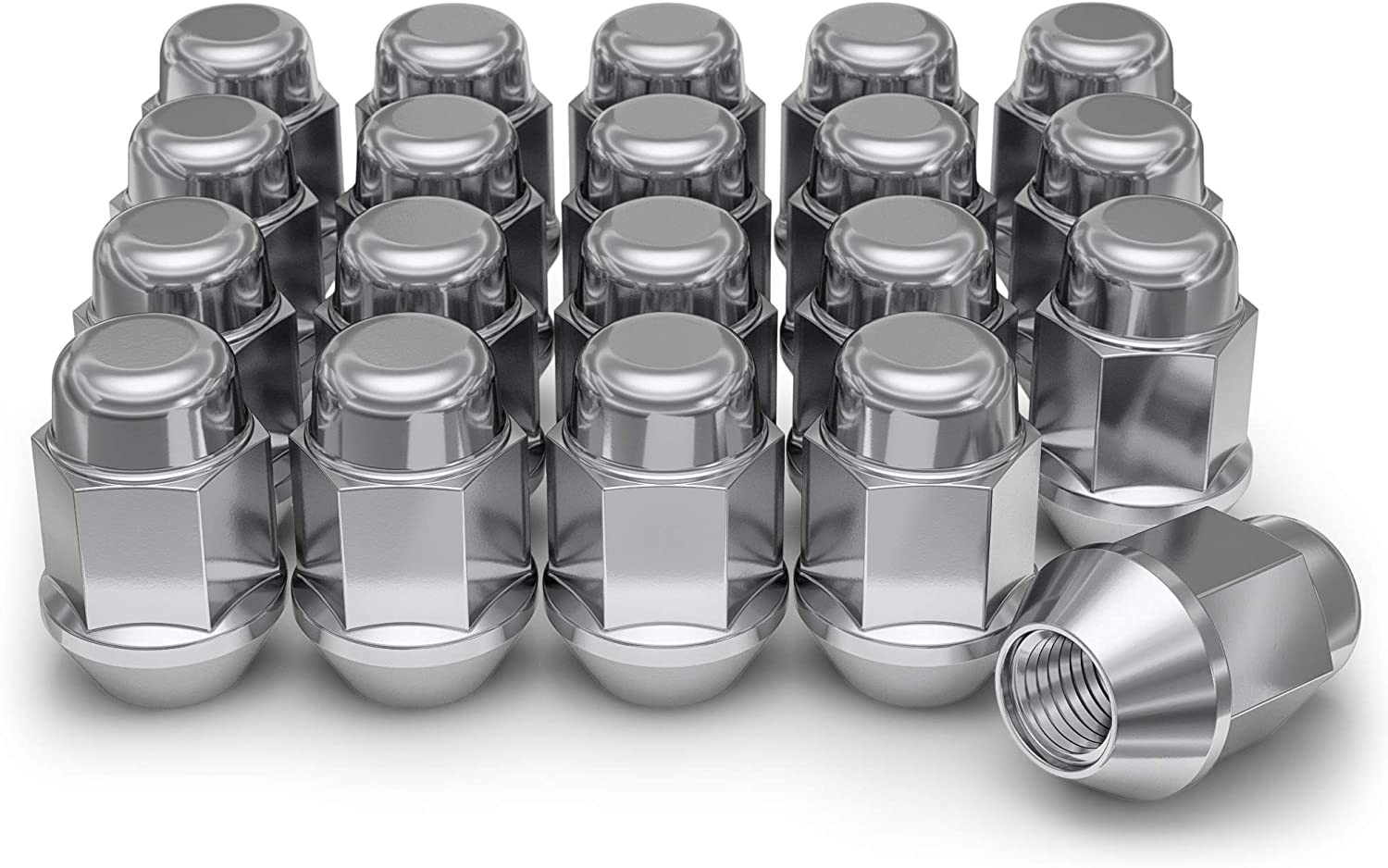
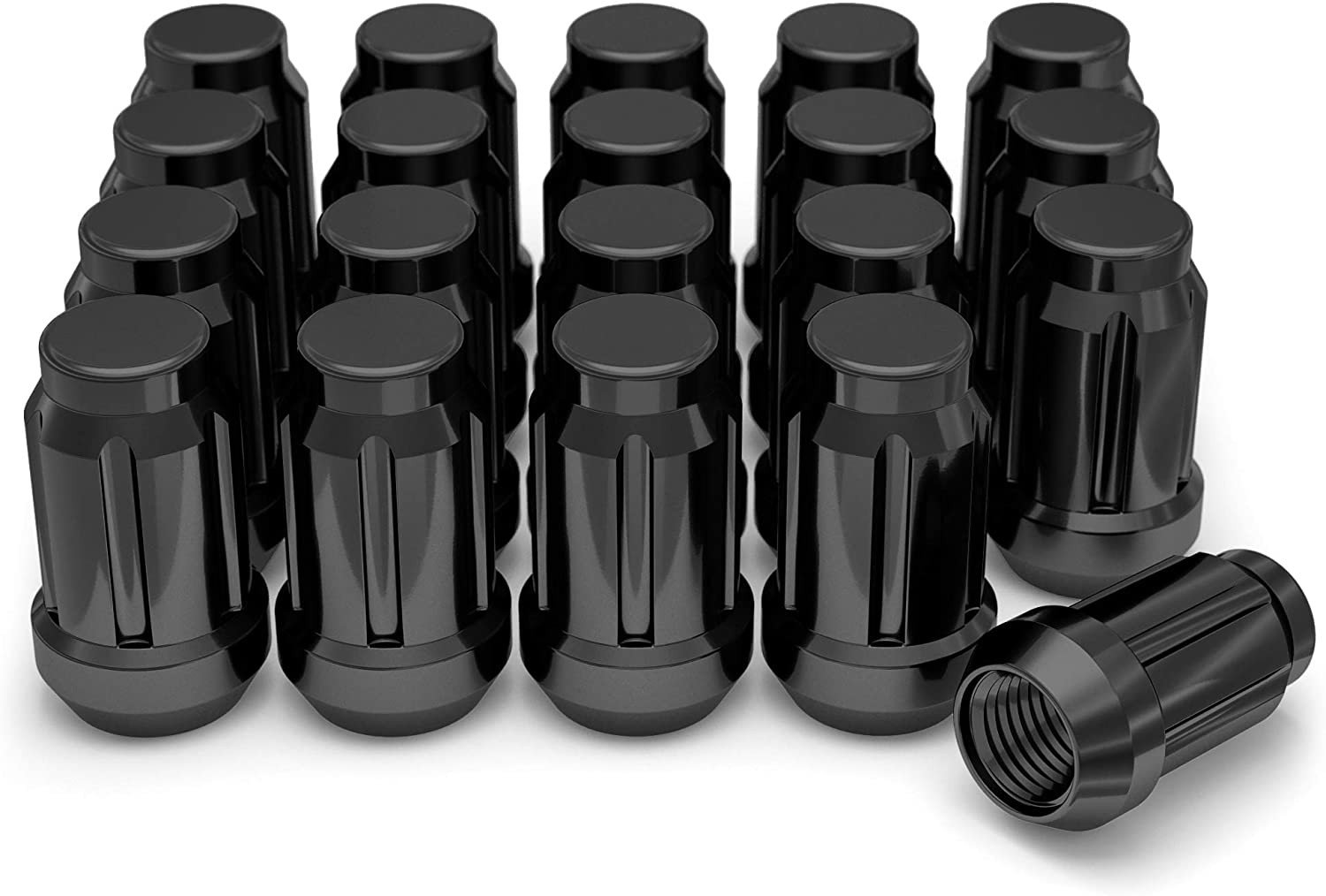
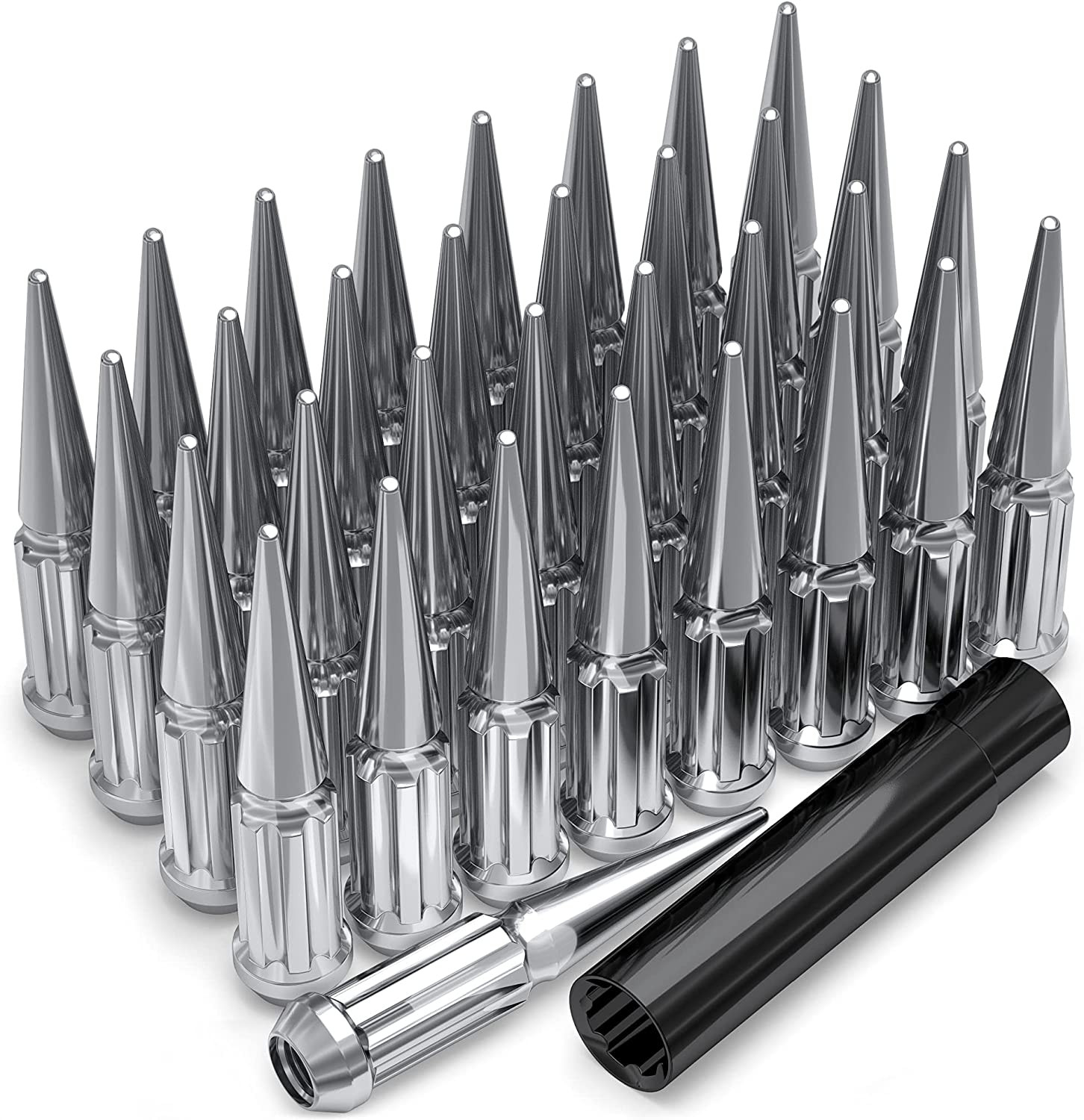
- Confirm the correct lug hardware, seat type, thread engagement, and tightening specification. Do not assume that the original lug nuts fit an aftermarket wheel.
Plus Sizing And Common Upgrades
Plus sizing generally means using a larger wheel diameter with a lower-profile tire while trying to maintain a similar overall tire diameter. The correct upgraded size is not provided here, and compatibility may vary by trim, brake equipment, suspension condition, wheel design, and tire selection.
Use the calculator to compare a proposed rim diameter, rim width, offset, section width, and aspect ratio against the known 205/65R15 reference. A similar calculated diameter does not guarantee clearance or load capacity. A wider tire can contact suspension or body components, while a different offset can move the wheel inward or outward.
Before changing from the known 15-inch setup, verify the proposed tire's load index, speed rating, approved rim-width range, fender clearance, steering clearance, and spare-tire plan. Have a qualified technician inspect the completed installation if any clearance is uncertain.
Installation Tips
Inspect replacement wheels for cracks, bends, corrosion, damaged mounting seats, and inaccurate markings before installation. Wheel markings should be checked against the product documentation, including diameter, width, offset, bolt pattern, center bore, and load rating.
- Clean the hub and wheel mounting surfaces. Do not place washers, spacers, paint, or debris between the wheel and hub unless the component is specifically approved for the application.
- Install the correct lug hardware by hand first. Stop if the threads bind or the lug does not seat correctly.
- Snug the lugs in a star or cross pattern, then lower the vehicle enough to prevent rotation and torque them to the OEM specification.
- The exact torque specification was not provided here. Use the 2010 Transit Connect owner's manual, Ford service information, or another authoritative OEM source.
- Check tire pressure against the vehicle placard rather than using the pressure molded on the tire sidewall as the operating target.
- After installation, check for contact at full steering lock and through suspension travel in a safe setting.
- Recheck lug torque after the first short drive and whenever the wheel manufacturer's instructions require it.
Tools And Helpful Supplies
Basic wheel service normally requires a vehicle-rated jack, jack stands, a properly sized socket, a torque wrench, a tire pressure gauge, and suitable wheel chocks. Use equipment rated for the vehicle and follow safe lifting points from the owner's manual.
Do not work beneath a vehicle supported only by a jack. If you cannot identify the correct lifting point, lug hardware, torque value, or clearance, stop and consult a qualified technician.
FAQs
What is the bolt pattern for the 2010 Ford Transit Connect?
The known bolt pattern is 5x10⁸. Confirm the wheel markings and vehicle documentation before purchase because a matching pattern alone does not prove complete fitment.
What center bore is listed for this Transit Connect?
The known center bore is 63.4 mm. A wheel with a smaller center bore will not fit over the hub. A larger bore may require correctly specified hub-centric rings, depending on the wheel and application.
What is the known original wheel and tire reference?
The supplied reference is a 15-inch diameter wheel, 6.0-inch width, ET53 offset, and 205/65R15 tire sizing. Verify your vehicle's actual equipment using the door-jamb label, wheel markings, and OEM documentation.
Can I use a wheel with a different offset?
Possibly, but the result must be checked carefully. A different offset changes the wheel's inner and outer position and can affect suspension, brake, steering, and fender clearance. Enter the proposed dimensions in the calculator, then perform a physical clearance check.
Can I install larger wheels on a 2010 Ford Transit Connect?
A larger diameter may be possible for some configurations, but no specific larger-wheel fitment is confirmed here. Use the custom wheel and tire fields to compare dimensions, then verify brake clearance, load rating, tire sizing, speed rating, and body clearance.
What lug thread size is listed?
The known thread size is M12 x 1.5. Confirm the required lug nut seat type and engagement for the selected wheel. Aftermarket wheels may require different lug hardware even when the thread size matches.
What torque should I use for the wheel lugs?
The torque value was not provided in this fitment data. Use the 2010 Transit Connect owner's manual or Ford service information for the correct specification, and use a calibrated torque wrench.
Does the calculator guarantee that a donor wheel will fit?
No. The calculator compares listed dimensions and tire changes. It cannot confirm wheel-spoke clearance, brake clearance, load rating, lug seat compatibility, tire pressure monitoring compatibility, or clearance through steering and suspension travel.