2019 Ford Taurus Wheel Fitment and Interchange Guide
Known OEM Fitment For 2019 Ford Taurus
The following specifications are the known fitment data provided for the 2019 Ford Taurus. Confirm the exact equipment on your vehicle before ordering wheels or tires, because specifications can vary by trim, package, market, and replacement parts.
| Specification |
Known value |
| Bolt pattern |
5x10⁸ |
| Center bore |
63.4 mm |
| Thread size |
M12 x 1.5 |
| Rim diameter |
18 inches |
| Rim width |
8.0 inches |
| Wheel offset |
ET39, or 39 mm |
| Backspacing |
5.54 inches |
| Tire section width |
235 mm |
| Tire aspect ratio |
60 percent |
| Tire rim diameter listed in the source data |
17 inches |
There is a diameter discrepancy in the supplied data: the listed wheel diameter is 18 inches, while the listed tire rim diameter is 17 inches. These values should not be treated as one confirmed wheel and tire package. Use the calculator to compare the sizes, then verify the correct factory tire placard, owner manual, VIN-specific parts information, and wheel markings before purchase.
How To Use The Wheel Interchange Calculator
Use the calculator to compare a donor vehicle's wheels with the wheels you intend to install on your 2019 Ford Taurus. Enter the donor vehicle in the “Wheels from” fields and the Taurus in the “Installed on” fields. Compare the bolt pattern, center bore, wheel diameter, width, offset, and tire dimensions.
- Start with the known Taurus measurements listed above.
- Enter the donor wheel's actual markings or manufacturer specifications rather than relying only on a seller's vehicle description.
- Use “Custom wheel size” to test a different rim diameter, width, or offset.
- Use “Custom tire size” to test section width and aspect ratio changes.
- Review the calculated diameter, sidewall, clearance, and position changes before making a decision.
- Remember that changing rim diameter updates the tire diameter comparison. A wheel change must be evaluated together with an appropriately sized tire.
A calculator result is a screening tool, not a substitute for a physical test fit or OEM confirmation. Confirm brake clearance, suspension clearance, fender clearance, load rating, and tire approval before driving.
Fitment Checklist Before You Buy
- Confirm the wheel has the 5x10⁸ bolt pattern and the correct number of mounting holes.
- Check the center bore against the Taurus hub measurement. A wheel bore that is too small will not seat on the hub. A larger bore may require correctly sized hub-centric rings if the wheel manufacturer allows them.
- Verify the wheel's width, diameter, and ET offset from the wheel marking or a reliable manufacturer specification.
- Compare backspacing and inner clearance, especially when changing wheel width or offset.
- Confirm the replacement tire is approved for the wheel width and vehicle load requirements.
- Check that the overall tire diameter is appropriate for the vehicle and that all four tires are compatible with the drivetrain and vehicle systems.
- Make sure the wheel's load rating meets or exceeds the vehicle requirement.
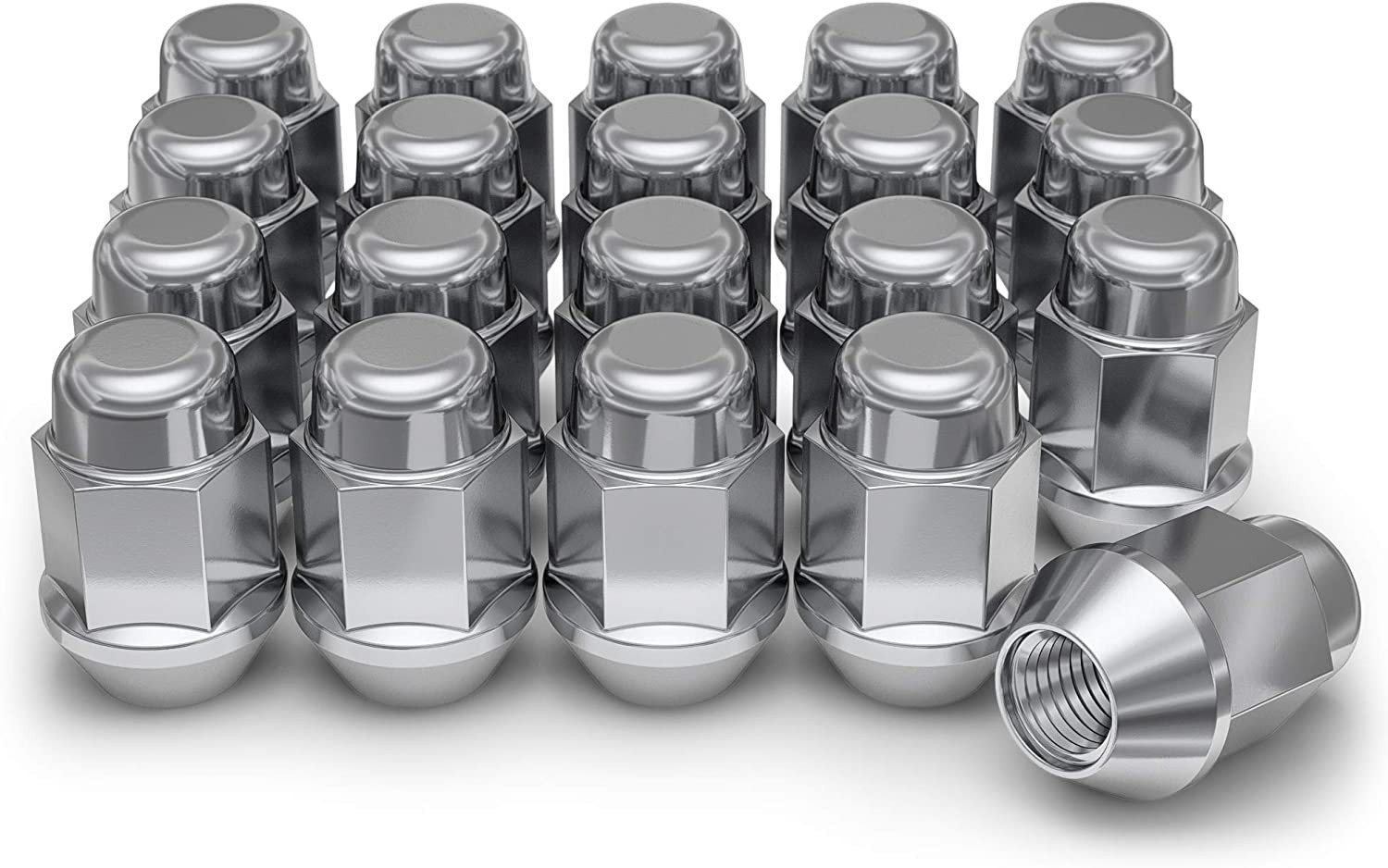
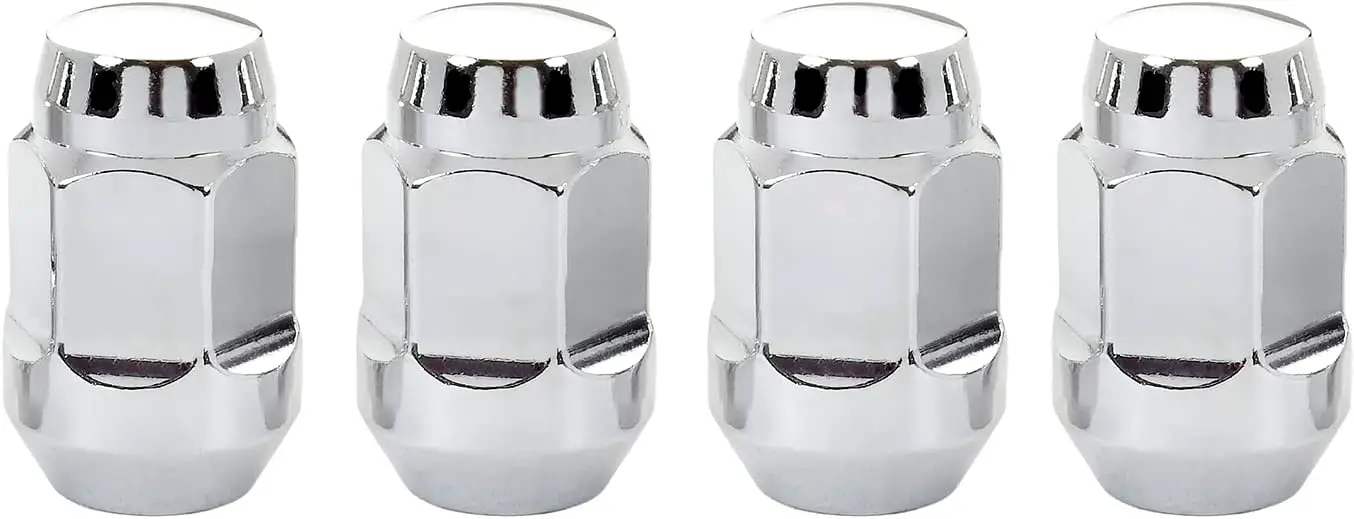
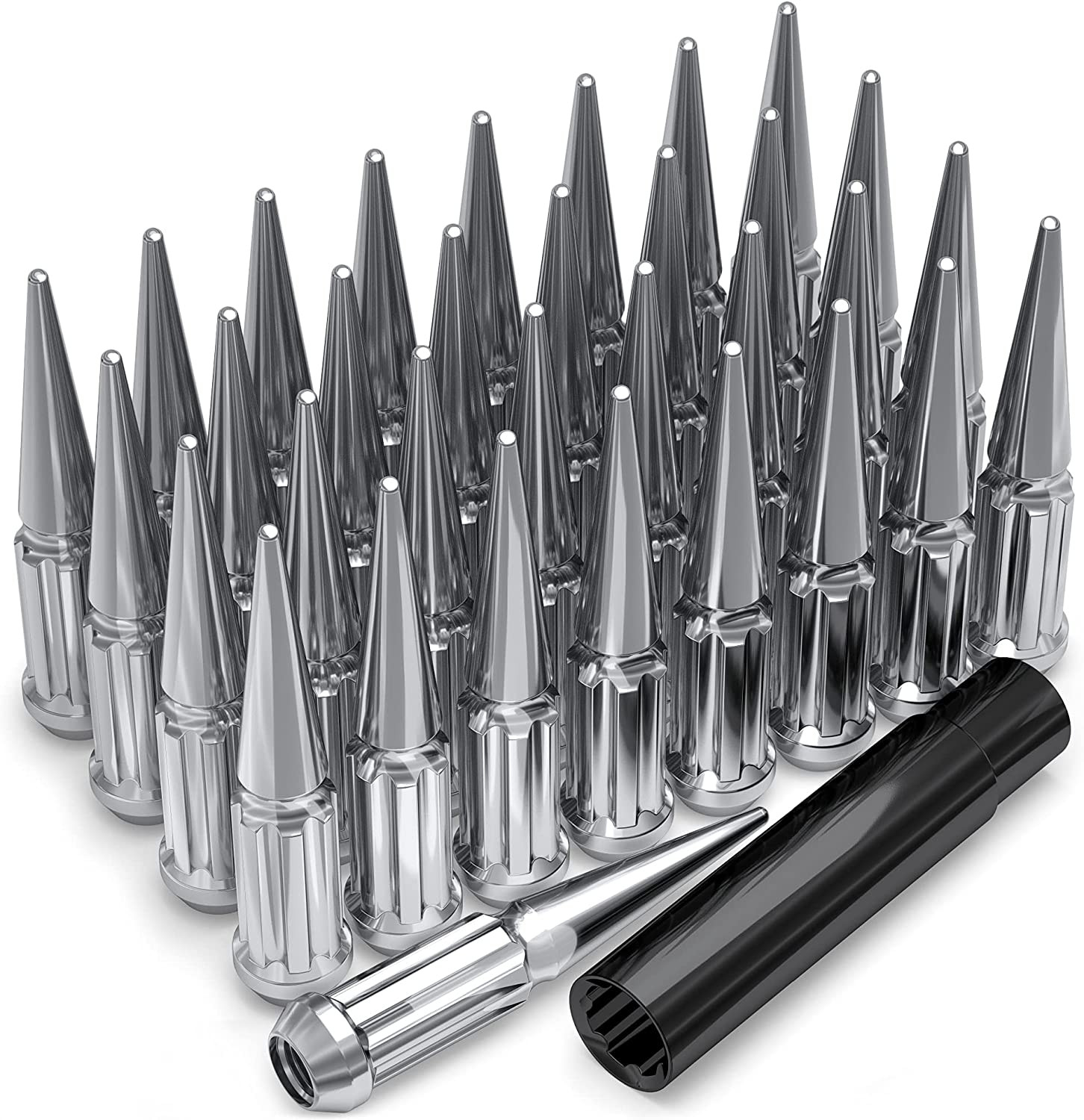
- Confirm the wheel uses compatible lug nuts, seating surfaces, and thread engagement. The known thread size is M12 x 1.5, but lug nut seat type must also match the wheel.
- Inspect for clearance to brake components, struts, steering parts, suspension components, and the fenders through the full range of steering and suspension travel.
- Verify tire pressure and load information on the vehicle placard and follow the vehicle manufacturer's instructions.
Plus Sizing And Common Upgrades
Plus sizing generally means using a larger wheel diameter with a lower-profile tire while keeping the outside tire diameter reasonably close to the approved original size. The goal is to preserve speedometer behavior, clearance, handling balance, and vehicle-system compatibility.
Do not assume that a larger wheel, wider wheel, or different offset is compatible simply because it shares the 5x10⁸ bolt pattern. Width and offset affect inner suspension clearance and outer fender clearance. A larger wheel can also reduce sidewall protection and increase the risk of impact damage or ride harshness.
The supplied data includes both an 18-inch rim diameter and a 17-inch tire rim diameter, so the correct baseline for any plus-sizing comparison must be confirmed first. Use the calculator's custom wheel and tire fields, then compare the result with the tire placard and OEM documentation for your specific Taurus.
Installation Tips
- Inspect the hub face and wheel mounting surface. Remove rust, dirt, and loose corrosion without damaging the mating surfaces.
- Install only wheels that seat flush against the hub and have no interference with the brake assembly.
- Hand-start every lug nut to avoid cross-threading.
- Use the lug nuts specified for the wheel's seat design and verify adequate thread engagement.
- Tighten the lug nuts in a star or crisscross pattern, then torque them to the vehicle or wheel manufacturer's specified value. The correct torque value is not provided here, so obtain it from an OEM or wheel manufacturer source.
- Never use impact tools for final torque unless the manufacturer specifically permits that procedure and the tool is accurately controlled.
- After installation, check for contact by slowly turning the steering from lock to lock and inspecting accessible suspension and brake clearances.
- Recheck lug nut torque after the first drive and again according to the vehicle or wheel manufacturer's instructions.
- After changing tires or wheels, set tire pressure to the vehicle placard specification and recalibrate the tire pressure monitoring system if required.
Tools And Helpful Supplies
Useful supplies can include a calibrated torque wrench, a suitable socket, a tire pressure gauge, a tread-depth gauge, a jack and properly rated jack stands, and a wire brush for cleaning the hub face. Use jack stands on a solid, level surface and follow the vehicle service manual for lifting points.
Shop automotive torque wrenches on Amazon
Shop digital tire pressure gauges on Amazon
FAQs
Does a 5x10⁸ wheel automatically fit a 2019 Ford Taurus?
No. The bolt pattern is only one fitment measurement. Center bore, wheel width, offset, brake clearance, lug nut seat, load rating, and tire compatibility must also be checked.
What is the center bore listed for the 2019 Ford Taurus?
The supplied fitment data lists a 63.4 mm center bore. Confirm the vehicle hub and replacement wheel specifications before using hub-centric rings or purchasing a wheel.
What thread size is listed for the Taurus wheel fasteners?
The known thread size is M12 x 1.5. This does not by itself confirm the correct lug nut because the nut's seat style and required thread engagement must also match the wheel.
Can I install a wheel with a different offset?
Possibly, but it must be evaluated carefully. A different ET value changes the wheel's position relative to the suspension and fender. Use the custom wheel fields in the calculator and perform a physical clearance check before driving.
Why does the supplied information list an 18-inch rim and a 17-inch tire rim diameter?
Those entries are inconsistent as a single wheel and tire package. They may represent different configurations or incomplete source data. Confirm the tire size on the vehicle placard and the wheel diameter stamped or cast on the wheel before using either value as a baseline.
Can I use a wider tire or wheel?
A wider combination may create inner or outer clearance problems and may not be approved for the wheel or vehicle. Check manufacturer-approved tire widths, load ratings, offset, backspacing, steering clearance, and fender clearance.
Do I need to recalibrate the tire pressure monitoring system after changing wheels?
You may need to relearn or recalibrate the system, depending on the sensor and vehicle procedure. Follow the owner's manual or an OEM service source, and verify that the warning system operates correctly after installation.
Where can I confirm the final fitment?
Check the driver's door-jamb tire and loading label, owner's manual, VIN-specific Ford parts information, the wheel manufacturer's specifications, and the tire manufacturer's approved rim-width and load data. If measurements remain uncertain, have a qualified technician perform a test fit.