2010 GMC Sierra 2500HD Wheel and Tire Fitment
Known OEM Fitment For 2010 GMC Sierra 2500HD
The following specifications are the known fitment values provided for the 2010 GMC Sierra 2500HD. Equipment can vary by trim, package, drivetrain, and wheel configuration, so confirm your truck's original equipment before ordering wheels or tires.
| Specification |
Known value |
| Bolt pattern |
8x180 |
| Center bore |
116.7 mm |
| Thread size |
M14 x 1.5 |
| Rim diameter |
20 inches |
| Rim width |
9.0 inches |
| Wheel offset |
ET20 |
| Backspacing |
5.29 inches |
| Tire size |
265/60R20 |
| Tire section width |
265 mm |
| Tire aspect ratio |
60 percent |
| Tire rim diameter |
20 inches |
Use the bolt pattern, center bore, offset, backspacing, wheel width, and tire dimensions together. A wheel can match the 8x180 bolt pattern and still fail to clear the hubs, brakes, suspension, or bodywork. Confirm the original door-jamb tire label, owner's manual, wheel markings, and current tire size with the information above before purchase.
How To Use The Wheel Interchange Calculator
Use the calculator to compare wheels from a donor vehicle with wheels installed on your 2010 GMC Sierra 2500HD. Enter the donor vehicle's wheel diameter, width, offset, bolt pattern, and center-bore information when available. Then enter the Sierra 2500HD information in the installed-vehicle section.
- Compare the donor wheel's bolt pattern with 8x180. Do not assume a wheel fits solely because its diameter or appearance is similar.
- Compare center bore with the known 116.7 mm value. A smaller bore will not fit over the hub without a properly engineered solution, and a larger bore may require hub-centric rings if appropriate for the application.
- Compare rim width, offset, and backspacing to the known 20 x 9.0-inch, ET20 reference.
- Use the custom wheel size fields to test a different rim diameter, width, or offset.
- Use the custom tire size fields to compare section width and aspect ratio.
- When you change rim diameter, review the updated tire diameter in the comparison. Matching overall diameter helps preserve speedometer behavior and available clearance, but it does not confirm load capacity or full suspension clearance.
The calculator is a comparison aid, not a substitute for physical clearance checks, load-rating verification, or OEM confirmation. If a value is not known for your exact trim, measure the existing wheel or verify it from an OEM source rather than guessing.
Fitment Checklist Before You Buy
- Confirm the 8x180 bolt pattern and verify the wheel uses the correct fastener-seat design.
- Confirm the center bore is compatible with the 116.7 mm hub specification.
- Check that the wheel's diameter, width, offset, and backspacing provide adequate clearance at the brake caliper, steering components, suspension, and inner wheel well.
- Verify the wheel's rated load capacity is suitable for a GMC Sierra 2500HD and its intended cargo or towing use.
- Verify the tire load index and speed rating against the truck's door-jamb label, owner's manual, and intended use.
- Check that the replacement tire diameter is appropriate for the vehicle and that the tire does not contact the body during steering or suspension compression.
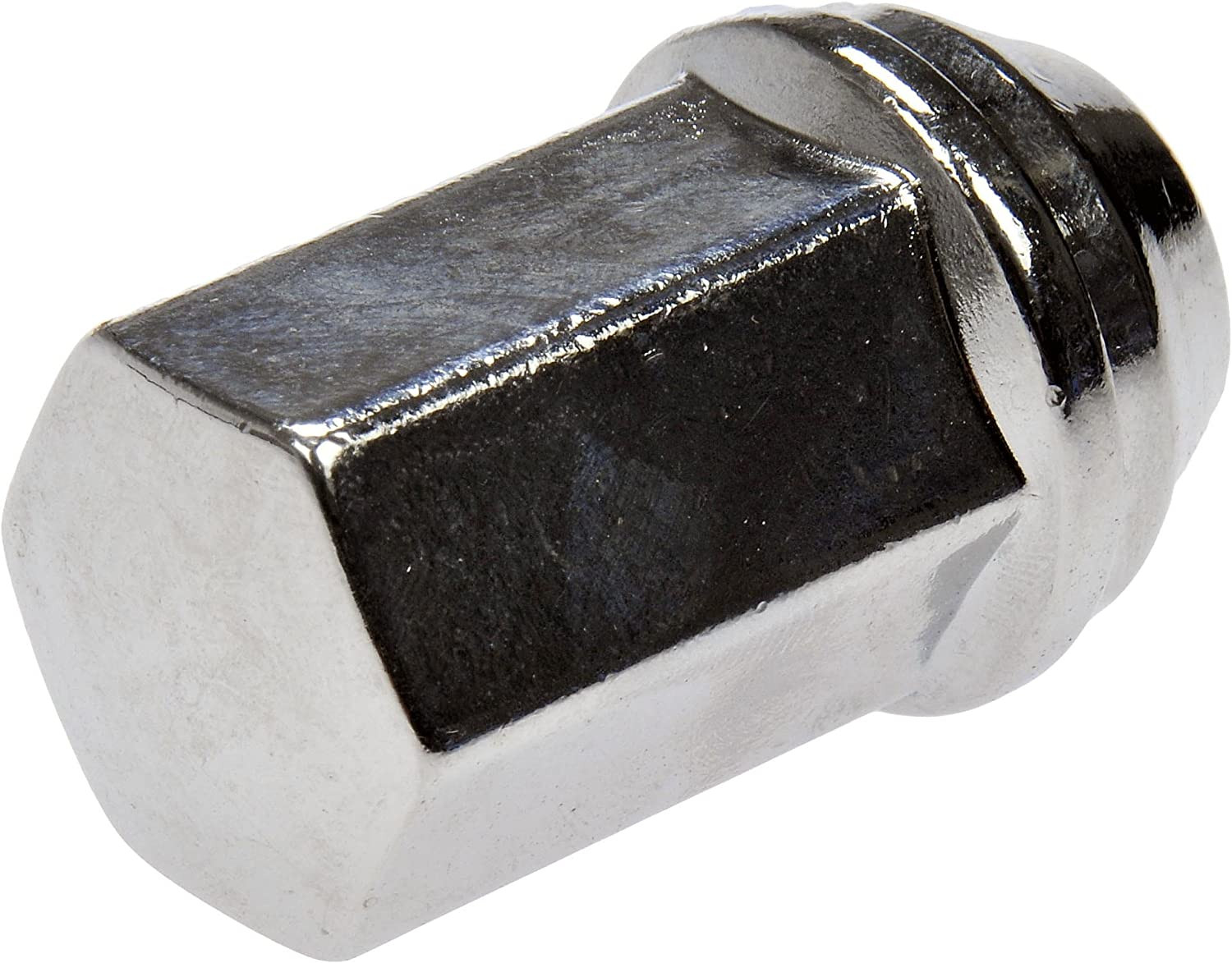
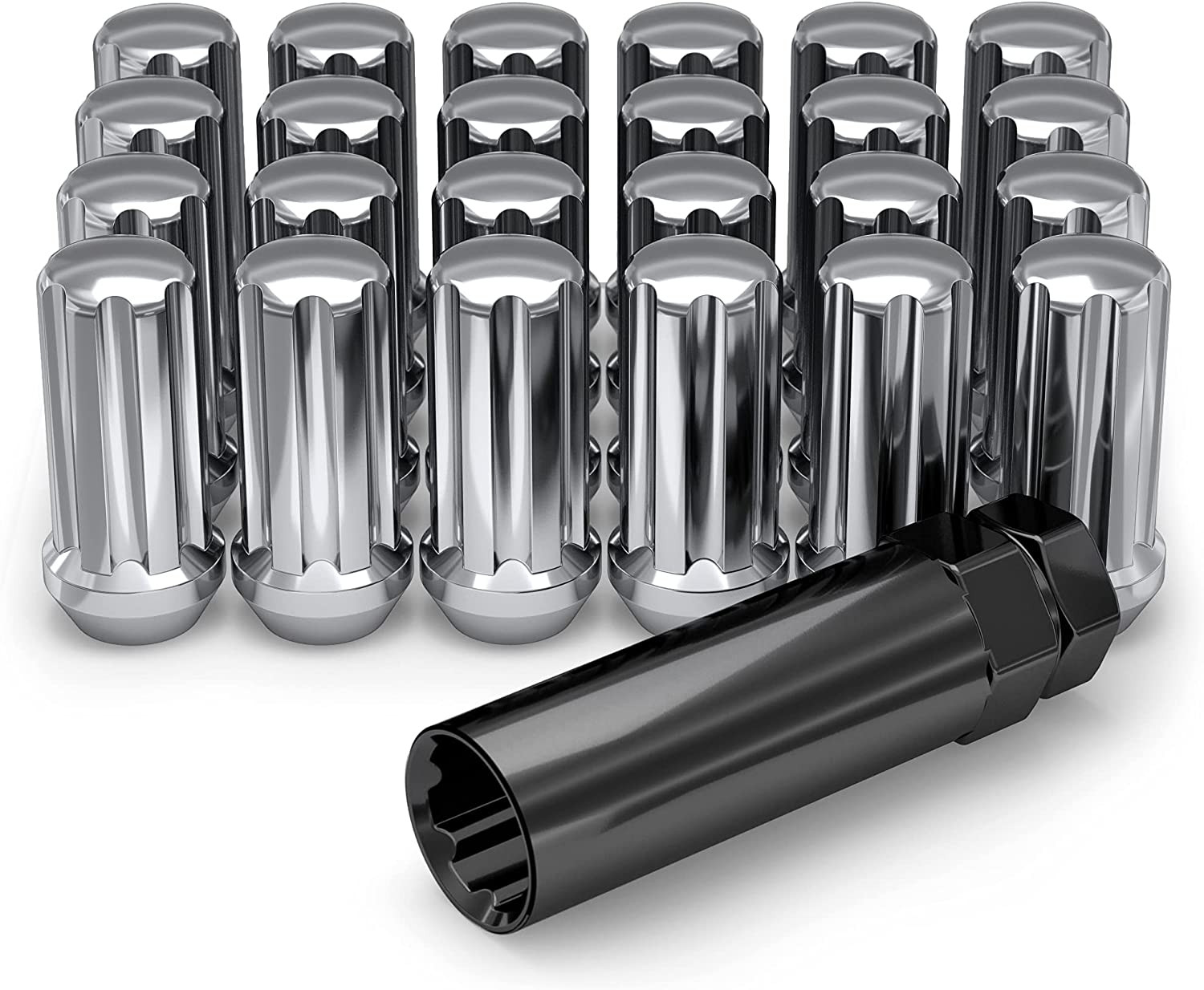
- Confirm the wheel accepts the required M14 x 1.5 hardware and that the seat type matches the lug nuts.
- Inspect used wheels for cracks, bends, corrosion around the bead seat, damaged threads, and altered mounting surfaces.
- After installation, test the truck at full steering lock in both directions and inspect for contact before normal driving.
Plus Sizing And Common Upgrades
Plus sizing changes wheel diameter while reducing tire sidewall height to maintain a similar overall tire diameter. The known reference for this page is a 20-inch wheel with a 265/60R20 tire. A different wheel diameter or tire size may change ride comfort, road-force sensitivity, ground clearance, speedometer behavior, braking feel, and available clearance.
Use the calculator's custom wheel and tire fields to compare proposed combinations instead of assuming a larger wheel will fit. A wider tire can change inner suspension clearance and outer fender clearance. A lower offset generally moves the wheel outward, while a higher offset generally moves it inward, but the exact result depends on the starting wheel width and offset.
Do not use a tire with a lower load capacity than required for the truck. For towing, hauling, off-road use, or severe service, give special attention to the tire's load range, wheel load rating, valve stem rating, and the manufacturer's application guidance.
Installation Tips
Clean the hub face and wheel mounting surface before installation. Rust, paint buildup, dirt, or debris between these surfaces can prevent the wheel from seating correctly and can contribute to loosening or vibration.
- Install only compatible lug nuts with the correct thread and seat design. The known thread size is M14 x 1.5, but the wheel manufacturer determines the required seat style.
- Start all lug nuts by hand to avoid cross-threading.
- Snug the lug nuts in a crisscross pattern, then torque them to the vehicle or wheel manufacturer's specified value using a calibrated torque wrench.
- Never use an impact tool as the final torque method unless the procedure specifically controls the final torque.
- Recheck lug-nut torque after the interval specified by the wheel manufacturer or installer, especially after the first drive.
- Check tire pressure when the tires are cold and use the vehicle placard as the starting reference.
- Inspect for rubbing at full steering lock and after the suspension is loaded. Stop driving if contact, vibration, loose hardware, or air loss occurs.
Tools And Helpful Supplies
Useful supplies include a calibrated torque wrench, a socket that matches the lug nuts, a tire-pressure gauge, a tread-depth gauge, a wire brush or suitable hub-cleaning tool, and a straightedge or measuring tools for checking wheel dimensions. Choose tools that fit the truck's hardware and follow the wheel and vehicle manufacturer's procedures.
Shop automotive torque wrenches on Amazon
Shop digital tire-pressure gauges on Amazon
FAQs
What is the bolt pattern for a 2010 GMC Sierra 2500HD?
The known bolt pattern provided for this 2010 GMC Sierra 2500HD is 8x180. Confirm the vehicle and wheel specifications before ordering because a bolt-pattern match alone does not prove complete fitment.
What is the center bore?
The known center bore is 116.7 mm. A replacement wheel should be checked against this hub dimension, along with the wheel manufacturer's center-bore and hub-ring requirements.
What is the original wheel and tire reference size?
The provided reference is a 20 x 9.0-inch wheel with ET20 offset and 5.29-inch backspacing, paired with a 265/60R20 tire. Your exact trim or package may differ, so verify the door-jamb label and original wheel markings.
Can I install any 8x180 wheel?
No. The wheel must also have compatible center-bore dimensions, offset, width, backspacing, brake clearance, fastener-seat design, and load capacity. Use the calculator for an initial comparison, then confirm the wheel manufacturer's application data.
What lug-nut thread size is known for this truck?
The known thread size is M14 x 1.5. The correct lug-nut seat style and length depend on the wheel, so verify those details before installation.
Will changing wheel diameter change tire diameter?
Changing rim diameter requires a corresponding tire-size comparison. This calculator updates the tire diameter comparison when rim diameter changes, but the result still requires checks for load rating, speedometer effect, and physical clearance.
How can I confirm fitment if my trim information is missing?
Check the vehicle identification information, door-jamb tire label, owner's manual, original wheel stampings, and OEM parts information. Enter confirmed measurements into the calculator and avoid guessing values that vary by trim or package.