2000 GMC Yukon Wheel Fitment
Known OEM Fitment For 2000 GMC Yukon
The verified fitment information available for the 2000 GMC Yukon is limited to the specifications below. Factory wheel diameter, wheel width, offset, backspacing, and tire size can vary or may require confirmation from the specific vehicle and trim.
| Specification |
Known value |
| Bolt pattern |
6x139.7 |
| Center bore |
78.1 mm |
| Thread size |
M14 x 1.5 |
| Rim diameter |
Unknown from the supplied data |
| Rim width |
Unknown from the supplied data |
| Wheel offset |
Unknown from the supplied data |
| Backspacing |
Unknown from the supplied data |
| Tire section width |
Unknown from the supplied data |
| Tire aspect ratio |
Unknown from the supplied data |
| Tire rim diameter |
Unknown from the supplied data |
A 6x139.7 bolt pattern means six wheel studs are arranged on a 139.7 mm pitch circle. The bolt pattern alone does not confirm brake clearance, wheel offset, backspacing, load rating, or tire clearance. Confirm the original specifications using the owner’s manual, the vehicle certification label, OEM parts information, or measurements from the current wheel.
How To Use The Wheel Interchange Calculator
Use the on-page calculator to compare a donor vehicle’s wheel and tire information with the wheels installed on your 2000 GMC Yukon. Enter the donor vehicle in “Wheels from” and enter the Yukon in “Installed on” when comparing a potential replacement.
- Compare the donor wheel’s bolt pattern, center bore, diameter, width, and offset with the known Yukon values and any values you verify from OEM sources.
- Use “Custom wheel size” to enter the proposed rim diameter, rim width, and offset when the donor vehicle is not an exact match or when you are evaluating an aftermarket wheel.
- Use “Custom tire size” to enter tire section width and aspect ratio. The calculator can show how tire diameter changes when the rim diameter is changed.
- Treat the calculator as a comparison and planning tool, not as a substitute for a physical test fit or professional inspection.
- If a value is unknown, do not assume it. Confirm it from the wheel stamp, tire sidewall, OEM documentation, or a qualified wheel and tire specialist before purchasing.
Fitment Checklist Before You Buy
- Confirm the 6x139.7 bolt pattern and verify that the wheel is designed for six M14 x 1.5 wheel studs.
- Confirm the wheel center bore is compatible with the Yukon’s 78.1 mm hub. A smaller bore will not fit over the hub. A larger bore may require correctly sized hub-centric rings when appropriate for the wheel design.
- Verify wheel diameter, width, and offset. These values are not provided here and should not be guessed.
- Check inner clearance to the brake caliper, suspension, steering components, and hub assembly.
- Check outer clearance to the fender, liner, and bodywork through the full steering range and suspension travel.
- Confirm the wheel’s load rating is suitable for the vehicle and intended use.
- Confirm tire size, load index, speed rating, and approved rim width before mounting tires.
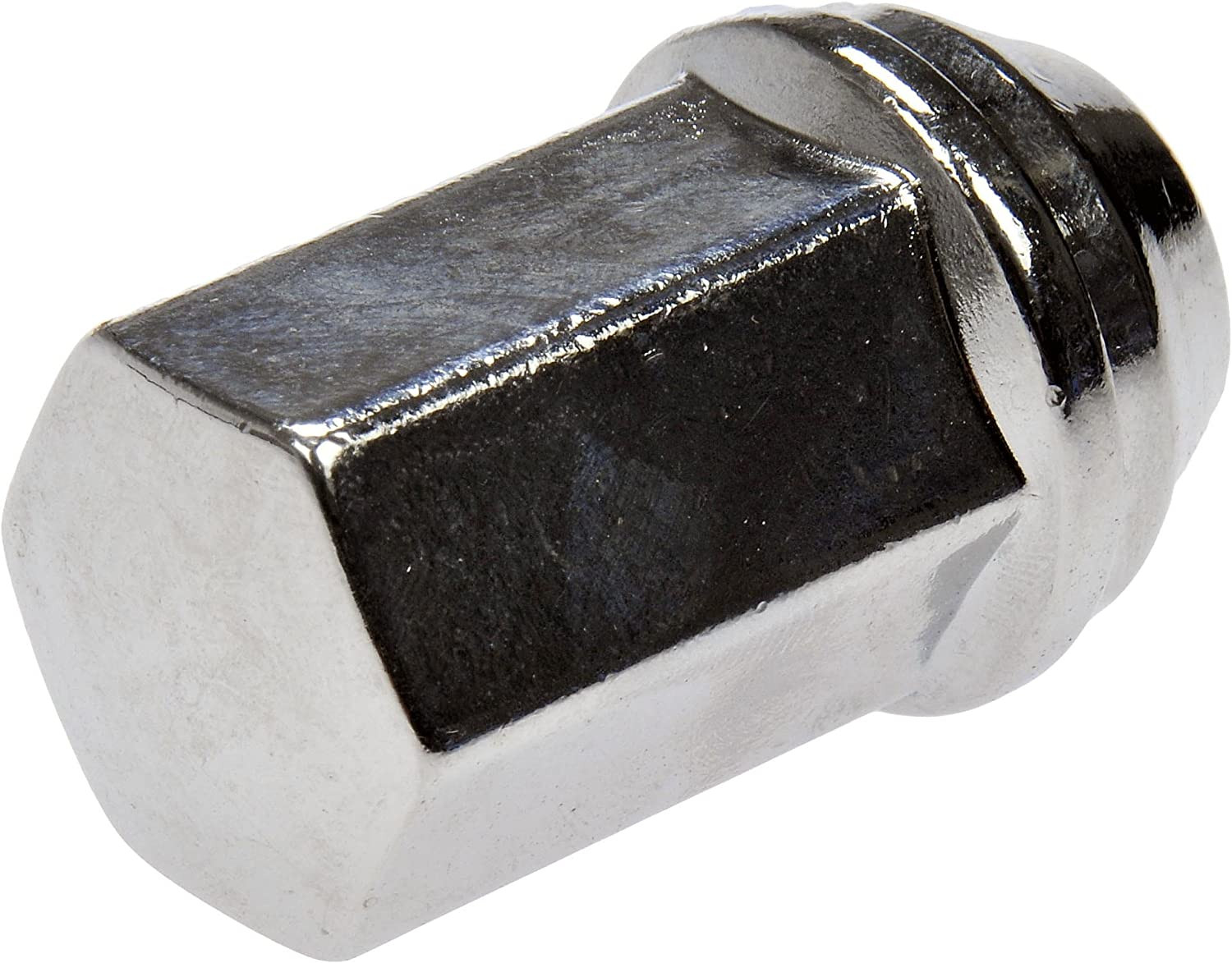
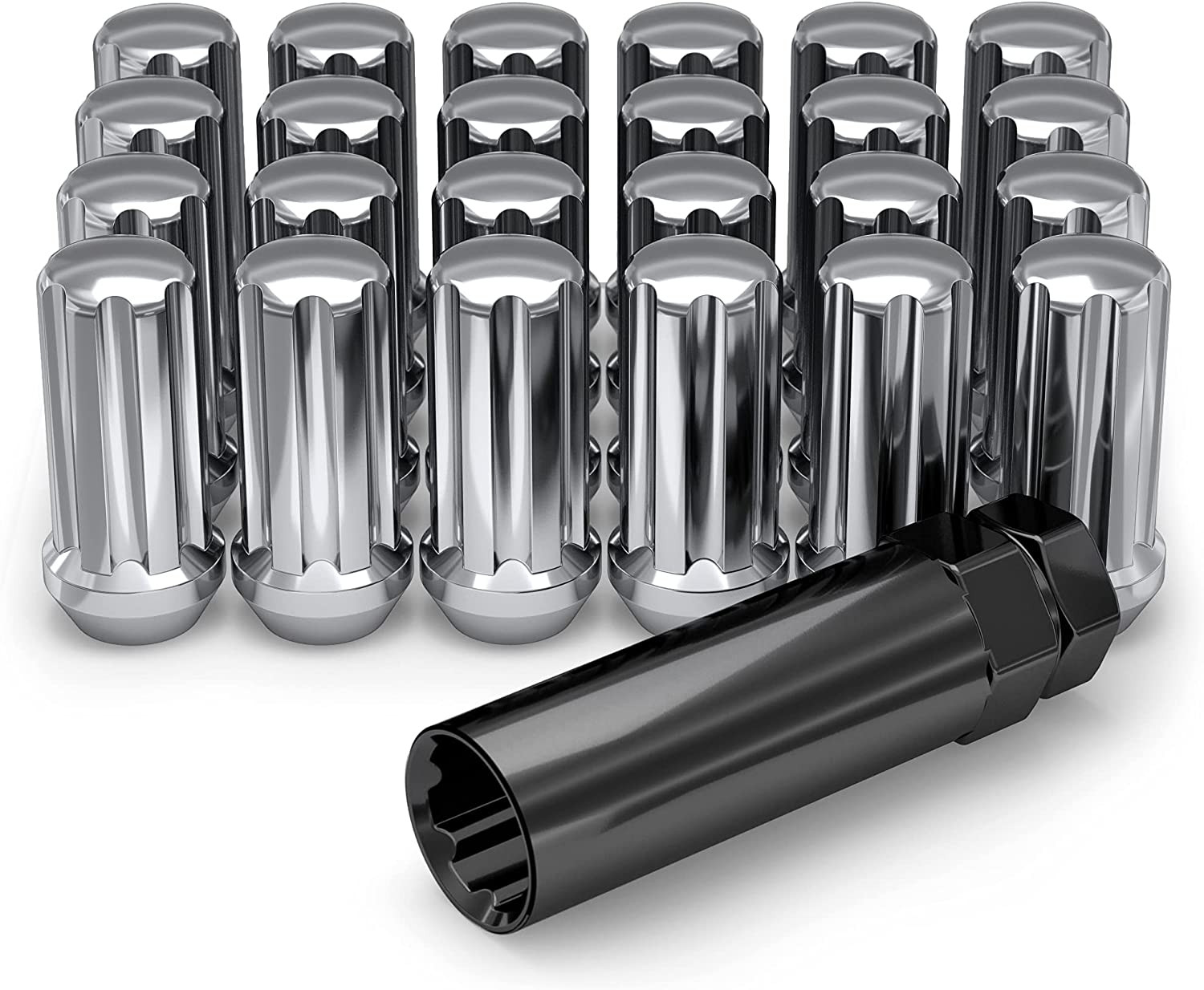
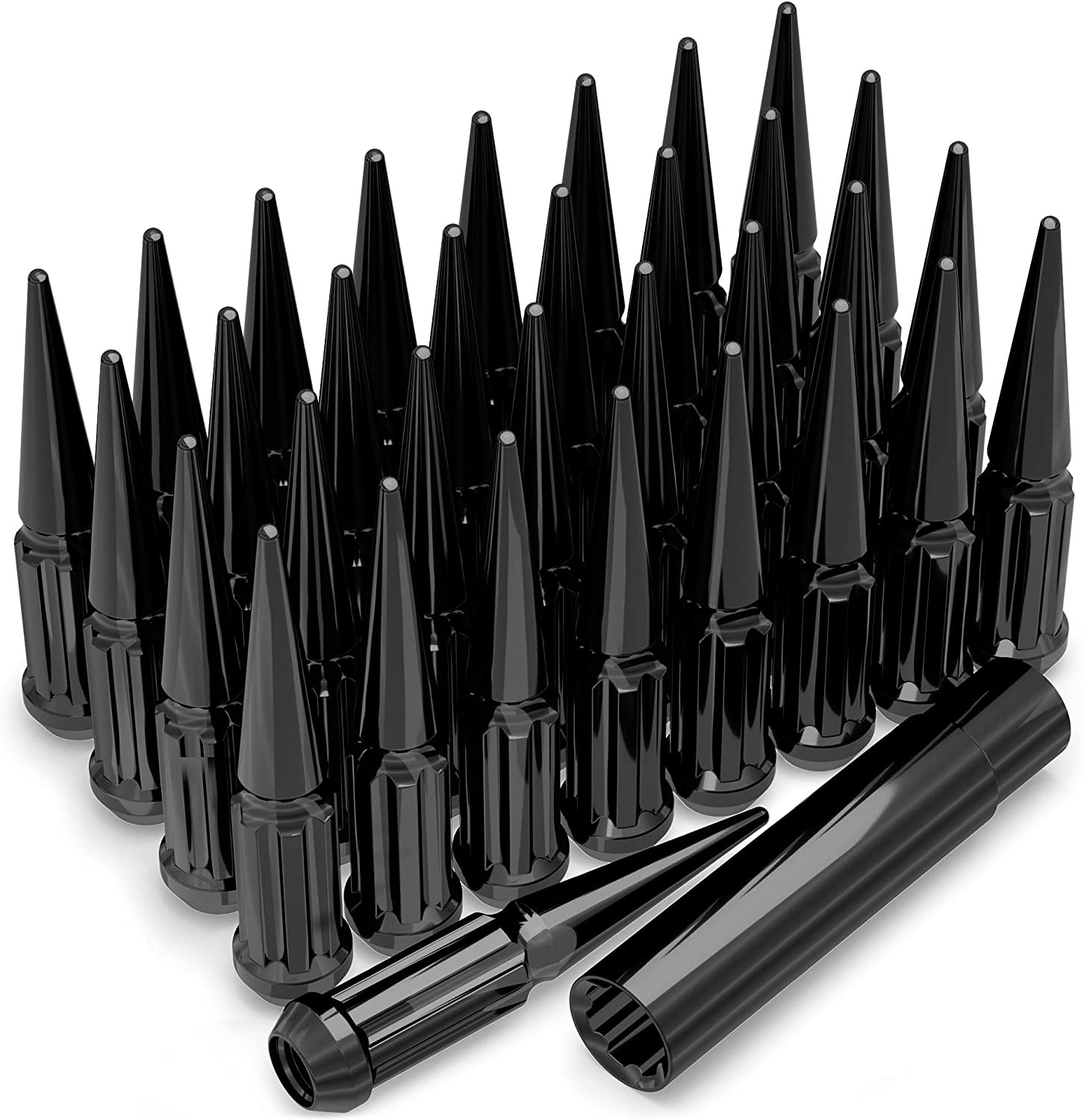
- Verify the lug nut seat type and required lug nut dimensions. The M14 x 1.5 thread does not by itself identify the correct seat or nut shape.
- Inspect used wheels for cracks, bends, corrosion around the bead seat, damaged mounting holes, and missing hardware.
- After installation, check for vibration and rubbing at low speed before normal driving.
Plus Sizing And Common Upgrades
Plus sizing changes the wheel diameter while generally using a lower-profile tire to maintain a similar overall tire diameter. The correct combination for this Yukon cannot be specified from the supplied data because the original tire size, wheel diameter, width, offset, and backspacing are unknown.
Before choosing a larger wheel, compare the proposed tire diameter, section width, wheel offset, and backspacing with the verified original setup in the calculator. A larger or wider combination can affect steering clearance, fender clearance, ride comfort, tire load capacity, speedometer behavior, and suspension clearance.
Do not select a tire solely because its diameter appears similar. The tire must also be approved for the wheel width, meet the vehicle’s load requirements, clear all components, and maintain adequate sidewall protection. Confirm the final setup with the tire manufacturer, wheel manufacturer, and OEM documentation.
Installation Tips
- Install wheels only on clean, flat hub and wheel mounting surfaces. Remove rust, scale, and debris without damaging the hub or wheel.
- Use the correct lug hardware for the wheel’s seat design. Do not force incompatible lug nuts onto the studs.
- Start every lug nut by hand to avoid cross-threading the M14 x 1.5 studs.
- Snug the lug nuts in a crisscross pattern, lower the vehicle so the wheel cannot rotate, and finish tightening with a calibrated torque wrench using the vehicle or wheel manufacturer’s specified torque.
- Do not use an impact wrench for final torque unless the manufacturer specifically permits that procedure and the tool is controlled correctly.
- Check tire pressure against the vehicle’s recommended pressure information, not the maximum pressure molded into the tire sidewall.
- After driving a short distance, recheck lug tightness according to the wheel and vehicle manufacturer’s instructions.
- Stop immediately if you notice rubbing, steering changes, vibration, air loss, or unusual noises.
Tools And Helpful Supplies
Useful supplies include a calibrated torque wrench, the correct socket for the lug nuts, a tire pressure gauge, a tread depth gauge, a wire or nylon hub-cleaning brush, and a straightedge or measuring tools for checking wheel clearance. A torque wrench and tire pressure gauge can be found through Amazon automotive tool listings and Amazon tire pressure gauge listings.
Use wheel spacers or adapters only when they are specifically approved for the vehicle and wheel application. They change effective offset and may introduce additional fitment and safety requirements, so professional verification is recommended.
FAQs
What is the bolt pattern for a 2000 GMC Yukon?
The known bolt pattern is 6x139.7, meaning six studs on a 139.7 mm pitch circle.
What is the center bore for the 2000 GMC Yukon?
The known center bore is 78.1 mm. A replacement wheel with a smaller center bore will not fit over the hub. A larger bore may need an appropriately sized hub-centric ring when suitable for the wheel.
What lug thread size does this Yukon use?
The supplied fitment data lists M14 x 1.5. Thread size does not confirm the required lug nut seat, nut length, or final torque specification, so verify those details for the specific wheel and vehicle.
What wheel diameter and width fit a 2000 GMC Yukon?
The wheel diameter and width are unknown from the supplied data. Confirm them from the current wheel markings, the vehicle certification label, the owner’s manual, OEM parts information, or a qualified wheel specialist. Enter verified values in the on-page calculator before comparing alternatives.
What wheel offset does the 2000 GMC Yukon need?
The offset is unknown here and should not be guessed. Offset affects inner suspension clearance and outer fender position. Confirm the original offset from the wheel marking or OEM source, then compare the proposed wheel in the calculator and perform a physical clearance check.
Can I use wheels from another vehicle with a 6x139.7 pattern?
Not necessarily. The donor wheel must also be compatible with the 78.1 mm hub, wheel-stud and lug hardware requirements, brake clearance, load rating, diameter, width, offset, and tire requirements. Use the calculator for an initial comparison, then verify the complete installation.
Can I install larger wheels or wider tires?
Possibly, but no specific upgrade can be confirmed from the supplied information. Larger wheels and wider tires can change clearance, ride quality, steering behavior, tire load capacity, and overall tire diameter. Compare custom wheel and tire sizes in the calculator and confirm the result with the wheel and tire manufacturers.
Does the calculator guarantee that a wheel will fit?
No. It helps compare donor and custom wheel and tire dimensions. It cannot replace checking brake clearance, suspension clearance, fender clearance, lug seat compatibility, load rating, tire approval, and actual fitment on the vehicle.