2022 GMC Yukon Wheel Fitment Guide
Known OEM Fitment For 2022 GMC Yukon
The following specifications are the known data available for the 2022 GMC Yukon. GMC wheel and tire specifications can vary by trim, package, brake configuration, and market, so confirm the exact specification for your vehicle using the door-jamb tire label, owner’s manual, VIN-based OEM parts information, or a GMC dealer before purchasing.
| Specification |
Known value |
| Bolt pattern, studs x PCD |
6x139.7 |
| Center bore |
78.1 mm |
| Thread size |
M14 x 1.5 |
| Rim diameter |
20 inches |
| Rim width |
9.0 inches |
| Wheel offset |
ET28, or 28 mm |
| Backspacing |
5.6 inches |
| Tire section width |
265 mm |
| Tire aspect ratio |
65 percent |
| Tire rim diameter listed in the supplied data |
18 inches |
The supplied wheel diameter and tire rim diameter do not match: the wheel data lists 20 inches, while the tire data lists an 18-inch rim diameter. Do not combine those values into one tire and wheel package without verification. A tire marked with an 18-inch rim diameter cannot be mounted on a 20-inch wheel. Check the sidewall of the tire currently installed and the vehicle tire-information label to identify the correct factory package for your specific Yukon.
For a replacement wheel, match the 6x139.7 bolt pattern, confirm the 78.1 mm center bore, and verify offset, width, brake clearance, load rating, and lug-seat compatibility. A wheel with a larger center bore may require correctly sized hub-centric rings, while a smaller center bore will not fit over the hub.
How To Use The Wheel Interchange Calculator
Use the calculator to compare wheels from a donor vehicle with the wheels installed on your 2022 GMC Yukon. Enter the donor vehicle and the vehicle receiving the wheels, then review the dimensional comparison before relying on the result.
- Confirm the donor wheel's bolt pattern, center bore, diameter, width, offset, and load rating from the wheel manufacturer or donor vehicle documentation.
- Enter the installed wheel dimensions as accurately as possible. Use the known values above only as a starting point, and verify any trim-dependent information.
- Use the custom wheel size fields to test a different rim diameter, width, or offset.
- Use the custom tire size fields to compare section width and aspect ratio.
- Review changes to inner clearance, outer position, and overall tire diameter. The calculator updates tire diameter when rim diameter changes, so check the complete wheel and tire combination rather than viewing wheel dimensions alone.
- Treat the result as a dimensional screening tool, not a substitute for a physical test fit or OEM confirmation.
Before ordering, compare the calculator result with the vehicle's door-jamb label, owner’s manual, OEM parts catalog, and wheel manufacturer fitment information. Confirm that the final assembly clears the brakes, suspension, steering components, fenders, and wheel-well liners at full steering lock and full suspension compression.
Fitment Checklist Before You Buy
- Verify the Yukon is a 2022 model and confirm its exact trim and factory wheel package.
- Match the 6x139.7 bolt pattern and confirm that the wheel has six correctly positioned lug holes.
- Check the 78.1 mm hub requirement. Do not force a wheel with a smaller center bore onto the hub.
- Compare wheel width and offset with the known 9.0-inch width and ET28 reference data, while allowing for trim-specific variation.
- Confirm that the wheel's load rating meets or exceeds the vehicle manufacturer's requirement.
- Verify the wheel's lug-seat type, thread engagement, and compatibility with the M14 x 1.5 hardware specification. Do not assume the original lug nuts fit an aftermarket wheel.
- Check brake-caliper clearance, including spoke clearance and barrel clearance. Diameter alone does not guarantee brake clearance.
- Confirm tire size, load index, speed rating, and rim diameter. The listed 18-inch tire rim diameter must not be paired with a 20-inch wheel.
- Inspect the complete assembly for fender, liner, strut, control-arm, and steering clearance.
- Confirm that the replacement wheel does not interfere with tire-pressure monitoring sensors or their valve stems.
Plus Sizing And Common Upgrades
Plus sizing means changing wheel diameter while selecting a tire with a different sidewall height so the overall tire diameter stays close to the original. This can improve appearance and steering response, but it may reduce ride comfort and leave less sidewall protection against potholes.
The supplied data includes both a 20-inch wheel specification and a tire specification for an 18-inch rim. Because that combination is internally inconsistent as a single package, use the calculator to model the actual tire and wheel sizes installed on your Yukon before evaluating a plus-size change.
When testing a custom setup, compare overall diameter, section width, wheel offset, backspacing, and load capacity. A wider tire or a more aggressive offset can move the tire closer to the fender or suspension. A smaller offset generally moves the wheel outward, while a larger offset generally moves it inward, but the final result also depends on wheel width.
Do not select a tire solely by appearance. Preserve adequate load capacity, use the correct approved rim-width range, maintain proper speed capability, and verify that electronic systems and speedometer behavior remain within acceptable limits. Follow the tire manufacturer and vehicle manufacturer recommendations.
Installation Tips
Have the replacement wheels and tires professionally mounted and balanced unless you have the correct equipment and training. Before installation, compare the new wheel with the original for bolt pattern, center bore, lug-seat design, width, offset, and brake clearance.
- Clean the hub face and wheel mounting surface. Remove rust, dirt, and debris without damaging the mating surfaces.
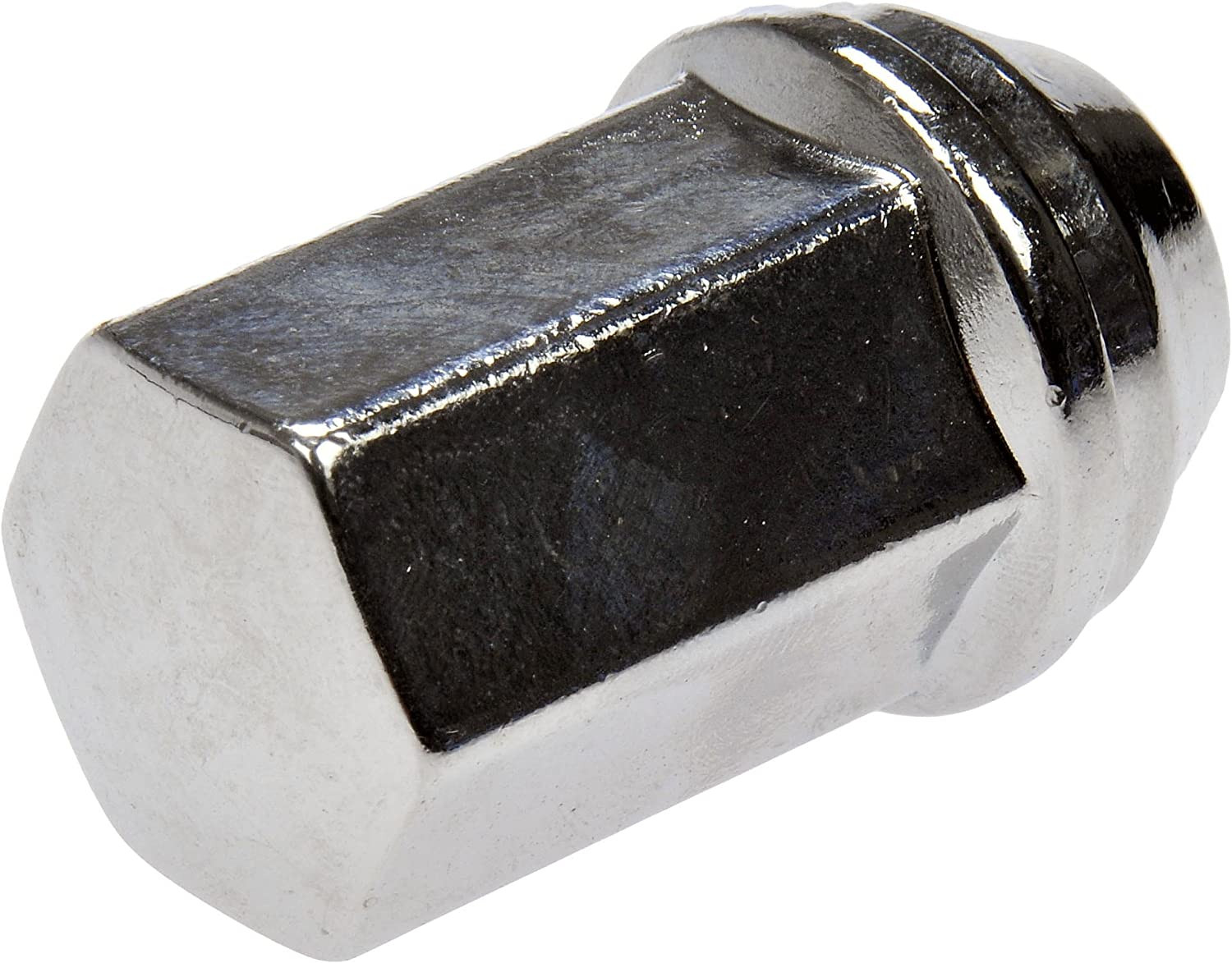
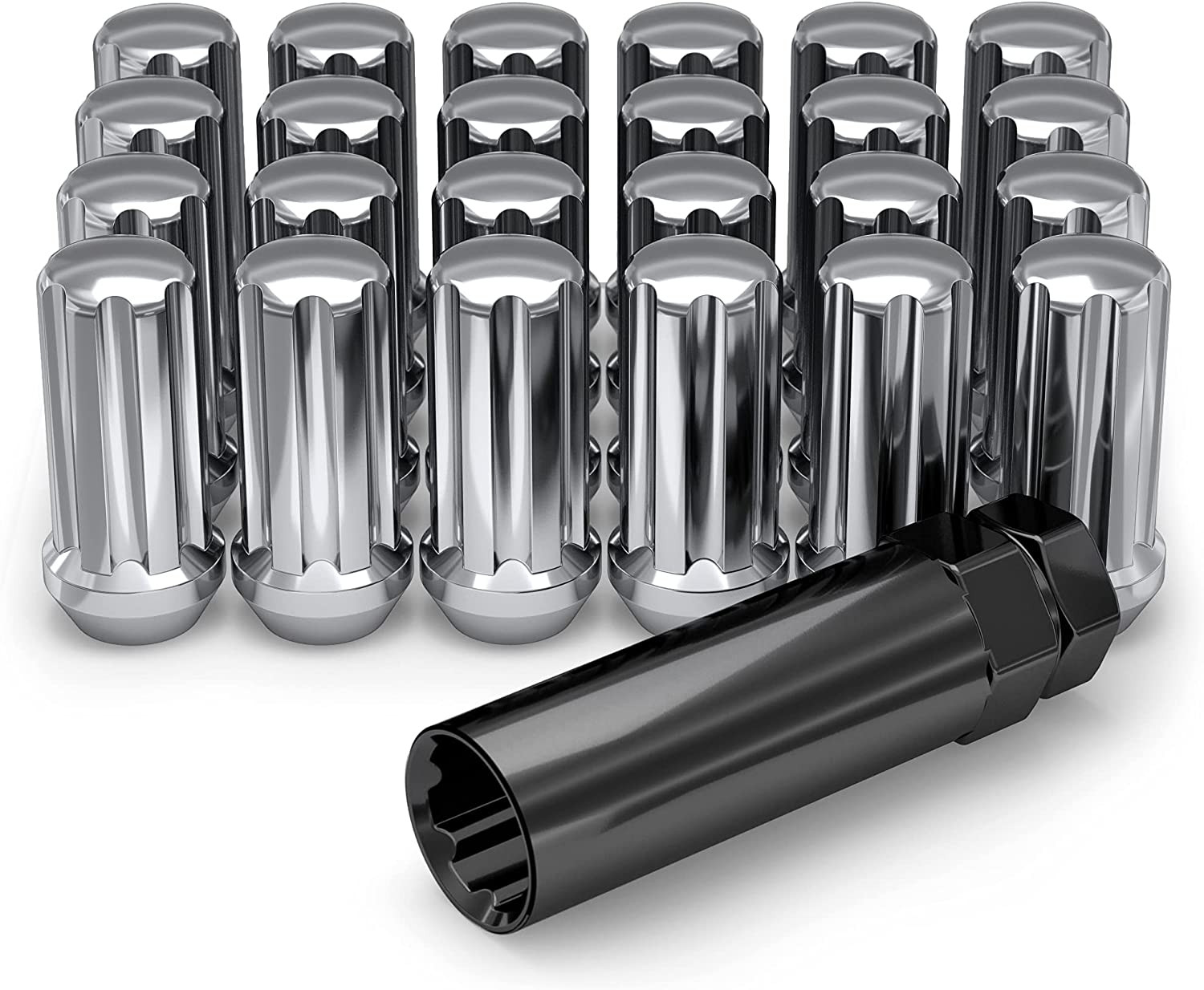
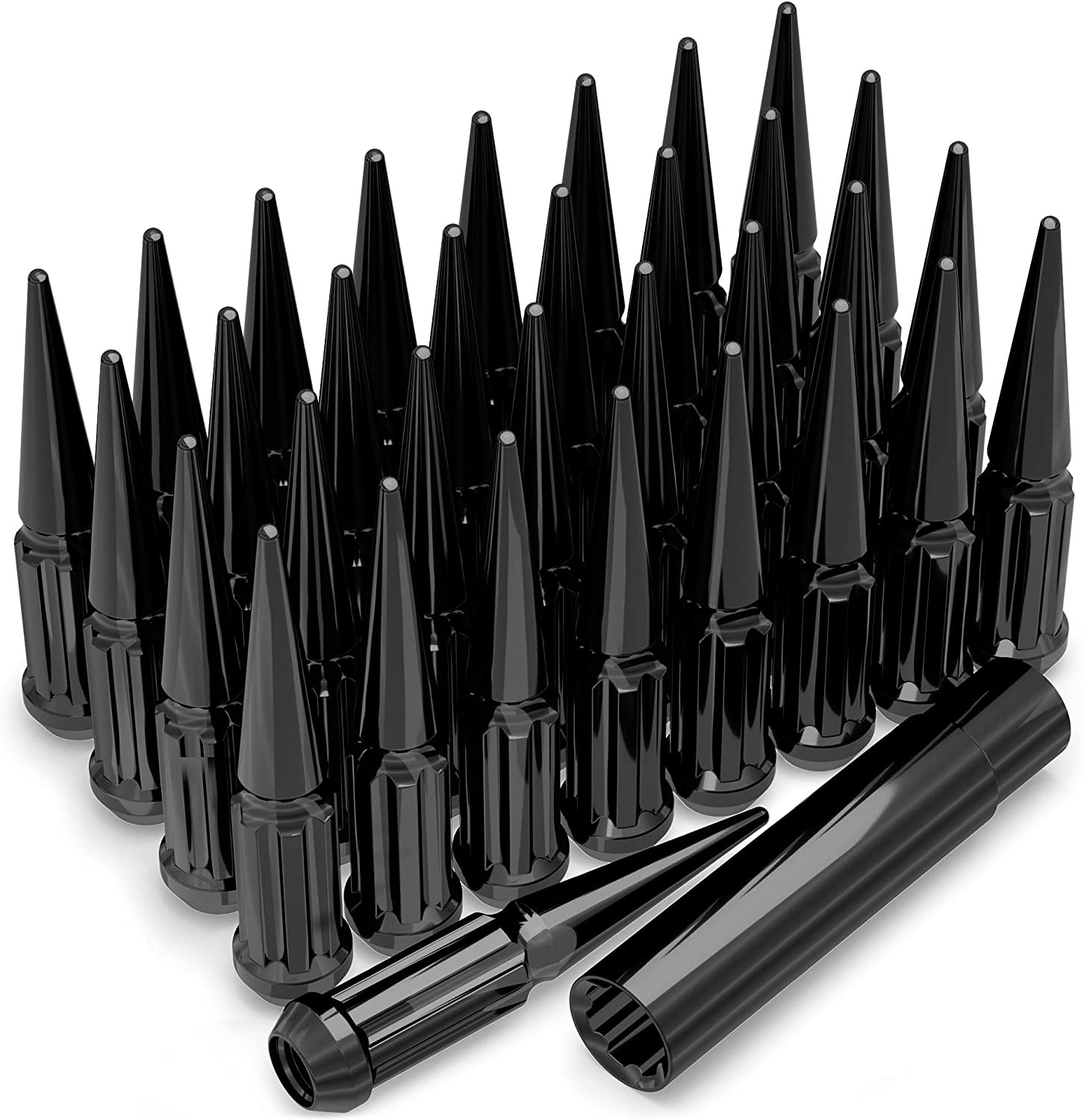
- Install only compatible lug nuts with the correct seat and thread specification. The known thread size is M14 x 1.5, but the lug-seat type still must match the wheel.
- Start every lug nut by hand to prevent cross-threading.
- Tighten the lugs in a star or crisscross pattern, then torque them to the vehicle or wheel manufacturer's specified value with a calibrated torque wrench.
- Never use impact-gun torque as the final tightening method.
- Spin the wheel by hand and inspect for interference before lowering the vehicle fully.
- After installation, test the vehicle at low speed in a safe area and check for rubbing, vibration, pulling, or warning lights.
- Recheck lug torque after the distance specified by the wheel manufacturer or installer, and inspect again after the first several drives.
- Set tire pressure according to the vehicle label, not the maximum pressure molded into the tire sidewall.
Tools And Helpful Supplies
Useful equipment includes a calibrated torque wrench, socket set that fits the compatible lug nuts, a jack and jack stands rated for the vehicle, wheel chocks, a tire-pressure gauge, and a tread or clearance inspection tool. A hub-cleaning brush and suitable anti-corrosion supplies can help prepare the mounting surface, but do not apply lubricant to lug threads or seating surfaces unless the manufacturer specifically instructs you to do so.
For compatible replacement hardware, use the wheel manufacturer's specifications rather than choosing by appearance. You can review available options here:
Always verify product fitment, torque instructions, and warranty requirements before using aftermarket hardware or tools.
FAQs
What is the bolt pattern for the 2022 GMC Yukon?
The known bolt pattern is 6x139.7. Confirm it against the wheel, vehicle documentation, and your exact trim before purchase.
What is the center bore listed for the 2022 GMC Yukon?
The supplied center-bore specification is 78.1 mm. A replacement wheel with a smaller bore will not fit over the hub. A larger bore may require properly sized hub-centric rings when approved by the wheel manufacturer.
What wheel size is listed for this Yukon?
The supplied wheel data lists a 20-inch diameter, 9.0-inch width, ET28 offset, and 5.6-inch backspacing. These values should be verified for the vehicle's trim and factory package.
Can the listed 18-inch tire be installed on the listed 20-inch wheel?
No. A tire designed for an 18-inch rim cannot be mounted on a 20-inch wheel. The supplied data contains both specifications, so verify which tire and wheel package applies to your Yukon before ordering.
What lug thread size is listed?
The known thread size is M14 x 1.5. The lug nut seat must also match the replacement wheel, and the required thread engagement must be confirmed before installation.
Will any 6x139.7 wheel fit the 2022 GMC Yukon?
No. Matching the bolt pattern alone is not enough. You must also check center bore, wheel width, offset, backspacing, brake clearance, load rating, lug-seat design, tire dimensions, and fender and suspension clearance.
How accurate is the wheel interchange calculator?
The calculator is useful for comparing dimensional changes between donor and installed wheels and for testing custom wheel and tire sizes. It cannot verify physical brake clearance, load rating, lug-seat compatibility, tire approval, or every trim-specific restriction. Confirm the result with OEM and manufacturer sources and perform a careful test fit.
Where can I confirm the original tire size?
Check the tire-information label on the driver's door or door pillar, the owner’s manual, the tire sidewall, and VIN-based OEM records. If these sources differ, contact a GMC dealer or qualified tire professional before changing the wheel and tire package.