- Bolt pattern6x139.7 · Same recorded PCD
- Center bore78.1 mm · same recorded hub figure
- Wheel geometryNot fully recorded
Wheel width/offset data is incomplete.
Recorded OEM specifications for the 2004 GMC Yukon, donor years with overlapping ranges, and a calculator to compare a selected wheel. Range overlap is not a guaranteed fit.
Baseline mounting dimensions used for interchange decisions.
Thread-only product links are shopping examples, not verified fits. Seat style is not confirmed here. As an Amazon Associate we earn from qualifying purchases.
These are vehicle-year records whose recorded OEM ranges overlap this 2004 GMC Yukon. Overlap is not a guarantee that a specific wheel will install. Selected-wheel comparison is in the calculator below.
Evaluated 24 donor years. Listed 15 eligible overlaps (not all evaluated years are compatible). Showing all listed.
Years grouped because recorded compatibility evidence is equivalent. Each year keeps its own page.
Wheel width/offset data is incomplete.
Dataset suggestionHub-centric rings ≈ 78.3 → 78.1 mm – not a verified installation requirement.
Wheel width/offset data is incomplete. Hub ring 78.3 → 78.1 mm may apply if mounting dimensions are otherwise compatible.
Only years with evidence-based interchange relationships are listed. Adjacent years are not assumed compatible.
Compare a donor vehicle or custom wheel against this 2004 GMC Yukon. Use Compare in calculator on a donor row above to fill the donor side of this same calculator.
Compare wheel compatibility between two vehicles
2004 GMC Yukon





Example products matched to recorded thread, hub, or spacer dimensions. They are not verified fits. Confirm seat style, thickness, and clearance before ordering.
M14 x 1.5
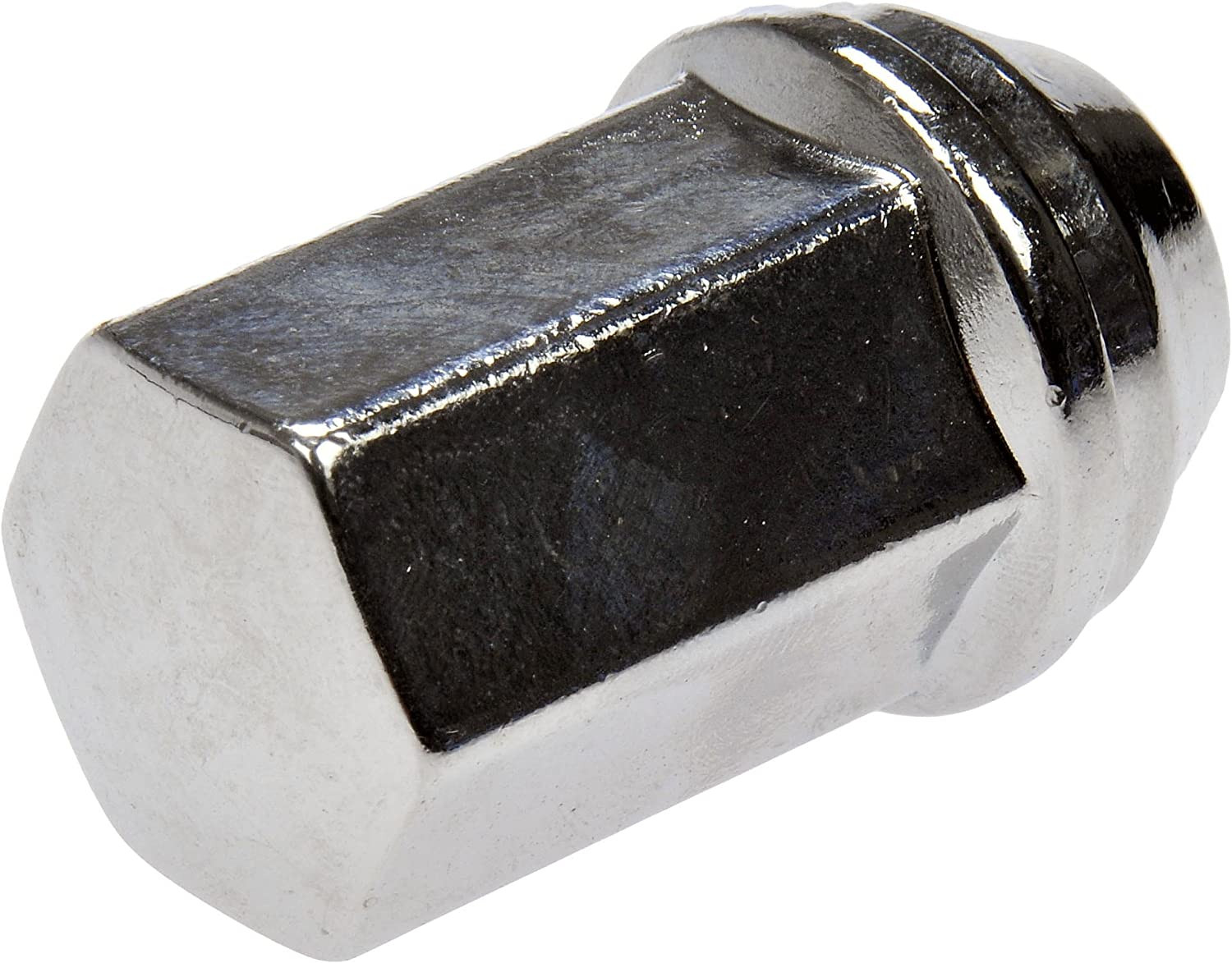
M14 x 1.5 · Thread match only; seat style is not verified
View on Amazon →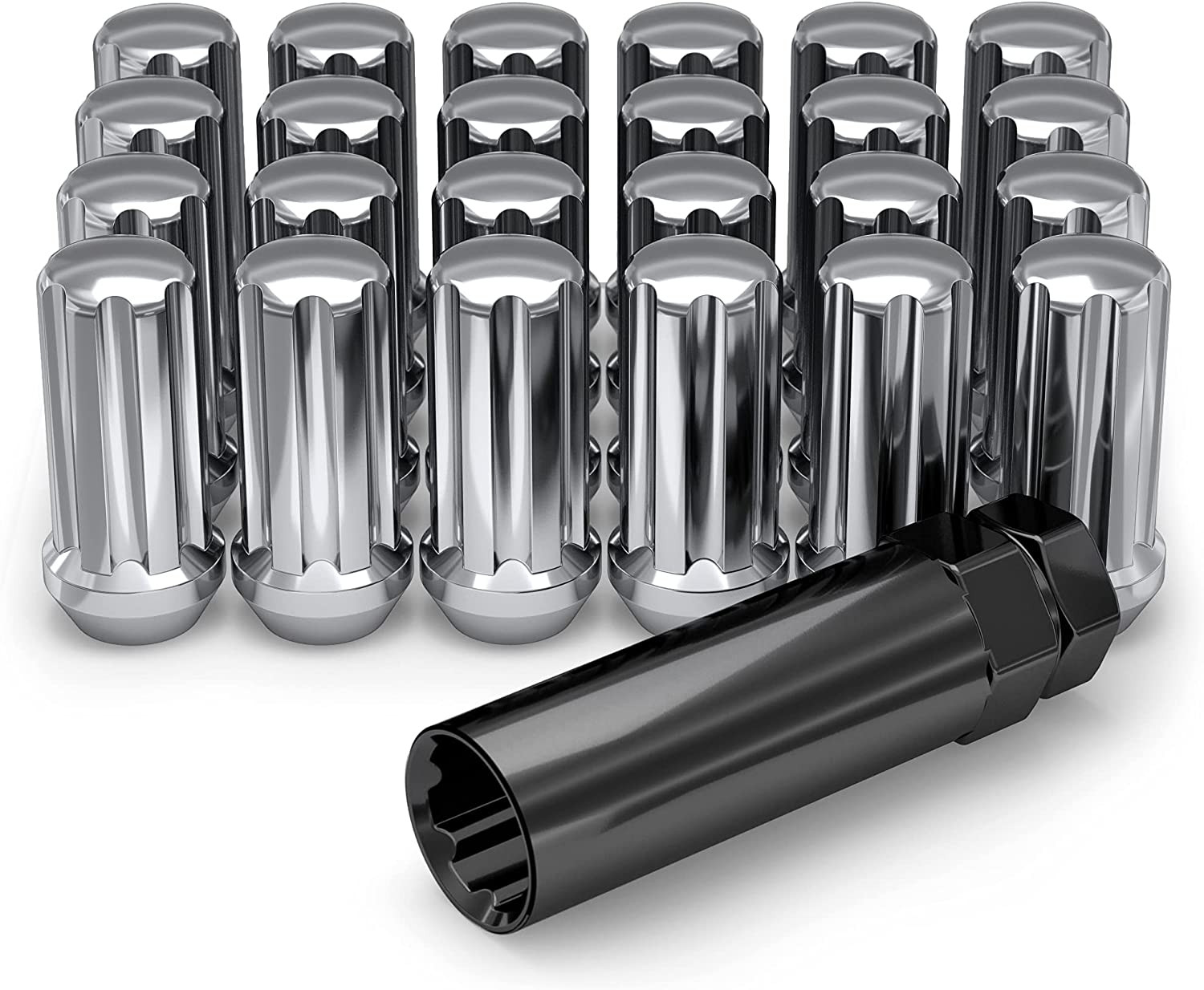
M14 x 1.5 · Thread match only; seat style is not verified
View on Amazon →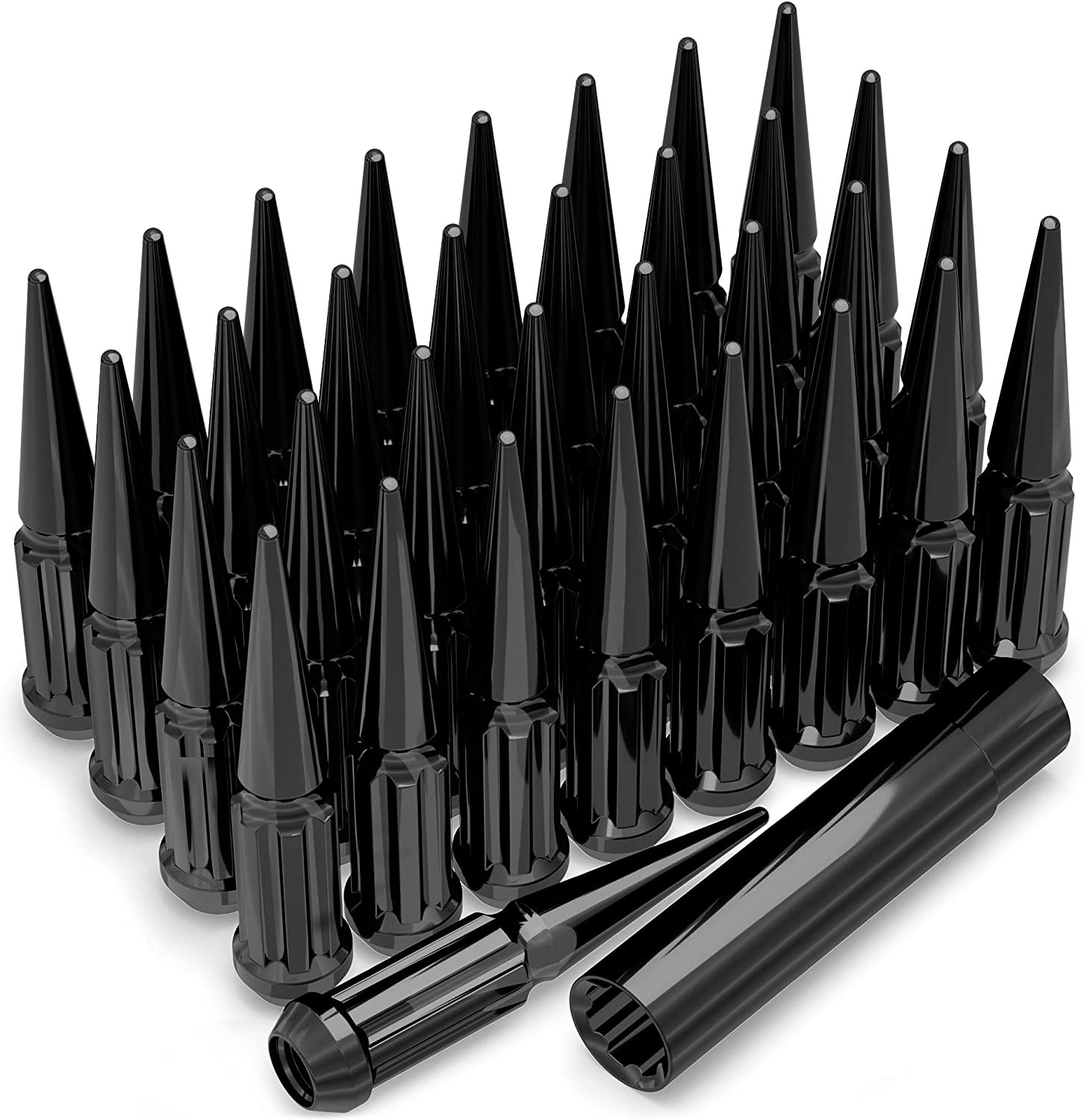
M14 x 1.5 · Thread match only; seat style is not verified
View on Amazon →As an Amazon Associate we earn from qualifying purchases. Product availability and pricing may change.
The confirmed fitment information available for the 2004 GMC Yukon is shown below. Some original-equipment dimensions can vary by trim, package, wheel design, or braking configuration, so unknown values should be confirmed before ordering wheels or tires.
| Specification | Known value |
|---|---|
| Bolt pattern | 6x139.7, also written as 6x5.5 inches |
| Center bore | 78.1 mm |
| Thread size | M14 x 1.5 |
| Rim diameter | Unknown from the supplied data |
| Rim width | Unknown from the supplied data |
| Wheel offset | Unknown from the supplied data |
| Backspacing | Unknown from the supplied data |
| Tire section width, aspect ratio, and rim diameter | Unknown from the supplied data |
Use the vehicle certification label, the markings on the existing wheel and tire, the GMC service information, or a GMC dealer to confirm the original size for your specific Yukon. Do not assume that every 2004 Yukon trim uses the same wheel diameter, width, offset, or tire size.
Use the on-page calculator to compare wheels from a donor vehicle with the wheels installed on your 2004 GMC Yukon. Enter the donor wheel and tire information as accurately as possible, then enter the installed or proposed wheel and tire information for the Yukon.
When the exact vehicle data is unavailable, use the calculator's Custom wheel size fields for rim diameter, rim width, and offset. Use the Custom tire size fields for tire section width and aspect ratio. Changing the rim diameter updates the calculated tire diameter in the comparison, which helps show whether a proposed combination is larger or smaller than the selected reference.
Calculator results are a screening tool, not a substitute for a physical clearance check. Confirm bolt pattern, center bore, thread size, brake clearance, suspension clearance, fender clearance, load rating, and tire pressure requirements before installation.
Start by confirming that the wheel has a 6x139.7 bolt pattern and a center bore that is compatible with the Yukon's 78.1 mm hub. A wheel with a larger center bore may require correctly sized hub-centric rings, while a wheel with a smaller center bore generally cannot seat on the hub without proper machining by a qualified wheel specialist.
Confirm the wheel's diameter, width, offset, and backspacing from the manufacturer or a reliable measurement. Because the original values supplied here are unknown, do not use an assumed offset or backspacing when checking clearance.
Also verify that the wheel clears the brake caliper and suspension components, that the tire does not contact the body at full steering lock or suspension compression, and that the wheel and tire assembly meets or exceeds the vehicle's required load capacity. Check lug-seat style and thread engagement as well. M14 x 1.5 thread size alone does not confirm that a lug nut is correct for a particular wheel.
Plus sizing means using a larger wheel diameter with a lower-profile tire while maintaining a suitable overall tire diameter. It can change steering response, ride comfort, road-hazard exposure, speedometer accuracy, fender clearance, and wheel damage risk.
The correct comparison depends on the Yukon's verified original tire size and the proposed tire size. Since those values are not provided here, the calculator should be used with confirmed measurements rather than an assumed factory baseline. Keep the replacement tire's load index appropriate for the vehicle, and never reduce load capacity simply to obtain a desired appearance.
A wider wheel or tire may require a different offset and can move the inner sidewall closer to the suspension or the outer sidewall closer to the fender. Check clearance under steering lock and with the suspension loaded. Any rubbing, even intermittent rubbing, should be corrected before normal driving.
Inspect the hub and wheel mounting faces before installation. Remove rust, dirt, paint buildup, and debris that could prevent the wheel from sitting flat. Do not use spacers, adapters, or oversized holes to compensate for an incorrect bolt pattern or an unsuitable wheel without professional guidance and documented compatibility.
Install the correct lug nuts for the wheel's seat type and start every lug nut by hand to avoid cross-threading. Tighten the lugs in a star or crisscross pattern, then torque them to the vehicle or wheel manufacturer's specification with a calibrated torque wrench. The correct torque value is not provided here and should be obtained from GMC service information or the wheel manufacturer.
After installation, check tire pressure using the vehicle's specified cold-pressure information. Recheck lug torque after the first short drive and inspect for contact marks, vibration, or loss of pressure. Stop driving if the wheel vibrates severely, a tire rubs, or a warning condition appears.
A torque wrench, accurate tire-pressure gauge, jack and properly rated jack stands, and a socket that matches the selected lug nuts are useful for a safe installation. A tread-depth gauge and a flashlight can also help with inspection. Never work under a vehicle supported only by a jack.
Product compatibility, torque range, and tool quality should be checked before purchase. Follow the wheel, vehicle, and tool manufacturers' instructions.
What is the bolt pattern for a 2004 GMC Yukon?
The supplied fitment data lists a 6x139.7 bolt pattern, commonly expressed as 6x5.5 inches. Confirm the donor wheel's specifications before purchase.
What is the center bore for the 2004 GMC Yukon?
The supplied center bore is 78.1 mm. A larger-bore wheel may need properly sized hub-centric rings, while a smaller-bore wheel may not fit over the hub.
What lug thread size does this Yukon use?
The supplied thread size is M14 x 1.5. The correct lug nut also needs the proper seat type, length, and engagement for the selected wheel.
What is the factory wheel size?
The rim diameter, rim width, and offset are unknown from the supplied data and may vary by trim or equipment. Confirm them from the existing wheel, vehicle label, GMC service information, or a GMC dealer.
What is the factory tire size?
The tire section width, aspect ratio, and rim diameter are not provided. Read the complete tire marking on the vehicle or confirm the specification through OEM documentation before using it as the calculator's reference.
Can I use wheels from another vehicle?
Potentially, but vehicle compatibility cannot be determined from bolt pattern alone. Compare the donor wheel's 6x139.7 pattern, center bore, diameter, width, offset, brake clearance, lug-seat design, and load rating with the Yukon's verified requirements.
How do I compare a different wheel and tire combination?
Enter the donor vehicle in the calculator's Wheels from field and the Yukon in the Installed on field. If a listed specification is unavailable, use Custom wheel size or Custom tire size and review the calculated diameter and clearance differences.
Are hub-centric rings always required?
No. They may be needed when a wheel's center bore is larger than the vehicle hub and the wheel manufacturer specifies their use. They cannot make a wheel with a smaller center bore fit, and they do not correct an incorrect bolt pattern or offset.
What should I do if the new wheels rub?
Do not continue normal driving until the cause is identified. Check tire size, wheel width, offset, backspacing, suspension condition, and fender clearance at full steering lock and through suspension travel. Consult a qualified tire or wheel professional if clearance remains uncertain.
Wheel interchange depends on more than bolt pattern. Where data is available, this site compares recorded OEM values:
A normal wheel spacer does not change bolt pattern. Hub rings cannot enlarge a wheel bore that is smaller than the hub. Brake clearance and tire package fitment still require vehicle-specific checks when not confirmed in the dataset.
