2019 GMC Yukon Wheel Fitment Guide
This guide summarizes the available OEM wheel and tire fitment information for the 2019 GMC Yukon. The specifications below may represent only the known configuration and may vary by trim, package, brake equipment, suspension, or market. Confirm the markings on your current wheel and tire, the vehicle owner’s manual, and GMC parts information before ordering.
Known OEM Fitment For 2019 GMC Yukon
The following specifications are the known values for this vehicle page:
| Specification |
Known value |
| Bolt pattern |
6x139.7, six studs on a 139.7 mm pitch circle diameter |
| Center bore |
78.1 mm |
| Thread size |
M14 x 1.5 |
| Known rim diameter |
18 inches |
| Known rim width |
8.5 inches |
| Known wheel offset |
ET24, or 24 mm |
| Known backspacing |
5.19 inches |
| Known tire size |
265/65R18 |
| Tire section width |
265 mm |
| Tire aspect ratio |
65 percent |
| Tire rim diameter |
18 inches |
These values do not by themselves confirm that every 2019 GMC Yukon trim uses the same wheel. Check the vehicle identification number, door-jamb tire label, original wheel markings, and GMC service or parts information for your specific vehicle. Also verify brake, suspension, and tire-clearance requirements before changing wheel dimensions.
How To Use The Wheel Interchange Calculator
Use the calculator to compare a donor vehicle’s wheel and tire dimensions with the dimensions you plan to install on your 2019 GMC Yukon.
- Enter the donor vehicle in the “Wheels from” section. This identifies the wheel dimensions you want to compare.
- Enter the 2019 GMC Yukon in the “Installed on” section. Treat the vehicle selection as a starting point and verify the displayed specifications against your vehicle.
- Review bolt pattern, center bore, wheel width, diameter, offset, backspacing, and tire dimensions together. A matching bolt pattern alone does not prove safe fitment.
- Use “Custom wheel size” when you know the exact replacement wheel diameter, width, and offset.
- Use “Custom tire size” to compare section width and aspect ratio. When rim diameter changes, the calculator updates the tire diameter in the comparison.
- Check the calculated differences for inner clearance, outer position, and overall tire diameter. Then confirm physical clearance on the vehicle before driving.
A calculator is a screening tool, not a substitute for a test fit or manufacturer confirmation. Wheel spoke clearance, brake-caliper clearance, hub shape, tire construction, and suspension movement can affect fitment even when the basic measurements appear close.
Fitment Checklist Before You Buy
- Confirm the six-lug 6x139.7 bolt pattern.
- Confirm that the wheel’s center bore is 78.1 mm or properly adapted with suitable hub-centric rings when appropriate. Do not use rings to correct an incompatible bolt pattern.
- Verify the wheel diameter, width, and offset. The known setup is 18x8.5 with ET24, but the correct dimensions may vary by trim or package.
- Confirm that the wheel clears the front and rear brake assemblies, including calipers and weights used for wheel balancing.
- Check inner clearance to struts, control arms, steering components, and suspension parts through the full range of movement.
- Check outer clearance to the fender, liner, and mud flap during steering and suspension compression.
- Match the tire load index and speed rating to the vehicle requirements. Do not select a tire based only on width or appearance.
- Make sure the tire is approved for the wheel width and that its overall diameter is appropriate for the vehicle’s systems.
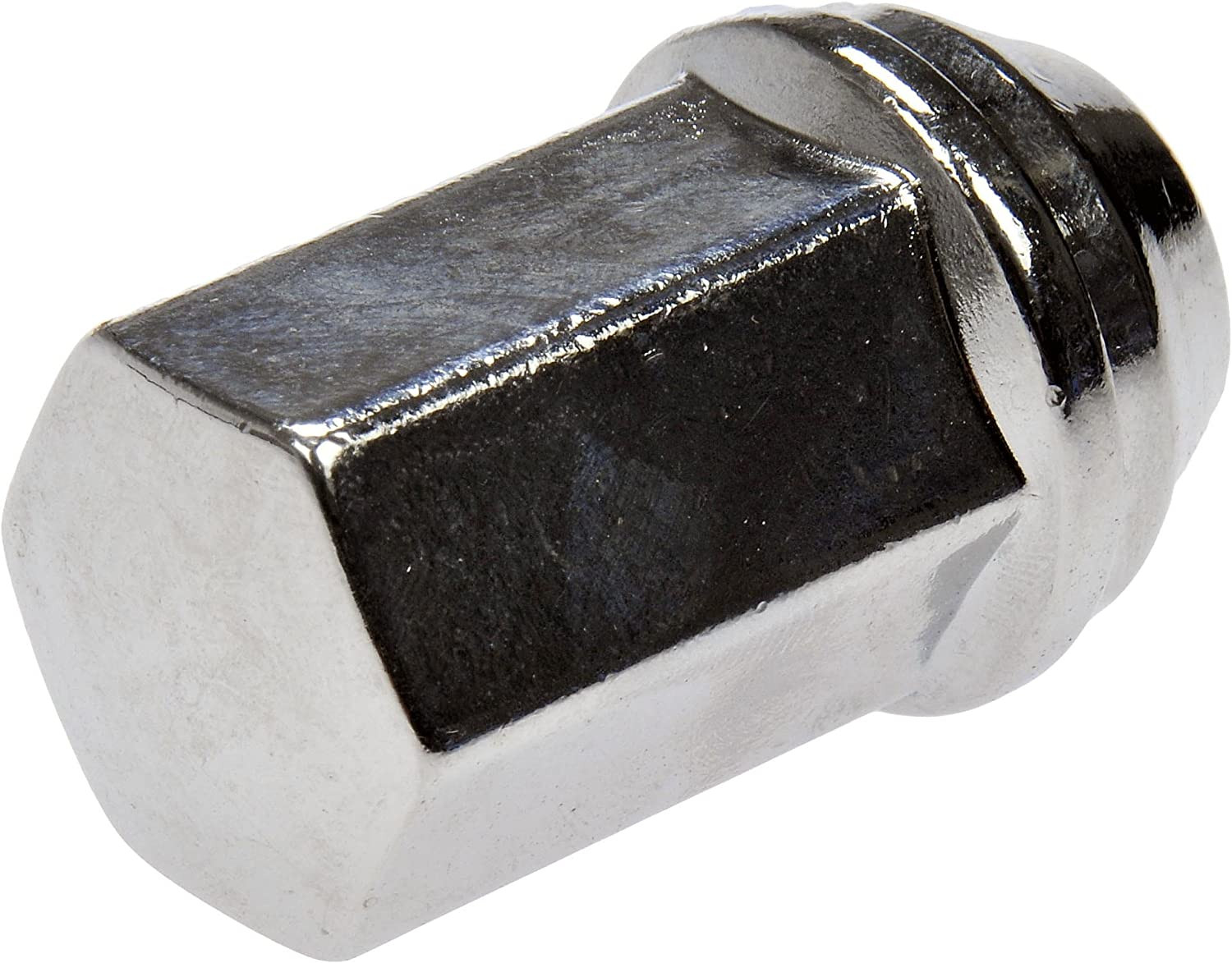
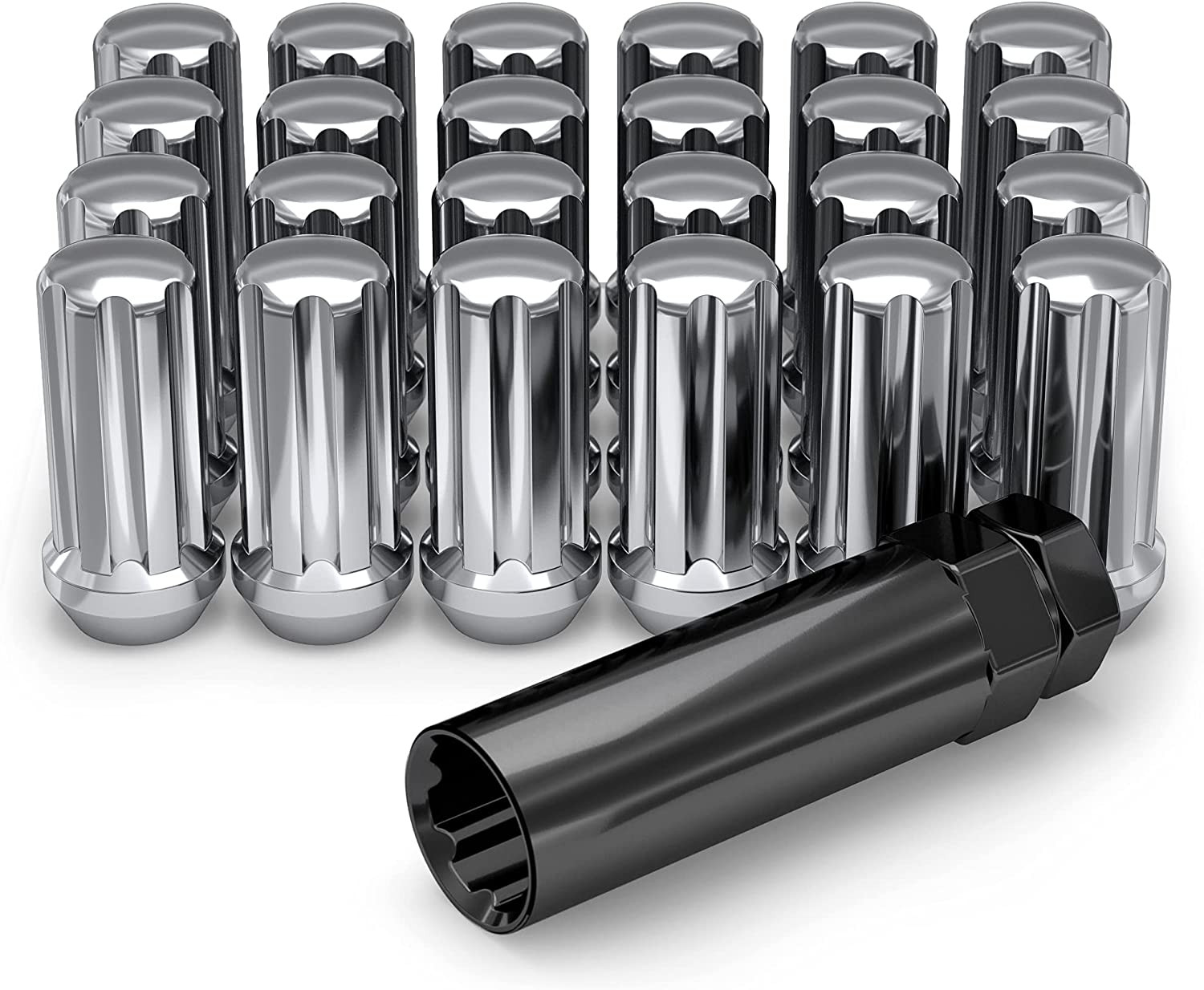
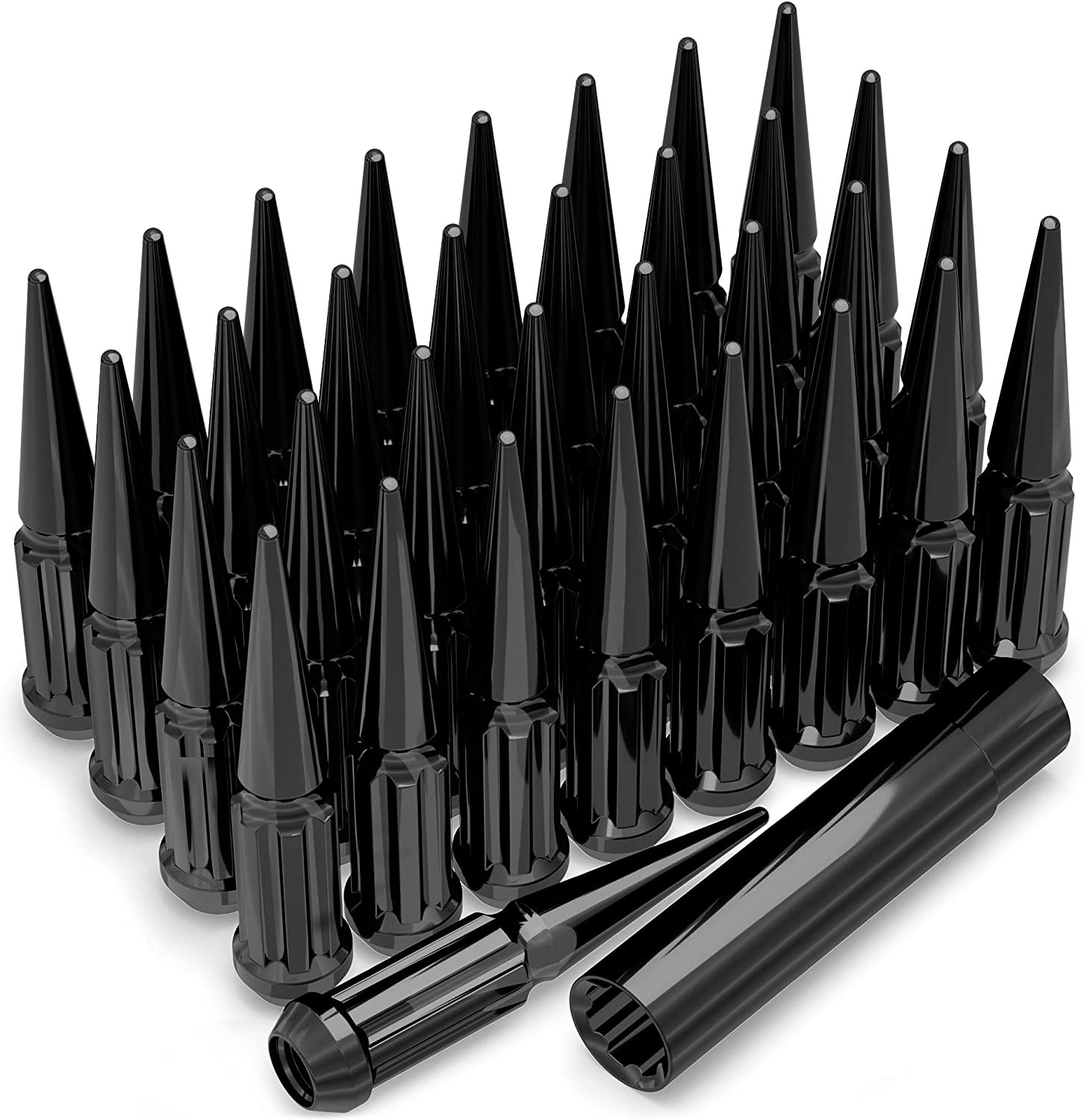
- Verify the thread size, lug-seat type, and required lug-nut design. M14 x 1.5 describes the thread, not necessarily the correct seat shape.
- Confirm TPMS sensor compatibility and plan for sensor relearning if required.
- Inspect used wheels for cracks, bends, corrosion, repaired areas, and damaged mounting seats.
Plus Sizing And Common Upgrades
Plus sizing generally means using a larger wheel diameter with a lower-profile tire while maintaining a similar overall tire diameter. It can change steering response, ride comfort, wheel protection, tire cost, and the risk of damage from potholes. A larger wheel is not automatically a better or safer upgrade.
For any proposed upgrade, enter the custom wheel diameter, width, and offset in the calculator, then enter the proposed tire section width and aspect ratio. Compare the resulting tire diameter and clearance with the known 265/65R18 reference. Do not assume that a tire size or wheel package is compatible simply because it is marketed for a similar SUV.
There is not enough information here to provide a complete list of approved plus-size combinations for every 2019 GMC Yukon trim. Confirm any replacement combination with GMC documentation, the wheel manufacturer’s fitment guide, the tire manufacturer’s approved rim-width range, and a qualified installer.
Installation Tips
- Clean the hub face and wheel mounting surface before installation. Remove rust and debris without removing metal from the mounting surfaces.
- Install only the correct lug nuts for the wheel’s seat type and the vehicle’s M14 x 1.5 studs.
- Hand-start every lug nut to prevent cross-threading. Do not force a lug nut with an impact tool.
- Tighten lug nuts in a crisscross pattern using a calibrated torque wrench set to the vehicle or wheel manufacturer’s specified torque.
- After installation, rotate the wheels by hand and check for contact. With the vehicle safely supported, check steering clearance where applicable.
- Set tire pressures according to the vehicle placard unless a qualified professional confirms a different requirement for the approved tire setup.
- Relearn or reprogram the tire pressure monitoring system if required.
- Recheck lug-nut torque after the initial driving period specified by the wheel manufacturer, and inspect for rubbing or vibration.
Tools And Helpful Supplies
Basic equipment can help with inspection and installation, but use a qualified technician when you cannot safely support the vehicle or verify clearance.
- A calibrated torque wrench and the correct socket for the lug nuts.
- A quality floor jack and jack stands rated for the vehicle. Never work under a vehicle supported only by a jack.
- A tread-depth gauge, tire-pressure gauge, and accurate measuring tools.
- A hub and wheel mounting-surface brush for removing loose corrosion and debris.
- A TPMS service or relearn tool when the vehicle or replacement sensors require one.
- Automotive torque wrench options for controlled lug-nut tightening.
- 78.1 mm hub-centric ring options only after confirming the wheel’s actual center bore and the ring manufacturer’s dimensions.
FAQs
What is the bolt pattern for the 2019 GMC Yukon?
The known bolt pattern is 6x139.7. Confirm the wheel’s bolt pattern before purchase because a wheel with a different pattern is not made compatible by lug nuts or hub-centric rings.
What is the center bore for the 2019 GMC Yukon?
The known center bore is 78.1 mm. A wheel with a larger bore may require correctly sized hub-centric rings, while a wheel with a smaller bore generally will not fit over the hub without proper machining by a qualified specialist.
What is the known factory-style wheel and tire size?
The known combination is an 18x8.5 wheel with ET24 offset and a 265/65R18 tire. This information may be partial, so verify the exact configuration for your trim and equipment.
Can I install wheels from another vehicle?
Possibly, but the donor wheel must be checked for bolt pattern, center bore, offset, width, diameter, brake clearance, lug-seat design, and load capacity. Use the wheel interchange calculator for a dimensional comparison, then confirm the result with the wheel manufacturer and a physical test fit.
Does a matching 6x139.7 bolt pattern guarantee fitment?
No. The center bore, offset, wheel width, spoke design, brake clearance, tire size, lug hardware, and wheel load rating must also be suitable.
How do I compare a different tire size?
Enter the proposed section width and aspect ratio under “Custom tire size” in the calculator. If you also change rim diameter, update the custom wheel size because the calculator uses the new rim diameter when comparing tire diameter.
Do I need hub-centric rings?
Only if the replacement wheel has a larger center bore and the wheel manufacturer permits their use. The ring must match the vehicle hub and wheel bore exactly. Rings do not correct an incorrect bolt pattern, unsafe offset, inadequate load rating, or brake-clearance problem.
Where can I confirm the correct specifications?
Check the tire and loading information label, current wheel markings, owner’s manual, GMC service information, and the wheel and tire manufacturers’ fitment resources. If specifications conflict, pause the installation and have a qualified tire or wheel professional verify the vehicle.