2020 GMC Yukon Wheel Fitment Guide
This guide covers the supplied reference specifications for the 2020 GMC Yukon. Equipment can vary by trim, package, suspension, brake configuration, and wheel option, so confirm the exact vehicle details before ordering wheels or tires.
Known OEM Fitment For 2020 GMC Yukon
The following values are the known reference fitment data provided for this page. They should not be treated as a complete fitment list for every 2020 GMC Yukon configuration.
| Specification |
Known reference value |
| Bolt pattern |
6x139.7, meaning 6 studs on a 139.7 mm pitch circle diameter |
| Center bore |
78.1 mm |
| Thread size |
M14 x 1.5 |
| Rim diameter |
18 inches |
| Rim width |
8.5 inches |
| Wheel offset |
ET24, or 24 mm |
| Backspacing |
5.19 inches |
| Reference tire size |
265/65R18 |
| Tire section width |
265 mm |
| Tire aspect ratio |
65 percent |
Confirm the original equipment tire placard, owner’s manual, wheel markings, and current tire size for your specific Yukon. Also verify load and speed ratings before selecting replacements. The bolt pattern alone does not prove that a wheel will clear the brakes, suspension, hubs, or bodywork.
How To Use The Wheel Interchange Calculator
Use the calculator to compare a donor vehicle’s wheel and tire measurements with the measurements you plan to install on your 2020 GMC Yukon. Select the donor vehicle under “Wheels from” and select the Yukon under “Installed on.”
- Compare the bolt pattern, center bore, wheel diameter, width, and offset.
- Review the calculated change in inner clearance and outer wheel position.
- Enter a custom wheel size when the proposed wheel is not represented by a listed vehicle.
- Enter a custom tire section width and aspect ratio when evaluating a different tire size.
- Remember that changing rim diameter updates the calculated tire diameter in the comparison.
Use calculator results as a screening tool, not as a substitute for physical verification. The calculator cannot confirm every brake-caliper shape, spoke profile, tire brand variation, suspension condition, or body clearance issue.
Fitment Checklist Before You Buy
- Confirm the vehicle identification number, model year, trim, drive configuration, and factory wheel package.
- Match the required 6x139.7 bolt pattern and verify that the wheel’s center bore is suitable for a 78.1 mm hub.
- Check wheel offset and backspacing against the calculator and compare the result with the current wheel.
- Confirm the replacement wheel’s load rating is adequate for the Yukon and its intended use.
- Verify brake-caliper clearance with a vehicle-specific template or a careful test fit before mounting tires.
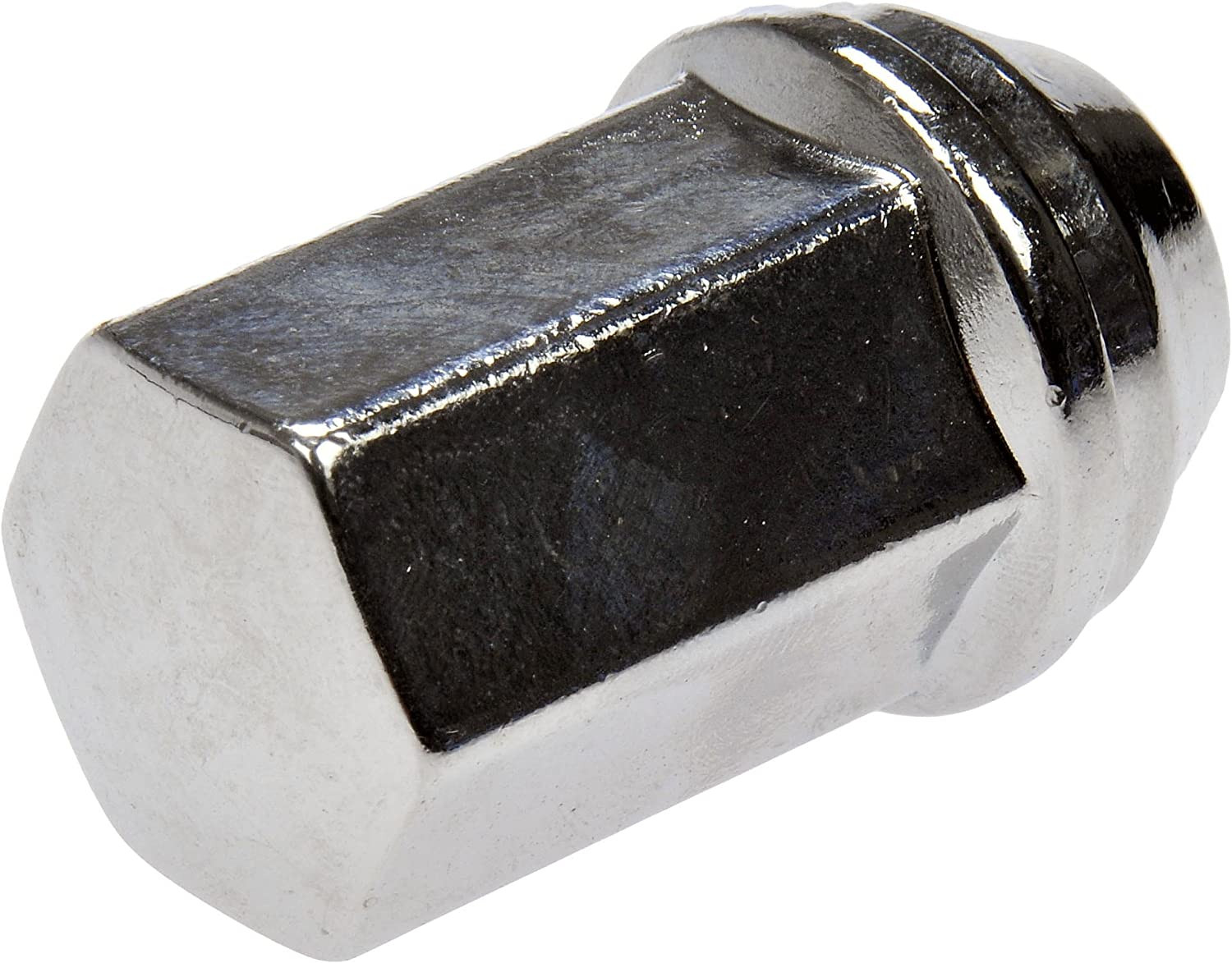
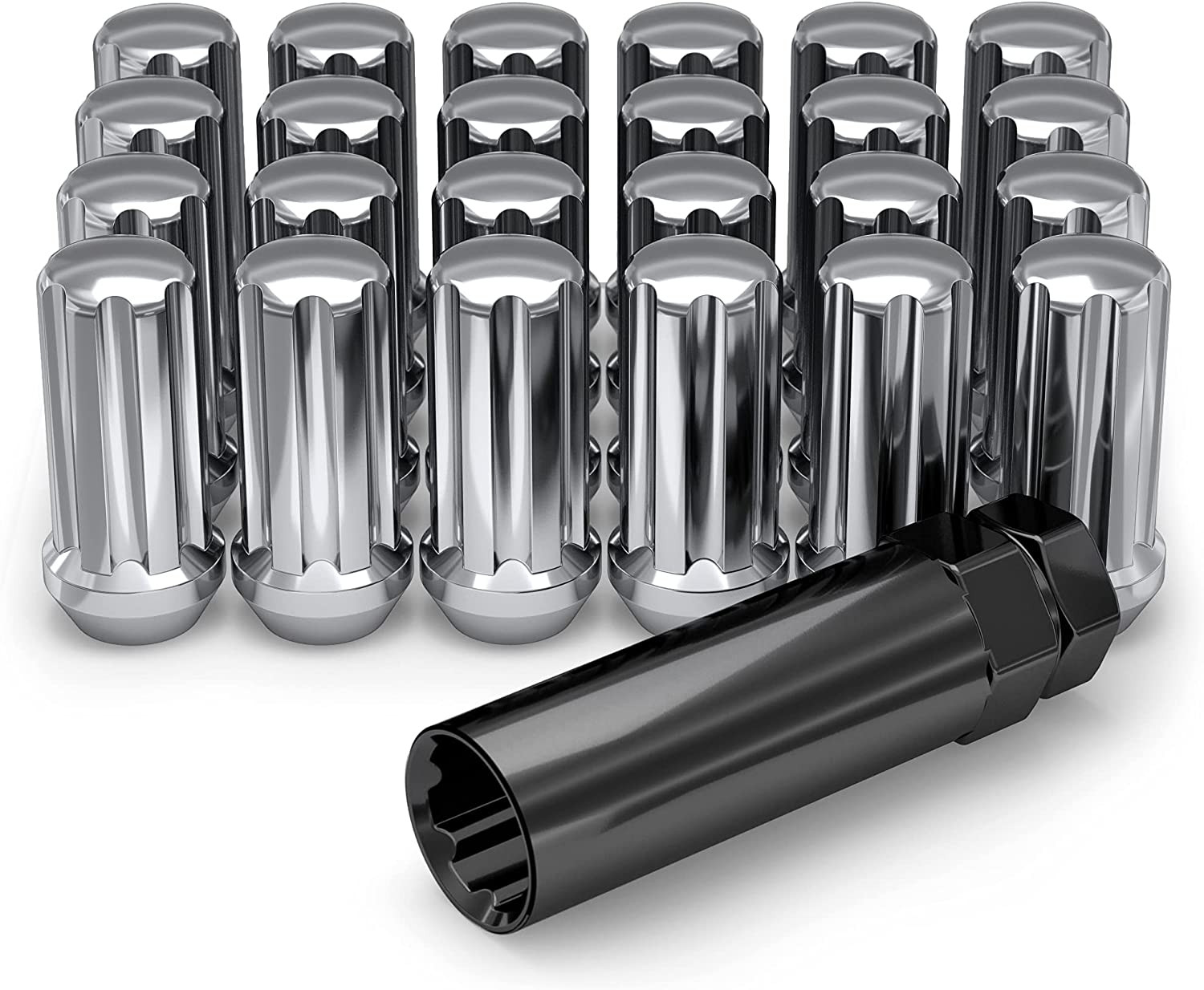
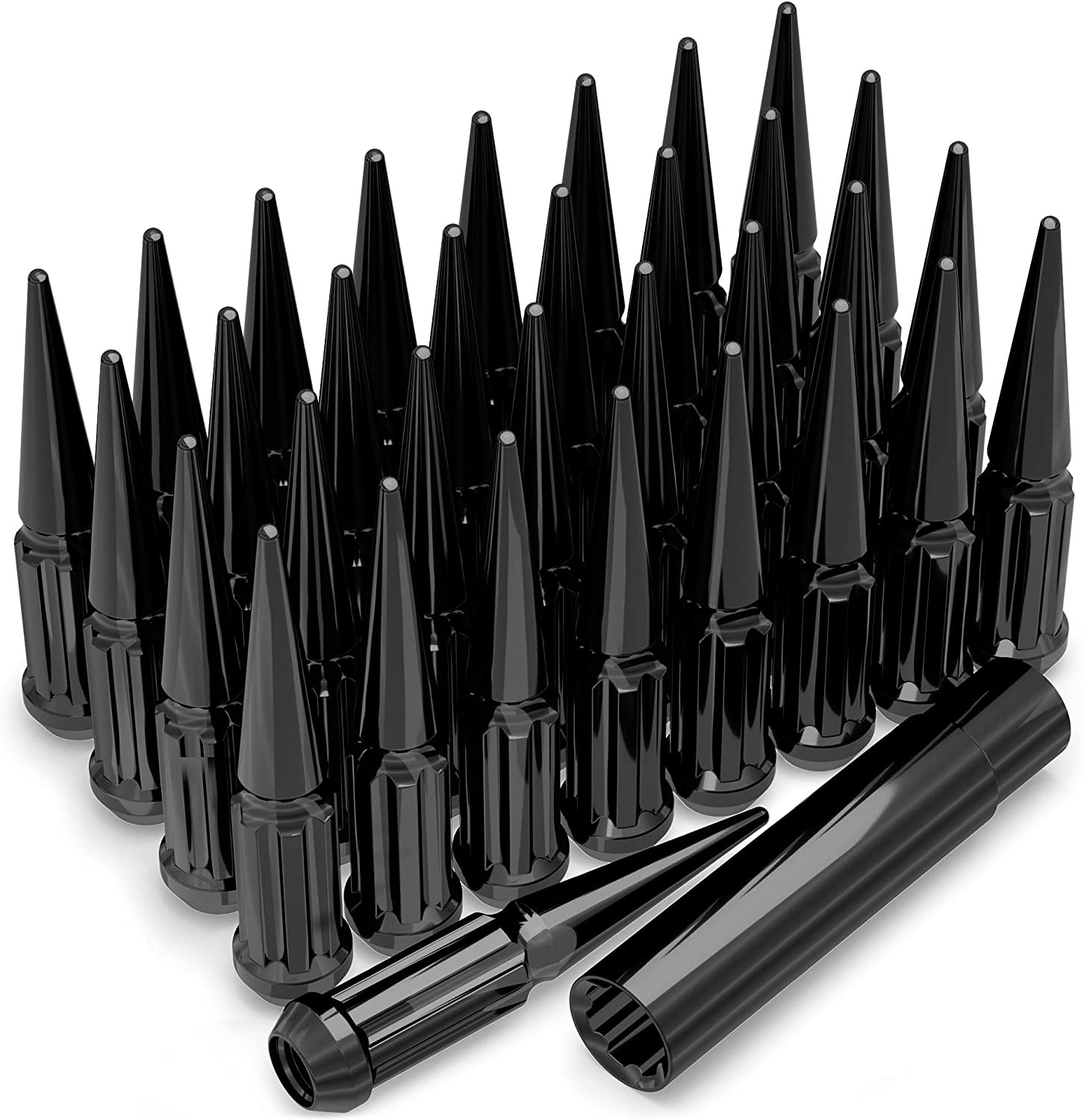
- Make sure the wheel’s lug-seat type matches the correct lug nuts. Do not assume the original lug nuts fit an aftermarket wheel.
- Confirm tire size, load index, speed rating, inflation requirements, and overall diameter.
- Check clearance at full steering lock and through the suspension’s full range of movement.
- Inspect used wheels for cracks, bends, corrosion around the bead seat, and damaged mounting surfaces.
- Confirm that tire pressure monitoring sensors, valve stems, and any required sensor programming are supported.
OEM parts catalogs, the vehicle door-jamb label, and the wheel manufacturer’s fitment data are the best sources for final confirmation. If those sources disagree, pause the installation until the discrepancy is resolved.
Plus Sizing And Common Upgrades
Plus sizing changes the wheel diameter while usually reducing tire sidewall height to maintain a similar overall tire diameter. This can sharpen steering response, but it may also reduce ride comfort and increase the risk of wheel or tire damage from potholes.
There is no single upgrade size that can be confirmed for every 2020 GMC Yukon from the information supplied here. Use the calculator to test a proposed rim diameter, width, and offset, then compare the resulting tire diameter and clearance with the vehicle’s current setup.
- Keep the replacement tire’s load capacity appropriate for the vehicle.
- A wider wheel or tire can reduce inner suspension clearance and increase the chance of fender contact.
- A lower offset generally moves a wheel farther outward, while a higher offset generally moves it farther inward, subject to wheel-width changes.
- Changes in tire diameter can affect speedometer indication, gearing, traction-control behavior, and ground clearance.
- Do not assume that a wheel from another vehicle is compatible solely because it uses the same six-lug pattern.
Installation Tips
Have wheels and tires installed by a qualified technician, especially when changing wheel width, offset, tire diameter, or load rating. Before final tightening, clean the hub and wheel mounting faces and make sure the wheel sits flush against the hub.
- Use the correct lug nuts for the wheel’s seat design and thread specification.
- Start all lug nuts by hand to avoid cross-threading.
- Lower the vehicle enough to prevent rotation, then torque the lug nuts to the vehicle or wheel manufacturer’s specified value.
- Use a calibrated torque wrench and follow the recommended tightening sequence.
- Recheck lug torque after the initial driving period specified by the installer or manufacturer.
- Check tire pressure and inspect for leaks at the bead and valve stem.
- After installation, test steering clearance at full lock and listen for rubbing during low-speed turns and bumps.
- Recalibrate or relearn the tire pressure monitoring system when required.
Tools And Helpful Supplies
Useful equipment includes a calibrated torque wrench, correct socket, jack and properly rated jack stands, wheel chocks, a tire pressure gauge, and a hub or wheel-cleaning brush. A wheel fitment template can help check spoke and brake clearance before purchasing tires.
For tool and supply research, see automotive torque wrenches on Amazon and wheel fitment and brake-clearance templates on Amazon. Product specifications and suitability should be checked before use.
FAQs
What is the known bolt pattern for the 2020 GMC Yukon?
The supplied reference bolt pattern is 6x139.7. Confirm this against the vehicle and wheel documentation before ordering.
What is the known center bore?
The supplied reference center bore is 78.1 mm. A wheel with a larger bore may require an appropriate hub-centric solution, while a smaller bore generally will not fit over the hub without machining. Confirm compatibility with the wheel manufacturer.
What is the reference tire size?
The supplied reference tire size is 265/65R18. Tire size can vary by trim or factory wheel package, so check the door-jamb tire label and current vehicle documentation.
Can any 6x139.7 wheel fit this Yukon?
No. Bolt pattern is only one part of fitment. Center bore, offset, backspacing, wheel width, brake clearance, lug-seat design, load rating, and tire clearance must also be confirmed.
What wheel offset is listed for the reference setup?
The supplied reference offset is ET24, or 24 mm, with a listed backspacing of 5.19 inches. A different wheel width can change the effect of the same offset, so compare the complete wheel dimensions in the calculator.
Can I use a different rim diameter?
A different rim diameter may be possible, but it must be checked for brake clearance, tire availability, load capacity, overall tire diameter, and body and suspension clearance. Enter the proposed custom wheel and tire sizes in the calculator before purchasing.
Does the calculator guarantee that a wheel will fit?
No. It compares the supplied dimensions and calculates geometric differences. It cannot guarantee spoke clearance, brake clearance, tire-brand dimensions, lug compatibility, or clearance under all suspension and steering conditions.
Where can I confirm the final specifications?
Check the driver-door tire and loading label, owner’s manual, vehicle identification number records, OEM parts information, and the wheel manufacturer’s application guide. A qualified tire and wheel technician can also perform a test fit before final installation.