2017 Honda Odyssey Wheel Fitment Guide
Known OEM Fitment For 2017 Honda Odyssey
The following specifications are the known fitment values supplied for this page. Honda Odyssey equipment can vary by trim, wheel package, market, and replacement-wheel configuration. Confirm the information on your vehicle, in the owner’s manual, or through a Honda parts source before purchasing wheels or tires.
| Specification |
Provided value |
| Bolt pattern |
5x120 |
| Center bore |
64.1 mm |
| Thread size |
M14 x 1.5 |
| Rim diameter |
19 inches |
| Rim width |
8.0 inches |
| Wheel offset |
ET45 |
| Backspacing |
5.77 inches |
| Tire section width |
235 mm |
| Tire aspect ratio |
65 |
| Tire rim diameter |
17 inches |
Because the supplied rim diameter and tire rim diameter do not match, treat the diameter entries as configuration-specific or requiring verification rather than as a guaranteed single factory wheel-and-tire package. Check the tire sidewall and the vehicle’s door-jamb tire label for the size currently approved for your Odyssey. Do not install a tire on a rim with a different diameter.
How To Use The Wheel Interchange Calculator
Use the wheel interchange calculator on this page to compare a donor vehicle with your 2017 Honda Odyssey. Enter the donor vehicle under “Wheels from” and enter the Odyssey under “Installed on.” Review bolt pattern, center bore, wheel width, offset, backspacing, and tire dimensions together. A wheel is not compatible simply because its bolt pattern matches.
For a custom setup, use the custom wheel fields to adjust rim diameter, rim width, and offset. Use the custom tire fields to adjust section width and aspect ratio. When you change rim diameter, the calculator updates the tire diameter in the comparison, helping you evaluate overall diameter and speedometer-related differences.
Use the calculator as a screening tool, not as a substitute for physical inspection or OEM confirmation. A result should still be checked for brake-caliper clearance, hub fit, wheel-load capacity, tire load index, suspension clearance, and safe fender clearance.
Fitment Checklist Before You Buy
- Confirm the vehicle’s exact trim, drivetrain, market, and original tire size using the door-jamb label, owner’s manual, or Honda parts information.
- Confirm the 5x120 bolt pattern and M14 x 1.5 thread specification before ordering.
- Check that the wheel center bore is 64.1 mm or otherwise uses a correctly sized hub-centric solution. A smaller bore will not fit over the hub.
- Compare wheel diameter, width, offset, and backspacing with the calculator and verify that the replacement wheel is rated for the Odyssey’s axle loads.
- Check tire load index, speed rating, overall diameter, and approved rim-width range. Never select a tire based only on section width.
- Verify spoke and barrel clearance around the brake calipers, including clearance at the closest point of the wheel.
- Check inner clearance to struts, springs, control arms, brake components, and other suspension parts through the full steering range.
- Check outer clearance to the fender and liner with the suspension loaded. Lowering, spacers, or altered alignment can change clearance.
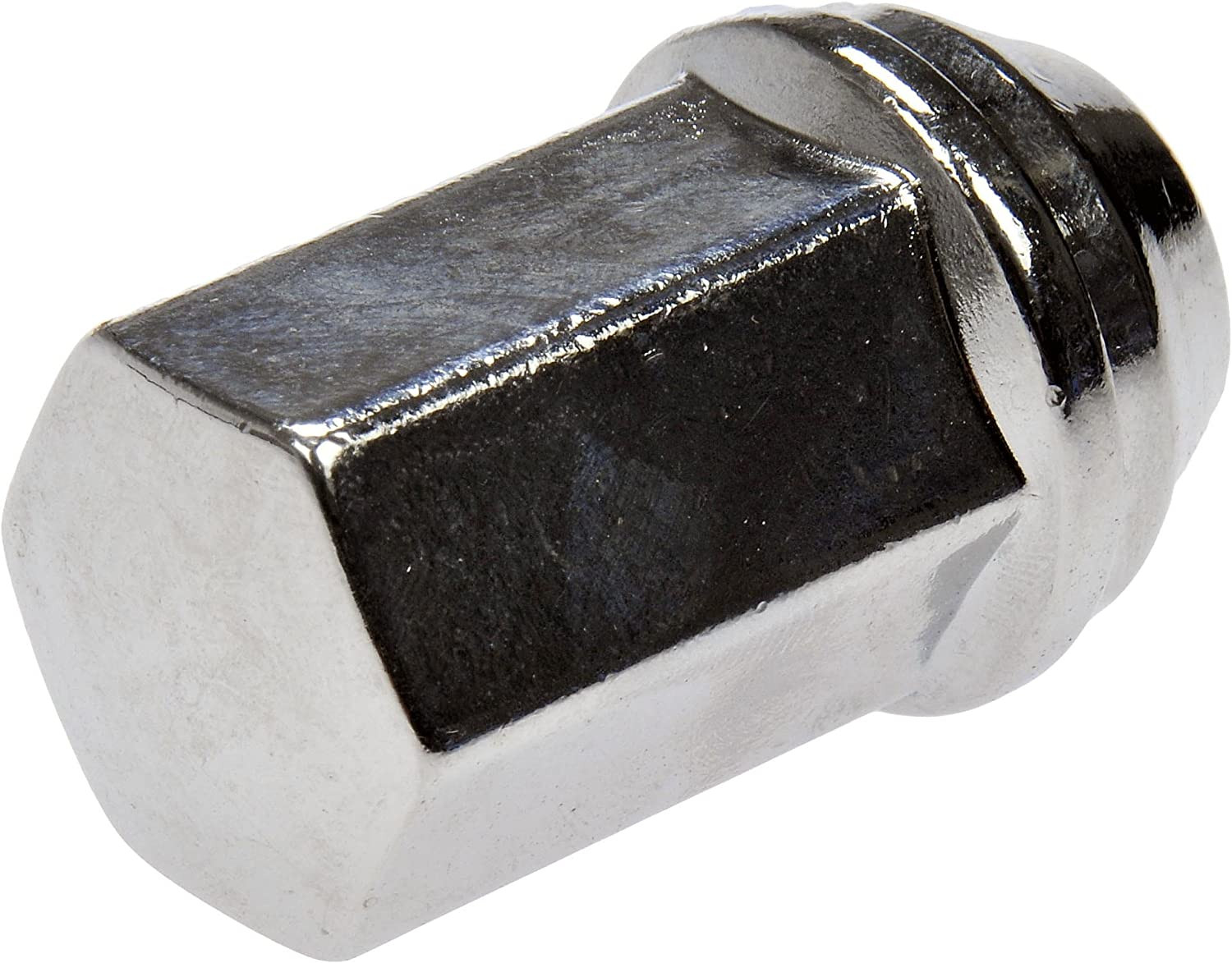
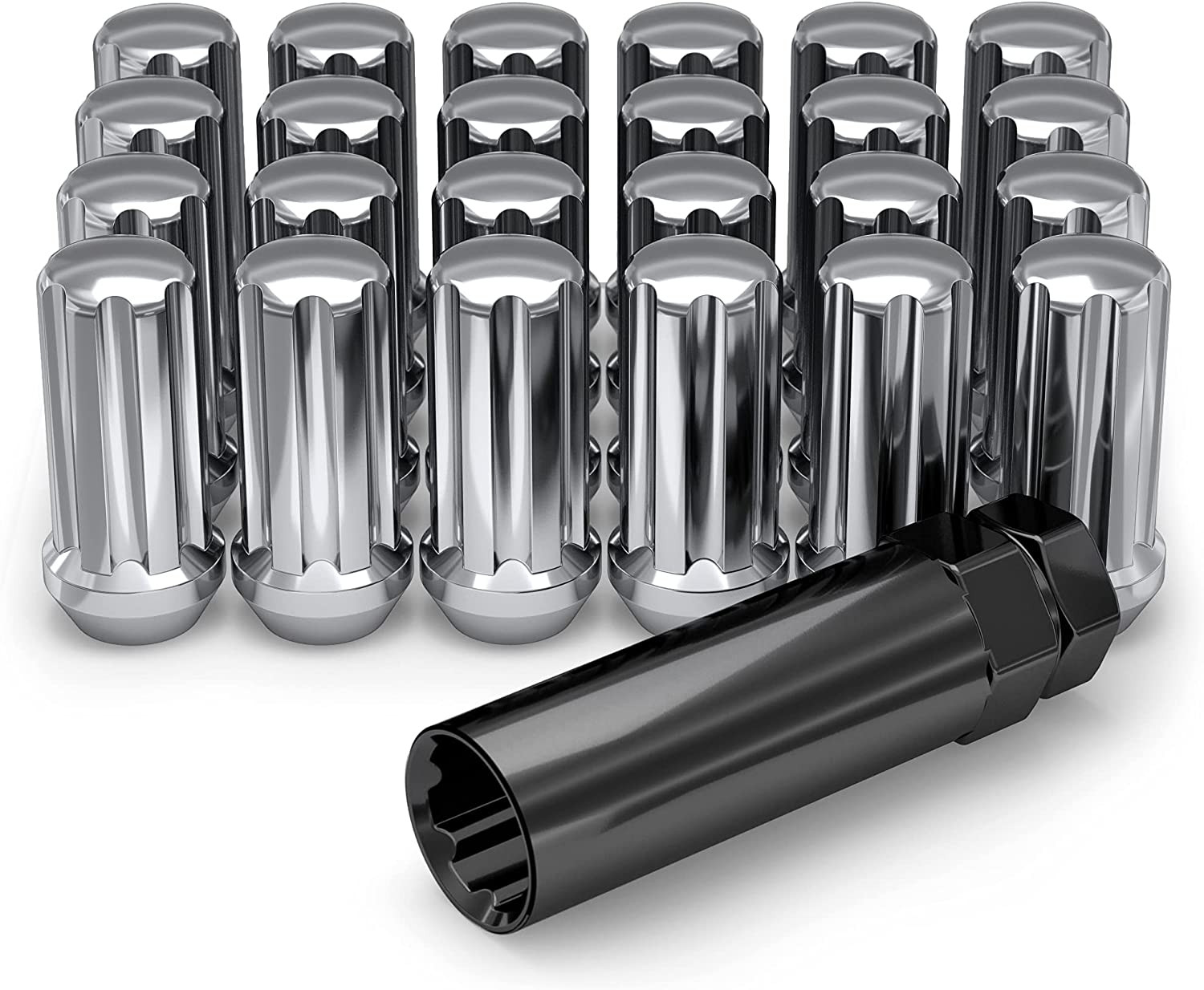
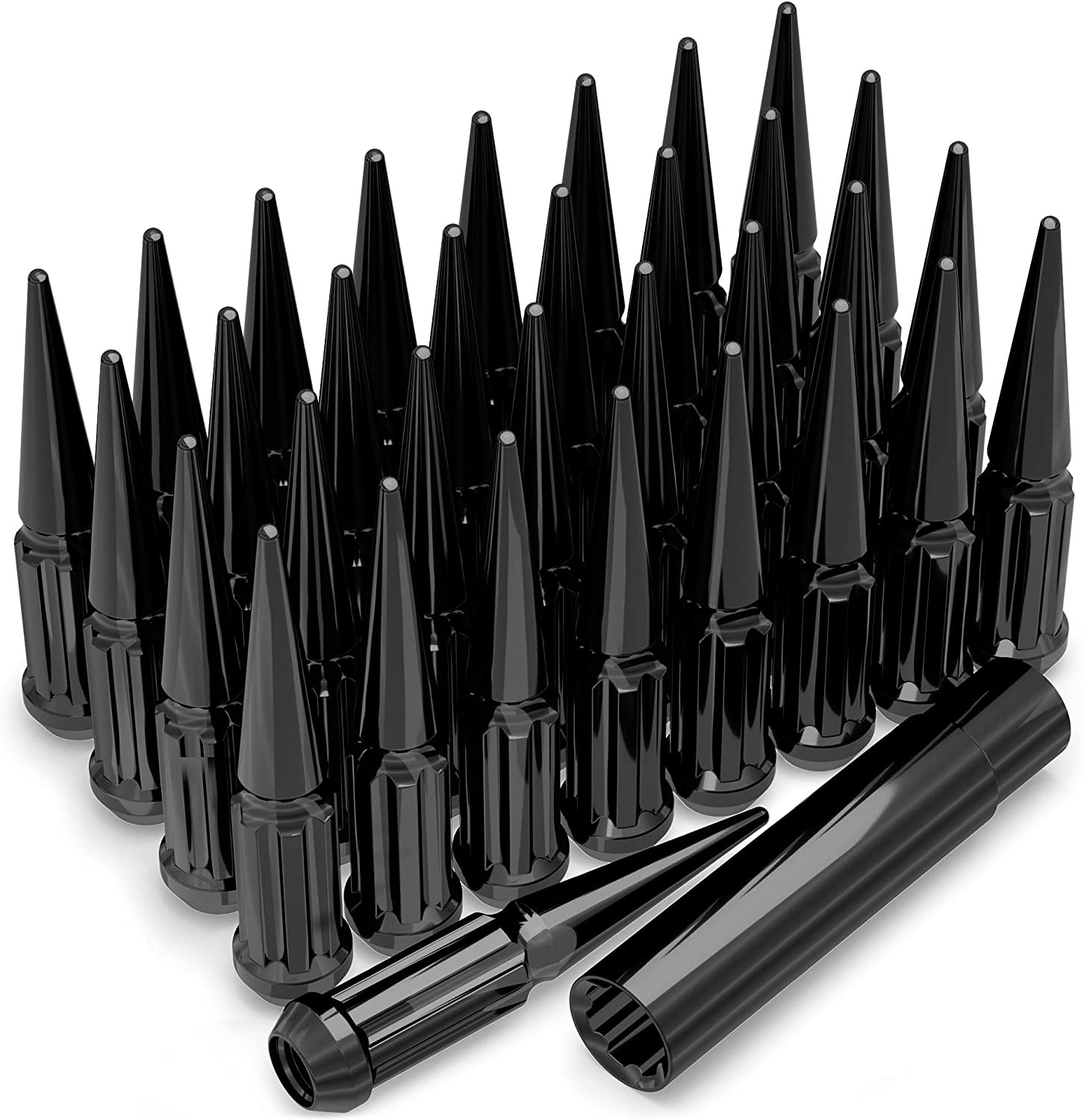
- Confirm that the wheel uses the correct seat type and hardware. Do not assume the original lug nuts are correct for an aftermarket wheel.
- Do not rely on online listings that identify a wheel as compatible without confirming its actual markings and measurements.
Plus Sizing And Common Upgrades
Plus sizing generally uses a larger wheel with a lower-profile tire so that overall tire diameter stays reasonably close to the original specification. The objective is not simply to increase wheel diameter. The replacement tire must fit the wheel’s approved width range, maintain adequate load capacity, and provide sufficient clearance.
The supplied data includes a 19 x 8.0 wheel specification and a 235 mm tire section width, but it does not establish a complete, trim-specific 19-inch tire package for every 2017 Honda Odyssey. Confirm the correct tire diameter and sidewall size from the vehicle label and the tire manufacturer’s fitment data before using a 19-inch setup.
A wider wheel or lower offset can move the wheel outward and may increase fender contact. A higher offset can move the wheel inward and may reduce suspension or brake clearance. Wheel spacers and adapters introduce additional fitment and hardware considerations and should not be used to correct an unknown or incorrect wheel specification.
After changing wheel or tire size, compare the calculator’s diameter results and have the vehicle’s tire-pressure monitoring system serviced or relearned according to the vehicle and sensor manufacturer’s procedures.
Installation Tips
- Inspect each wheel for cracks, bends, damaged mounting seats, corrosion, and missing markings before installation.
- Clean the vehicle hub face and wheel mounting surface. Rust or debris can prevent the wheel from seating flat.
- Install the correct lug nuts or bolts for the wheel’s seat design and thread specification. Do not force mismatched hardware.
- Hand-start every fastener to avoid cross-threading. Tighten in a star pattern with the vehicle supported safely.
- Use a calibrated torque wrench and the vehicle or wheel manufacturer’s specified torque. Do not use an impact gun for final tightening.
- After lowering the vehicle, recheck torque as specified by the manufacturer. Recheck the fasteners after a short period of driving if the wheel manufacturer recommends it.
- Turn the steering from lock to lock and inspect for rubbing. Also check clearance with the suspension compressed where practical.
- Set tire pressure using the vehicle’s door-jamb label, not the maximum pressure molded into the tire sidewall.
- Stop driving if you notice vibration, steering pull, rubbing, loose fasteners, or loss of tire pressure. Have the installation inspected by a qualified technician.
Tools And Helpful Supplies
Useful equipment includes a properly rated jack and jack stands, wheel chocks, a torque wrench, a socket that matches the wheel hardware, a tire-pressure gauge, and a tread-depth gauge. A hub-cleaning brush and a flashlight can help identify rust, debris, and clearance problems.
For a basic search for wheel-installation equipment, see automotive torque wrenches and wheel sockets on Amazon. For measuring and inspection, see tire-pressure and tread-depth gauges on Amazon.
Always use jack stands on a solid, level surface and follow the safety instructions for every tool. Never work beneath a vehicle supported only by a jack.
FAQs
What is the bolt pattern listed for the 2017 Honda Odyssey?
The supplied fitment data lists a 5x120 bolt pattern. Confirm the wheel’s stamped specifications and the vehicle-specific information before ordering.
What is the center bore listed for this Odyssey?
The supplied value is 64.1 mm. A wheel bore smaller than the vehicle hub will not fit. A larger bore may require a properly sized hub-centric ring, subject to the wheel manufacturer’s instructions.
Can any 5x120 wheel fit a 2017 Honda Odyssey?
No. Bolt pattern is only one part of fitment. You must also verify center bore, wheel width, offset, backspacing, load rating, fastener seat, brake clearance, suspension clearance, and tire specifications.
Why do the listed rim and tire diameters differ?
The supplied data lists a 19-inch rim diameter and a 17-inch tire rim diameter. That indicates the entries may represent different configurations or require verification. A tire must have the same rim diameter as the wheel on which it is mounted. Check the door-jamb label, tire sidewall, owner’s manual, and OEM sources before purchase.
Can I use a custom wheel size in the calculator?
Yes. Enter custom rim diameter, width, and offset, then enter custom tire section width and aspect ratio. Changing rim diameter updates tire diameter in the comparison. Use the results to identify potential differences, then confirm physical clearance and load requirements.
Does a wider tire improve handling?
Not automatically. A wider tire can alter steering feel, road-noise, wet-weather behavior, clearance, and fuel economy. It must also fit the wheel’s approved width range and meet the vehicle’s required load and speed ratings.
Do I need hub-centric rings?
Only if the wheel’s center bore is larger than the vehicle hub and the wheel manufacturer approves the use of rings. A ring does not correct an incorrect bolt pattern, offset, wheel load rating, or brake-clearance problem.
What should I verify after installing replacement wheels?
Verify proper hardware, fastener torque, tire pressure, steering and suspension clearance, brake clearance, absence of rubbing, and correct tire-pressure monitoring operation. Have the alignment checked if the vehicle pulls, the steering wheel is off-center, or the replacement setup changes wheel position significantly.