2011 Honda Odyssey Wheel Fitment Guide
Known OEM Fitment For 2011 Honda Odyssey
The following specifications are the known fitment data available for the 2011 Honda Odyssey on this page. They may represent only part of the vehicle's fitment information and can vary by trim, wheel package, or market. Confirm the original equipment specifications using the vehicle's door-jamb label, owner's manual, wheel markings, or a Honda parts source before ordering.
| Specification |
Known value |
| Bolt pattern |
5x120 |
| Center bore |
64.1 mm |
| Thread size |
M12 x 1.5 |
| Rim diameter |
19 inches |
| Rim width |
8.0 inches |
| Wheel offset |
ET45, or 45 mm |
| Backspacing |
5.77 inches |
| Tire section width |
235 mm |
| Tire aspect ratio |
65 percent |
| Tire rim diameter |
R17 |
There is an apparent conflict in the supplied data: the listed rim diameter is 19 inches, while the listed tire rim diameter is R17. A 17-inch tire cannot be mounted on a 19-inch wheel. The listed backspacing should also be confirmed against the actual wheel, because backspacing depends on wheel width and offset. Treat these values as reference data rather than a complete instruction to purchase a wheel and tire combination.
Do not rely on bolt pattern alone. A replacement wheel must also provide appropriate center-bore fit, offset, width, brake clearance, load capacity, and tire compatibility. Confirm the complete combination for your specific Odyssey trim before installation.
How To Use The Wheel Interchange Calculator
Use the calculator to compare wheels from a donor vehicle with wheels installed on your 2011 Honda Odyssey. Enter the donor vehicle or its wheel specifications in the “Wheels from” area, then enter the Odyssey information in the “Installed on” area.
Review the differences in rim diameter, width, offset, backspacing, tire width, sidewall, and overall tire diameter. The calculator helps show how a change may affect inner clearance, outer protrusion, and tire diameter, but it cannot confirm brake clearance, suspension clearance, fender clearance, wheel load rating, or legal compliance.
For a custom setup, use the custom wheel size fields to adjust rim diameter, rim width, and offset. Use the custom tire size fields to adjust section width and aspect ratio. Changing rim diameter updates the tire diameter shown in the comparison, so check the complete wheel and tire combination rather than evaluating either component by itself.
Because the supplied reference data includes both 19-inch and R17 diameter entries, verify which wheel and tire package applies to your vehicle before using either as the baseline. A calculator result is a comparison tool, not a substitute for the Honda owner's manual, the tire placard, or a physical test fit.
Fitment Checklist Before You Buy
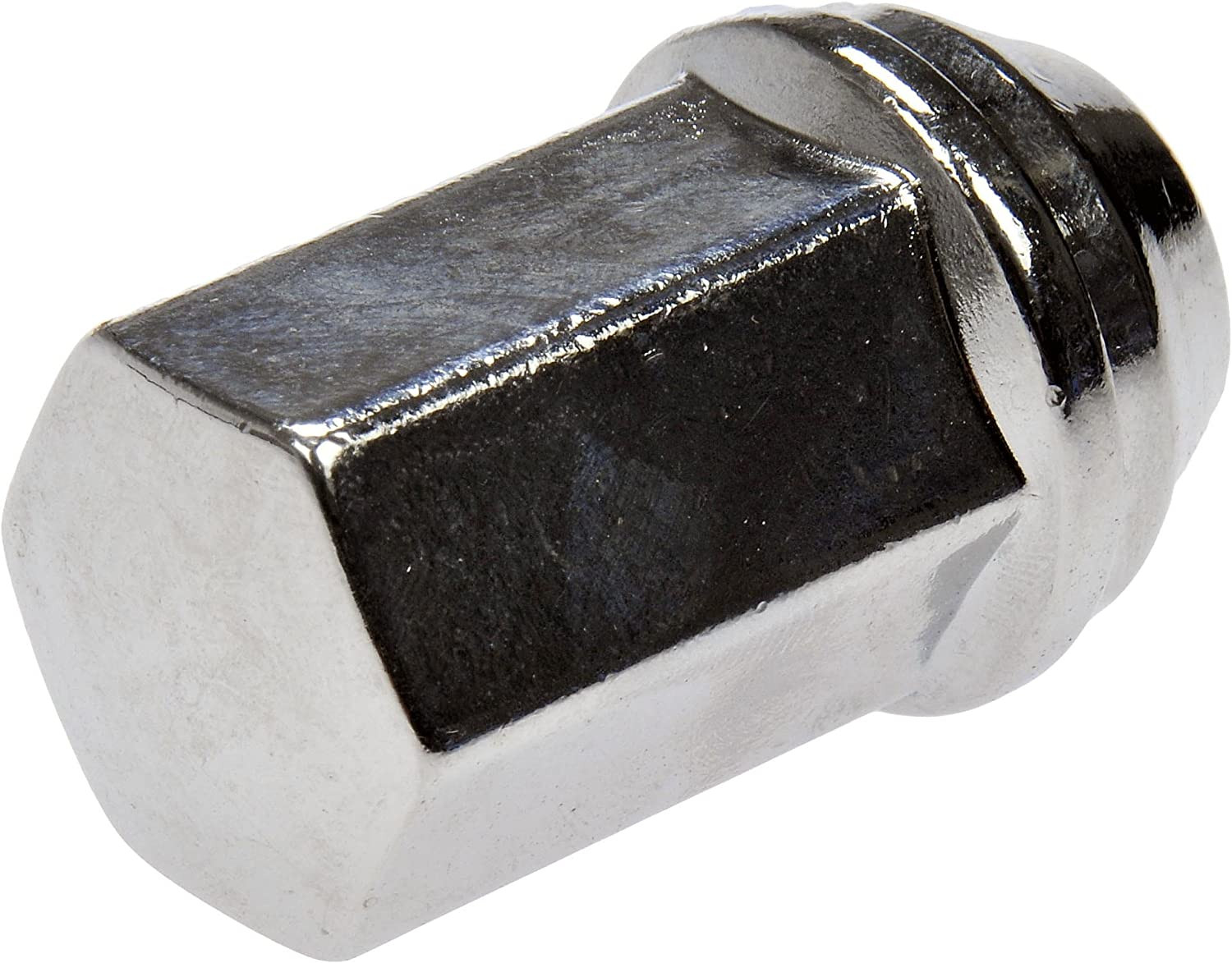
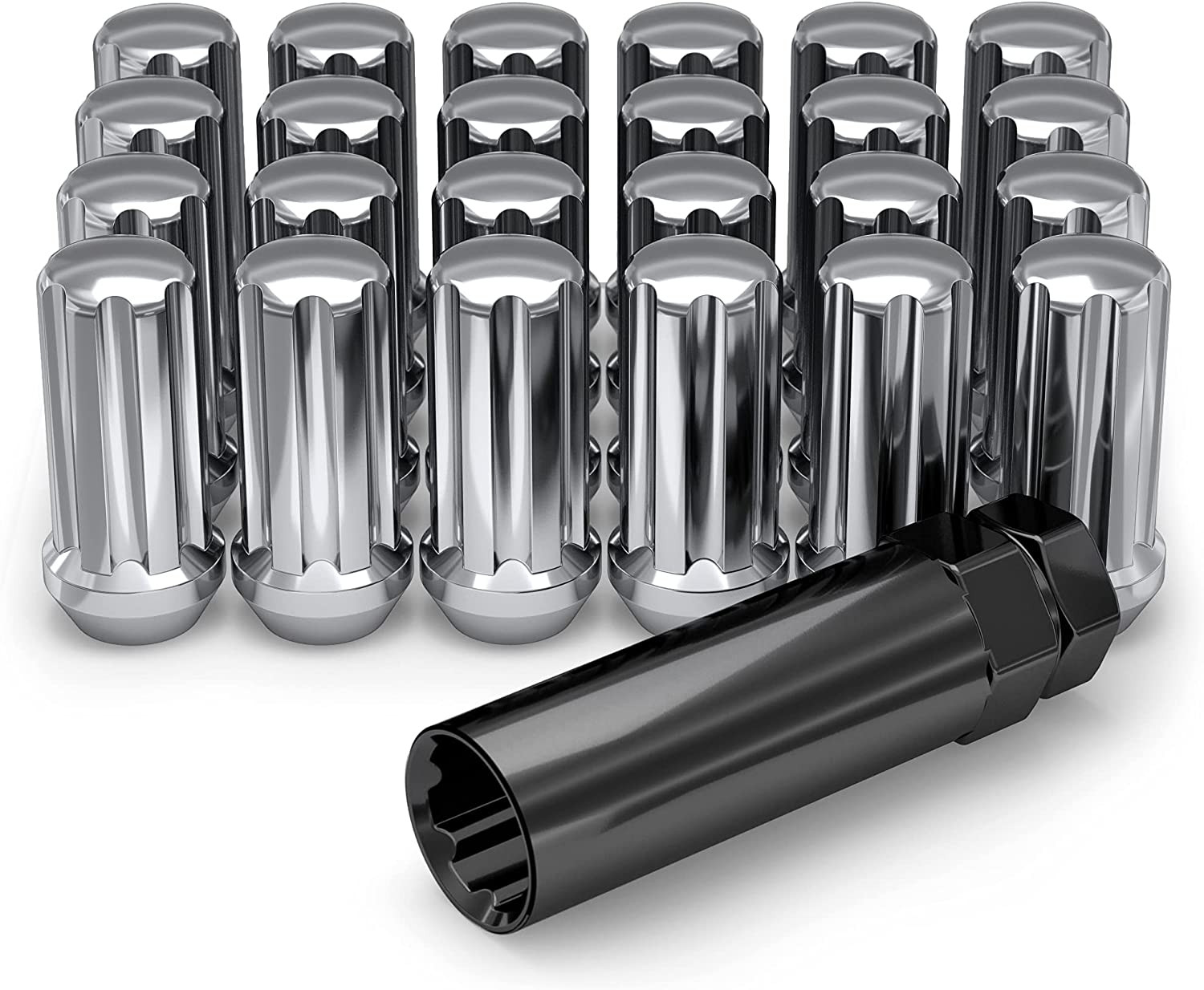
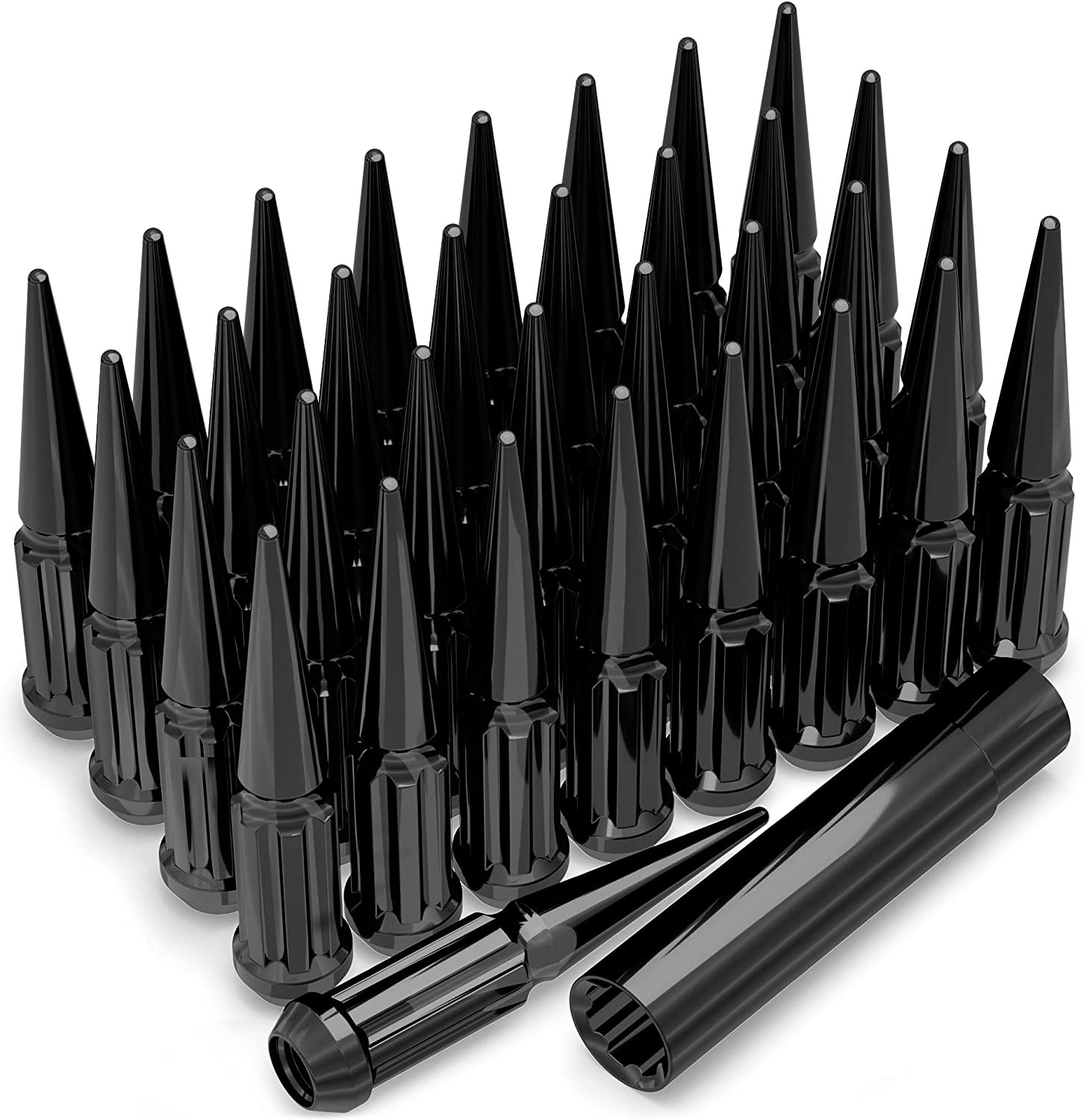
Confirm the exact trim and existing wheel package. Compare the candidate wheel's bolt pattern with the known 5x120 pattern, then verify the center bore, offset, width, diameter, and load rating. The wheel must seat correctly on the hub and accept the correct M12 x 1.5 wheel hardware, subject to the hardware requirements of the specific wheel.
Check the tire manufacturer's approved rim-width range for the selected tire. Confirm that the tire's load index and speed rating meet or exceed the vehicle's requirements. Do not select a tire solely by matching section width and aspect ratio.
Measure or test for clearance at the brake caliper, strut or suspension components, steering components, inner wheel well, and fender lip. Check clearance with the steering turned in both directions and with the suspension loaded. Make sure the tire does not contact the vehicle during normal movement.
Inspect used wheels for bends, cracks, corrosion around the bead seat, damaged mounting holes, and altered or repaired areas. Confirm that the wheel's valve stem, tire pressure monitoring hardware, and balancing requirements are suitable for the vehicle.
Plus Sizing And Common Upgrades
Plus sizing changes the wheel diameter while using a lower-profile tire to maintain a similar overall tire diameter. It can change steering feel, ride comfort, impact resistance, road noise, weight, fuel economy, and clearance. The calculator can help compare these changes, but the final tire diameter and clearance must be checked against vehicle and tire manufacturer guidance.
A wider wheel or tire may improve steering response but can increase the risk of rubbing on suspension parts or bodywork. A different offset moves the wheel inward or outward and can affect bearing loads, scrub characteristics, fender clearance, and brake clearance. Do not assume that a wheel is safe because its bolt pattern matches.
The listed 19-inch, 8.0-inch, ET45 reference and the listed 235/65R17 tire entry should not be treated as one combined package. Confirm the intended original equipment combination and select a tire whose rim diameter matches the wheel diameter.
Installation Tips
Before mounting a tire, test-fit each bare wheel on the correct vehicle corner when practical. Rotate the wheel by hand and check the inner barrel and spokes for brake-caliper clearance. After mounting the tire, inspect the sidewall and tread for contact while turning the steering from lock to lock.
Clean rust, dirt, and debris from the hub face and wheel mounting surface. Do not apply grease between the hub and wheel unless specifically directed by the vehicle or wheel manufacturer. Install the correct wheel hardware for the wheel design, and never force incompatible nuts or bolts.
Start all fasteners by hand, lower the vehicle enough to prevent rotation, and tighten them in a crisscross sequence. Use the vehicle manufacturer's specified torque procedure and recheck torque after the first drive interval recommended by the manufacturer or installer. Do not guess the torque specification.
After installation, verify tire pressure using the vehicle's specified cold pressure, reset or relearn the tire pressure monitoring system as required, and have the assembly balanced. Stop driving if there is rubbing, vibration, loss of pressure, steering pull, or unusual noise.
Tools And Helpful Supplies
A torque wrench is useful for tightening wheel hardware accurately, but it must be used with the vehicle manufacturer's torque specification. Shop automotive torque wrenches on Amazon.
A tread depth gauge and an accurate tire pressure gauge can help with inspection and setup, but they do not replace professional tire mounting, balancing, or a clearance check. Shop tire inspection gauges on Amazon.
FAQs
What is the known bolt pattern for the 2011 Honda Odyssey?
The known bolt pattern supplied for this page is 5x120. Verify it against the vehicle and the wheel before purchase, because bolt pattern alone does not establish complete fitment.
What center bore is listed for this vehicle?
The supplied center-bore value is 64.1 mm. A wheel with a larger bore may require an appropriately sized hub-centric solution if permitted by the wheel manufacturer, while a smaller bore generally will not fit over the hub. Confirm the wheel and hub requirements before ordering.
Can I use a 17-inch tire on the listed 19-inch wheel?
No. The tire's rim diameter must match the wheel diameter. The supplied information lists both a 19-inch rim and an R17 tire, so the applicable original equipment package must be confirmed before selecting tires.
Is ET45 the correct offset for every 2011 Honda Odyssey?
ET45 is the supplied reference value, but complete fitment can vary by trim, wheel package, and market. Confirm the original wheel markings and compare any replacement wheel using the calculator and a physical clearance check.
Does a 5x120 wheel automatically fit?
No. The wheel must also have suitable center bore, offset, width, diameter, load rating, brake clearance, and hardware compatibility. Tire size and body or suspension clearance must be checked as well.
Can the calculator guarantee that a wheel will not rub?
No. The calculator compares entered dimensions and shows how changes may affect the wheel and tire position. It cannot account for every brake, suspension, fender, tire-construction, or vehicle-condition difference. Physically inspect clearance before regular driving.
Where should I confirm the final factory tire pressure and size?
Check the tire and loading information label on the vehicle, the owner's manual, and reliable Honda or tire manufacturer documentation. If those sources conflict with the values shown here, use the vehicle-specific OEM information and investigate the discrepancy before buying parts.