OEM wheel and tire fitment specs for the 2004 Acura TSX, including bolt pattern (PCD), center bore diameter, thread size, rim diameter, rim width, wheel offset, and backspacing.
Recorded OEM specifications for the 2004 Acura TSX, donor years with overlapping ranges, and a calculator to compare a selected wheel. Range overlap is not a guaranteed fit.
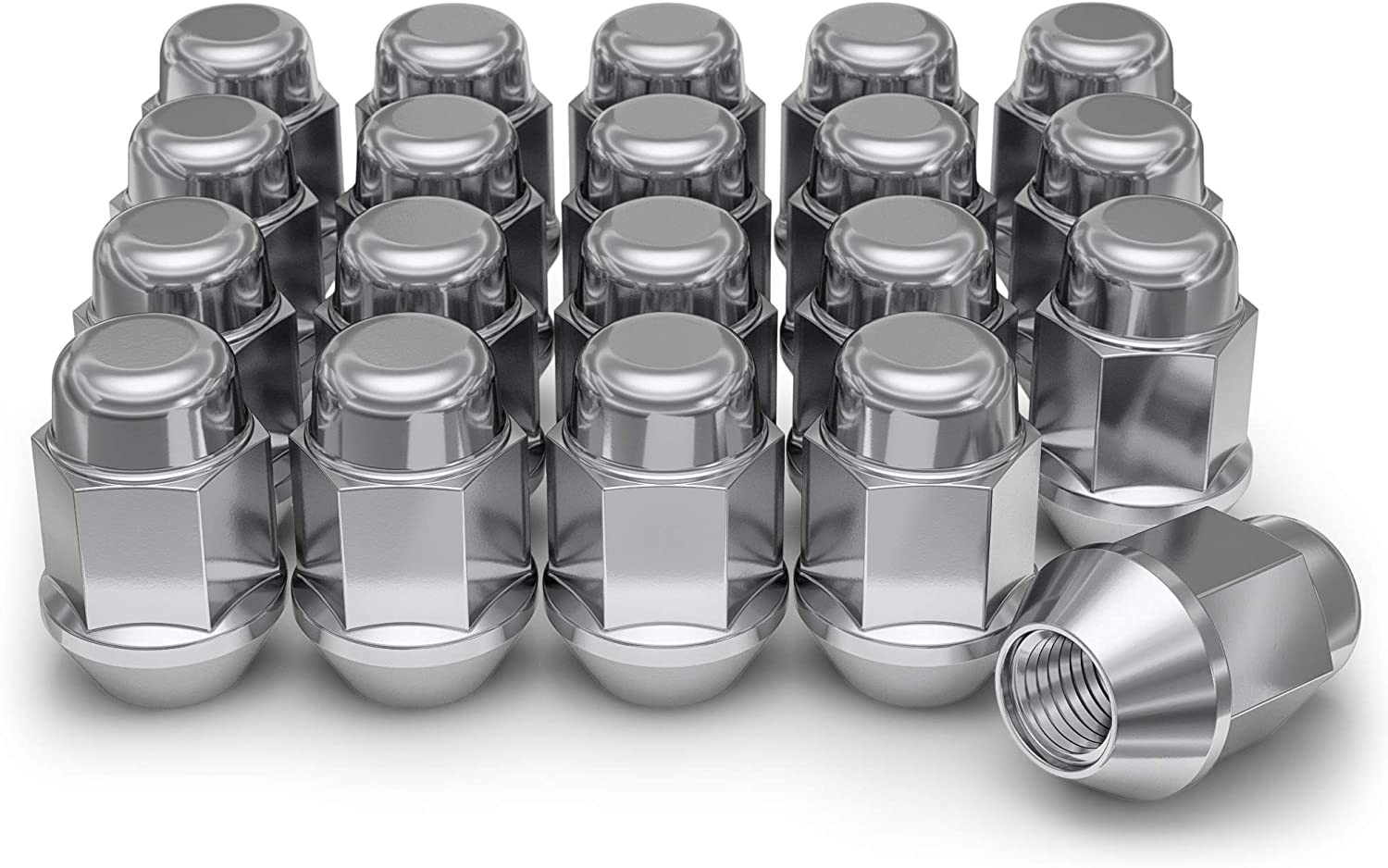
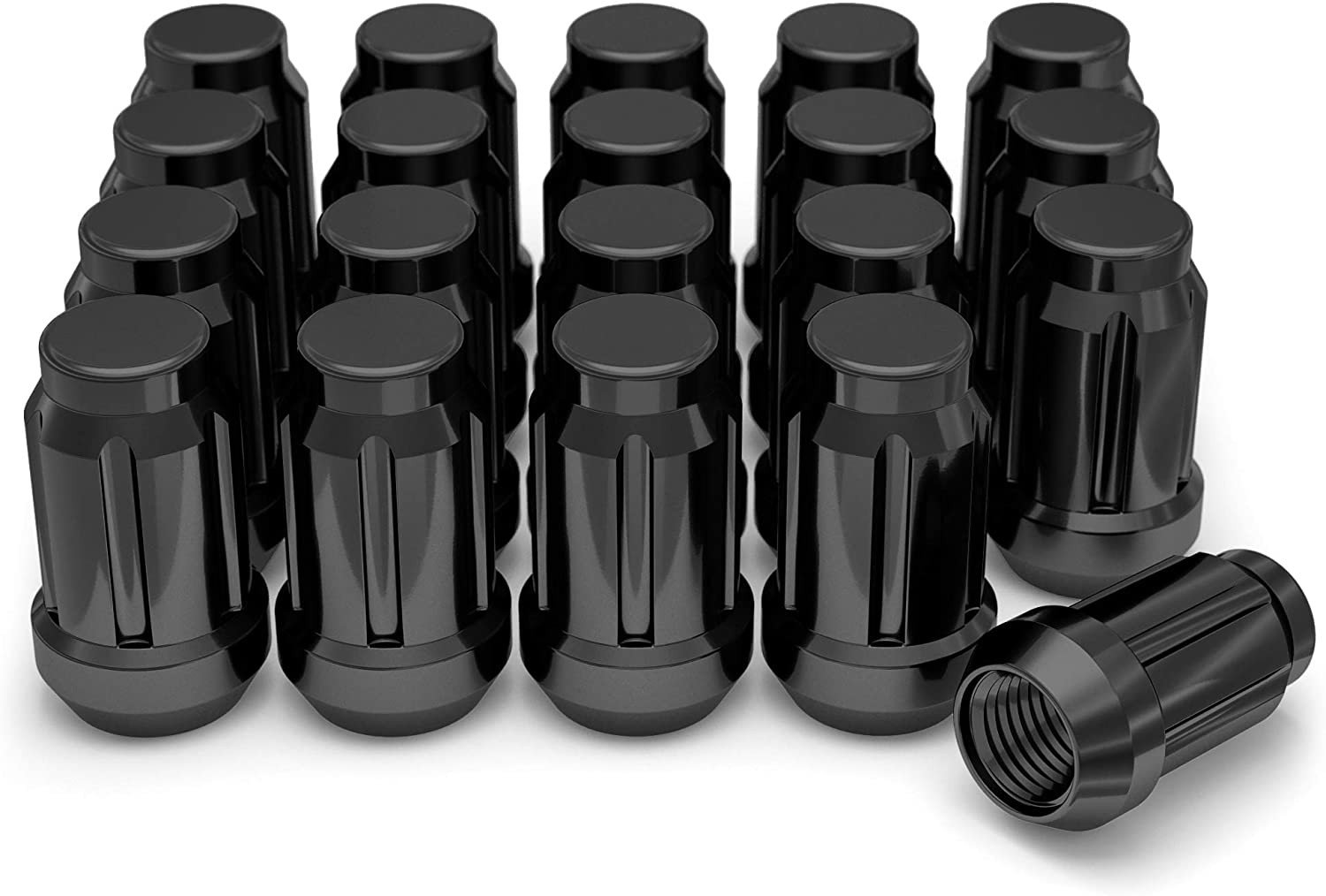
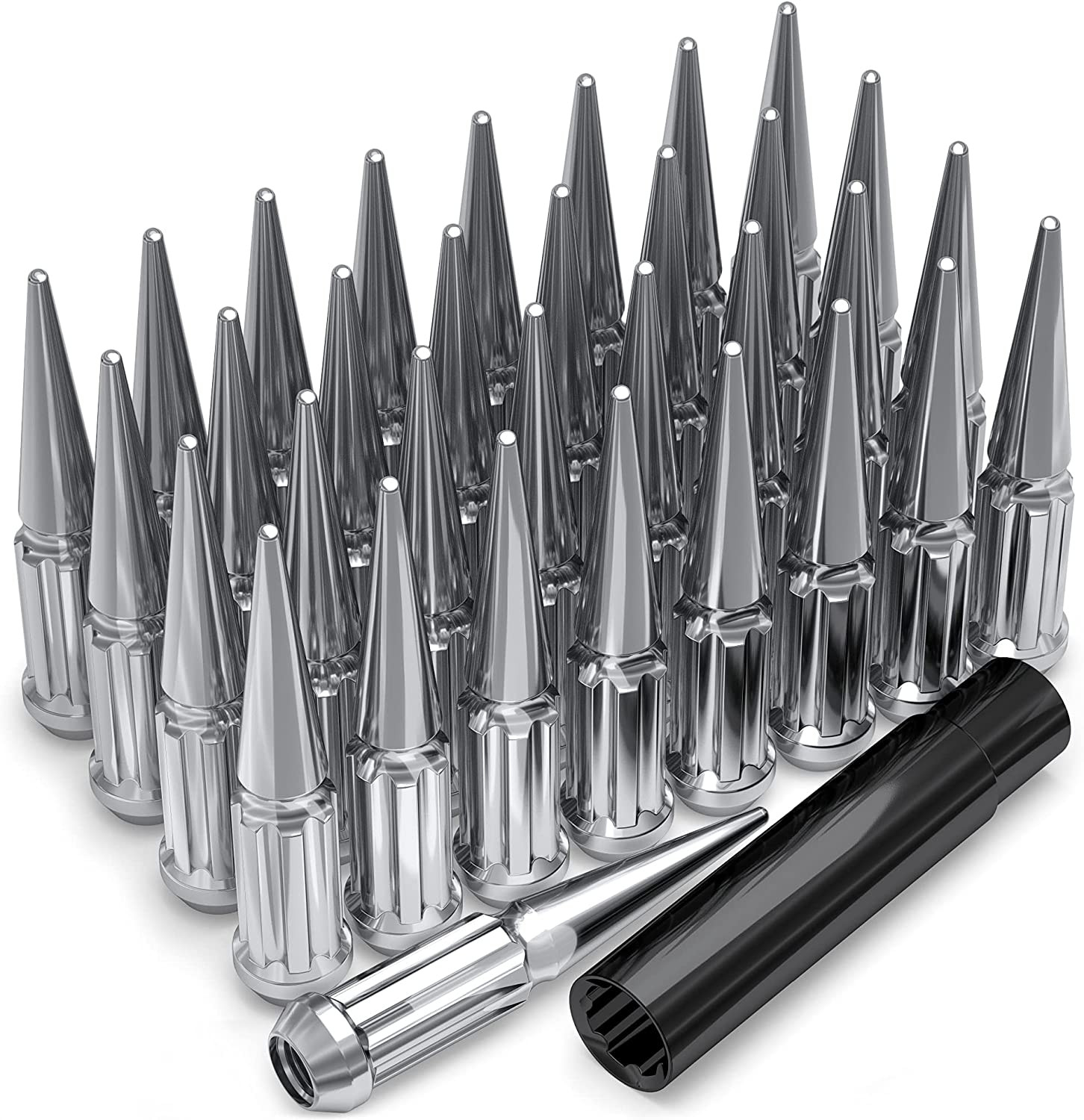
Thread-only product links are shopping examples, not verified fits. Seat style is not confirmed here. As an Amazon Associate we earn from qualifying purchases.
Donor vehicles with overlapping OEM specs
These are vehicle-year records whose recorded OEM ranges overlap this 2004 Acura TSX. Overlap is not a guarantee that a specific wheel will install. Selected-wheel comparison is in the calculator below.
Evaluated 77 donor years. Listed 24 eligible overlaps (not all evaluated years are compatible). Showing all listed.
Wheel geometryOEM width/offset ranges overlap (not a specific wheel)
Recorded OEM bolt pattern, center bore, and width/offset ranges overlap. This is not a guarantee that every wheel from the donor year fits this vehicle.
Wheel geometryOEM width/offset ranges overlap (not a specific wheel)
Recorded OEM bolt pattern, center bore, and width/offset ranges overlap. This is not a guarantee that every wheel from the donor year fits this vehicle.
Wheel geometryOEM width/offset ranges overlap (not a specific wheel)
Approximate position vs the mid OEM package: outer change 8.85 mm, inner change 3.85 mm. This uses aggregated width/offset ranges, not a specific wheel.
OEM specs overlapOEM ranges overlap – confirm the specific wheel
Bolt pattern5x114.3 · Same recorded PCD
Center bore64.1 mm · same recorded hub figure
Wheel geometryOEM width/offset ranges overlap (not a specific wheel)
Recorded OEM bolt pattern, center bore, and width/offset ranges overlap. This is not a guarantee that every wheel from the donor year fits this vehicle.
Acura TSX Years With Compatible Wheels
Only years with evidence-based interchange relationships are listed. Adjacent years are not assumed compatible.
Compare a donor vehicle or custom wheel against this 2004 Acura TSX. Use Compare in calculator on a donor row above to fill the donor side of this same calculator.
Compare
Compare wheel compatibility between two vehicles
Wheels from (donor vehicle)
Selected Car:
Custom wheel size (optional)
Tip: change values here to simulate custom wheels and immediately see the impact in the comparison below.
Custom tire size (optional)
Installed on (your vehicle)
Selected Car:
2004 Acura TSX
Compare Rims
Specification
Wheels from
Installed on
Result (Click it)
Bolt Pattern
The total number of bolt holes and the diameter of the circle they form.
-
5x114.3
Center Bore
The hole in the center of the wheel that fits over the vehicle’s hub.
-
64.1 mm
Thread Size
The size and spacing of the threads on the bolts or nuts that hold the wheel in place.
-
M12 x 1.5
Rim Diameter
The wheel diameter in inches that determines which tire sizes will fit.
-
17"
Rim Width
The distance between the inner edges of the wheel is measured in inches.
-
7.0"
Wheel Offset
How far the wheel sits inward or outward relative to the hub mounting surface.
-
55 mm
Backspacing
Shows how much space the wheel takes up toward the inside of the vehicle.
-
-
Wheel Fasteners
The type of hardware used to secure the wheel to the vehicle.
-
-
Compare Tires
Specification
Wheels from
Installed on
Result (Click it)
Section Width
The width of the tire from sidewall to sidewall, measured in millimeters.
-
-
Aspect Ratio
The height of the tire’s sidewall expressed as a percentage of its width.
-
-
Diameter
The wheel diameter for which the tire is designed to fit.
-
-
Tire Pressure
The recommended air pressure for safe and efficient driving.
-
-
Overall Diameter
The total height of the tire and wheel combined affects clearance and speedometer accuracy.
-
-
Wheel Fitment Parts for the 2004 Acura TSX
Example products matched to recorded thread, hub, or spacer dimensions. They are not verified fits. Confirm seat style, thickness, and clearance before ordering.
As an Amazon Associate we earn from qualifying purchases. Product availability and pricing may change.
Goal
You need safe, correct wheel and tire choices for a 2004 Acura TSX. The problem is preventing rubbing, incorrect lug fit, or unsafe hub mismatch when changing wheels. I will guide you through practical checks and steps to confirm fitment, using the on-page calculator and measurements where needed.
Prerequisites
Assumptions and constraints. I assume you have wheel access and basic tools. Confirm vehicle trim-specific values in the OEM manual if they vary by trim. Do not fit wheels unless the bolt pattern, thread size, and center bore match, or you understand the trade-off of adapters. Use the on-page calculator to compare wheel/tire combos and to update rolling diameter when you change rim diameter.
Known OEM fitment (2004 Acura TSX)
Bolt pattern
5x114.3
Center bore (mm)
64.1
Thread size
M12 x 1.5
Rim diameter (in)
17
Rim width (in)
7.0
Wheel offset (ET, mm)
55
Backspacing (in)
5.67
Tire section width (mm)
215
Tire aspect ratio (%)
50
Tire rim diameter (R)
17
Recommended: keep bolt pattern and thread size identical. For center bore, match or use hub-centric rings to center wheels. If any value varies by trim, confirm using the on-page calculator and OEM sources.
Step by step
I will lead you through checks in order. Follow them before buying wheels or tires.
Confirm hard specs. Cross-check the listed values above with your door jamb sticker or owner manual. If values differ by trim, that is a key constraint to note.
Use the on-page calculator. Enter your OEM wheels as the Installed vehicle. Compare donor wheels or custom wheel size. Change rim diameter and watch the calculator update tire diameter. This validates rolling diameter and speedometer impact.
Match bolt pattern and thread. Only wheels with 5x114.3 and M12x1.5 studs should be used without adapter changes. This keeps lug engagement and load distribution correct.
Check center bore fit. Measure the hub bore on the car and the wheel bore. If wheel bore is larger than 64.1 mm, plan hub-centric rings sized to your wheel bore to avoid runout.
Verify offset and backspacing. Use the offset value of 55 mm (about 2.17 in) and rim width to calculate backspacing. Formula: backspacing (in) = half rim width (in) + offset (mm)/25.4. For 17x7 ET55 that equals about 5.67 in, which matches OEM.
Mock fit before final install. Mount one wheel, hand-tighten the lug nuts, lower so the wheel bears weight, then torque to the correct spec from the service manual. Use jack stands and work on one corner at a time.
Clearance and steering check. Turn full lock both directions and check tire-to-fender, tire-to-control arm, and brake caliper clearance. Also check suspension compression travel for rubbing under load.
Road test and re-torque. Drive 10–50 miles and re-torque lug nuts to the OEM torque. Validate no vibration, pull, or loose lugs.
Recommended tools: torque wrench and hub-centric rings when needed. Example product searches: torque wrench, hub centric rings 64.1 (use the on-page calculator for precise bore sizes).
Use the on-page calculator to confirm overall tire diameter change is within acceptable limits for ABS and speedometer accuracy.
Perform the clearance checks at full lock and under suspension compression.
Re-torque lugs after first drive. Document any vibration or unusual noises.
Validation is a mix of measurement and practical testing. That combination reduces the risk of surprises.
Troubleshooting
If you run into fitment problems, work through these probable causes and remedies.
Problem: Tire rub at full lock.
Solution: Reduce tire section width or choose a wheel with higher offset. The trade-off is narrower track and altered handling feel.
Problem: Brake caliper contact.
Solution: Use a wheel with more positive offset or smaller width. Do not grind calipers. If impossible, choose a different wheel design or size.
Problem: Wheel vibration at speed.
Solution: Check wheel balance, hub-centric fit, and lug torque. If wheel bore is oversized, add a properly sized hub-centric ring to remove runout.
Problem: Lugs do not thread.
Solution: Confirm thread size is M12x1.5. Do not force mismatched nuts. Replace studs or wheels with correct thread.
Problem: You considered adapters or spacers.
Solution: Recognize constraints. Adapters change load paths and scrub radius. If you must use them, choose high-quality adapters, ensure correct stud engagement, and understand potential legal or warranty implications.
Wrap up
Summary and reassurance. For a 2004 Acura TSX you should prioritize matching bolt pattern, thread size, and safe center bore. Use the on-page calculator to confirm rolling diameter and clearance when changing rim diameter. Validate fitment with measurements, mock fit, and a short road test. If any value varies by trim or is unknown, consult OEM documentation or dealer for final confirmation.
If you want, tell me the donor wheel size or upload wheel specs and I will walk through the calculator steps specifically for that combo.
Methodology and sources
Wheel interchange depends on more than bolt pattern. Where data is available, this site compares recorded OEM values:
Bolt pattern / PCD
Center bore direction (donor wheel bore must not be smaller than the hub)
Wheel diameter, width, and offset against known OEM ranges
A normal wheel spacer does not change bolt pattern. Hub rings cannot enlarge a wheel bore that is smaller than the hub. Brake clearance and tire package fitment still require vehicle-specific checks when not confirmed in the dataset.