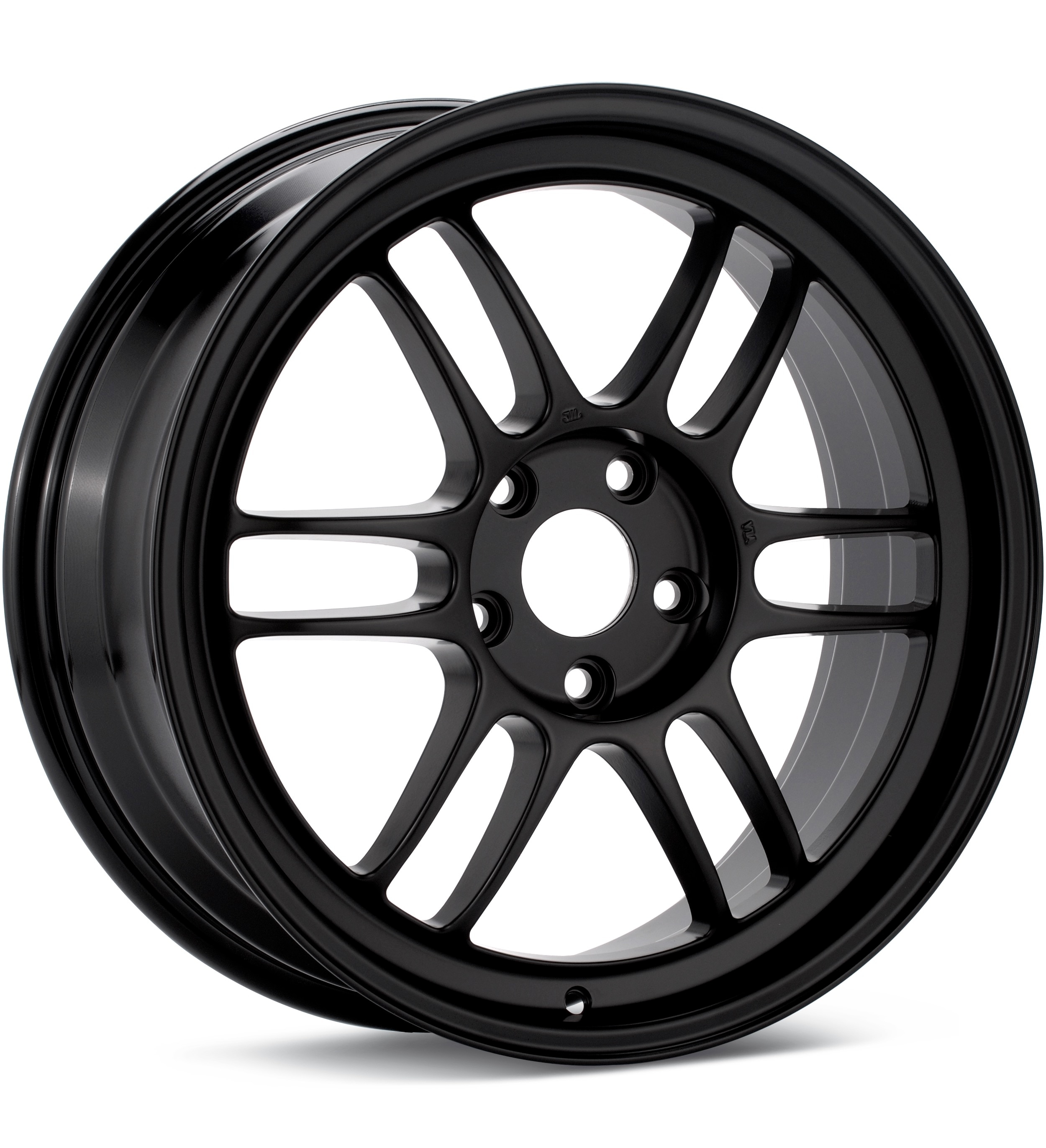
Enkei Racing
RPF1
Black
17 × 7″ · ET +45
$306.00
View at Tire Rack ↗Recorded OEM specifications for the 2006 Acura TSX, donor years with overlapping ranges, and a calculator to compare a selected wheel. Range overlap is not a guaranteed fit.
Save these wheel specs to your Ownery garage
Baseline mounting dimensions used for interchange decisions.
Thread-only product links are shopping examples, not verified fits. Seat style is not confirmed here. As an Amazon Associate we earn from qualifying purchases.
Selected size: 17 × 7″ · ET +55
Showing matching bolt patterns and offsets up to 20 mm lower. Confirm center bore, load rating, and clearance at Tire Rack.
Enkei Racing
Black
17 × 7″ · ET +45
$306.00
View at Tire Rack ↗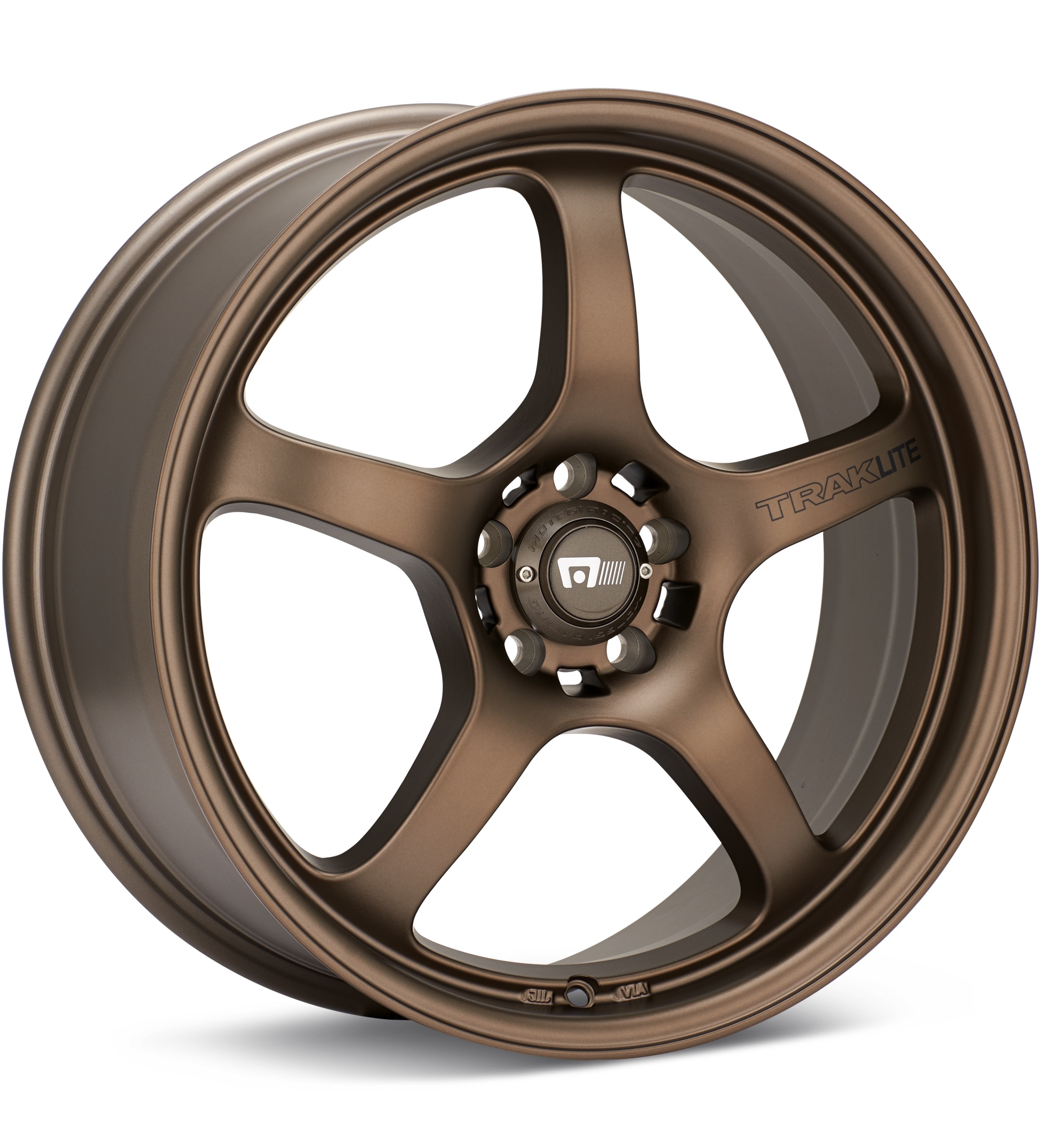
MOTEGI RACING
Bronze
17 × 7″ · ET +45
$304.00
View at Tire Rack ↗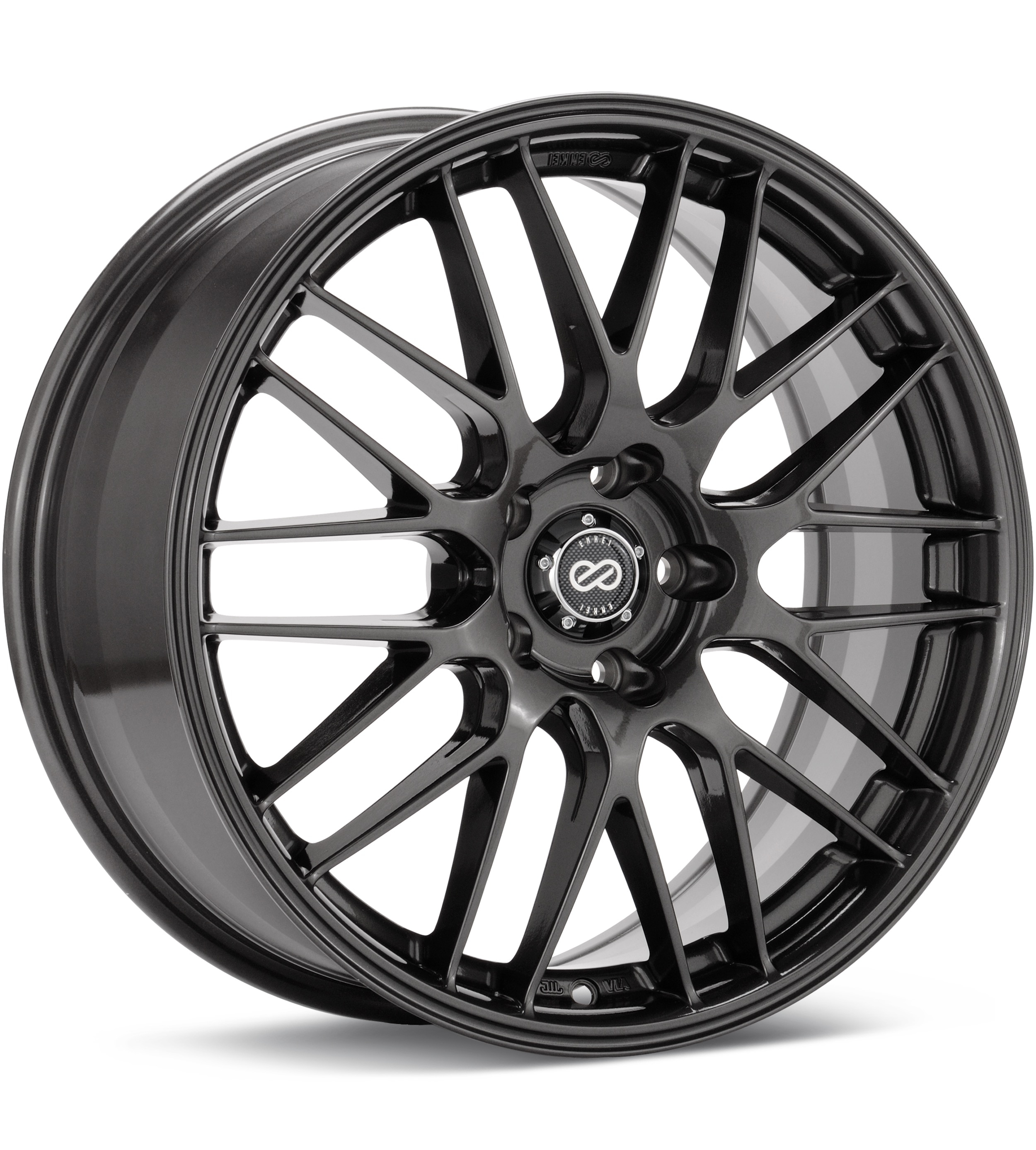
Enkei Performance
Gunmetal
17 × 7″ · ET +38
$182.12
View at Tire Rack ↗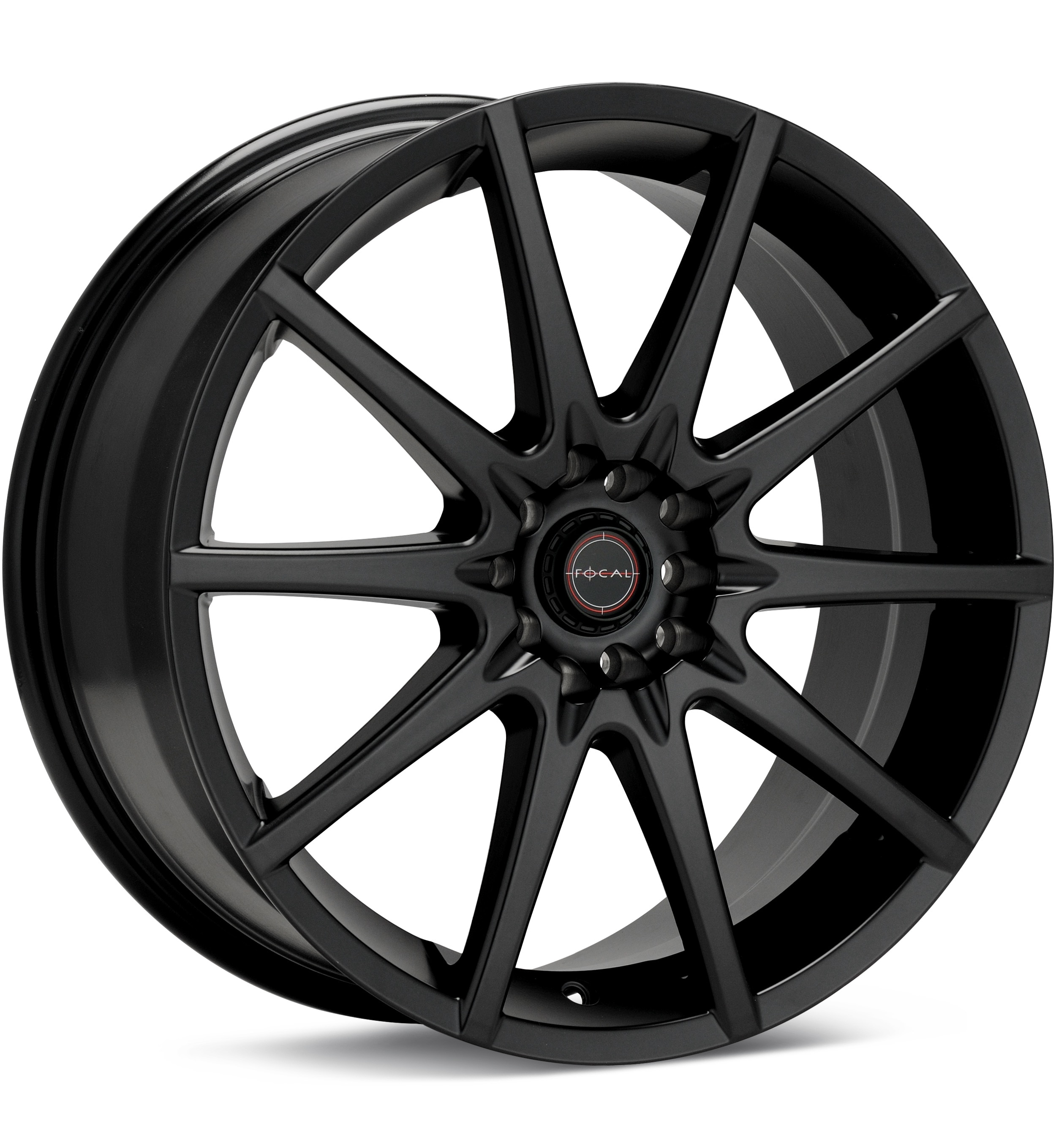
Focal
Black
17 × 7.5″ · ET +48
$194.13
View at Tire Rack ↗We may earn a commission when you buy through these links. Prices and availability may change.
These are vehicle-year records whose recorded OEM ranges overlap this 2006 Acura TSX. Overlap is not a guarantee that a specific wheel will install. Selected-wheel comparison is in the calculator below.
Evaluated 77 donor years. Listed 24 eligible overlaps (not all evaluated years are compatible). Showing all listed.
Years grouped because recorded compatibility evidence is equivalent. Each year keeps its own page.
Recorded OEM bolt pattern, center bore, and width/offset ranges overlap. This is not a guarantee that every wheel from the donor year fits this vehicle.
Years grouped because recorded compatibility evidence is equivalent. Each year keeps its own page.
Recorded OEM bolt pattern, center bore, and width/offset ranges overlap. This is not a guarantee that every wheel from the donor year fits this vehicle.
Years grouped because recorded compatibility evidence is equivalent. Each year keeps its own page.
Approximate position vs the mid OEM package: outer change 8.85 mm, inner change 3.85 mm. This uses aggregated width/offset ranges, not a specific wheel.
Recorded OEM bolt pattern, center bore, and width/offset ranges overlap. This is not a guarantee that every wheel from the donor year fits this vehicle.
Only years with evidence-based interchange relationships are listed. Adjacent years are not assumed compatible.
Compare a donor vehicle or custom wheel against this 2006 Acura TSX. Use Compare in calculator on a donor row above to fill the donor side of this same calculator.
Compare wheel compatibility between two vehicles
2006 Acura TSX





Example products matched to recorded thread, hub, or spacer dimensions. They are not verified fits. Confirm seat style, thickness, and clearance before ordering.
M12 x 1.5
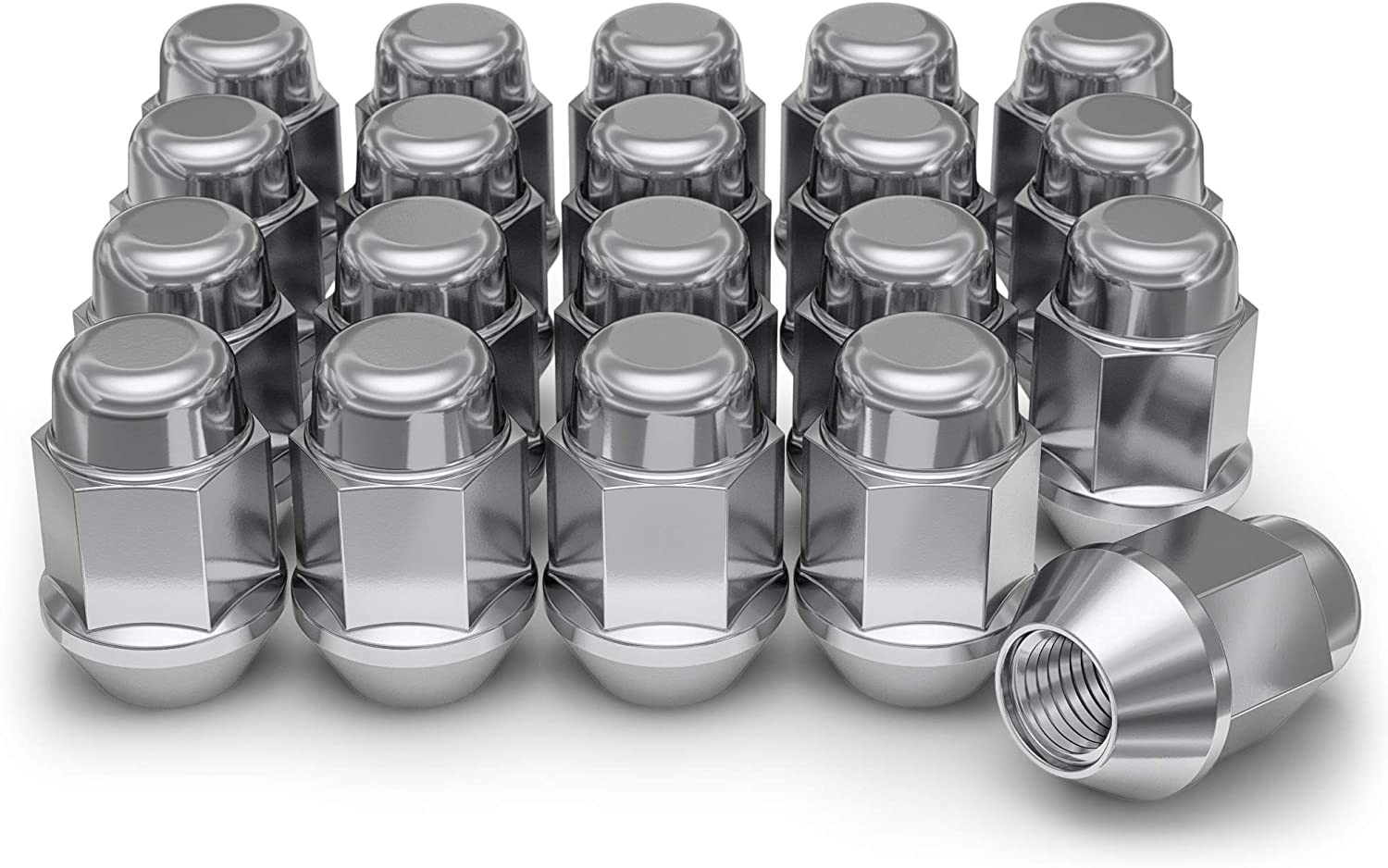
M12 x 1.5 · Thread match only; seat style is not verified
View on Amazon →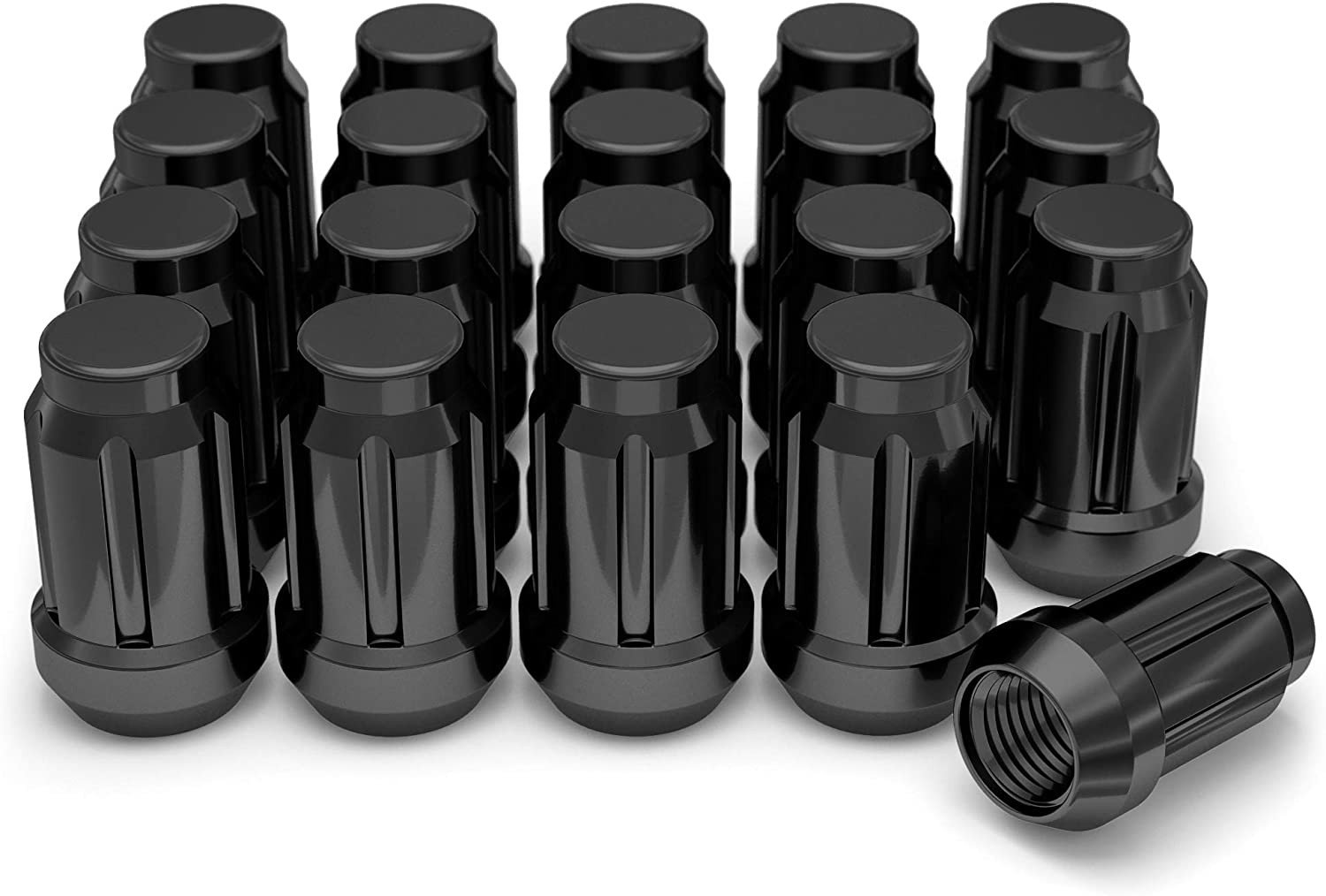
M12 x 1.5 · Thread match only; seat style is not verified
View on Amazon →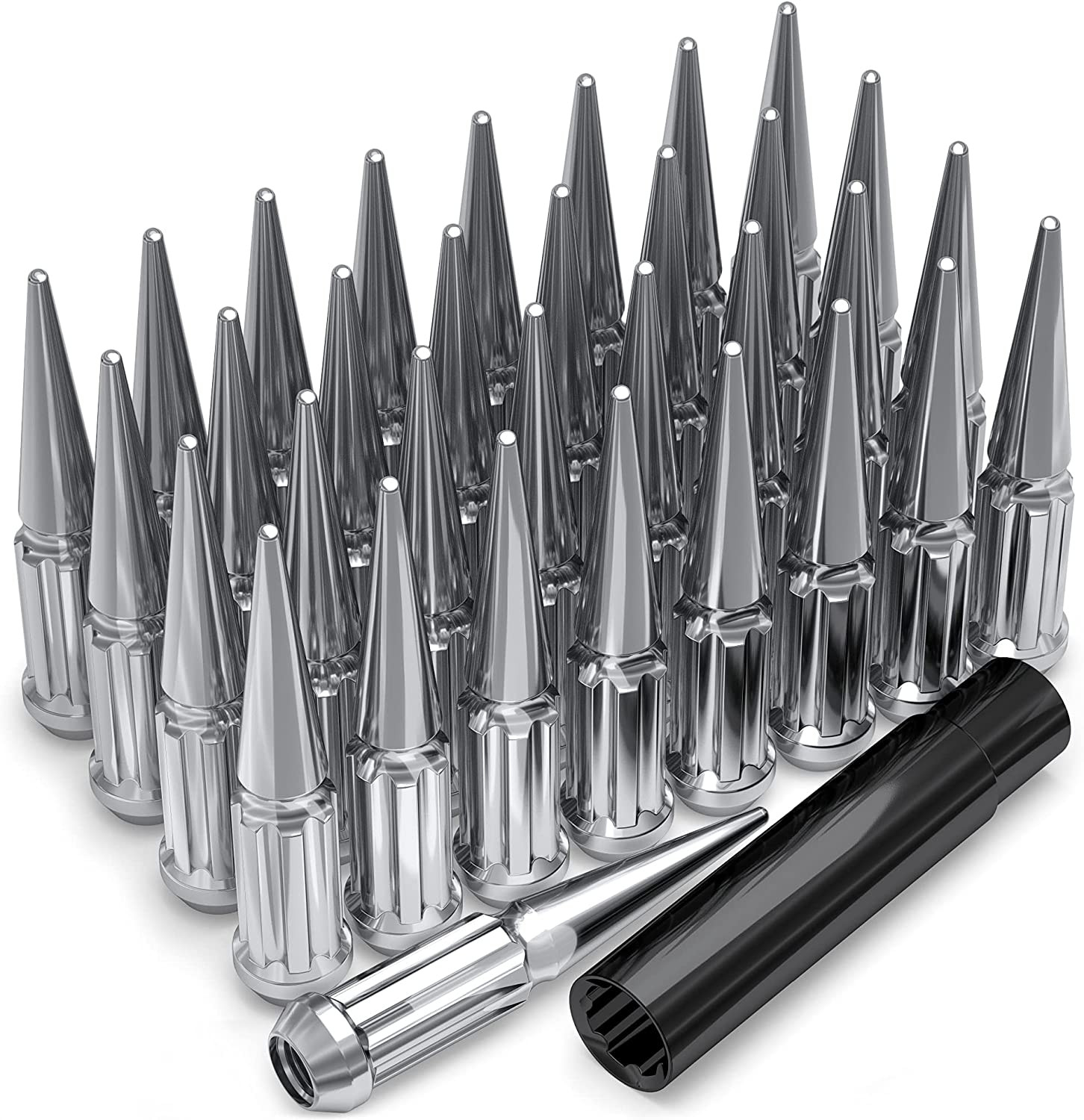
M12 x 1.5 · Thread match only; seat style is not verified
View on Amazon →As an Amazon Associate we earn from qualifying purchases. Product availability and pricing may change.
Choose a safe, serviceable wheel and tire combination for a 2006 Acura TSX that satisfies fitment, safety, and performance requirements. The objective is to identify practical options while avoiding uncertain assumptions about unspecified trim variations or aftermarket fitments.
Evidence-based constraints are taken from the provided OEM data. These are required inputs for any wheel selection or verification step.
| Parameter | Value |
|---|---|
| Bolt pattern (studs x PCD) | 5x114.3 |
| Center bore (mm) | 64.1 |
| Thread size | M12 x 1.5 |
| Rim diameter (in) | 17 |
| Rim width (in) | 7.0 |
| Wheel offset (ET, mm) | 55 |
| Backspacing (in) | 5.67 |
| Factory tire | 215/50R17 |
Limitations: load rating, brake clearance, and potential trim-specific variations are not provided here. Those values should be confirmed using OEM wheel documentation, a physical measurement, or the on-page calculator before final purchase.
I outline feasible paths without inventing fitment specifics for other vehicles. Each option requires validation against the constraints above using direct measurement or the calculator.
Below is an interpretation of how the options differ in practical terms, based on hands-on experience and fitment reasoning.
| Criterion | OEM-equivalent 17x7 ET55 | Wider wheel or lower ET | Larger diameter with lower profile |
|---|---|---|---|
| Fitment certainty | High when matching provided OEM parameters | Moderate; requires calculation and mock-up to verify rubbing | Moderate; requires diameter comparison to avoid speedometer error |
| Brake/caliper clearance | Expected to be OK for stock brakes | Risk increases if inner backspacing increases, might contact calipers | Depends on wheel inner offset; verify with template or test-fit |
| Handling and track width | Factory balance and predictable handling | Wider track can improve grip but may stress bearings and change steering feel | Sidewall reduction can sharpen response but reduce ride compliance |
| Speedometer/ABS interpretation | Unchanged with same outer diameter | Unchanged if overall diameter preserved | Alters if overall rolling diameter changes; use calculator to quantify |
| Installation complexity | Low; bolts and threads match M12 x 1.5 | Moderate; may need hub rings or different lug nuts | Moderate; require correct tire sizing and possibly TPMS recalibration |
Hypothesis: staying close to the OEM rim width and offset reduces fitment risk and post-installation surprises. Interpretation of the on-page calculator output will confirm or refute that hypothesis for each specific aftermarket wheel choice.
Based on the comparison, the clear evidence-based recommendation is to prioritize wheels that match the provided OEM parameters: 17x7 at ET55, 5x114.3 bolt pattern, 64.1 mm center bore, and M12x1.5 thread. This approach minimizes unknowns and maintains clearance and handling consistent with factory design.
If you consider alternatives, follow this ordered checklist before purchase or mounting.
For DIY owners seeking basic tools, consider a quality torque wrench and a set of hub-centric rings to reduce fitment uncertainty. Example searches that match these tool categories are provided for convenience.
This section lists likely risks and practical mitigations, presented without excessive reassurance, so you can judge the trade-offs.
Interpretation of these risks leads to a conservative conclusion: match OEM parameters when possible, verify all deviations with the calculator and physical measurement, and document the confirmation steps in case further inspection or reversions are necessary.
Wheel interchange depends on more than bolt pattern. Where data is available, this site compares recorded OEM values:
A normal wheel spacer does not change bolt pattern. Hub rings cannot enlarge a wheel bore that is smaller than the hub. Brake clearance and tire package fitment still require vehicle-specific checks when not confirmed in the dataset.
