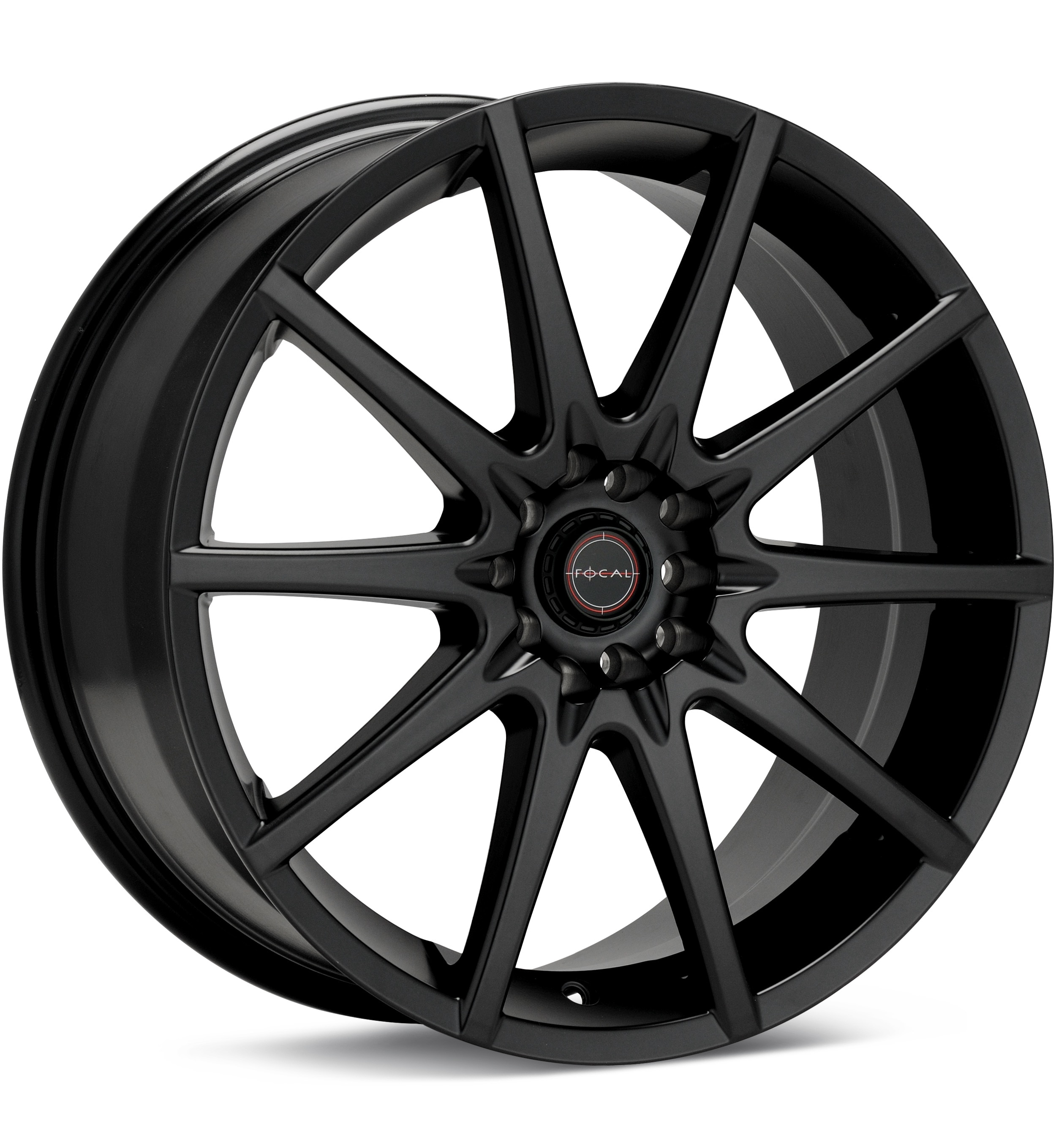
Focal
F04
Black
17 × 7.5″ · ET +48
$194.13
View at Tire Rack ↗Recorded OEM specifications for the 2014 Acura TSX, donor years with overlapping ranges, and a calculator to compare a selected wheel. Range overlap is not a guaranteed fit.
Save these wheel specs to your Ownery garage
Baseline mounting dimensions used for interchange decisions.
Multiple OEM configurations exist for this vehicle. Fitment can vary by trim, brakes, and factory wheel package – confirm your exact setup before buying.
Thread-only product links are shopping examples, not verified fits. Seat style is not confirmed here. As an Amazon Associate we earn from qualifying purchases.
Selected size: 17 × 7.5″ · ET +55
Showing matching bolt patterns and offsets up to 20 mm lower. Confirm center bore, load rating, and clearance at Tire Rack.
Focal
Black
17 × 7.5″ · ET +48
$194.13
View at Tire Rack ↗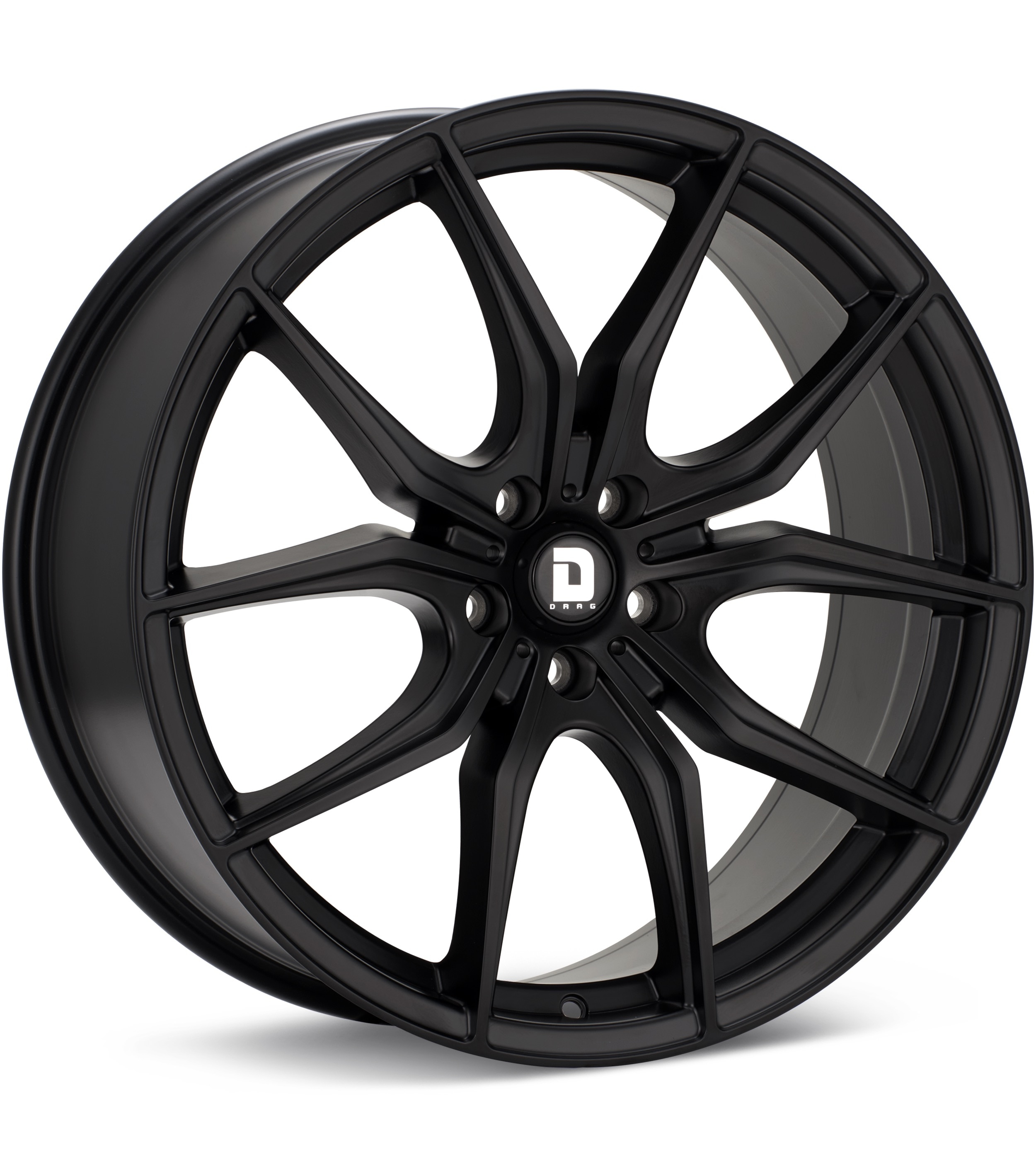
Drag
Flat Black
17 × 7.5″ · ET +42
$160.00
View at Tire Rack ↗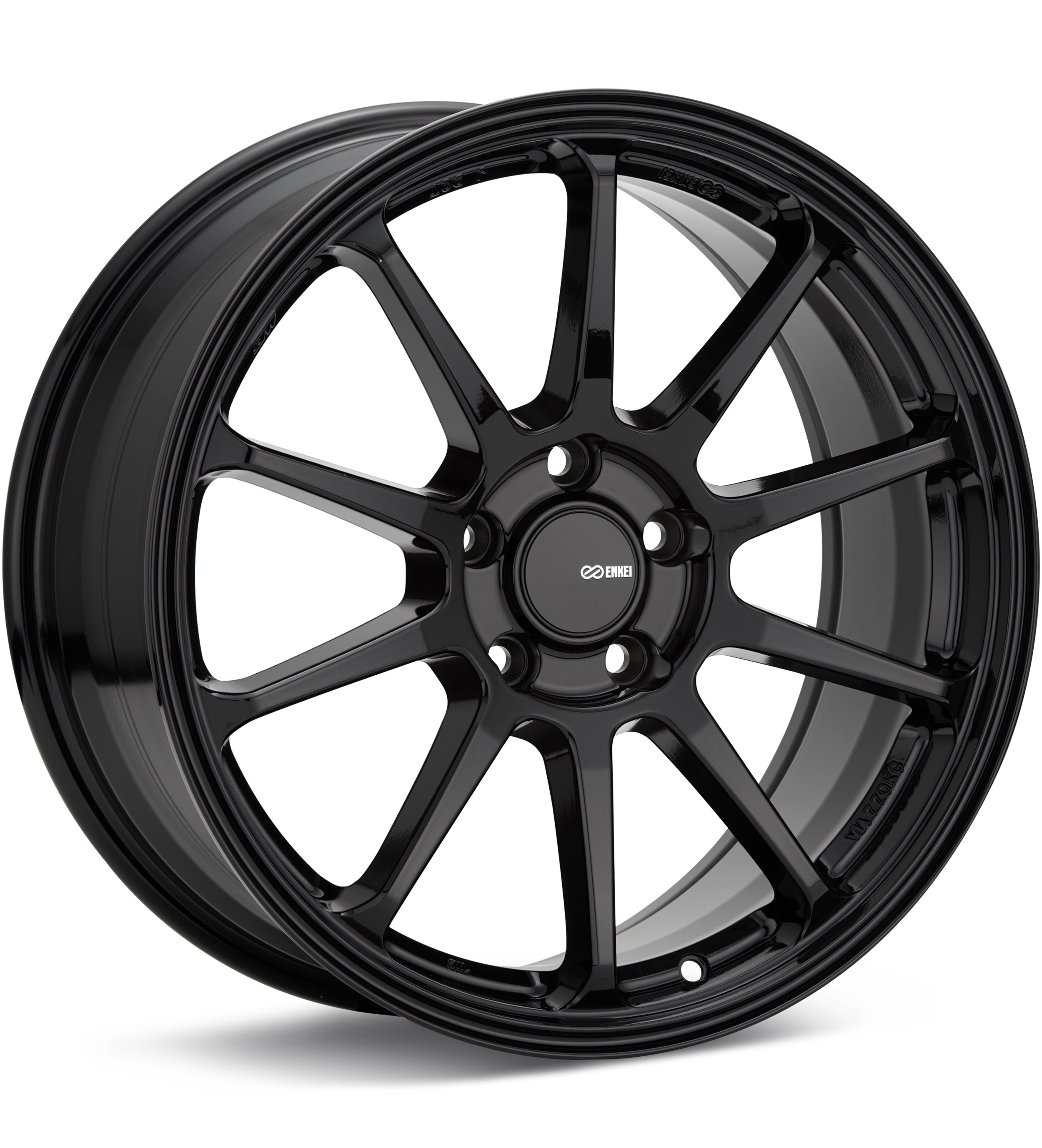
Enkei Performance
Gloss Black
17 × 7.5″ · ET +40
$198.81
View at Tire Rack ↗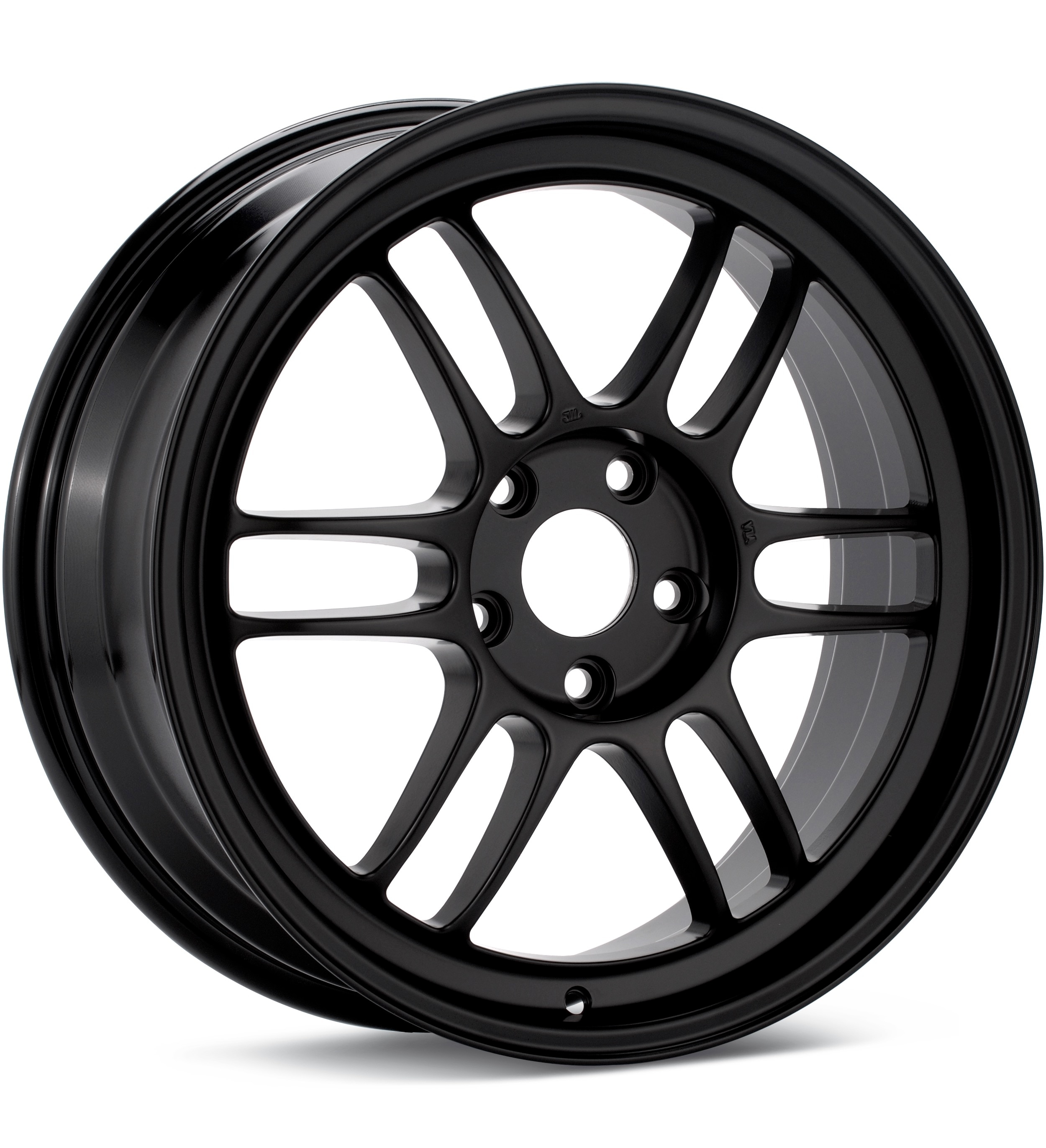
Enkei Racing
Black
17 × 7″ · ET +45
$306.00
View at Tire Rack ↗We may earn a commission when you buy through these links. Prices and availability may change.
These are vehicle-year records whose recorded OEM ranges overlap this 2014 Acura TSX. Overlap is not a guarantee that a specific wheel will install. Selected-wheel comparison is in the calculator below.
Evaluated 77 donor years. Listed 24 eligible overlaps (not all evaluated years are compatible). Showing all listed.
Years grouped because recorded compatibility evidence is equivalent. Each year keeps its own page.
Approximate position vs the mid OEM package: outer change -3.18 mm, inner change -3.18 mm. This uses aggregated width/offset ranges, not a specific wheel.
Years grouped because recorded compatibility evidence is equivalent. Each year keeps its own page.
Approximate position vs the mid OEM package: outer change -3.18 mm, inner change -3.18 mm. This uses aggregated width/offset ranges, not a specific wheel.
Years grouped because recorded compatibility evidence is equivalent. Each year keeps its own page.
Approximate position vs the mid OEM package: outer change 1.83 mm, inner change -8.18 mm. This uses aggregated width/offset ranges, not a specific wheel.
Only years with evidence-based interchange relationships are listed. Adjacent years are not assumed compatible.
Compare a donor vehicle or custom wheel against this 2014 Acura TSX. Use Compare in calculator on a donor row above to fill the donor side of this same calculator.
Compare wheel compatibility between two vehicles
2014 Acura TSX





Example products matched to recorded thread, hub, or spacer dimensions. They are not verified fits. Confirm seat style, thickness, and clearance before ordering.
M12 x 1.5
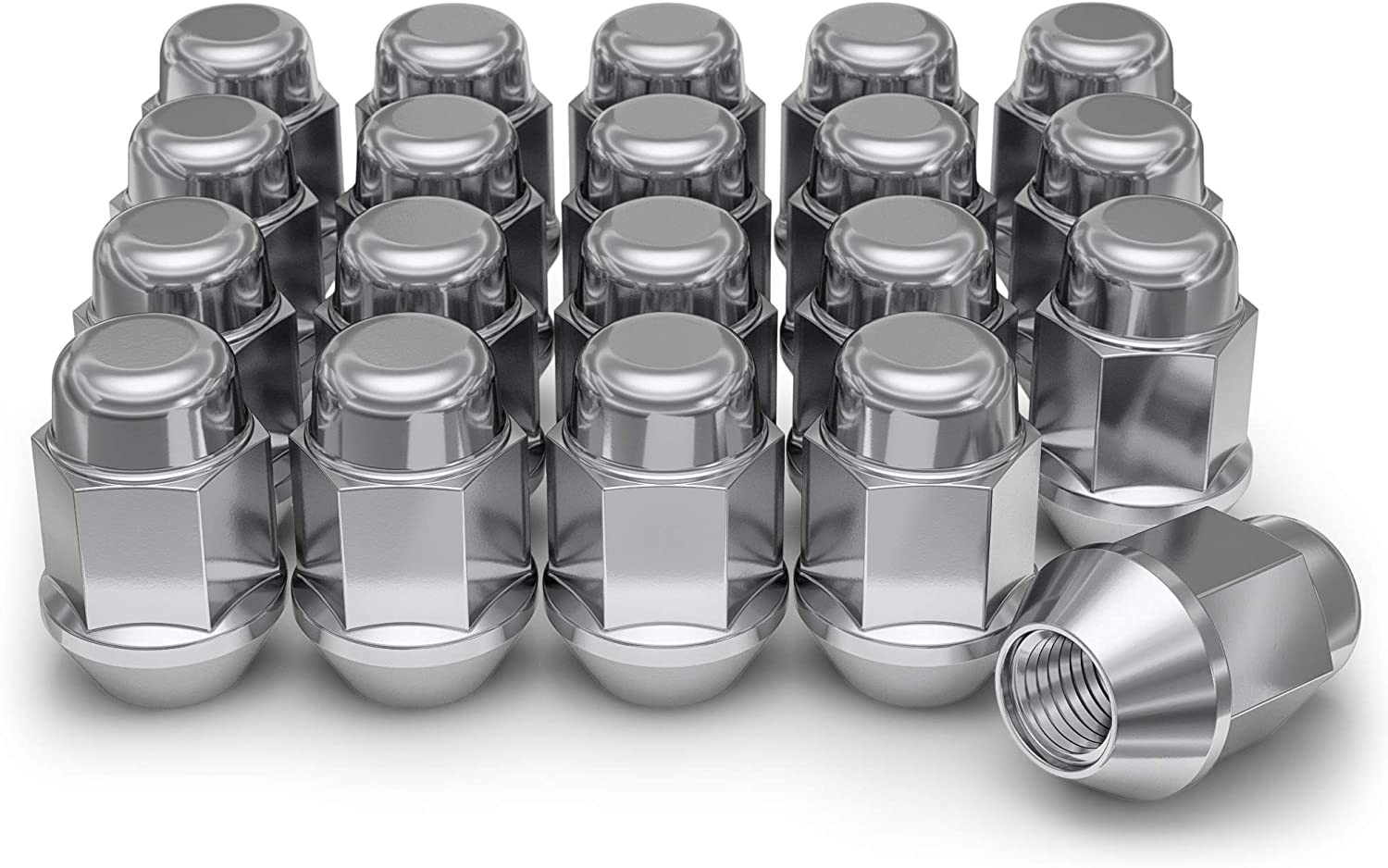
M12 x 1.5 · Thread match only; seat style is not verified
View on Amazon →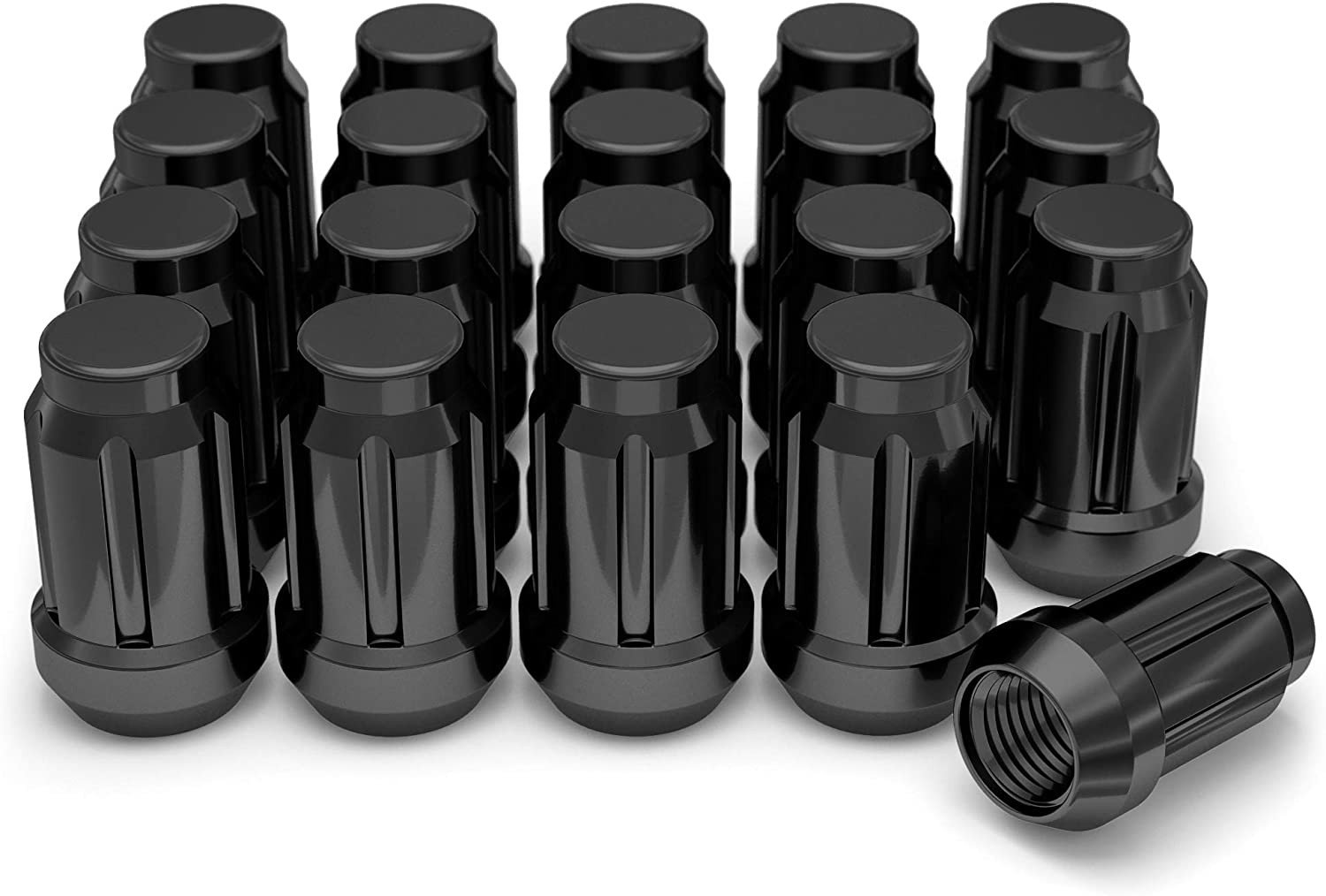
M12 x 1.5 · Thread match only; seat style is not verified
View on Amazon →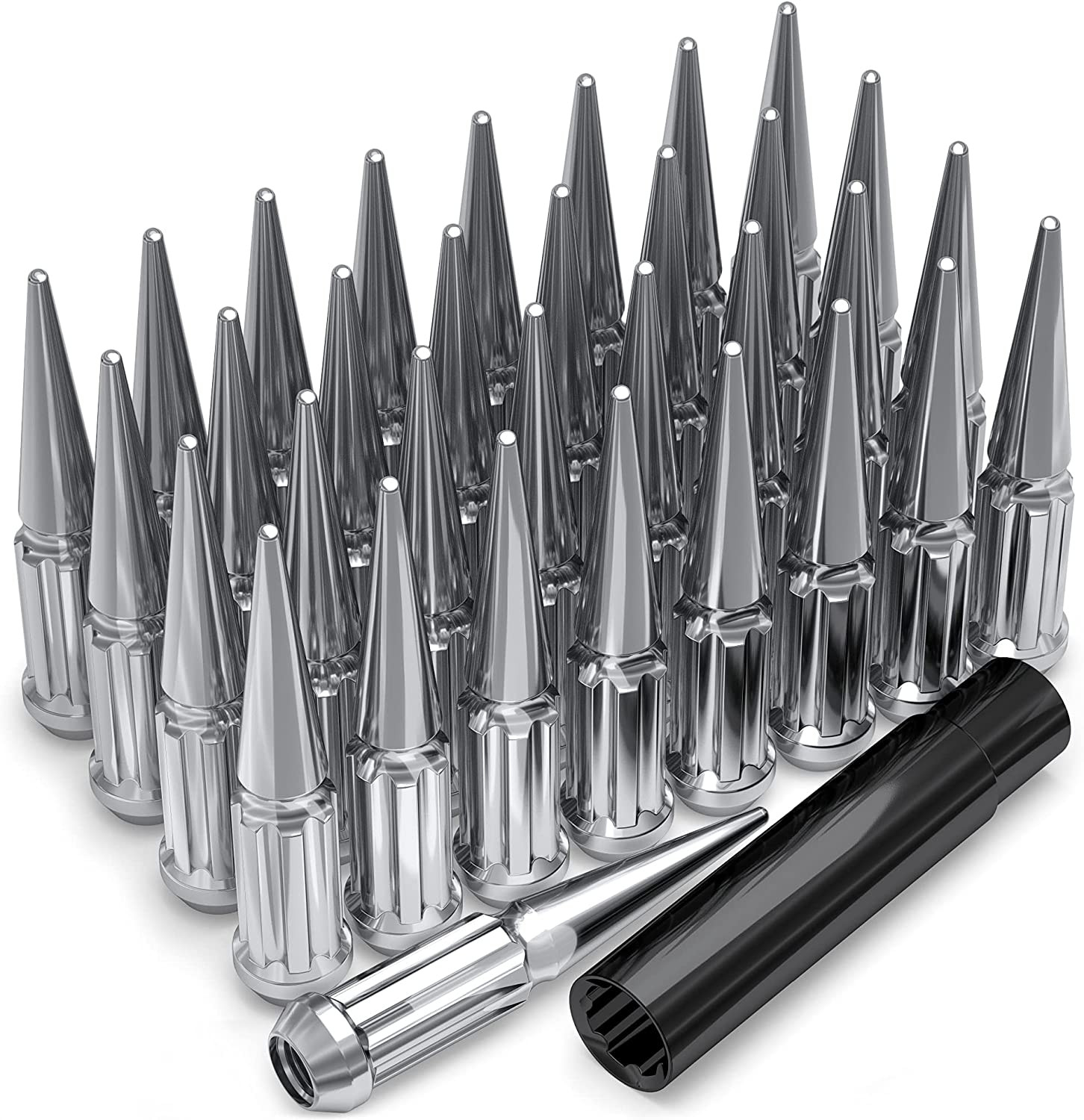
M12 x 1.5 · Thread match only; seat style is not verified
View on Amazon →As an Amazon Associate we earn from qualifying purchases. Product availability and pricing may change.
Problem: you need clear, actionable fitment guidance for a 2014 Acura TSX. Wheel and tire fitment often has hidden constraints that cause rubbing, loose lugs, or speedometer error.
Recommended outcome: confirm the TSX’s critical specs, use the on-page calculator to test options, and choose wheels and tires that match lug, bore, and offset constraints.
Assumption: you have physical access to the vehicle and basic tools. You can measure or read specs from the door placard, owner’s manual, or stamped wheel markings.
| Specification | Reported value | Notes / validation |
|---|---|---|
| Bolt pattern | 5x114.3 | Confirm by measuring lug circle or OEM documentation. |
| Center bore | 64.1 mm | Wheel must be hub-centric or use rings if larger bore is present. |
| Thread size | M12 x 1.5 | Use correct lug nuts; incorrect thread causes failure risk. |
| Wheel rim | 18 x 8.0 in | Reported rim; verify stamping on wheel or dealer spec for your trim. |
| Offset (ET) | 50 mm | Changes in offset change track and rubbing risk; validate with calculator. |
| Backspacing | 5.97 in | Useful to compare inner clearance against aftermarket wheels. |
| Tire section width | 225 mm | Common OEM width. Confirm tire sidewall if unsure. |
| Tire aspect ratio | 50% | Used with section width to compute sidewall height and overall diameter. |
| Tire rim diameter (R) | 17 | Reported tire shows 17-inch rim diameter. This conflicts with the 18-inch wheel entry. Confirm on-vehicle placard or current tires. |
If any value looks inconsistent, use the on-page calculator and cross-check door placard, OEM manual, or dealer VIN lookup for validation.
Problem: wheel does not fit over studs or holes. Trade-off: adapters exist but add complexity and possible stress. Recommended action: obtain wheels with matching 5x114.3 pattern or use hub-centric, load-rated adapters from a trusted supplier.
Problem: wheel will not seat on hub or has play. If bore too small, the wheel physically won't fit. If bore too large, use hub-centric rings sized to the wheel bore and 64.1 mm hub to restore centering and avoid vibration.
Problem: lugs do not thread. Do not force or use incorrect nuts. Solution: replace nuts with M12 x 1.5 that match stud length and seat type. If wheel requires different seat, use correct seat adapters or wheels designed for that nut type.
Problem: rubbing on fender or suspension, or poor handling. Small offset changes are manageable. Large negative offsets may require spacers, fender rolling, or a different wheel to avoid interference. Validate with the calculator to preview clearance trade-offs.
Problem: large tire diameter change alters speedometer and gearing feel. Use the calculator to estimate diameter difference. If difference exceeds manufacturer tolerance, correct with an appropriate tire size or recalibration.
A: You can if bolt pattern, center bore, thread size, and offset match. Use the calculator to confirm and document any required hub rings or lug changes.
A: Yes, if you fit properly sized hub-centric rings to match 64.1 mm and ensure accurate centering and balance validation.
A: This is a reported inconsistency. It may reflect different trims or optional wheel packages. Confirm with the door placard, current tires’ sidewall markings, or dealer VIN lookup. Use the calculator to reconcile choices once confirmed.
A: There is no single safe number for all cases. Small changes under roughly 10 mm often work, but you must validate inner clearance, steering, and bearing loads. Use the calculator and a dry-fit test for validation.
Safety-first: incorrect wheel fitment can cause loss of control, wheel separation, or accelerated component wear. The advice here does not replace OEM service manuals or professional inspection.
Recommended: confirm specs against the vehicle’s placard, owner’s manual, or an authorized dealer before modification or purchase.
Start with the bolt pattern, center bore, and thread size – these are non-negotiable constraints. Use the calculator to simulate wheel and tire combinations, then perform a dry fit and torque validation.
This stepwise approach reduces surprises and keeps you within safe operating trade-offs. If anything remains uncertain, document the discrepancy and consult the dealer or a professional installer for final validation.
Wheel interchange depends on more than bolt pattern. Where data is available, this site compares recorded OEM values:
A normal wheel spacer does not change bolt pattern. Hub rings cannot enlarge a wheel bore that is smaller than the hub. Brake clearance and tire package fitment still require vehicle-specific checks when not confirmed in the dataset.
