2012 Dodge Durango Wheel Fitment Guide
Known OEM Fitment For 2012 Dodge Durango
The following specifications are the known OEM fitment data provided for the 2012 Dodge Durango. Factory equipment can vary by trim, package, wheel, and brake configuration, so confirm the information on your vehicle before ordering replacement or aftermarket wheels.
| Specification |
Known value |
| Bolt pattern |
5x127 |
| Center bore |
71.6 mm |
| Thread size |
M14 x 2.00 |
| Rim diameter |
18 inches |
| Rim width |
8.0 inches |
| Wheel offset |
ET 56 mm |
| Backspacing |
6.2 inches |
| Known tire size |
265/60R18 |
| Tire section width |
265 mm |
| Tire aspect ratio |
60 percent |
The 265/60R18 tire size is listed here as the known tire specification supplied for this page. Do not assume it applies to every 2012 Durango trim without checking the tire placard, owner's manual, or a Dodge service source for your specific vehicle.
How To Use The Wheel Interchange Calculator
Use the calculator to compare wheels from a donor vehicle with wheels installed on your 2012 Dodge Durango. Enter the donor wheel and tire details, then review the differences in diameter, width, offset, backspacing, and tire dimensions.
- Select the donor vehicle or enter its wheel specifications when the exact vehicle is not available.
- Enter your Durango's current wheel and tire information in the installed-on-your-vehicle fields.
- Use Custom wheel size to test a different rim diameter, width, or offset.
- Use Custom tire size to test a different section width or aspect ratio.
- Review the calculated changes in inner clearance, outer position, and overall tire diameter before buying.
- Remember that changing rim diameter updates the tire diameter comparison. A different wheel diameter normally requires a tire with a suitable matching rim diameter.
The calculator is a comparison aid, not a substitute for a physical test fit or confirmation from Dodge, the wheel manufacturer, the tire manufacturer, and a qualified technician.
Fitment Checklist Before You Buy
- Confirm the 5x127 bolt pattern and verify that the wheel has five correctly positioned mounting holes.
- Check that the wheel center bore is at least 71.6 mm. A smaller bore will not fit over the hub. A larger bore may require correctly sized hub-centric rings where appropriate.
- Confirm the wheel offset and width with the calculator, then check for clearance to the brake caliper, suspension, steering components, and inner wheel well.
- Verify the wheel's load rating is sufficient for the vehicle. The required rating is not provided here, so use the vehicle placard, owner's manual, and wheel manufacturer documentation.
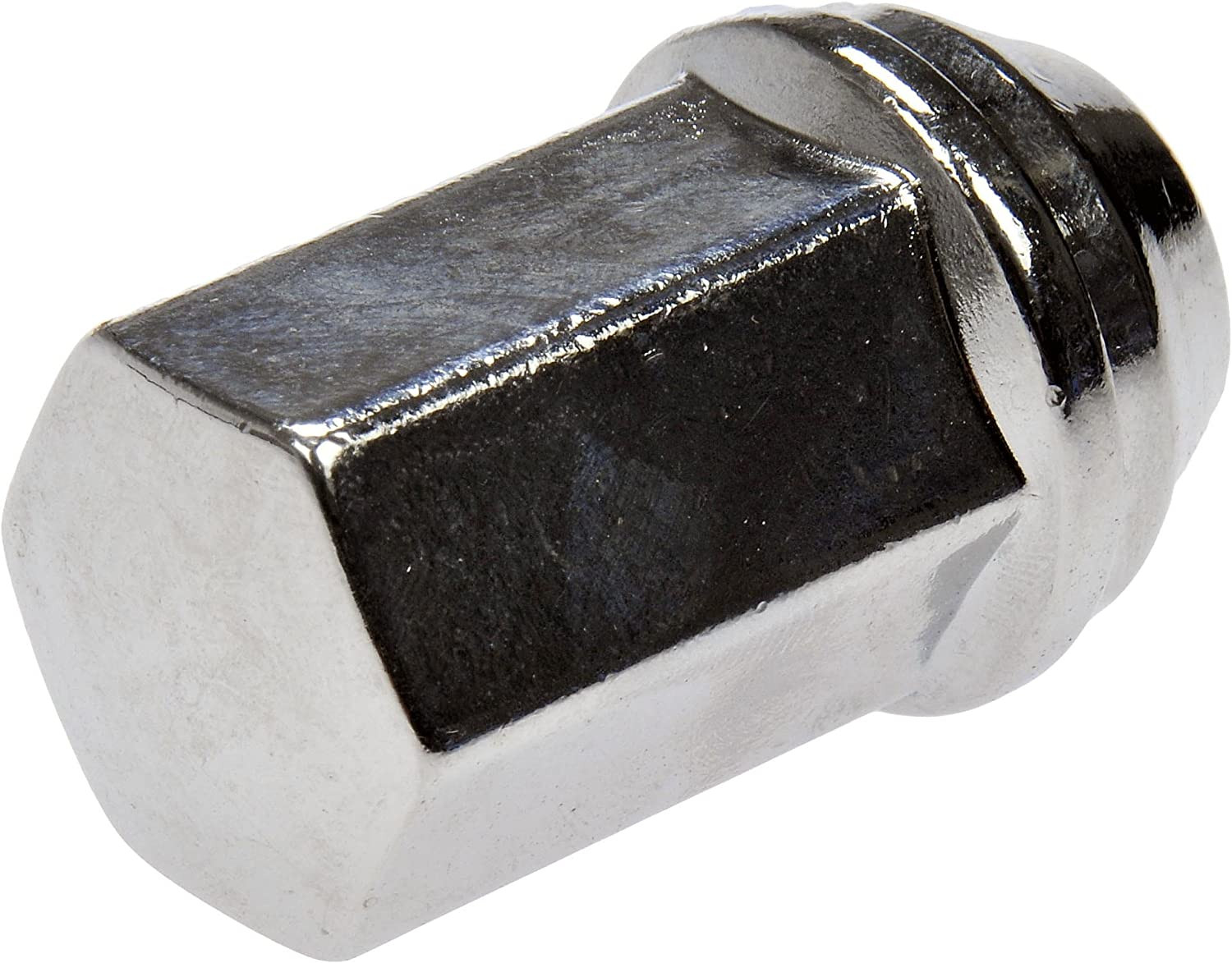
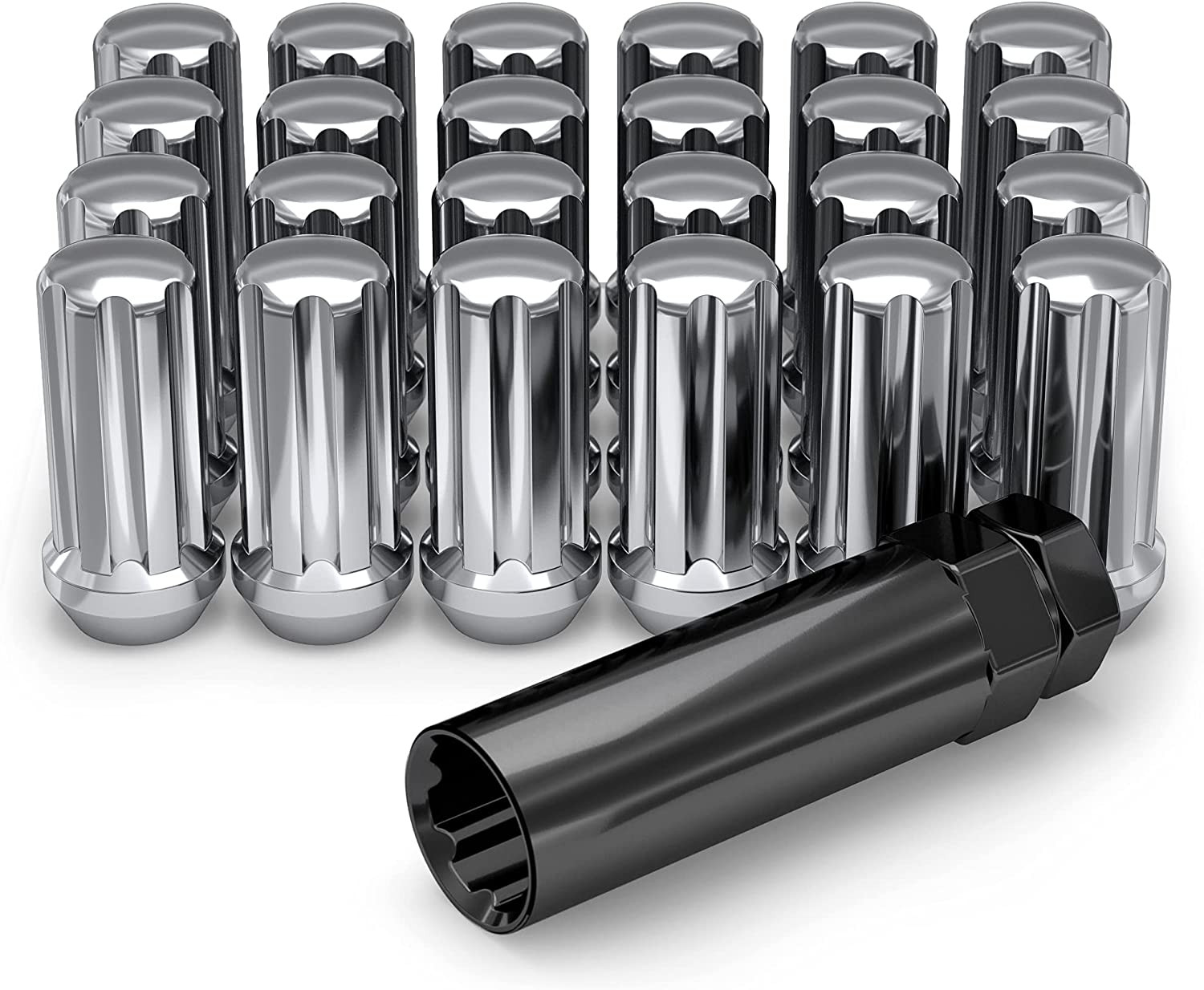
- Match the wheel's seat type and hardware requirements. The known thread size is M14 x 2.00, but the correct lug nut seat and shank style depend on the wheel.
- Check tire load index, speed rating, approved rim width, and overall diameter before mounting a different tire size.
- Confirm that the replacement wheel clears the brake system on the exact vehicle, including any optional or replacement brake components.
- Inspect used wheels for cracks, bends, corrosion around the bead seat, damaged mounting holes, and repaired areas.
- After installation, verify that the tire does not contact the body or suspension at full steering lock and through available suspension travel.
Plus Sizing And Common Upgrades
Plus sizing changes the wheel diameter while using a lower-profile tire to keep the overall tire diameter near the original size. This can change ride comfort, handling response, steering feel, noise, wheel damage risk, and tire cost.
No specific larger wheel size or compatible vehicle list is provided for this 2012 Dodge Durango. Use the calculator to compare a proposed diameter, width, offset, and tire size rather than assuming that any 5x127 wheel will fit.
When comparing a wider wheel or tire, pay particular attention to the difference between inner and outer clearance. A change that appears acceptable by bolt pattern may still contact the strut, control arm, fender liner, bumper, or bodywork. Confirm the tire manufacturer's approved rim-width range and maintain adequate clearance at full steering lock.
Do not select a tire solely by matching its outside diameter. Load capacity, speed rating, wheel width, pressure requirements, and clearance are also important. The correct pressure should be based on the vehicle tire placard and tire manufacturer guidance, not the maximum pressure molded on the sidewall.
Installation Tips
Clean the hub face and wheel mounting surface before installation. Rust, dirt, paint buildup, or debris between the hub and wheel can prevent proper seating and cause vibration or fastener loosening.
- Install only the lug nuts or wheel bolts specified for the wheel design and mounting seat.
- Start all fasteners by hand to avoid cross-threading.
- Tighten in a star or crisscross pattern with the vehicle supported safely.
- Use the vehicle manufacturer's specified torque value. That torque value is not provided here, so confirm it in the owner's manual, service information, or with a Dodge dealer.
- Do not lubricate wheel stud or lug nut threads unless the vehicle or fastener manufacturer specifically permits it, because lubrication can change the clamping force.
- Check for contact by turning the steering from lock to lock and inspecting the tire and wheel clearance.
- Recheck fastener torque after the first short drive and again according to the wheel manufacturer's instructions.
- Stop driving if you notice vibration, rubbing, looseness, pulling, or unusual noises after installation.
Tools And Helpful Supplies
Use properly rated equipment and follow safe lifting procedures. A floor jack alone is not a safe support device for working under a vehicle. Use jack stands on a firm, level surface and follow the owner's manual lift-point guidance.
- Automotive torque wrench for final fastener tightening.
- Correctly sized socket and breaker bar for removing the existing lug nuts.
- Jack and jack stands rated for the vehicle.
- Wire brush or suitable hub-cleaning tool for removing rust and debris.
- Tire pressure gauge and an air source.
- Flashlight and measuring tool for checking suspension, brake, and fender clearance.
- Wheel chocks and eye protection.
Use a tire shop for tire mounting, balancing, bead inspection, and any work requiring specialized equipment. Never attempt to separate a tire from a wheel without the correct tire-service equipment and training.
FAQs
What is the known bolt pattern for the 2012 Dodge Durango?
The known bolt pattern supplied for this page is 5x127. Confirm the wheel specifications and your vehicle configuration before ordering.
What is the center bore?
The known center bore is 71.6 mm. A wheel bore smaller than the vehicle hub will not fit. A larger bore may need a properly sized hub-centric ring if recommended for the application.
What is the known OEM wheel and tire combination?
The supplied known combination is an 18x8.0 wheel with ET 56 mm offset and a 265/60R18 tire. This information may be partial and should be checked against the vehicle's tire placard and OEM documentation.
Can I use any wheel with a 5x127 bolt pattern?
No. Bolt pattern is only one part of fitment. You must also check center bore, offset, width, brake clearance, wheel load rating, lug nut seat, thread compatibility, and tire clearance.
What lug thread size is known for this vehicle?
The supplied thread size is M14 x 2.00. The correct lug nut seat and design still depend on the wheel, so use the wheel manufacturer's specified hardware.
How do I check whether a donor wheel will fit?
Enter the donor wheel details and the Durango's installed dimensions in the wheel interchange calculator. Review the changes in inner and outer position, then physically confirm brake, suspension, body, and tire clearance before completing the purchase.
Will a larger wheel improve handling?
A larger wheel with a properly selected lower-profile tire may change steering response, but it can also reduce ride comfort and increase the risk of wheel or tire damage. The correct tire load rating, approved rim width, overall diameter, and clearance must be confirmed first.
Where can I confirm the final specifications?
Check the tire and loading information placard, owner's manual, Dodge service information, the wheel manufacturer's fitment data, and the tire manufacturer's specifications. If those sources disagree, do not install the parts until the discrepancy is resolved by a qualified professional.