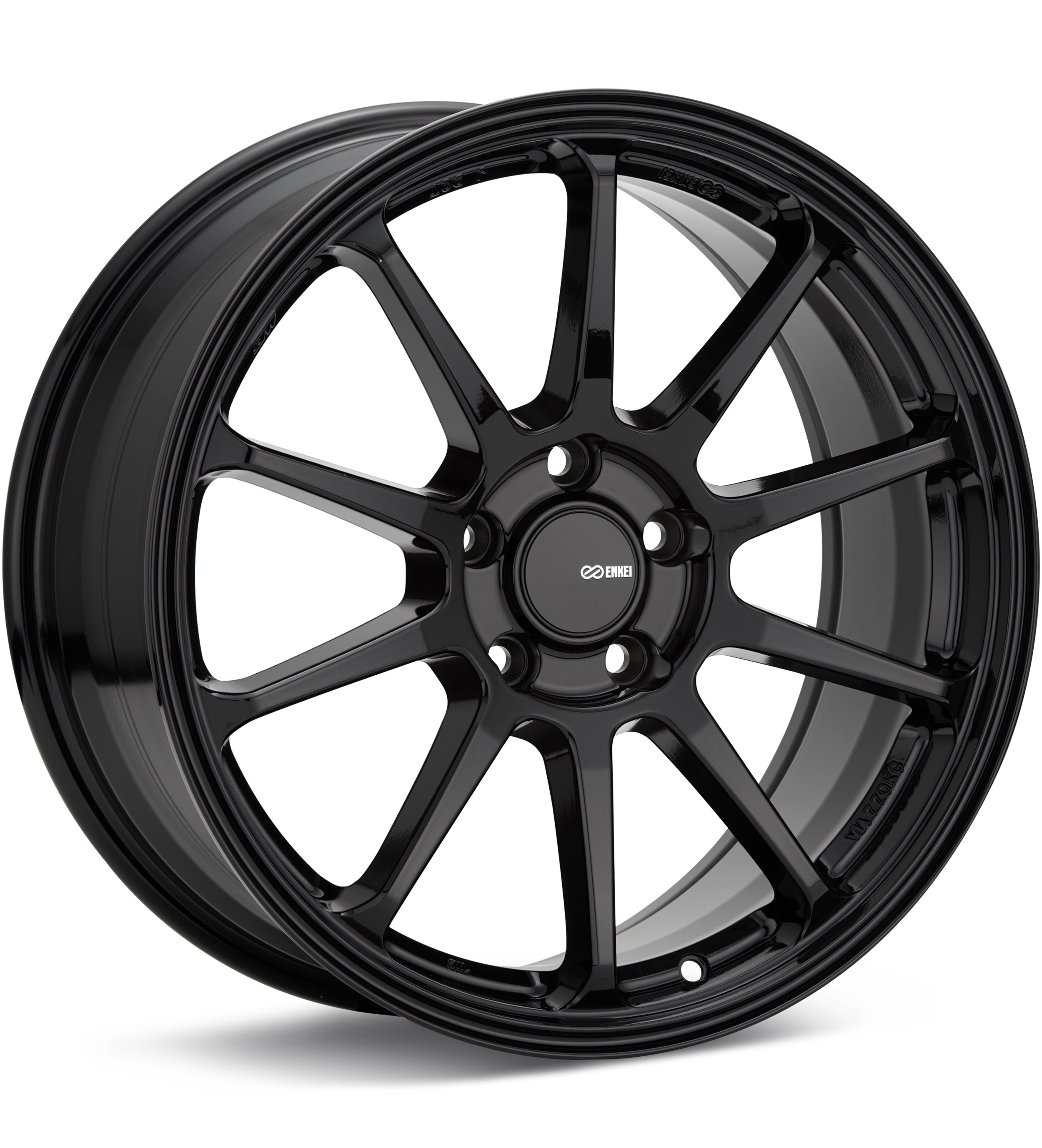
Enkei Performance
PX-10
Gloss Black
17 × 7.5″ · ET +40
$198.81
View at Tire Rack ↗Recorded OEM specifications for the 2010 Ford Edge, donor years with overlapping ranges, and a calculator to compare a selected wheel. Range overlap is not a guaranteed fit.
Save these wheel specs to your Ownery garage
Baseline mounting dimensions used for interchange decisions.
Center-bore records disagree: year-level hub 70.6 mm vs trim range 70.5–70.5 mm. Interchange below does not treat this as an unqualified match.
Thread-only product links are shopping examples, not verified fits. Seat style is not confirmed here. As an Amazon Associate we earn from qualifying purchases.
Selected size: 17 × 7.5″ · ET +40
Showing matching bolt patterns and offsets up to 20 mm lower. Confirm center bore, load rating, and clearance at Tire Rack.
Enkei Performance
Gloss Black
17 × 7.5″ · ET +40
$198.81
View at Tire Rack ↗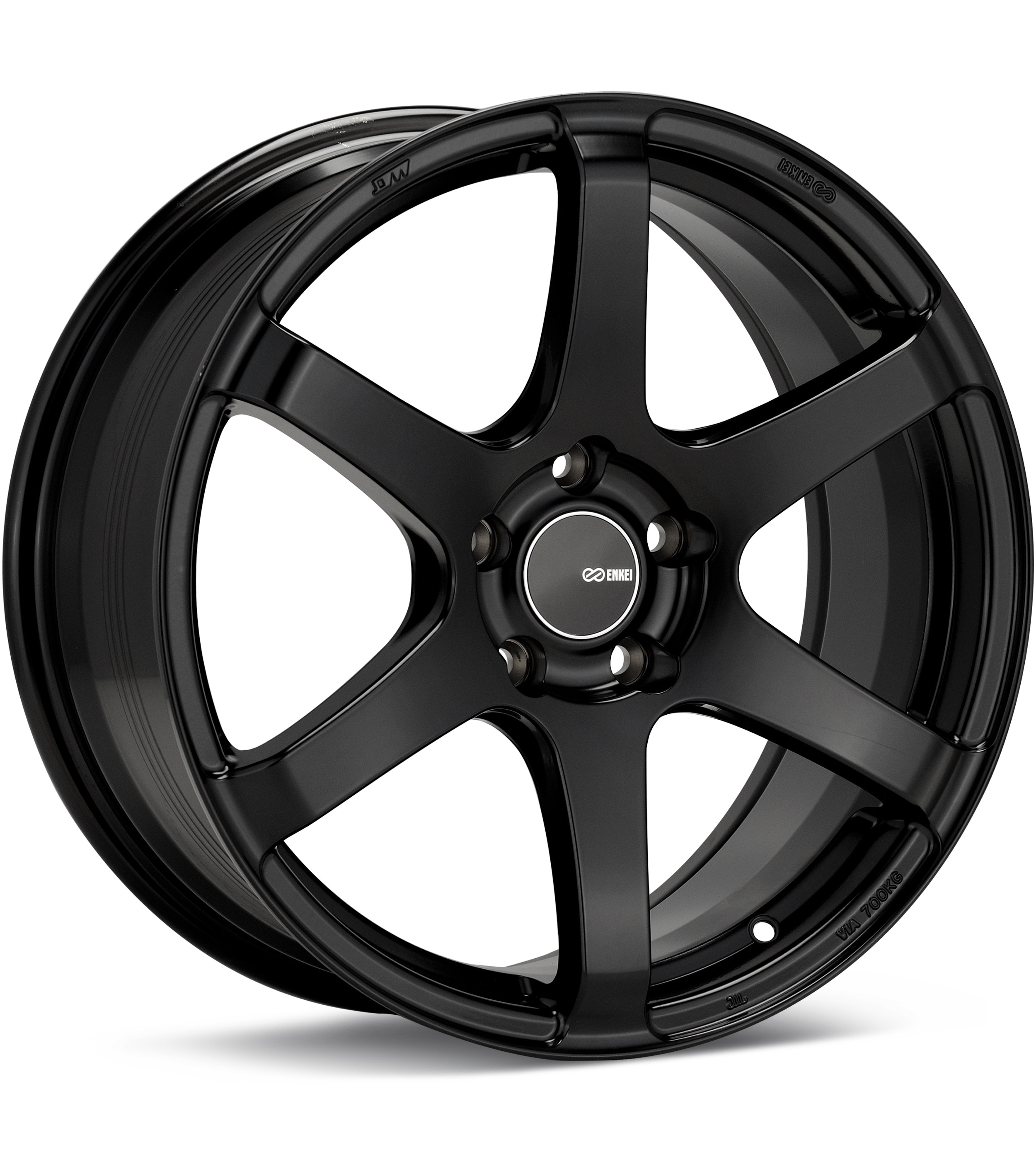
Enkei Tuning
Black
17 × 8″ · ET +40
$205.31
View at Tire Rack ↗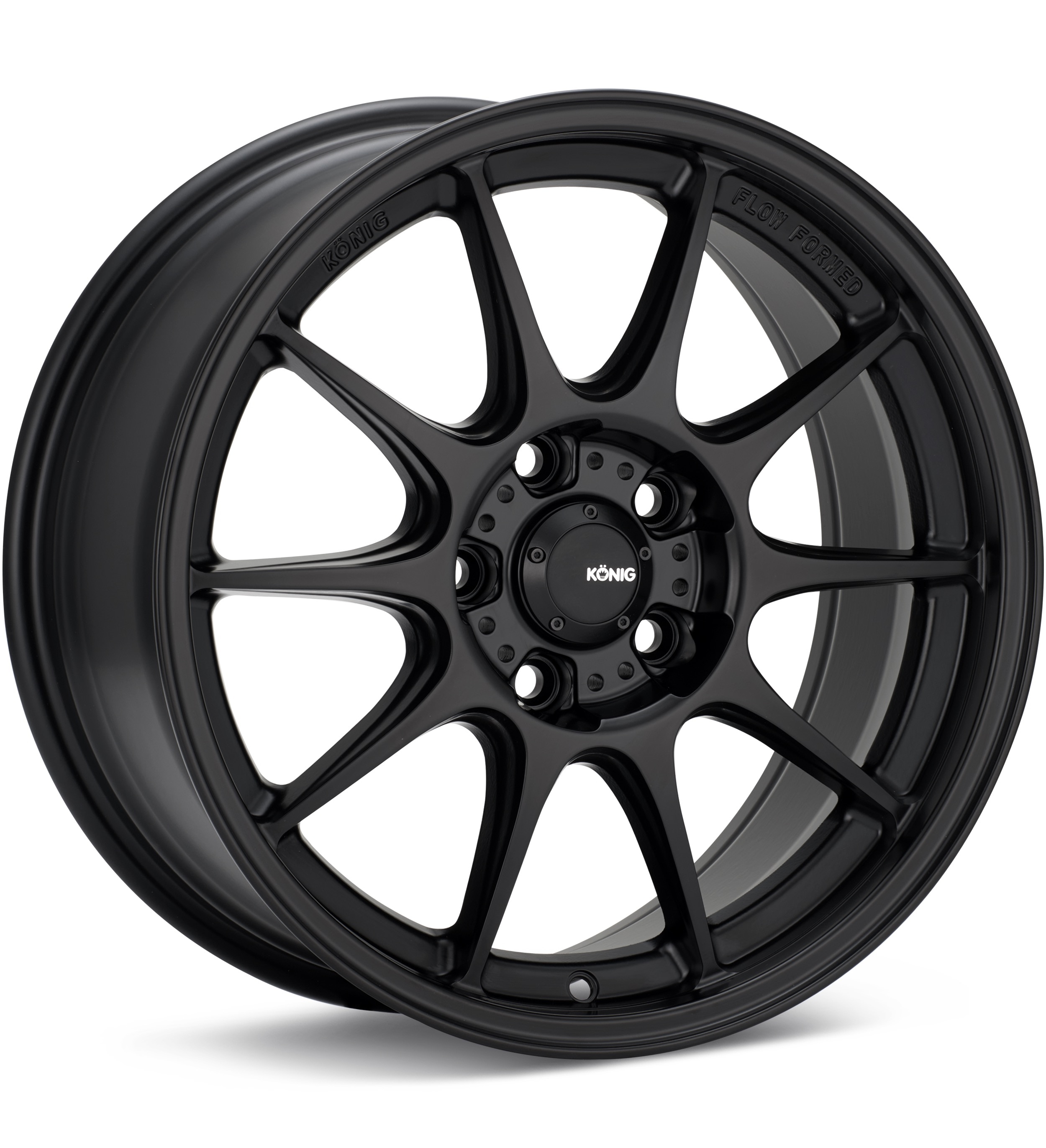
Konig
Black
17 × 8″ · ET +40
$282.70
View at Tire Rack ↗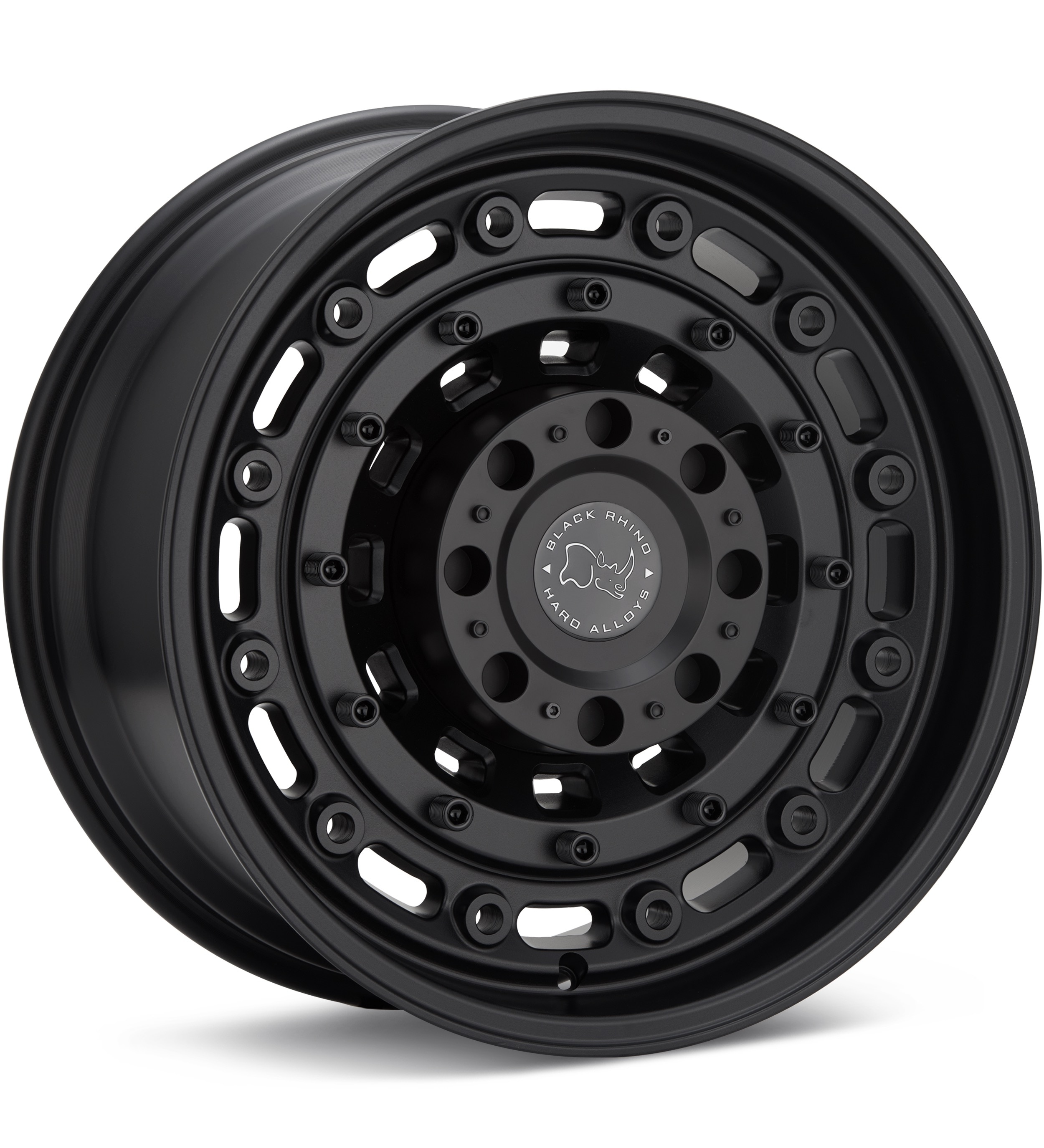
Black Rhino
Textured Matte Black
17 × 8″ · ET +30
$363.00
View at Tire Rack ↗We may earn a commission when you buy through these links. Prices and availability may change.
These are vehicle-year records whose recorded OEM ranges overlap this 2010 Ford Edge. Overlap is not a guarantee that a specific wheel will install. Selected-wheel comparison is in the calculator below.
Evaluated 57 donor years. Listed 24 eligible overlaps (not all evaluated years are compatible). Showing all listed.
Years grouped because recorded compatibility evidence is equivalent. Each year keeps its own page.
Center-bore records disagree (target year-level hub 70.6 mm vs trim range 70.5–70.5 mm; donor year-level hub 70.6 mm vs trim range 70.5–70.5 mm). Unqualified overlap is not claimed until the conflict is resolved. Approximate position vs the mid OEM package: outer change -2.68 mm, inner change -3.68 mm. This uses aggregated width/offset ranges, not a specific wheel.
Lug thread is not fully recorded for this comparison. Hardware must match the 2010 Ford Edge studs and the selected wheel’s seat. Unknown hardware is not a match.
Bolt pattern data is incomplete for a full interchange decision.
Years grouped because recorded compatibility evidence is equivalent. Each year keeps its own page.
Donor width/offset sits outside the known OEM envelope for this vehicle. Precomputed data suggested a spacer; geometry was re-checked against OEM envelope.
Years grouped because recorded compatibility evidence is equivalent. Each year keeps its own page.
Center-bore records disagree (target year-level hub 70.6 mm vs trim range 70.5–70.5 mm). Unqualified overlap is not claimed until the conflict is resolved. Approximate position vs the mid OEM package: outer change -14.02 mm, inner change -5.02 mm. This uses aggregated width/offset ranges, not a specific wheel.
Years grouped because recorded compatibility evidence is equivalent. Each year keeps its own page.
Donor width/offset sits outside the known OEM envelope for this vehicle. Precomputed data suggested a spacer; geometry was re-checked against OEM envelope.
Years grouped because recorded compatibility evidence is equivalent. Each year keeps its own page.
Center-bore records disagree (target year-level hub 70.6 mm vs trim range 70.5–70.5 mm; donor year-level hub 70.6 mm vs trim range 70.5–70.5 mm). Unqualified overlap is not claimed until the conflict is resolved. Approximate position vs the mid OEM package: outer change -14.02 mm, inner change -5.02 mm. This uses aggregated width/offset ranges, not a specific wheel.
Only years with evidence-based interchange relationships are listed. Adjacent years are not assumed compatible.
Compare a donor vehicle or custom wheel against this 2010 Ford Edge. Use Compare in calculator on a donor row above to fill the donor side of this same calculator.
Compare wheel compatibility between two vehicles
2010 Ford Edge





Example products matched to recorded thread, hub, or spacer dimensions. They are not verified fits. Confirm seat style, thickness, and clearance before ordering.
1/2" - 20 UNF
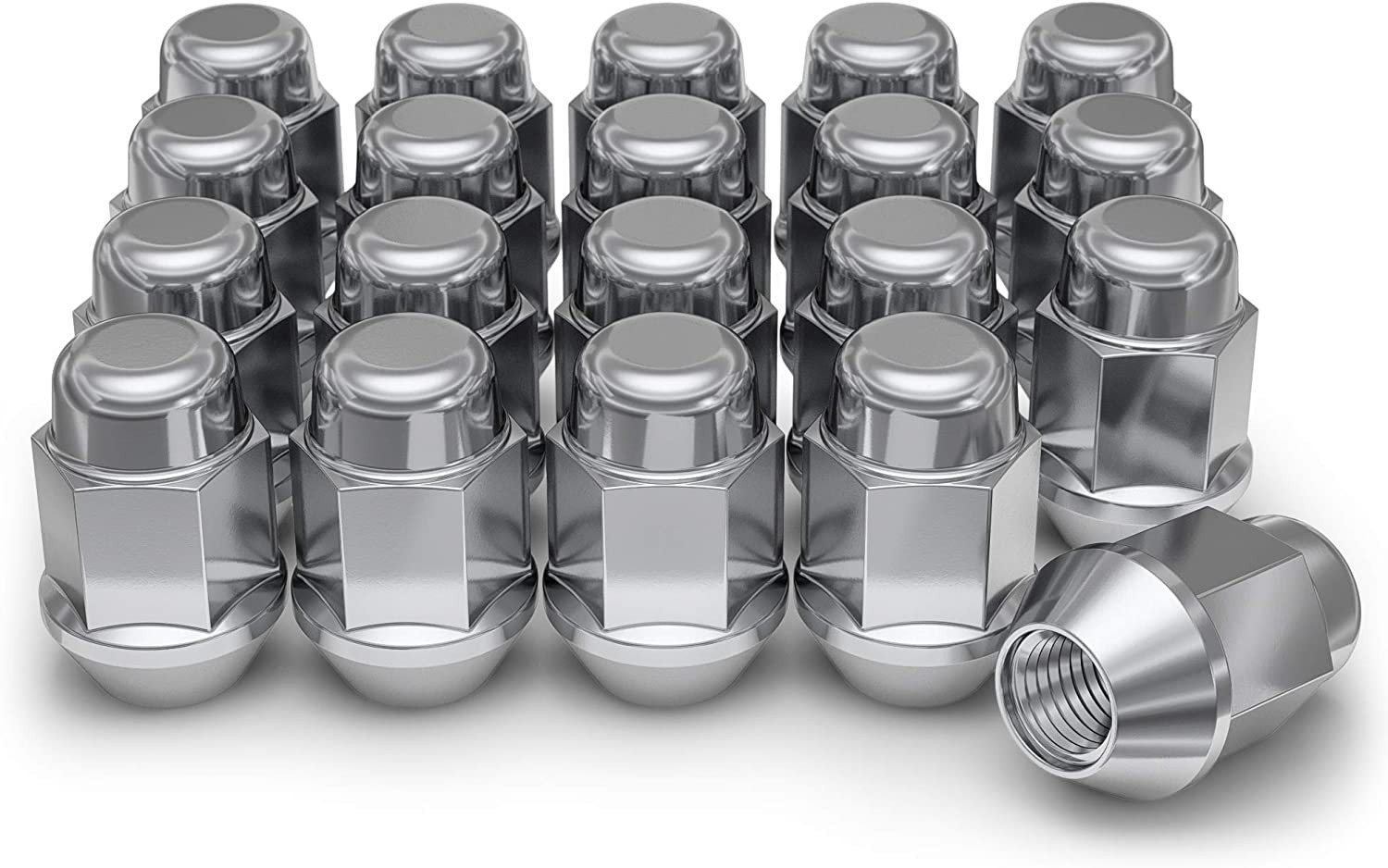
1/2" - 20 UNF · Thread match only; seat style is not verified
View on Amazon →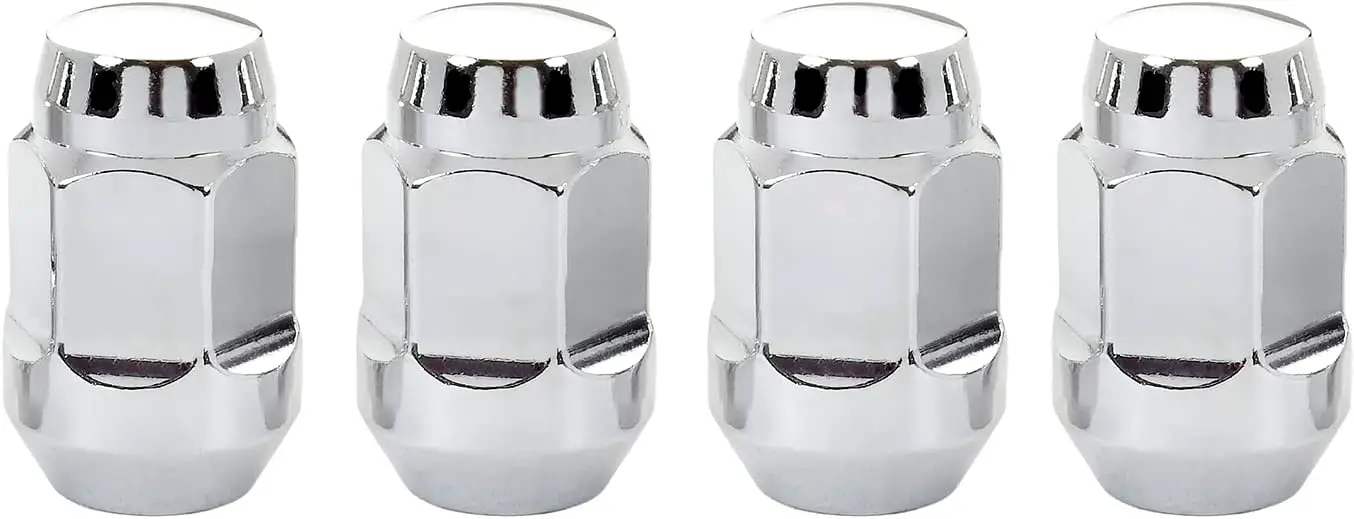
1/2" - 20 UNF · Thread match only; seat style is not verified
View on Amazon →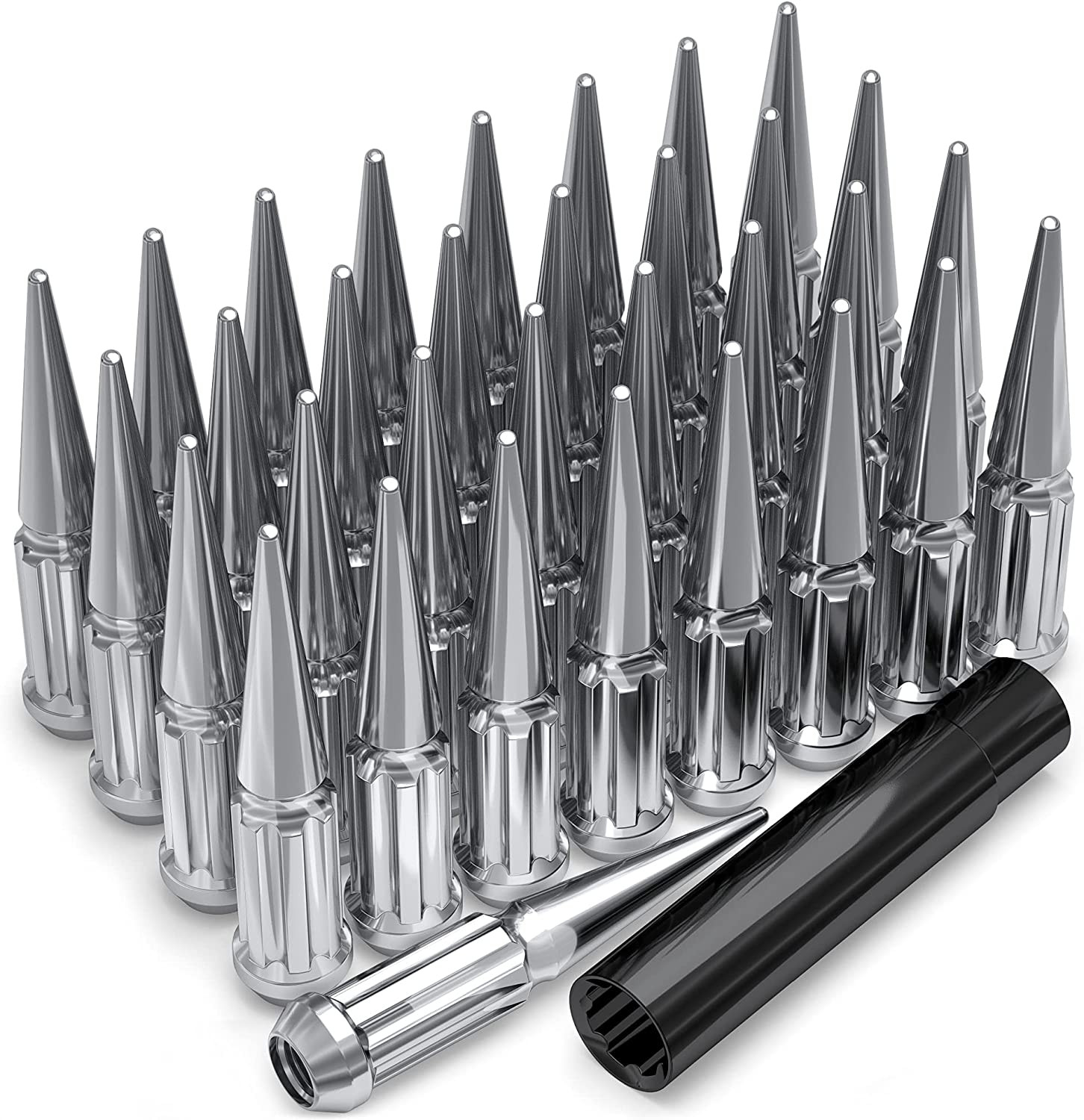
1/2" - 20 UNF · Thread match only; seat style is not verified
View on Amazon →As an Amazon Associate we earn from qualifying purchases. Product availability and pricing may change.
The following specifications are the known fitment values provided for the 2010 Ford Edge. They may represent a particular factory wheel and tire configuration, so confirm your exact trim, package, and existing wheel before purchasing replacement parts.
| Specification | Known value |
|---|---|
| Bolt pattern | 5x114.3 |
| Center bore | 70.5 mm |
| Thread size | M14 x 2.00 |
| Rim diameter | 20 inches |
| Rim width | 8.5 inches |
| Wheel offset | ET42 |
| Backspacing | 5.9 inches |
| Tire section width | 235 mm |
| Tire aspect ratio | 65 |
| Tire rim diameter | 17 inches |
The supplied data includes both a 20-inch wheel specification and a 17-inch tire rim diameter. Do not assume these values describe one complete wheel and tire assembly. Confirm the size printed on your tire sidewall, the wheel markings, the driver-door certification label, and the owner’s manual before ordering.
Wheel diameter, width, offset, bolt pattern, center bore, brake clearance, and load rating all matter. A wheel can share the 5x114.3 bolt pattern and still be unsafe or unsuitable because of offset, center bore, brake clearance, or load capacity.
Use the calculator to compare wheels from a donor vehicle with wheels installed on your 2010 Ford Edge. Enter the donor vehicle or donor wheel details in the “Wheels from” fields and enter your Edge details in the “Installed on” fields.
When donor information is unavailable, use the custom wheel size fields for rim diameter, rim width, and offset. Use the custom tire fields for section width and aspect ratio. The calculator updates tire diameter when rim diameter changes, which helps you compare the overall size of different wheel and tire combinations.
Start with the known values above, then replace any value that differs from the wheel or tire you are actually evaluating. Treat the calculator as a comparison and screening tool, not as a substitute for physical inspection or OEM confirmation. Before driving, verify that the wheel clears the brake caliper, hub, suspension, and fender at full steering lock and through the available suspension travel.
Confirm the complete specification of both the donor wheel and the vehicle. The bolt pattern must match 5x114.3, and the wheel must have sufficient clearance for the hub and brakes. Check that the center bore is compatible with the vehicle hub. A larger center bore may require properly sized hub-centric rings, while a smaller center bore generally will not fit over the hub.
Check offset and backspacing rather than relying on bolt pattern alone. Changes can move the wheel inward toward suspension components or outward toward the fender. Measure the actual wheel and compare it with the calculator results.
Confirm the wheel’s load rating, tire load index, speed rating, tire age, and condition. Inspect used wheels for cracks, bends, corrosion around the bead seat, damaged lug holes, and previous repairs. Confirm that the lug nuts match the wheel’s seat type and the vehicle’s M14 x 2.00 thread specification.
Use the driver-door label, owner’s manual, VIN-based OEM parts information, and the markings stamped on the wheel as primary sources for final verification. If any source conflicts with the calculator, stop and investigate before purchasing or installing the parts.
Plus sizing changes the wheel diameter while maintaining a similar overall tire diameter by using a lower-profile tire. It can alter ride comfort, steering response, tire cost, speedometer accuracy, fender clearance, and protection from pothole damage.
The calculator can help compare custom rim diameters, widths, offsets, section widths, and aspect ratios. It does not confirm brake clearance, tire load capacity, wheel strength, or legal requirements. Any replacement tire must be approved for the wheel width and meet or exceed the vehicle’s required load and speed ratings.
Do not select a tire solely because its calculated diameter is close to the current tire. Check section width, sidewall clearance, wheel-well clearance, steering clearance, suspension clearance, and the complete wheel and tire assembly’s load rating. Tire pressure should be set according to the vehicle label or owner’s manual unless a qualified tire professional provides a documented alternative.
Before installation, clean the hub mounting surface and the wheel’s mating surface. Remove rust and debris without damaging the hub. Test-fit each wheel by hand and confirm that it seats fully against the hub or mounting face. Never use wheel fasteners to force a wheel into position.
Use only lug nuts with the correct thread and seat style. The known thread size is M14 x 2.00, but the required lug nut seat design must also match the wheel. Start all fasteners by hand, lower the vehicle enough to prevent rotation, and tighten them in a star or crisscross pattern.
Torque the lug nuts to the vehicle or wheel manufacturer’s specified value using a calibrated torque wrench. The correct torque value is not provided here and should be confirmed through the owner’s manual, OEM service information, or the wheel manufacturer. Recheck torque after the first drive and again after the manufacturer’s recommended distance.
After installation, check for contact during full-lock steering in both directions and inspect clearance after a cautious road test. Stop immediately if you notice vibration, rubbing, pulling, air loss, or unusual noise. Rebalance the assembly if necessary and have alignment checked if the vehicle pulls or the steering wheel is no longer centered.
Useful supplies include a calibrated torque wrench, vehicle jack and properly rated jack stands, wheel chocks, a socket set, a tire pressure gauge, a tread-depth gauge, a straightedge or measuring tool, and a hub-cleaning brush. Use the vehicle’s designated lifting points and never work under a vehicle supported only by a jack.
A torque wrench can help apply the specified lug-nut torque consistently. Shop automotive torque wrenches on Amazon.
For final fitment confirmation, also keep the wheel manufacturer’s installation instructions, the tire manufacturer’s approved rim-width range, and the vehicle’s OEM service information available. These documents are more authoritative than a general interchange match.
What is the bolt pattern for the 2010 Ford Edge?
The known bolt pattern provided for the 2010 Ford Edge is 5x114.3. Confirm the pattern on the wheel and verify all other fitment measurements before installation.
What is the center bore for the 2010 Ford Edge?
The known center bore is 70.5 mm. A donor wheel with a larger bore may require correctly sized hub-centric rings, while a wheel with a smaller bore generally cannot fit over the vehicle hub.
What lug thread size is listed for this vehicle?
The provided thread size is M14 x 2.00. The lug nut seat type is not provided, so match the seat design to the wheel and confirm the required torque from OEM or wheel-manufacturer information.
Can any 5x114.3 wheel fit a 2010 Ford Edge?
No. A matching bolt pattern does not guarantee fitment. You must also verify center bore, offset, backspacing, wheel width, brake clearance, lug seat type, load rating, and clearance to suspension and bodywork.
Why are both 20-inch and 17-inch sizes shown in the known data?
The supplied information lists a 20-inch rim diameter and a 17-inch tire rim diameter. They may refer to different configurations or incomplete source records. Confirm the size on your vehicle’s tire sidewall and wheel markings, then use the calculator to compare the specific assembly.
Can I use the calculator to approve a wheel purchase?
The calculator is useful for comparing donor and installed dimensions and for evaluating custom wheel and tire sizes. It cannot physically verify brake clearance, wheel strength, tire approval, lug-seat compatibility, or condition. Complete the comparison with OEM documentation and a physical test-fit.
What should I verify on a used wheel?
Check the bolt pattern, center bore, diameter, width, offset, load rating, lug-hole condition, bead seats, and overall condition. Look for cracks, bends, corrosion, and evidence of repair. Have a qualified tire or wheel professional inspect questionable parts.
Do I need an alignment after changing wheels or tires?
A wheel change does not automatically require an alignment, but an alignment inspection is appropriate if offset or tire dimensions change, the vehicle pulls, the steering wheel is off-center, or the previous tires showed uneven wear.
Wheel interchange depends on more than bolt pattern. Where data is available, this site compares recorded OEM values:
A normal wheel spacer does not change bolt pattern. Hub rings cannot enlarge a wheel bore that is smaller than the hub. Brake clearance and tire package fitment still require vehicle-specific checks when not confirmed in the dataset.
