2017 Honda Accord Wheel Fitment Guide
Known OEM Fitment For 2017 Honda Accord
The following specifications are the known fitment values supplied for this page. They may not represent every 2017 Honda Accord trim or wheel package, so confirm the specifications for your specific vehicle using the door-jamb tire label, owner’s manual, original wheel markings, or a Honda parts source.
| Specification |
Known value |
| Bolt pattern |
5x114.3 |
| Center bore |
64.1 mm |
| Thread size |
M12 x 1.5 |
| Rim diameter |
18 inches |
| Rim width |
8.0 inches |
| Wheel offset |
ET55 |
| Backspacing |
6.17 inches |
| Tire section width |
225 mm |
| Tire aspect ratio |
50% |
| Tire rim diameter listed in the supplied data |
17 inches |
Important: the supplied data lists an 18-inch rim diameter but also lists a tire rim diameter of 17 inches. Those values describe different wheel sizes and should not be treated as one complete wheel-and-tire specification without confirmation. Use the tire sidewall, door-jamb label, and OEM documentation to identify the correct package for your trim. A tire marked 225/50R17 is intended for a 17-inch wheel, not an 18-inch wheel.
How To Use The Wheel Interchange Calculator
Use the calculator to compare a donor vehicle’s wheel with the wheel installed on your 2017 Honda Accord. Enter the donor vehicle in the “Wheels from” fields and enter the Accord in the “Installed on” fields. Compare bolt pattern, center bore, rim width, rim diameter, and offset before considering the swap.
You can also select “Custom wheel size” to test a wheel diameter, width, and offset that is not already in the vehicle database. Enter the tire section width and aspect ratio in the custom tire fields when evaluating a different tire size.
Changing the rim diameter updates the calculated tire diameter in the comparison. This is useful when checking plus-size or minus-size combinations, but the calculator does not replace a physical clearance check. Confirm brake, suspension, fender, steering, and tire-load clearances before driving.
- Start with the known 5x114.3 bolt pattern and confirm that all five mounting holes align correctly.
- Compare center bore with the vehicle hub. A wheel’s center bore should be compatible with the 64.1 mm hub specification.
- Compare offset and width because they affect inner suspension clearance and outer fender position.
- Check calculated tire diameter and speedometer implications when changing tire size.
- Use the calculator as a comparison tool, not as confirmation that an unverified wheel is safe to install.
Fitment Checklist Before You Buy
- Confirm the exact Accord trim and factory wheel package from the vehicle identification number, door-jamb label, owner’s manual, or Honda parts information.
- Verify the wheel has a 5x114.3 bolt pattern. Do not rely on appearance alone.
- Verify the center bore is compatible with the 64.1 mm hub. A larger bore may require correctly sized hub-centric rings, while a smaller bore will not fit over the hub.
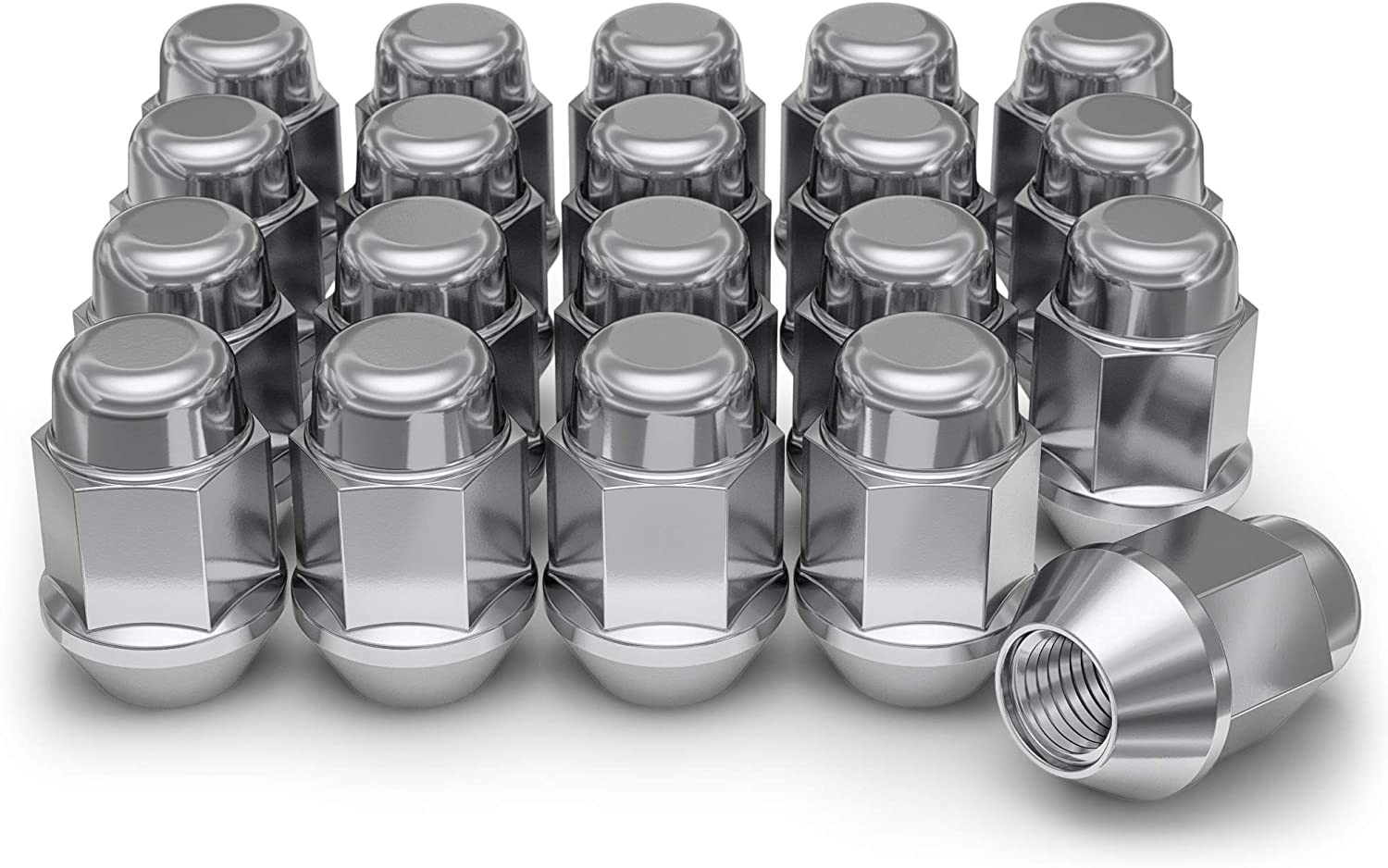
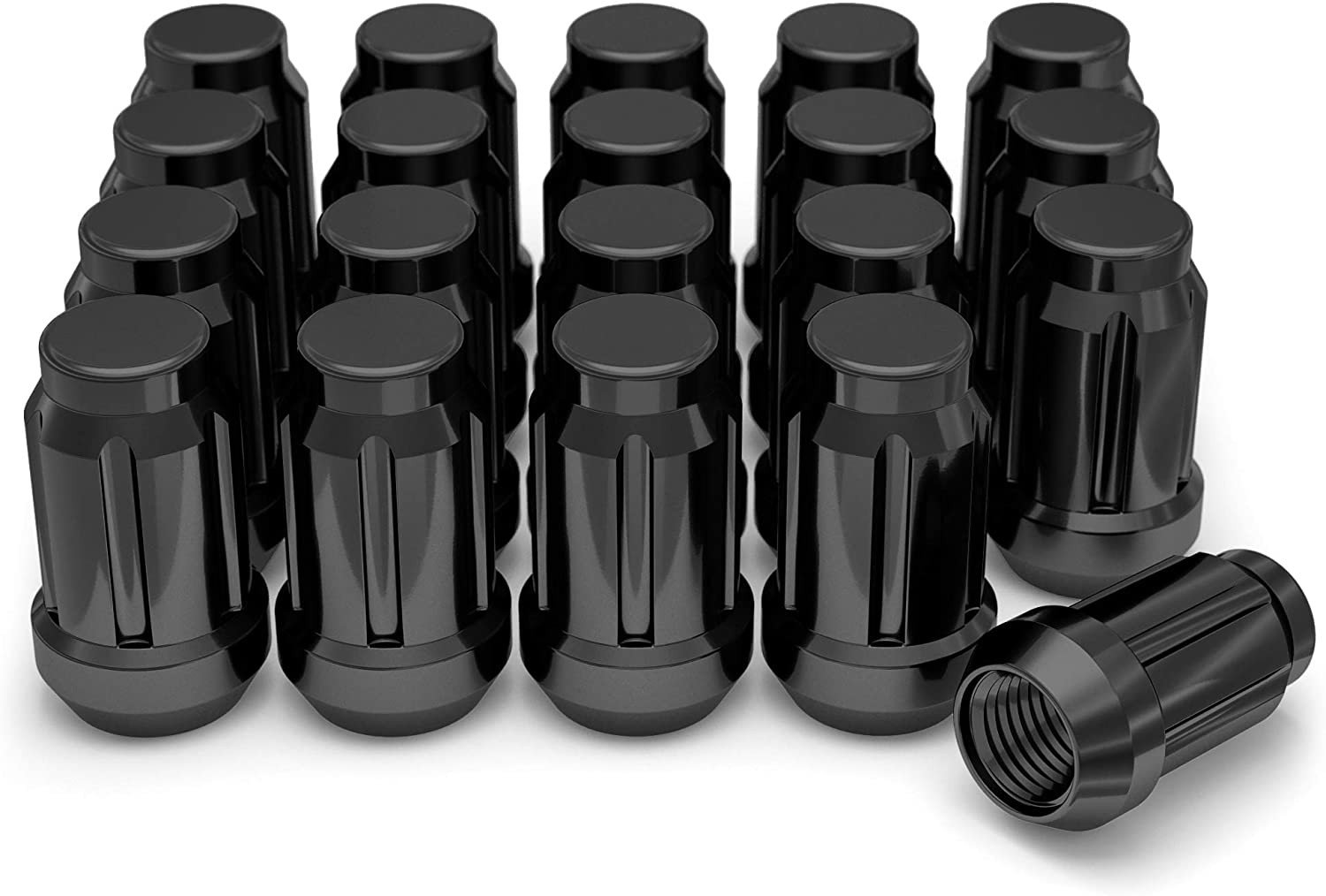
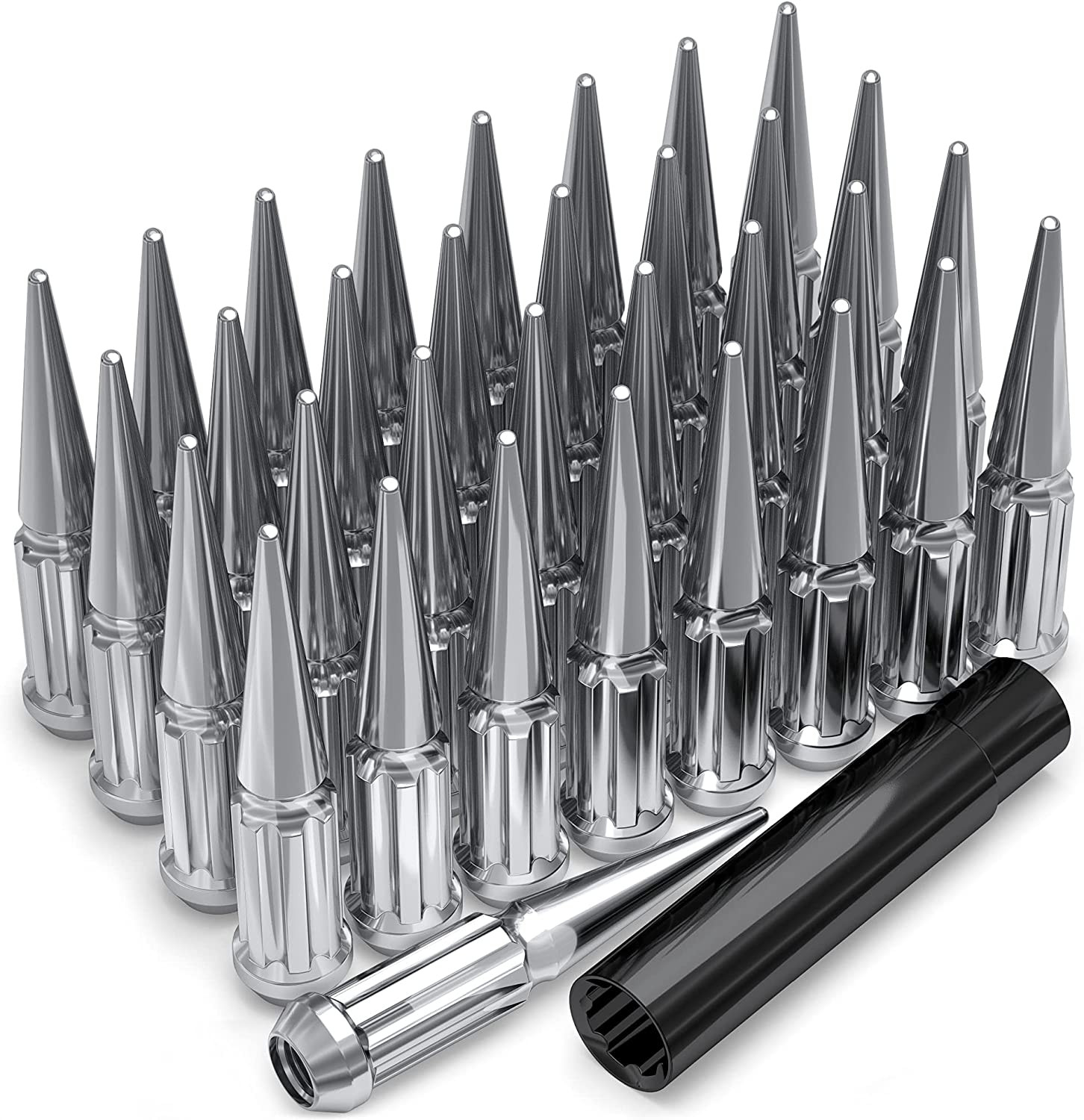
- Check that the wheel uses the correct M12 x 1.5 wheel hardware and the correct seat style for the wheel. Thread size alone does not confirm nut compatibility.
- Compare wheel diameter, width, and offset with the calculator and the vehicle’s confirmed OEM specifications.
- Confirm tire load index, speed rating, approved rim width, and overall diameter with a tire professional or manufacturer data.
- Inspect for brake-caliper clearance, inner strut clearance, tie-rod clearance, and fender clearance through the full steering and suspension range.
- Check that the replacement wheel clears the tire-pressure monitoring system components and accepts the required valve stem or sensor.
- Do not use wheel adapters or spacers unless their design, load rating, hub engagement, hardware, and installation requirements are verified by a qualified professional.
Plus Sizing And Common Upgrades
Plus sizing changes the wheel diameter while generally using a lower-profile tire to keep the overall tire diameter near the original. The goal is to preserve safe clearance, handling balance, load capacity, and acceptable speedometer accuracy, not simply to install the largest wheel that fits.
For this vehicle, the supplied data contains a conflict between the 18-inch rim entry and the 17-inch tire rim-diameter entry. Resolve that conflict before comparing a plus-size setup. Use the tire sidewall and OEM label to identify whether your vehicle is equipped for a 17-inch or 18-inch package, then enter the confirmed size into the calculator.
A wider wheel or a lower offset can move the assembly outward and may increase fender contact. A higher offset or wider wheel can reduce inner clearance. Even when the bolt pattern matches, the wheel may still be unsuitable because of offset, center bore, brake clearance, load rating, or tire compatibility.
Installation Tips
- Clean the hub face and wheel mounting surface before installation. Rust or debris can prevent the wheel from seating flat.
- Install the wheel by hand and start every lug nut by hand to avoid cross-threading.
- Use the correct lug-nut seat and hardware for the replacement wheel. Do not assume the original hardware is correct.
- Tighten lug nuts in a star or crisscross pattern, then torque them to the vehicle or wheel manufacturer’s specification.
- Never rely on an impact wrench alone for final tightening.
- After installation, rotate the steering from lock to lock and inspect for contact. If possible, check clearance with the suspension loaded and unloaded.
- Recheck lug torque after the initial short drive and again according to the wheel manufacturer’s instructions.
- Stop immediately if you notice vibration, rubbing, loss of tire pressure, steering changes, or unusual noise.
Tools And Helpful Supplies
Basic wheel service requires a properly sized socket, a breaker bar, a calibrated torque wrench, a jack, jack stands, and wheel chocks. Use equipment rated for the vehicle and support the vehicle at the manufacturer-approved lifting points.
- Automotive torque wrench for final lug-nut tightening.
- Automotive wheel chocks to help prevent vehicle movement during lifting.
- Wire brush or approved hub-cleaning tool for removing light rust and debris.
- Tire-pressure gauge for setting and verifying cold tire pressure.
- Vehicle-approved jack and jack stands. Never work beneath a vehicle supported only by a jack.
FAQs
Does the 2017 Honda Accord use a 5x114.3 bolt pattern?
5x114.3 is the known bolt pattern supplied for this page. Confirm it for your exact trim and wheel package before purchasing replacement wheels.
What is the center bore listed for this Accord fitment?
The supplied center-bore specification is 64.1 mm. A replacement wheel must be compatible with the vehicle hub, and a smaller center bore will not fit over the hub.
What wheel offset is listed?
The supplied wheel offset is ET55. Offset must be evaluated together with wheel width, diameter, tire size, and brake and suspension clearance.
Why does the fitment data show both 18 inches and 17 inches?
The supplied data lists an 18-inch rim diameter and a 17-inch tire rim diameter. These do not form one matching wheel-and-tire package. Verify the correct size using the tire sidewall, door-jamb label, owner’s manual, and OEM parts information.
Can I install any wheel with a 5x114.3 bolt pattern?
No. Matching the bolt pattern is only one requirement. You must also confirm center bore, offset, width, brake clearance, wheel load rating, hardware seat, tire compatibility, and fender and suspension clearance.
Can the calculator confirm that a donor wheel will fit?
The calculator can compare donor and installed wheel dimensions and lets you test custom wheel and tire sizes. It cannot physically verify clearance, hardware compatibility, wheel condition, or trim-specific requirements.
What tire information should I check before changing wheels?
Check section width, aspect ratio, rim diameter, load index, speed rating, approved rim-width range, overall diameter, and the vehicle manufacturer’s recommended tire pressures. The supplied tire values include 225 mm section width and a 50% aspect ratio, but the listed 17-inch rim diameter must be confirmed before use.
Should lug nuts be replaced with aftermarket wheels?
Not always, but the original lug nuts may have an incompatible seat shape or insufficient thread engagement. Confirm the wheel manufacturer’s required hardware and the M12 x 1.5 thread specification before installation.