2014 Honda Crosstour Wheel Fitment Guide
Known OEM Fitment For 2014 Honda Crosstour
The following specifications are the known OEM fitment values provided for the 2014 Honda Crosstour. Fitment can vary by trim, wheel package, market, and replacement-wheel design, so confirm the vehicle label, owner’s manual, and current wheel markings before ordering.
| Specification |
Known value |
| Bolt pattern |
5x114.3 |
| Center bore |
64.1 mm |
| Thread size |
M12 x 1.5 |
| Rim diameter |
17 inches |
| Rim width |
6.5 inches |
| Wheel offset |
ET55, or 55 mm |
| Backspacing |
5.42 inches |
| Tire size information |
225 mm section width, 65% aspect ratio, 17-inch rim diameter |
The supplied tire dimensions correspond to a 225/65R17 format. This page does not establish that every 2014 Crosstour trim uses the same wheel and tire package. Verify the tire placard on the driver-side door area and consult Honda service information for your specific vehicle.
How To Use The Wheel Interchange Calculator
Use the on-page calculator to compare a donor vehicle’s wheels with your 2014 Honda Crosstour. Select the donor vehicle under “Wheels from” and select the Crosstour under “Installed on.” Review the bolt pattern, center bore, rim dimensions, offset, and tire measurements shown by the comparison.
If the donor vehicle is not listed or you want to evaluate a non-original wheel, enter the measured specifications under “Custom wheel size.” You can adjust rim diameter, rim width, and offset. Enter the proposed tire section width and aspect ratio under “Custom tire size.” When you change rim diameter, the calculator updates the tire diameter comparison, helping you evaluate overall size changes.
A calculator result is a screening tool, not a substitute for a physical clearance check. Confirm brake caliper, suspension, fender, hub, and tire clearance before driving. Also confirm the wheel’s load rating and the tire’s load and speed ratings.
Fitment Checklist Before You Buy
Match the wheel’s 5x114.3 bolt pattern and confirm that its center bore is compatible with the 64.1 mm hub. A wheel with a smaller center bore will not seat over the hub. A larger bore may require correctly sized hub-centric rings when appropriate, but rings do not correct a wrong bolt pattern or unsafe wheel design.
Compare the proposed wheel width and ET offset with the known 6.5-inch, ET55 reference. A different offset changes the wheel’s position relative to the suspension and fender. Use the calculator for comparison, then measure the actual vehicle if the change is substantial.
Check that the wheel has enough brake-caliper clearance and that the mounting pad, lug-seat type, and fastener specifications match. Do not assume that a wheel using the same bolt pattern is safe or compatible.
Confirm the replacement tire’s full size, load index, speed rating, outside diameter, and approved rim-width range. Never select a tire only by its section width. Check for contact at full steering lock, suspension compression, and when the vehicle is loaded.
Use Honda documentation and the markings on the original wheel as OEM references. If any value differs by trim or is not shown in the calculator, confirm it with a Honda dealer, qualified tire professional, or a service manual before purchase.
Plus Sizing And Common Upgrades
Plus sizing usually means installing a larger-diameter wheel with a lower-profile tire while keeping the overall tire diameter reasonably close to the original package. The provided reference uses a 17-inch rim and a 225 mm section width, but no alternate OEM-approved sizes are provided here. Do not treat an unlisted size as confirmed fitment.
Use the calculator to compare a proposed wheel and tire combination with the known reference. Watch for changes in overall diameter, sidewall height, wheel position, and tire width. A larger wheel can reduce sidewall cushioning and increase the risk of wheel or tire damage on rough roads.
Any upgrade must preserve adequate load capacity, braking clearance, steering clearance, suspension clearance, and fender clearance. Maintain tire pressures according to the vehicle’s tire information label, and have the finished assembly balanced and aligned as needed.
Installation Tips
Inspect used wheels for cracks, bends, corrosion, repaired areas, and damaged lug seats. Clean the hub and wheel mounting surfaces so the wheel seats flush. Do not apply grease, paint, or anti-seize between the wheel and hub unless the vehicle or component manufacturer specifically permits it.
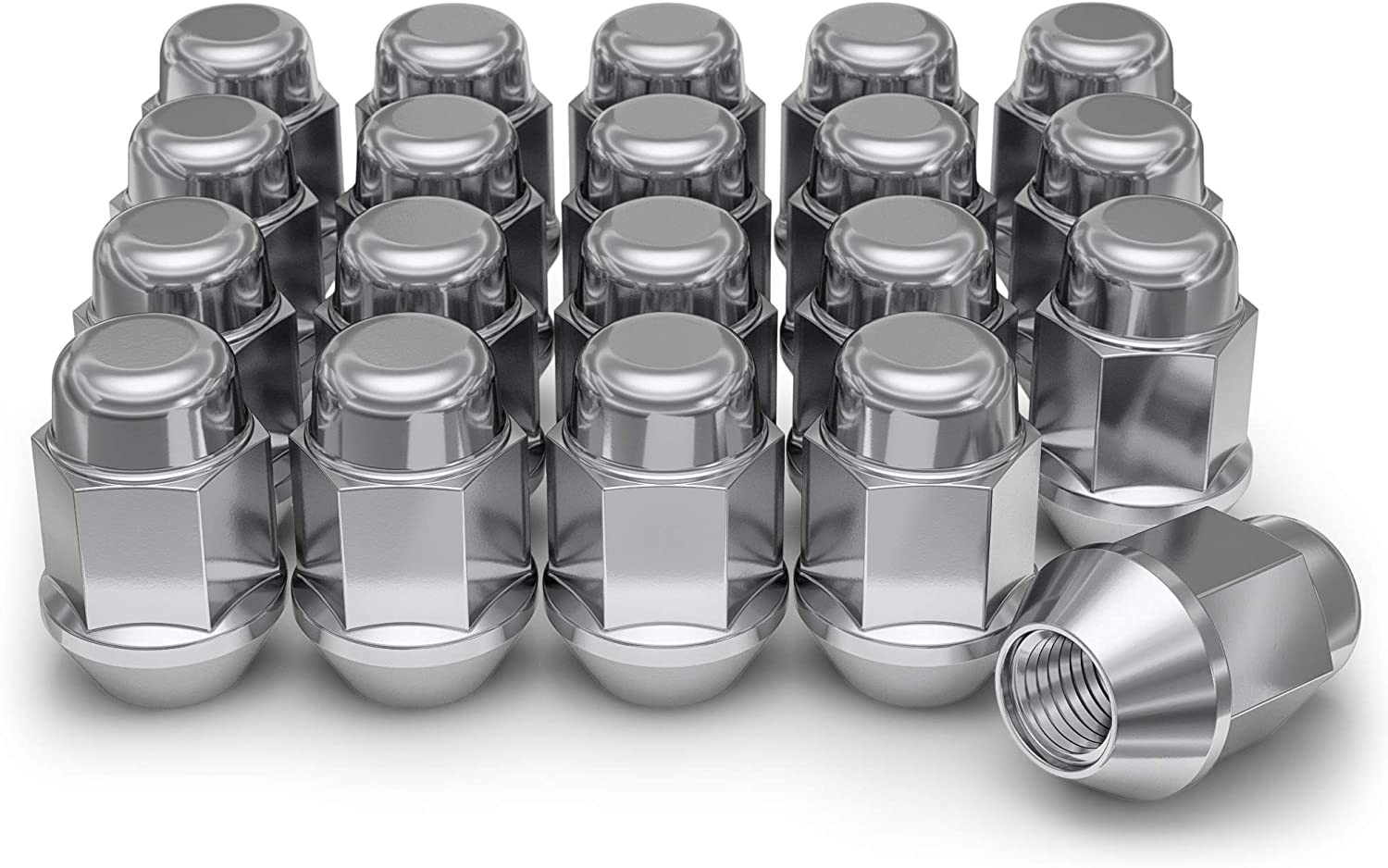
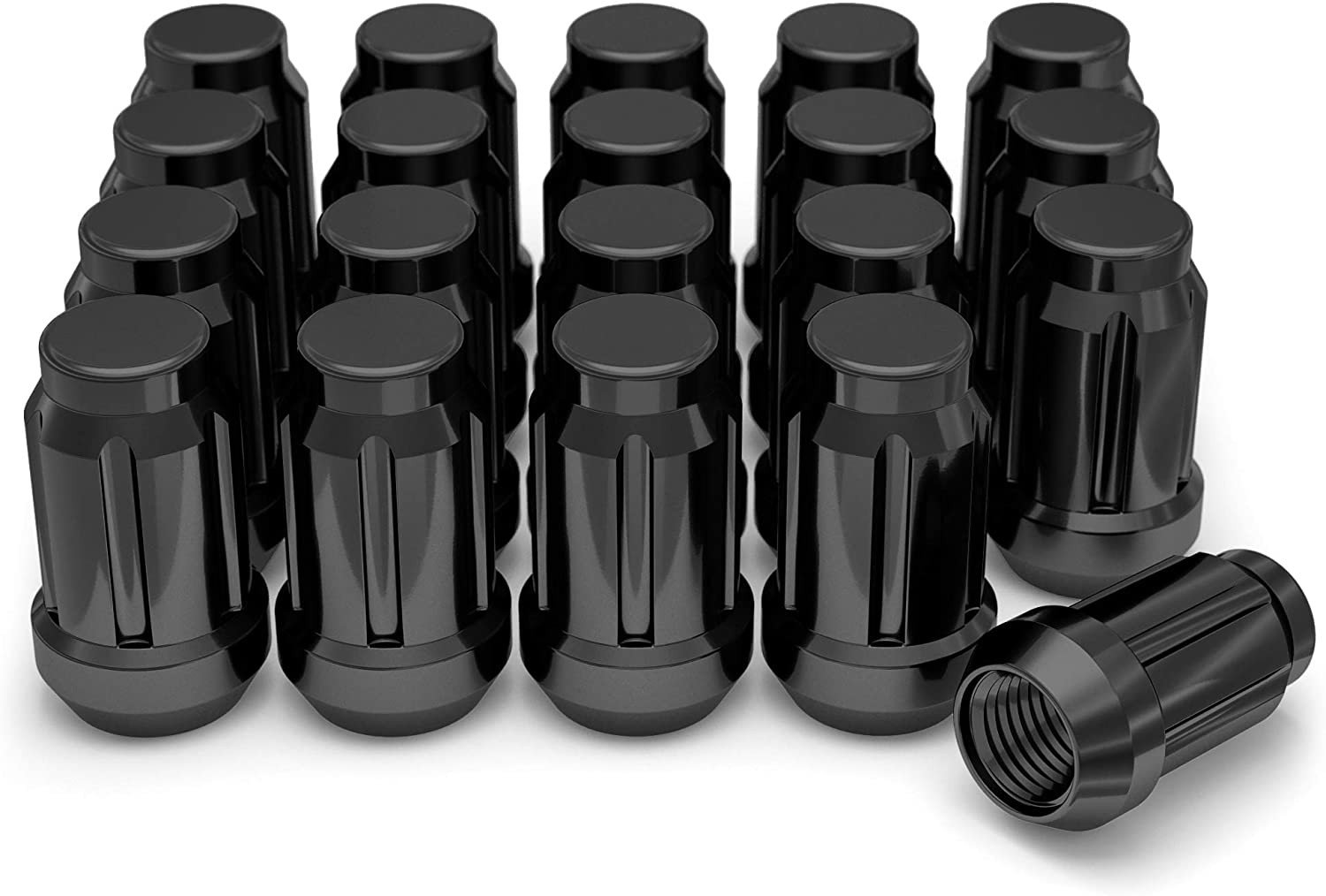
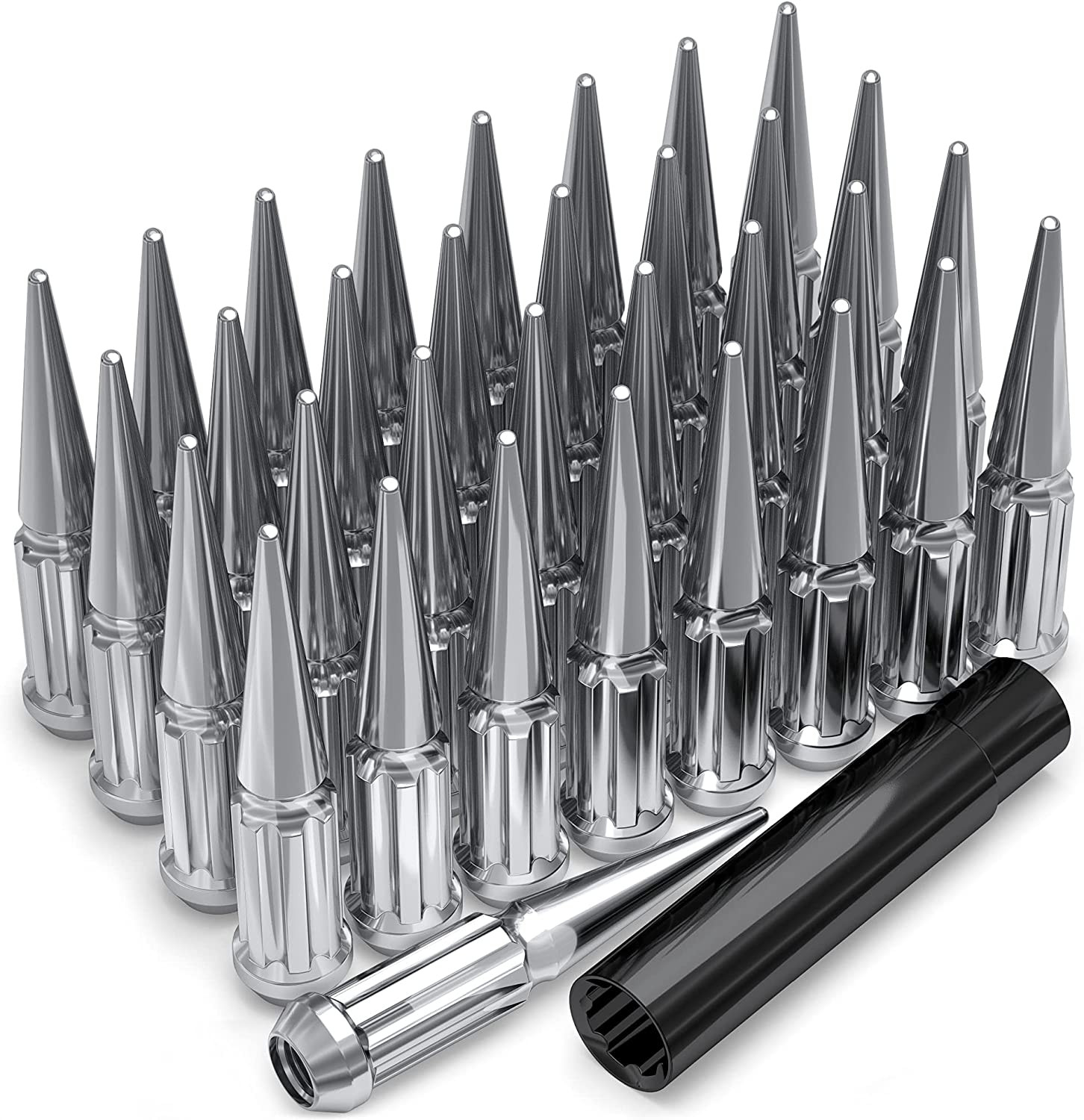
Install the correct fasteners for the wheel’s lug-seat design. The known thread size is M12 x 1.5, but thread size alone does not confirm the correct nut or bolt seat. Start all fasteners by hand, tighten in a crisscross pattern, and use a calibrated torque wrench to the vehicle or wheel manufacturer’s specification.
After installation, verify that the wheel rotates freely and that no tire or wheel contacts the brake, suspension, bodywork, or inner fender. Recheck fastener torque after the first short drive and inspect for rubbing, vibration, air loss, or steering changes.
Tools And Helpful Supplies
Useful equipment may include a calibrated torque wrench, socket set, tire pressure gauge, tread-depth gauge, flashlight, straightedge, and a wheel or hub measuring tool. A professional tire shop may also be needed for mounting, balancing, and alignment.
Shop automotive torque wrench and socket sets on Amazon
Use lifting equipment only on the vehicle’s approved jack points, support the vehicle with properly rated jack stands, and never work under a vehicle supported only by a jack.
FAQs
What is the bolt pattern for the 2014 Honda Crosstour?
The known bolt pattern is 5x114.3, meaning five wheel fastener positions on a 114.3 mm pitch circle diameter. Confirm the wheel’s actual markings and fit before installation.
What is the center bore?
The known center bore is 64.1 mm. A smaller wheel bore will not fit over the hub. A larger bore may need an appropriate hub-centric ring, but the ring does not make an otherwise incompatible wheel safe.
What wheel size is listed for this vehicle?
The provided reference specification is a 17 x 6.5-inch wheel with ET55 offset and 5.42-inch backspacing. This may not represent every trim or wheel package, so verify your vehicle before ordering.
What tire size is provided for the 2014 Crosstour?
The supplied tire information is 225/65R17. Confirm the exact approved tire size, load index, and speed rating on the driver-side tire placard or in the owner’s documentation.
Can I use wheels from another vehicle with the same bolt pattern?
Not automatically. You must also compare center bore, wheel width, offset, brake clearance, lug-seat design, load rating, and tire clearance. Use the wheel interchange calculator, then complete a physical inspection.
Does changing wheel diameter change tire diameter?
In the calculator, changing rim diameter updates the tire diameter comparison. The tire must be selected with a suitable sidewall and overall diameter, not just a matching rim diameter.
How do I confirm a value that is missing or different by trim?
Check the driver-side tire information label, original wheel markings, Honda owner’s and service documentation, and a Honda dealer or qualified tire professional. If the calculator does not show a specification, do not assume it is compatible.