2015 Honda Crosstour Wheel Interchange

OEM wheel and tire fitment specs for the 2015 Honda Crosstour, including bolt pattern (PCD), center bore diameter, thread size, rim diameter, rim width, wheel offset, and backspacing.

2015 Honda Crosstour Fitment Specs

Baseline mounting dimensions used for interchange decisions.

Bolt Pattern5x114.3
Center Bore64.1 mm
Lug ThreadM12 x 1.5
OEM Wheel Sizes17" – 18"
OEM Widths6.5" – 7"
OEM Offset Range55 mm

Multiple OEM configurations exist for this vehicle. Fitment can vary by trim, brakes, and factory wheel package – confirm your exact setup before buying.

Wheels That Interchange With a 2015 Honda Crosstour

Results are evaluated from bolt pattern, center bore direction, OEM width/offset envelope, and lug hardware – not bolt pattern alone.

Direct Fit

  • Bolt pattern5x114.3 · Match
  • Center bore64.1 mm · Match
  • Wheel geometryCompatible with OEM envelope

Geometry within known OEM envelope (approx. outer change -3.18 mm, inner change -3.18 mm vs mid OEM).

  • Bolt pattern5x114.3 · Match
  • Center bore64.1 mm · Match
  • Wheel geometryCompatible with OEM envelope

Geometry within known OEM envelope (approx. outer change -3.18 mm, inner change -3.18 mm vs mid OEM).

  • Bolt pattern5x114.3 · Match
  • Center bore64.1 mm · Match
  • Wheel geometryCompatible with OEM envelope

Geometry within known OEM envelope (approx. outer change -3.18 mm, inner change -3.18 mm vs mid OEM).

  • Bolt pattern5x114.3 · Match
  • Center bore64.1 mm · Match
  • Wheel geometryCompatible with OEM envelope

Geometry within known OEM envelope (approx. outer change -3.18 mm, inner change -3.18 mm vs mid OEM).

  • Bolt pattern5x114.3 · Match
  • Center bore64.1 mm · Match
  • Wheel geometryCompatible with OEM envelope

Geometry within known OEM envelope (approx. outer change -3.18 mm, inner change -3.18 mm vs mid OEM).

  • Bolt pattern5x114.3 · Match
  • Center bore64.1 mm · Match
  • Wheel geometryCompatible with OEM envelope

Geometry within known OEM envelope (approx. outer change -3.18 mm, inner change -3.18 mm vs mid OEM).

  • Bolt pattern5x114.3 · Match
  • Center bore64.1 mm · Match
  • Wheel geometryCompatible with OEM envelope

Geometry within known OEM envelope (approx. outer change -3.18 mm, inner change -3.18 mm vs mid OEM).

  • Bolt pattern5x114.3 · Match
  • Center bore64.1 mm · Match
  • Wheel geometryCompatible with OEM envelope

Geometry within known OEM envelope (approx. outer change -3.18 mm, inner change -3.18 mm vs mid OEM).

  • Bolt pattern5x114.3 · Match
  • Center bore64.1 mm · Match
  • Wheel geometryCompatible with OEM envelope

Geometry within known OEM envelope (approx. outer change -3.18 mm, inner change -3.18 mm vs mid OEM).

  • Bolt pattern5x114.3 · Match
  • Center bore64.1 mm · Match
  • Wheel geometryCompatible with OEM envelope

Geometry within known OEM envelope (approx. outer change -3.18 mm, inner change -3.18 mm vs mid OEM).

  • Bolt pattern5x114.3 · Match
  • Center bore64.1 mm · Match
  • Wheel geometryCompatible with OEM envelope

Geometry within known OEM envelope (approx. outer change -3.18 mm, inner change -3.18 mm vs mid OEM).

  • Bolt pattern5x114.3 · Match
  • Center bore64.1 mm · Match
  • Wheel geometryCompatible with OEM envelope

Geometry within known OEM envelope (approx. outer change -3.18 mm, inner change -3.18 mm vs mid OEM).

  • Bolt pattern5x114.3 · Match
  • Center bore64.1 mm · Match
  • Wheel geometryCompatible with OEM envelope

Geometry within known OEM envelope (approx. outer change -3.18 mm, inner change -3.18 mm vs mid OEM).

  • Bolt pattern5x114.3 · Match
  • Center bore64.1 mm · Match
  • Wheel geometryCompatible with OEM envelope

Geometry within known OEM envelope (approx. outer change -3.18 mm, inner change -3.18 mm vs mid OEM).

  • Bolt pattern5x114.3 · Match
  • Center bore64.1 mm · Match
  • Wheel geometryCompatible with OEM envelope

Geometry within known OEM envelope (approx. outer change -3.18 mm, inner change -3.18 mm vs mid OEM).

  • Bolt pattern5x114.3 · Match
  • Center bore64.1 mm · Match
  • Wheel geometryCompatible with OEM envelope

Geometry within known OEM envelope (approx. outer change -3.18 mm, inner change -3.18 mm vs mid OEM).

  • Bolt pattern5x114.3 · Match
  • Center bore64.1 mm · Match
  • Wheel geometryCompatible with OEM envelope

Geometry within known OEM envelope (approx. outer change 3.18 mm, inner change 3.18 mm vs mid OEM).

  • Bolt pattern5x114.3 · Match
  • Center bore64.1 mm · Match
  • Wheel geometryCompatible with OEM envelope

Geometry within known OEM envelope (approx. outer change 3.18 mm, inner change 3.18 mm vs mid OEM).

  • Bolt pattern5x114.3 · Match
  • Center bore64.1 mm · Match
  • Wheel geometryCompatible with OEM envelope

Geometry within known OEM envelope (approx. outer change 3.18 mm, inner change 3.18 mm vs mid OEM).

  • Bolt pattern5x114.3 · Match
  • Center bore64.1 mm · Match
  • Wheel geometryCompatible with OEM envelope

Geometry within known OEM envelope (approx. outer change 3.18 mm, inner change 3.18 mm vs mid OEM).

  • Bolt pattern5x114.3 · Match
  • Center bore64.1 mm · Match
  • Wheel geometryCompatible with OEM envelope

Geometry within known OEM envelope (approx. outer change 3.18 mm, inner change 3.18 mm vs mid OEM).

  • Bolt pattern5x114.3 · Match
  • Center bore64.1 mm · Match
  • Wheel geometryCompatible with OEM envelope

Geometry within known OEM envelope (approx. outer change -3.18 mm, inner change -3.18 mm vs mid OEM).

  • Bolt pattern5x114.3 · Match
  • Center bore64.1 mm · Match
  • Wheel geometryCompatible with OEM envelope

Geometry within known OEM envelope (approx. outer change -3.18 mm, inner change -3.18 mm vs mid OEM).

2016 Honda HR-V

Direct Fit
  • Bolt pattern5x114.3 · Match
  • Center bore64.1 mm · Match
  • Wheel geometryCompatible with OEM envelope

Geometry within known OEM envelope (approx. outer change 3.18 mm, inner change 3.18 mm vs mid OEM).

Showing 24 of 122 evaluated donors. Same-model years are prioritized.

Honda Crosstour Years With Compatible Wheels

Only years with evidence-based interchange relationships are listed. Adjacent years are not assumed compatible.

Will Wheels From Another Vehicle Fit?

Compare a donor vehicle or custom wheel against this 2015 Honda Crosstour.

Compare

Compare wheel compatibility between two vehicles

Wheels from (donor vehicle)

Installed on (your vehicle)

Selected Car:

2015 Honda Crosstour

Compare Rims

Specification
Wheels from
Installed on
Result (Click it)
Bolt Pattern
Bolt Pattern
The total number of bolt holes and the diameter of the circle they form.
-
5x114.3
Center Bore
Center Bore
The hole in the center of the wheel that fits over the vehicle’s hub.
-
64.1 mm
Thread Size
Thread Size
The size and spacing of the threads on the bolts or nuts that hold the wheel in place.
-
M12 x 1.5
Rim Diameter
Rim Diameter
The wheel diameter in inches that determines which tire sizes will fit.
-
17"
Rim Width
Rim Width
The distance between the inner edges of the wheel is measured in inches.
-
6.5"
Wheel Offset
Wheel Offset
How far the wheel sits inward or outward relative to the hub mounting surface.
-
55 mm
Backspacing
Backspacing
Shows how much space the wheel takes up toward the inside of the vehicle.
-
-
Wheel Fasteners
Wheel Fasteners
The type of hardware used to secure the wheel to the vehicle.
-
-

Wheel Fitment Parts for the 2015 Honda Crosstour

Products below are matched to required fitment dimensions from our parts inventory. Confirm seat style, thickness, and clearance before ordering.

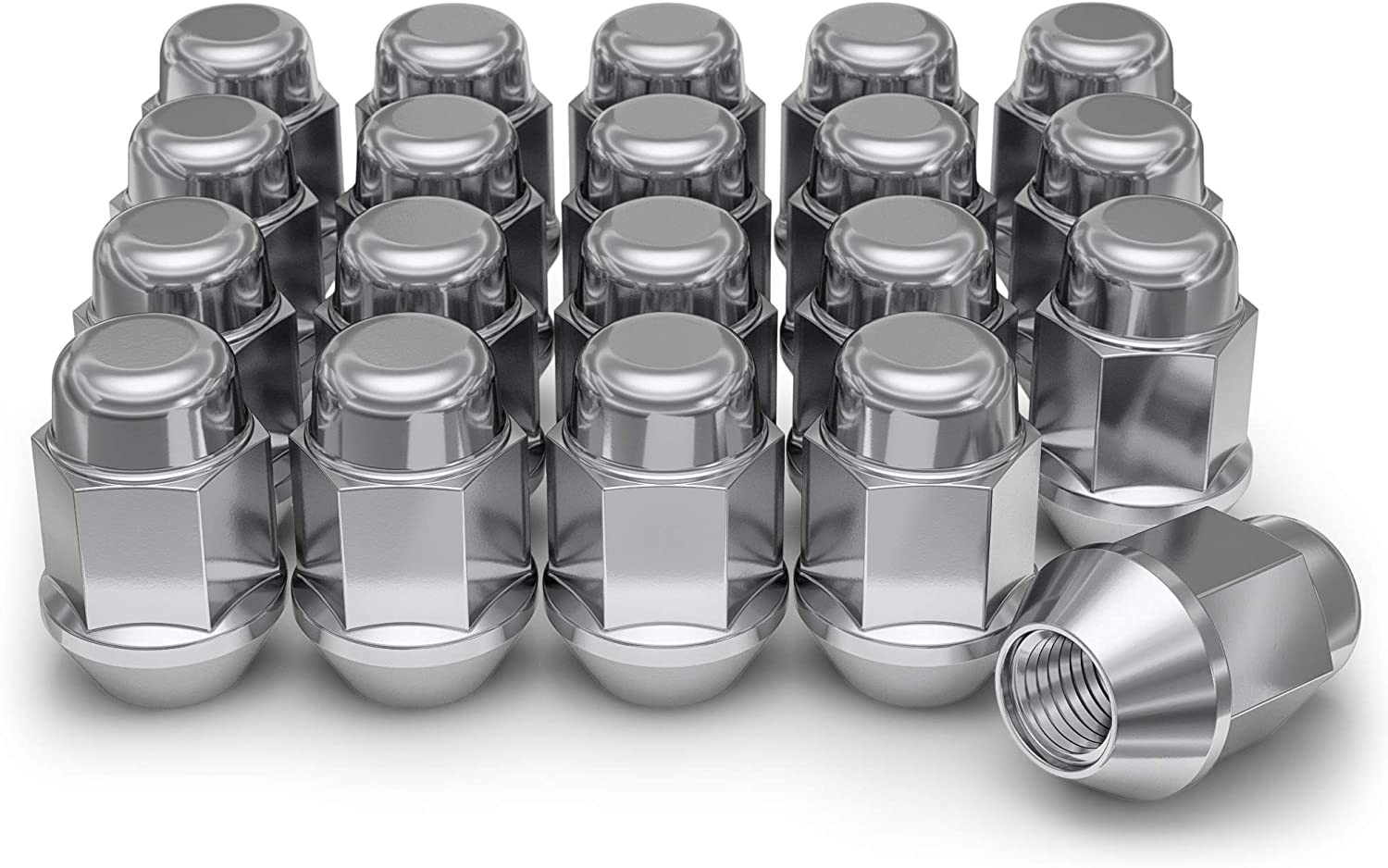
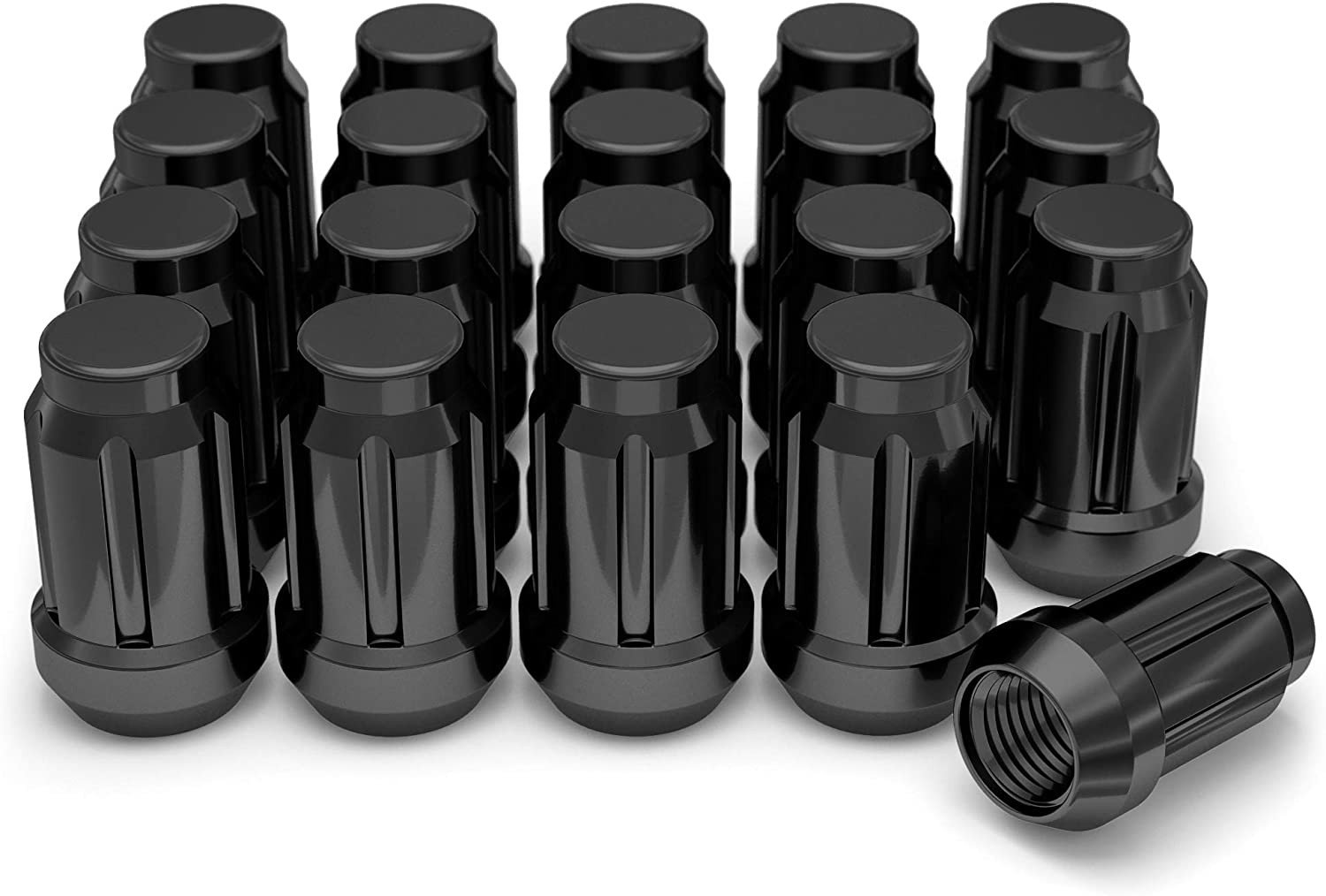
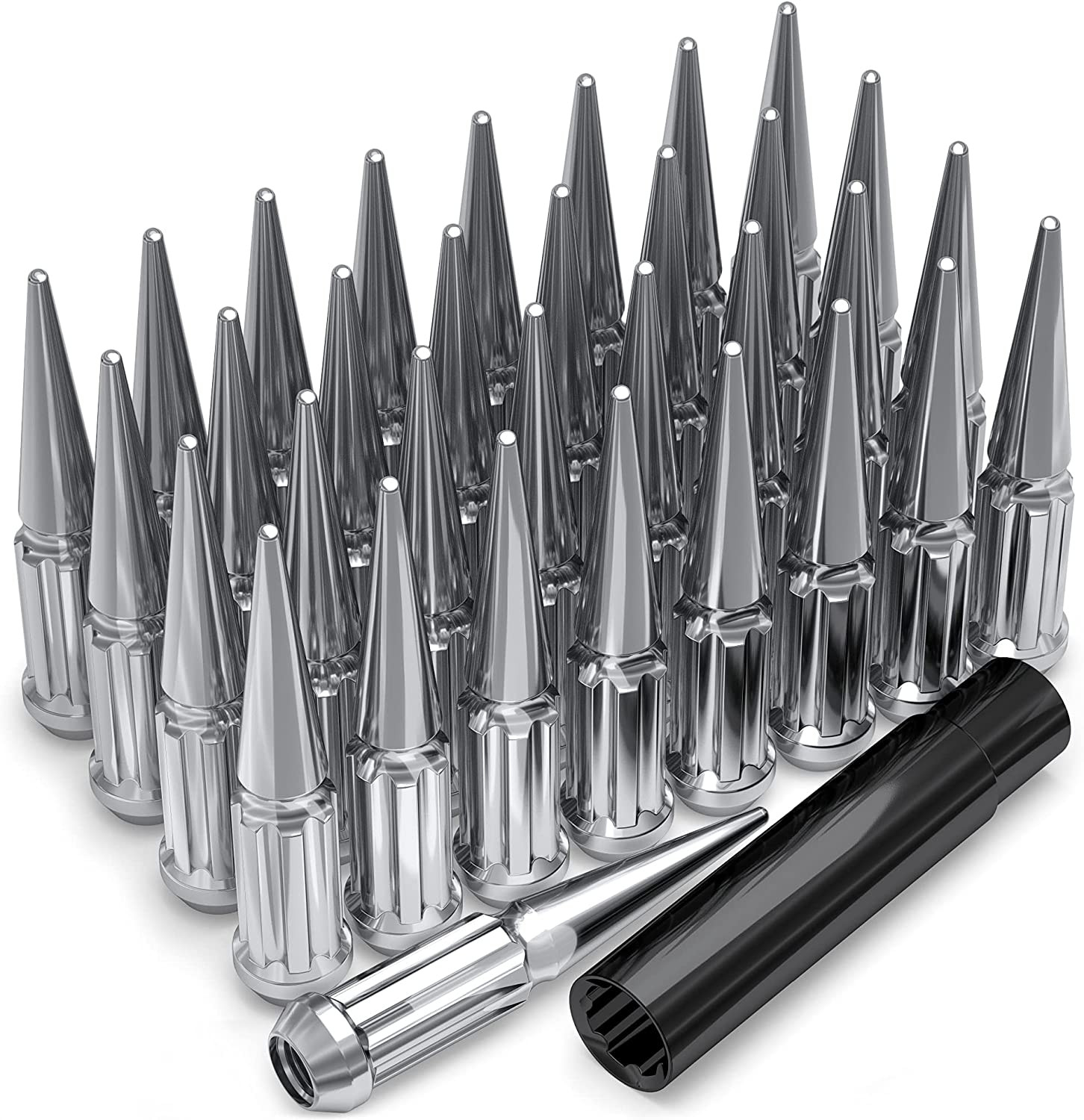
Lug Nuts / Wheel Bolts

M12 x 1.5

Wheel Adapters

5x114.3 · 64.1 mm hub

Directional bolt-pattern adapters. A spacer does not change PCD.

As an Amazon Associate we earn from qualifying purchases. Product availability and pricing may change.

Why These Wheels Fit

Wheel interchange depends on more than bolt pattern. Where data is available, this site compares:

  • Bolt pattern / PCD
  • Center bore direction (donor wheel bore must not be smaller than the hub)
  • Wheel diameter, width, and offset against known OEM ranges
  • Lug thread / hardware differences (vehicle-side hardware)

A normal wheel spacer does not change bolt pattern. Hub rings cannot enlarge a wheel bore that is smaller than the hub. Brake clearance and tire package fitment still require vehicle-specific checks when not confirmed in the dataset.

2015 Honda Crosstour Wheel Fitment Guide

Known OEM Fitment For 2015 Honda Crosstour

The following specifications are the known OEM fitment values supplied for the 2015 Honda Crosstour. Equipment can vary by trim, market, and replacement wheel, so confirm the original equipment details on the vehicle, in the owner’s documentation, or with a Honda dealer before ordering.

Specification Known value
Bolt pattern 5x114.3, meaning 5 studs on a 114.3 mm pitch circle diameter
Center bore 64.1 mm
Thread size M12 x 1.5
Rim diameter 17 inches
Rim width 6.5 inches
Wheel offset ET55, or 55 mm positive offset
Backspacing 5.42 inches
Tire size 225/65R17
Tire section width 225 mm
Tire aspect ratio 65 percent

Wheel diameter, width, offset, center bore, brake clearance, and tire size all affect fitment. Matching the 5x114.3 bolt pattern alone does not prove that a wheel is safe or suitable for this vehicle. A wheel with a smaller center bore will not fit over the hub, while a larger bore may require correctly sized hub-centric rings if permitted by the wheel manufacturer.

How To Use The Wheel Interchange Calculator

Use the calculator to compare wheels from a donor vehicle with wheels installed on your 2015 Honda Crosstour. Enter the donor vehicle’s wheel diameter, width, offset, bolt pattern, and center bore when those values are available. Then enter or confirm the Crosstour values in the installed-on-your-vehicle fields.

The calculator also allows you to set a custom wheel size and a custom tire size. Change the rim diameter, rim width, or offset to see how the proposed wheel compares with the known baseline. Changing rim diameter updates the tire diameter in the comparison, which is useful when evaluating a different wheel and tire package.

Use the calculator as a measurement and comparison aid, not as a substitute for physical inspection. Confirm brake clearance, suspension clearance, fender clearance, lug-seat compatibility, load rating, and tire manufacturer requirements before purchase or installation.

Fitment Checklist Before You Buy

Start by confirming the vehicle identification number, trim, current wheel markings, and tire information on the driver’s door placard. Do not rely only on a seller’s description or a generic vehicle list.

  • Confirm the 5x114.3 bolt pattern.
  • Confirm that the wheel’s center bore is 64.1 mm or otherwise correctly suited to the vehicle hub.
  • Compare the proposed wheel’s diameter, width, and offset with the known 17 x 6.5 inch ET55 baseline.
  • Verify that the wheel’s load rating meets or exceeds the vehicle manufacturer’s requirement.
  • Check that the wheel uses the correct lug-seat design and accepts M12 x 1.5 wheel hardware where applicable.
  • Check inner clearance to the brake caliper, strut, suspension components, and steering parts.
  • Check outer clearance to the fender, liner, and bodywork through the full steering and suspension range.
  • Verify tire diameter, load index, speed rating, pressure requirements, and approved rim-width range.

If any specification is unknown or differs by trim, confirm it from the original wheel stamp, Honda service information, the door-jamb label, or a Honda dealer. A professional wheel and tire shop can also test-fit a wheel before purchase.

Plus Sizing And Common Upgrades

Plus sizing usually means fitting a larger-diameter wheel with a lower-profile tire while keeping the overall tire diameter close to the original. The goal is to preserve speedometer accuracy, avoid electronic system issues, retain suitable load capacity, and maintain adequate clearance.

No specific alternate wheel or tire combination should be assumed compatible without checking its measurements. Use the calculator’s custom wheel and tire fields to compare proposed sizes against the known 225/65R17 baseline. Review the calculated diameter and width change, then confirm the result with tire manufacturer data and a physical clearance check.

A different offset changes the wheel’s position relative to the suspension and fender. A wider wheel or tire can create rubbing even when the bolt pattern is correct. Lower-profile tires may also provide less protection from pothole damage and a firmer ride. Never reduce tire load capacity or use a tire outside the wheel manufacturer’s approved rim-width range.

Installation Tips

Before mounting a replacement wheel, clean the hub face and inspect the wheel for cracks, bends, corrosion, or damaged lug holes. Test-fit the bare wheel where practical to verify hub and brake clearance before installing the tire.

Use only compatible lug nuts or lug bolts with the correct seat type, thread engagement, and hardware specification. Do not assume the original hardware is suitable for an aftermarket wheel. Tighten hardware in a star pattern with a calibrated torque wrench to the vehicle or wheel manufacturer’s specified torque.

After installation, check that the wheel rotates freely and that there is no contact with the brake, suspension, inner liner, or fender. Set tire pressure according to the vehicle placard, not the maximum pressure molded into the tire. Recheck torque after the first short drive and inspect for rubbing after turning the steering fully in both directions.

Tools And Helpful Supplies

Useful equipment includes a calibrated torque wrench, properly sized socket, jack and jack stands or an approved lift, wheel chocks, a tire pressure gauge, and a tread-depth gauge. A hub-cleaning brush and suitable anti-corrosion supplies can help prepare the mounting surface, but do not apply lubricant to lug threads unless the manufacturer specifically requires it.

A straightedge or clearance gauge can help with basic checks, but brake and suspension clearance should be confirmed with the wheel installed and the vehicle safely supported. For uncertain combinations, use a professional tire shop with the correct balancing, mounting, and fitment equipment.

FAQs

What is the known bolt pattern for the 2015 Honda Crosstour?
The supplied OEM fitment value is 5x114.3. Confirm the vehicle-specific specification before ordering because trim and market differences can exist.

What center bore is listed for this vehicle?
The known center bore is 64.1 mm. A wheel with a smaller center bore will not fit over the hub. A larger bore may need properly sized hub-centric rings if the wheel manufacturer allows them.

What is the known factory-style tire size?
The supplied tire specification is 225/65R17, paired with a known 17 x 6.5 inch wheel and ET55 offset. Verify the tire placard on the specific vehicle before replacing tires.

Can any 5x114.3 wheel fit the 2015 Honda Crosstour?
No. Bolt pattern is only one part of fitment. You must also check center bore, offset, width, brake clearance, lug-seat design, wheel load rating, and tire compatibility.

Can I install a larger wheel?
A larger wheel may be possible, but no alternate size should be treated as confirmed without measurement. Enter the proposed diameter, width, offset, and tire dimensions in the on-page calculator, then verify clearance and tire manufacturer requirements.

Does changing wheel diameter change tire diameter?
In the calculator comparison, changing rim diameter updates the tire diameter shown. The complete wheel and tire package must still be checked for overall diameter, load capacity, clearance, and speedometer impact.

What thread size is listed for the wheel hardware?
The supplied thread size is M12 x 1.5. Confirm the correct lug hardware and seat style for the specific wheel before installation. Thread size alone does not confirm that a lug nut is compatible.

How can I confirm fitment if my trim information is unclear?
Check the VIN, driver’s door placard, original wheel markings, owner’s manual, and Honda service information. A Honda dealer or qualified wheel and tire professional can help confirm specifications and perform a test fit.


Nick Marchenko

Automotive Expert