OEM wheel and tire fitment specs for the 2002 Dodge Ram 3500, including bolt pattern (PCD), center bore diameter, thread size, rim diameter, rim width, wheel offset, and backspacing.
Recorded OEM specifications for the 2002 Dodge Ram 3500, donor years with overlapping ranges, and a calculator to compare a selected wheel. Range overlap is not a guaranteed fit.
Multiple OEM configurations exist for this vehicle. Fitment can vary by trim, brakes, and factory wheel package – confirm your exact setup before buying.
Center-bore records disagree: year-level hub 130.8 mm vs trim range 121.3–121.3 mm. Interchange below does not treat this as an unqualified match.
Thread-only product links are shopping examples, not verified fits. Seat style is not confirmed here. As an Amazon Associate we earn from qualifying purchases.
Donor vehicles with overlapping OEM specs
These are vehicle-year records whose recorded OEM ranges overlap this 2002 Dodge Ram 3500. Overlap is not a guarantee that a specific wheel will install. Selected-wheel comparison is in the calculator below.
Evaluated 24 donor years. Listed 24 eligible overlaps (not all evaluated years are compatible). Showing all listed.
Donor width/offset sits outside the known OEM envelope for this vehicle. Precomputed data suggested a spacer; geometry was re-checked against OEM envelope.
Wheel geometryOEM width/offset ranges overlap (not a specific wheel)
Center-bore records disagree (target year-level hub 130.8 mm vs trim range 121.3–121.3 mm; donor year-level hub 130.8 mm vs trim range 121.3–121.3 mm). Unqualified overlap is not claimed until the conflict is resolved. Approximate position vs the mid OEM package: outer change 7.6 mm, inner change -58.4 mm. This uses aggregated width/offset ranges, not a specific wheel.
Insufficient dataCheck lug hardware: donor year M14x1.5 vs 2002 Dodge Ram 3500 9/16"-18UNF
Bolt pattern8x165.1 · Same recorded PCD
Center bore130.8 mm donor vs hub 121.3 mm
Wheel geometryNot fully recorded
Recorded vehicle-side thread for the 2002 Dodge Ram 3500 is 9/16"-18UNF. This donor year is recorded as M14x1.5. That is the vehicle stud/nut thread, not an intrinsic thread stamped on the wheel. Hardware must match this vehicle’s studs and the selected wheel’s seat and engagement. Existing hardware may be reusable if it already matches. Seat style is not in this dataset, so products are not a verified fit.
Dataset suggestionHub-centric rings ≈ 130.8 → 121.3 mm – not a verified installation requirement.
Wheel width/offset data is incomplete. Hub ring 130.8 → 121.3 mm may apply if mounting dimensions are otherwise compatible.
Wheel geometryOEM width/offset ranges overlap (not a specific wheel)
Center-bore records disagree (target year-level hub 130.8 mm vs trim range 121.3–121.3 mm; donor year-level hub 120.9 mm vs trim range 121.3–121.3 mm). Unqualified overlap is not claimed until the conflict is resolved. Approximate position vs the mid OEM package: outer change 15.95 mm, inner change -54.05 mm. This uses aggregated width/offset ranges, not a specific wheel.
Dodge Ram 3500 Years With Compatible Wheels
Only years with evidence-based interchange relationships are listed. Adjacent years are not assumed compatible.
Compare a donor vehicle or custom wheel against this 2002 Dodge Ram 3500. Use Compare in calculator on a donor row above to fill the donor side of this same calculator.
Compare
Compare wheel compatibility between two vehicles
Wheels from (donor vehicle)
Selected Car:
Custom wheel size (optional)
Tip: change values here to simulate custom wheels and immediately see the impact in the comparison below.
Custom tire size (optional)
Installed on (your vehicle)
Selected Car:
2002 Dodge Ram 3500
Compare Rims
Specification
Wheels from
Installed on
Result (Click it)
Bolt Pattern
The total number of bolt holes and the diameter of the circle they form.
-
8x165.1
Center Bore
The hole in the center of the wheel that fits over the vehicle’s hub.
-
121.3 mm
Thread Size
The size and spacing of the threads on the bolts or nuts that hold the wheel in place.
-
9/16" - 18 UNF
Rim Diameter
The wheel diameter in inches that determines which tire sizes will fit.
-
17"
Rim Width
The distance between the inner edges of the wheel is measured in inches.
-
7.5"
Wheel Offset
How far the wheel sits inward or outward relative to the hub mounting surface.
-
45 mm
Backspacing
Shows how much space the wheel takes up toward the inside of the vehicle.
-
-
Wheel Fasteners
The type of hardware used to secure the wheel to the vehicle.
-
-
Compare Tires
Specification
Wheels from
Installed on
Result (Click it)
Section Width
The width of the tire from sidewall to sidewall, measured in millimeters.
-
-
Aspect Ratio
The height of the tire’s sidewall expressed as a percentage of its width.
-
-
Diameter
The wheel diameter for which the tire is designed to fit.
-
-
Tire Pressure
The recommended air pressure for safe and efficient driving.
-
-
Overall Diameter
The total height of the tire and wheel combined affects clearance and speedometer accuracy.
-
-
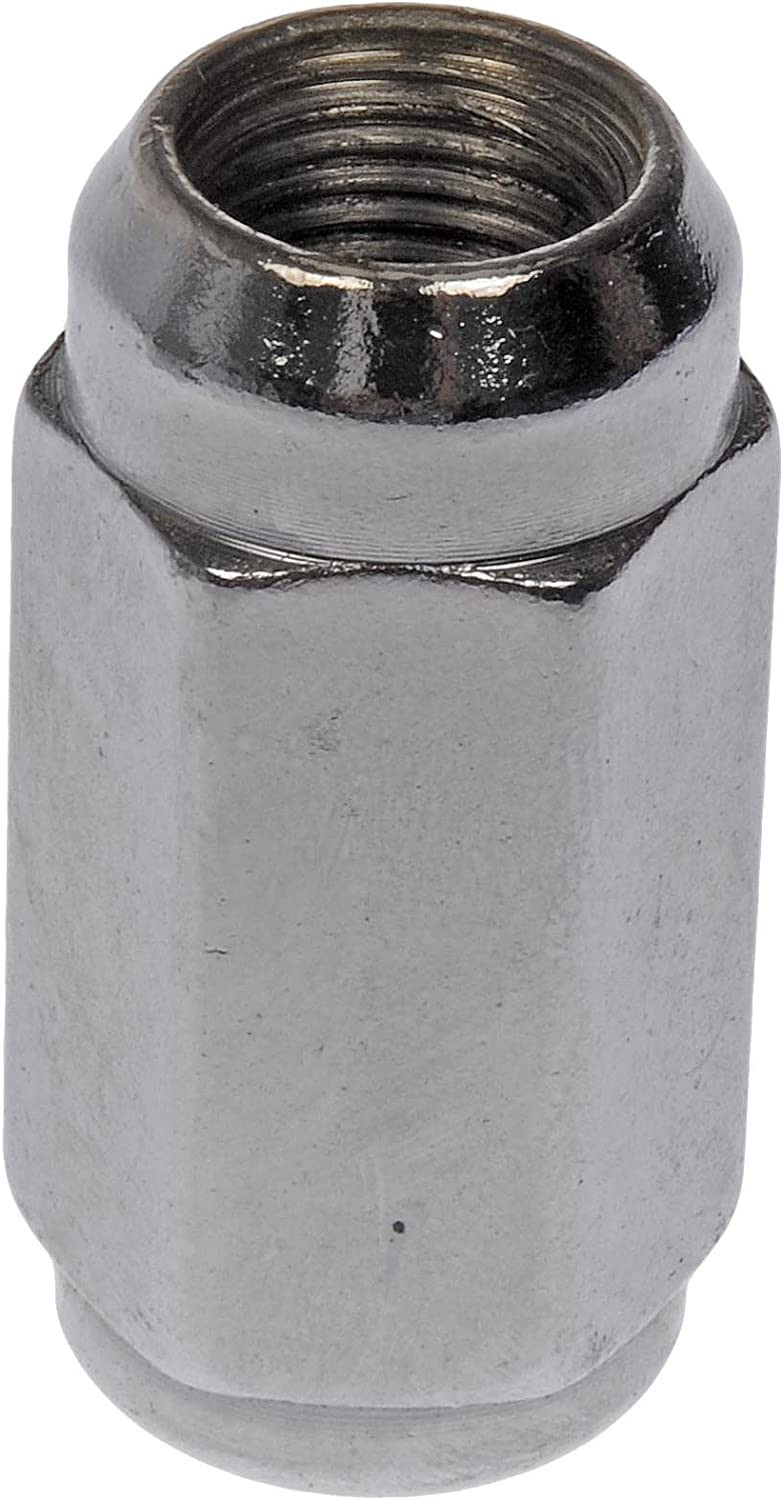
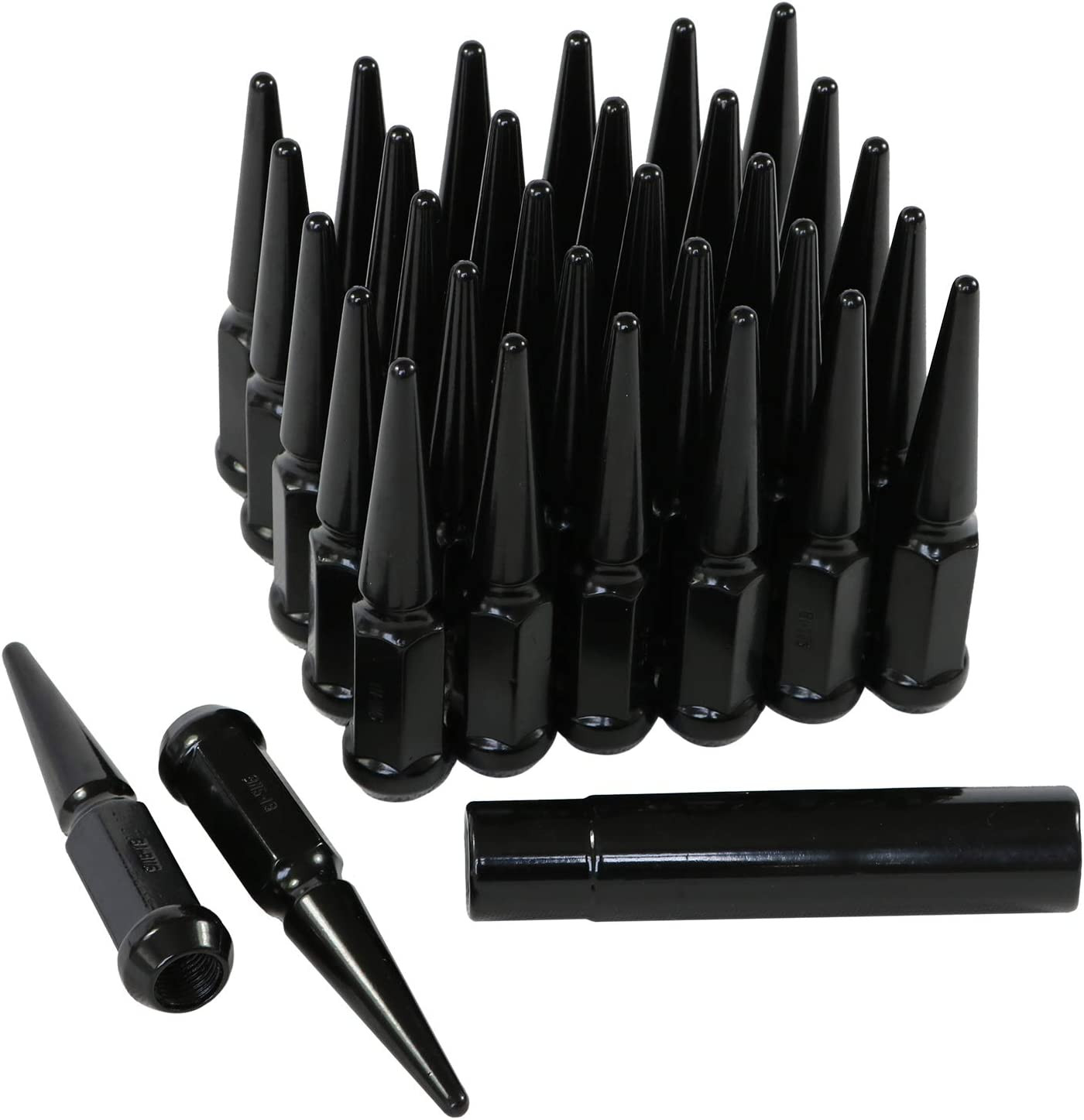
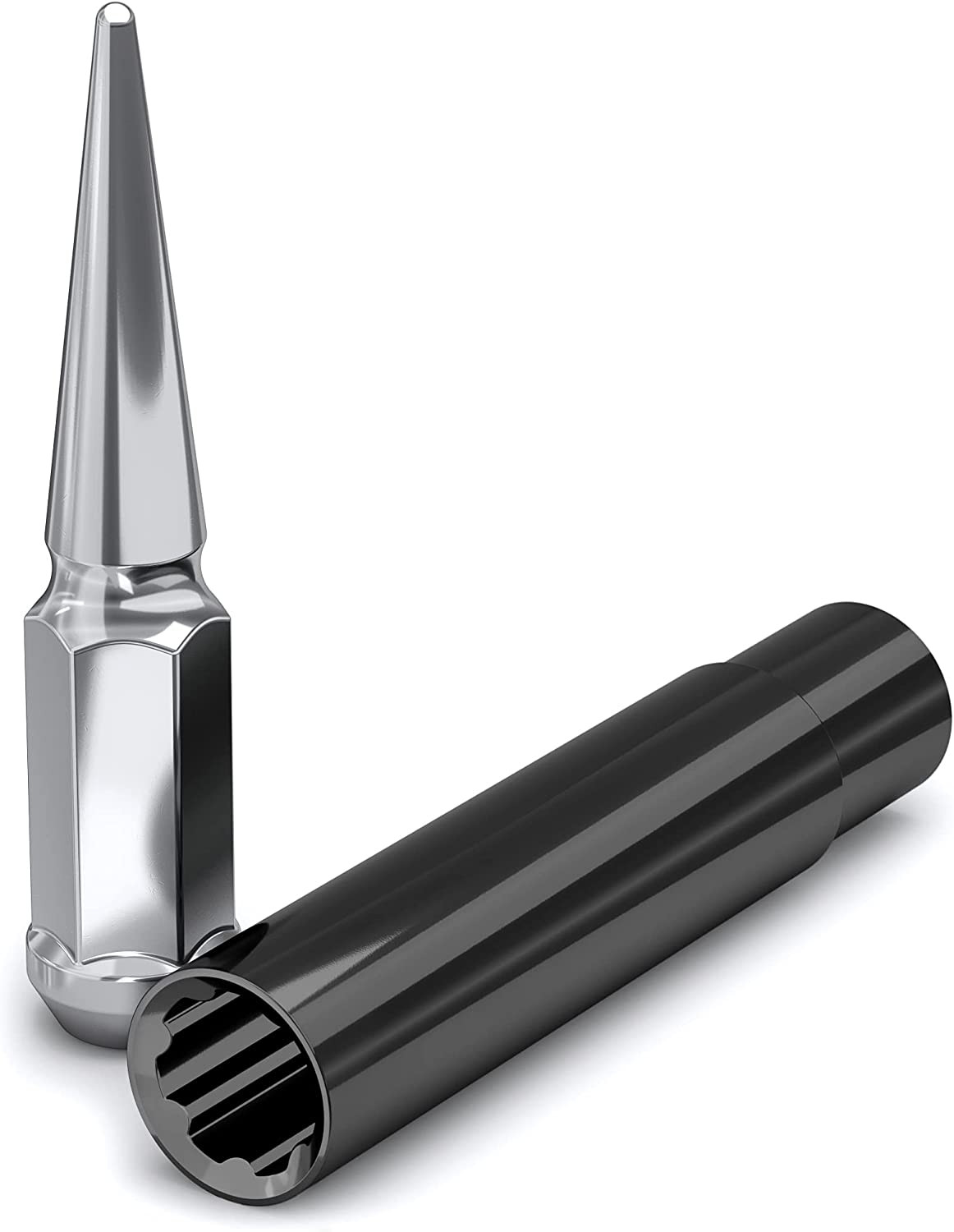
Wheel Fitment Parts for the 2002 Dodge Ram 3500
Example products matched to recorded thread, hub, or spacer dimensions. They are not verified fits. Confirm seat style, thickness, and clearance before ordering.
As an Amazon Associate we earn from qualifying purchases. Product availability and pricing may change.
2002 Dodge Ram 3500 Wheel Fitment Guide
Known OEM Fitment For 2002 Dodge Ram 3500
The values below reflect fitment data available for the 2002 Dodge Ram 3500. If a value is missing on your truck or differs by trim or package, verify it on the driver door jamb tire placard, the owner’s manual, or the Mopar/OEM parts catalog. Use the on-page calculator to validate any changes before you buy.
Bolt pattern
8x165.1
Center bore
121.3 mm
Thread size
M14 x 1.5
OEM wheel diameter
18 in
OEM wheel width
7.5 in
OEM wheel offset
ET 45 mm
OEM backspacing
5.52 in
OEM tire size
245/70R17
Note: The presence of both an 18 inch OEM wheel size and a 245/70R17 tire size indicates that multiple OEM configurations may have been offered or recorded. Always confirm your truck’s exact factory size on the door placard and in OEM documentation, then set that as your baseline in the calculator.
Important: The Ram 3500 was offered in single rear wheel and dual rear wheel configurations. DRW rear wheels are unique and typically cannot be swapped with SRW wheels. Verify your axle type and wheel style before purchasing.
How To Use The Wheel Interchange Calculator
Set Installed on to 2002 Dodge Ram 3500.
Use your door placard or OEM source to enter your true stock wheel and tire. If you are unsure, test both known entries above as separate scenarios to see how potential changes compare.
Enter Wheels from for the donor vehicle or aftermarket wheel you are considering. If you only know rim specs, use Custom wheel size to set rim diameter, width, and offset.
Use Custom tire size to try tire section width and aspect ratio that keep overall tire diameter close to stock. The calculator updates tire diameter automatically when you change rim diameter.
Review the position changes shown by the calculator. Ensure inner clearance to suspension and brakes remains safe and that outer position does not exceed fender coverage.
Confirm the final tire diameter change stays within a small margin of stock to protect speedometer accuracy and drivability. Many installers target about plus or minus 3 percent, but follow OEM guidance where provided.
Fitment Checklist Before You Buy
Axle type: Identify SRW vs DRW. DRW wheels use different rear offsets and spacing. Do not assume SRW and DRW rear wheels interchange.
Bolt pattern: 8x165.1 only. Do not attempt 8x170, 8x180, or other 8 lug patterns.
Center bore: Hub must clear 121.3 mm. If the wheel’s bore is larger, use quality hub centric rings sized to 121.3 mm ID to reduce vibration.
Thread size and nuts: M14 x 1.5. Match the lug seat style required by the wheel design. Never mix mag, conical, or spherical seats.
Stud engagement: Aim for at least full nut engagement equal to the stud diameter. For M14 studs, that is roughly 14 mm of thread engagement. Add extended studs if needed.
Load rating: Wheels and tires must meet or exceed the Ram 3500 axle and GVWR loads. Check wheel load ratings and tire load index and ply rating.
Brake and suspension clearance: Verify barrel and spoke clearance over front calipers and steering components. Test fit one wheel before mounting tires.
Fender and body clearance: Turn lock to lock and compress suspension to check for rubbing. Account for tire growth under load and heat.
Spare tire plan: Ensure the spare fits over the hubs and clears brakes. Mixing diameters across an axle can stress the differential.
Center caps and hubs: Make sure 4x4 hub protrusions and front axle nuts clear the cap design.
Plus Sizing And Common Upgrades
To upsize responsibly, start by confirming your stock baseline in the calculator. Then:
Diameter control: Keep overall tire diameter close to stock to limit speedometer and gearing changes. Many aim for about plus or minus 3 percent unless re-gearing or recalibrating.
Width and offset: As you widen the wheel, monitor inner clearance to suspension and brakes and outer poke beyond the fender. Small offset changes can have a big effect on both.
Load capacity first: On a 3500, choose tires and wheels that clearly meet your truck’s real-world loads, especially for towing, hauling, or DRW use.
Test in the calculator: Try your target rim diameter and width, then adjust offset and tire aspect ratio until the position and diameter changes are acceptable.
If your truck currently shows 245/70R17 on the placard, use that as the starting tire. If your truck shows an 18 inch factory wheel, set that as the baseline. The calculator will help you visualize how a different rim and tire combination will move inboard and outboard and how overall diameter changes.
Installation Tips
Safety first: Use a quality floor jack and jack stands rated for a 1 ton truck. Chock wheels on the ground.
Prep the hub: Clean rust and debris from the hub face and the wheel mounting pad. Surfaces must be flat and dry.
Dry threads: Install lug nuts on clean, dry studs unless OEM instructions explicitly call for lubrication.
Hand start all lugs: Then tighten in a star pattern in multiple passes with a calibrated torque wrench. Use the factory torque spec from the owner’s manual or service manual.
Re-torque: Re-check lug torque after 50 to 100 miles and after any heavy towing or hauling.
Hub centering: If the wheel bore is larger than 121.3 mm, fit proper hub centric rings to reduce vibration.
DRW specifics: Verify inner and outer dual wheel pairing, rear dual spacing, and tire sidewall clearance. Use only components intended for dual rear applications.
What is the bolt pattern on a 2002 Dodge Ram 3500? 8x165.1.
What center bore do I need? 121.3 mm. The wheel must either have a 121.3 mm bore or use hub centric rings that reduce a larger bore to 121.3 mm.
What lug nuts and thread size does it use? M14 x 1.5. Match the lug seat style to the wheel design and ensure full thread engagement.
Why do I see both 17 inch tires and 18 inch wheels listed? Available data shows an OEM wheel entry at 18x7.5 ET45 and an OEM tire entry at 245/70R17. This indicates multiple OEM configurations may exist or have been recorded. Check your door placard and OEM sources, then set that size in the calculator as your baseline.
Will SRW wheels fit a dually rear axle? Generally no. DRW rear wheels use specific offsets and spacing for paired tires. Verify DRW-compatible wheels and hardware.
What wheel offset should I use with wider wheels? Offset depends on width, brake clearance, and body clearance. Use the calculator to compare inner and outer position changes against your confirmed stock setup, then test fit.
How close should my new tire diameter be to stock? Keep overall tire diameter close to stock to maintain speedometer accuracy and drivability. Many installers use about plus or minus 3 percent. Follow OEM guidance where provided.
What is the correct lug nut torque? Torque specifications vary by model and wheel type. Use the value in the 2002 Ram 3500 owner’s manual or OEM service manual. Re-torque after 50 to 100 miles.
Do I need hub centric rings? If your aftermarket wheel’s center bore is larger than 121.3 mm, hub centric rings are recommended to properly center the wheel on the hub and reduce vibration.
Can I run much larger tires for off-road use? Possibly, but clearance, load rating, gearing, and speedometer accuracy are all factors. Use the calculator to check diameter changes and wheel position, measure your truck for clearance, and confirm load ratings before buying.
Methodology and sources
Wheel interchange depends on more than bolt pattern. Where data is available, this site compares recorded OEM values:
Bolt pattern / PCD
Center bore direction (donor wheel bore must not be smaller than the hub)
Wheel diameter, width, and offset against known OEM ranges
A normal wheel spacer does not change bolt pattern. Hub rings cannot enlarge a wheel bore that is smaller than the hub. Brake clearance and tire package fitment still require vehicle-specific checks when not confirmed in the dataset.