2004 Dodge Ram 3500 Wheel Fitment Guide
Known OEM Fitment For 2004 Dodge Ram 3500
The following specifications are the known fitment data supplied for the 2004 Dodge Ram 3500. They may represent only some trims, packages, or original-equipment configurations. Confirm the information against the vehicle identification number, the original wheel markings, the owner’s manual, and a Dodge service or parts source before purchasing wheels or tires.
| Specification |
Known value |
| Bolt pattern |
8x165.1 |
| Center bore |
121.3 mm |
| Thread size |
M14 x 1.5 |
| Rim diameter |
18 inches |
| Rim width |
7.5 inches |
| Wheel offset |
ET45, or 45 mm |
| Backspacing |
5.52 inches |
| Tire section width |
245 mm |
| Tire aspect ratio |
70 percent |
| Tire rim diameter |
17 inches |
There is an apparent diameter mismatch in the supplied records: the wheel entry lists an 18-inch rim, while the tire entry lists an R17 tire, which is designed for a 17-inch rim. These cannot be installed together. Verify the wheel stamp and tire sidewall before treating either size as the vehicle’s current or original combination. Do not use a tire whose rim diameter does not match the wheel.
How To Use The Wheel Interchange Calculator
Use the calculator to compare wheels from a donor vehicle with the wheels installed on your 2004 Dodge Ram 3500. Enter the donor vehicle and review its bolt pattern, center bore, wheel width, diameter, offset, and tire information. Then select the Ram 3500 as the vehicle being fitted and compare the measurements rather than relying only on a vehicle name or model-year match.
The calculator also allows a custom wheel size. Enter the candidate rim diameter, width, and offset to see how that wheel compares with the known data above. Use the custom tire fields for section width and aspect ratio. When you change the rim diameter, the calculator updates the tire diameter in the comparison, so recheck the complete tire-and-wheel combination after every change.
Calculator results are a screening tool, not a substitute for a physical test fit. Confirm brake clearance, hub seating, stud and nut engagement, suspension clearance, fender clearance, load rating, and tire clearance at full steering lock and through suspension travel.
Fitment Checklist Before You Buy
First, match the 8x165.1 bolt pattern and confirm that the wheel’s center bore is suitable for the 121.3 mm hub. A wheel with a smaller center bore will not seat over the hub. A larger bore may require properly specified hub-centric rings, but rings do not correct an incorrect bolt pattern, offset, load rating, or brake clearance.
Compare the proposed wheel with the known 7.5-inch width, 18-inch diameter, ET45 offset, and 5.52-inch backspacing. If the donor wheel differs, use the calculator to estimate the change in inner and outer position, then verify it on the vehicle. Offset and backspacing are not interchangeable labels, so check how the seller defines each measurement.
Confirm the tire’s rim diameter matches the wheel. Check the tire load index, speed rating, overall diameter, section width, and manufacturer requirements. The supplied 245/70R17 tire description must not be paired with an 18-inch wheel.
Ask the seller for clear measurements and photographs of the wheel markings. Confirm whether the wheel is intended for the truck’s axle load and braking package. Used wheels should be inspected for cracks, bends, corrosion around the bead seat, damaged lug holes, and previous repairs.
Plus Sizing And Common Upgrades
Plus sizing changes the wheel diameter while attempting to maintain a similar overall tire diameter. It can alter sidewall height, ride quality, steering response, speedometer behavior, clearance, and load capacity. Do not select a larger wheel or wider tire based only on appearance.
No specific plus-size combination is confirmed here because the available OEM data contains a 17-inch tire diameter entry alongside an 18-inch rim entry. Resolve that discrepancy first using the sidewall markings, wheel stamp, VIN-specific records, and the calculator.
Any proposed upgrade should retain the required bolt pattern, provide adequate center-bore fit, preserve safe stud and nut engagement, clear the brakes, and maintain a suitable tire load rating. Wheel spacers, adapters, and aftermarket lug nuts require additional verification and should not be used to compensate for an otherwise incompatible wheel.
Installation Tips
Clean the hub face and wheel mounting surface before installation. Remove rust, dirt, paint buildup, and debris that could prevent the wheel from seating flat. Never use excessive force to draw an incompatible wheel onto the hub with the lug nuts.
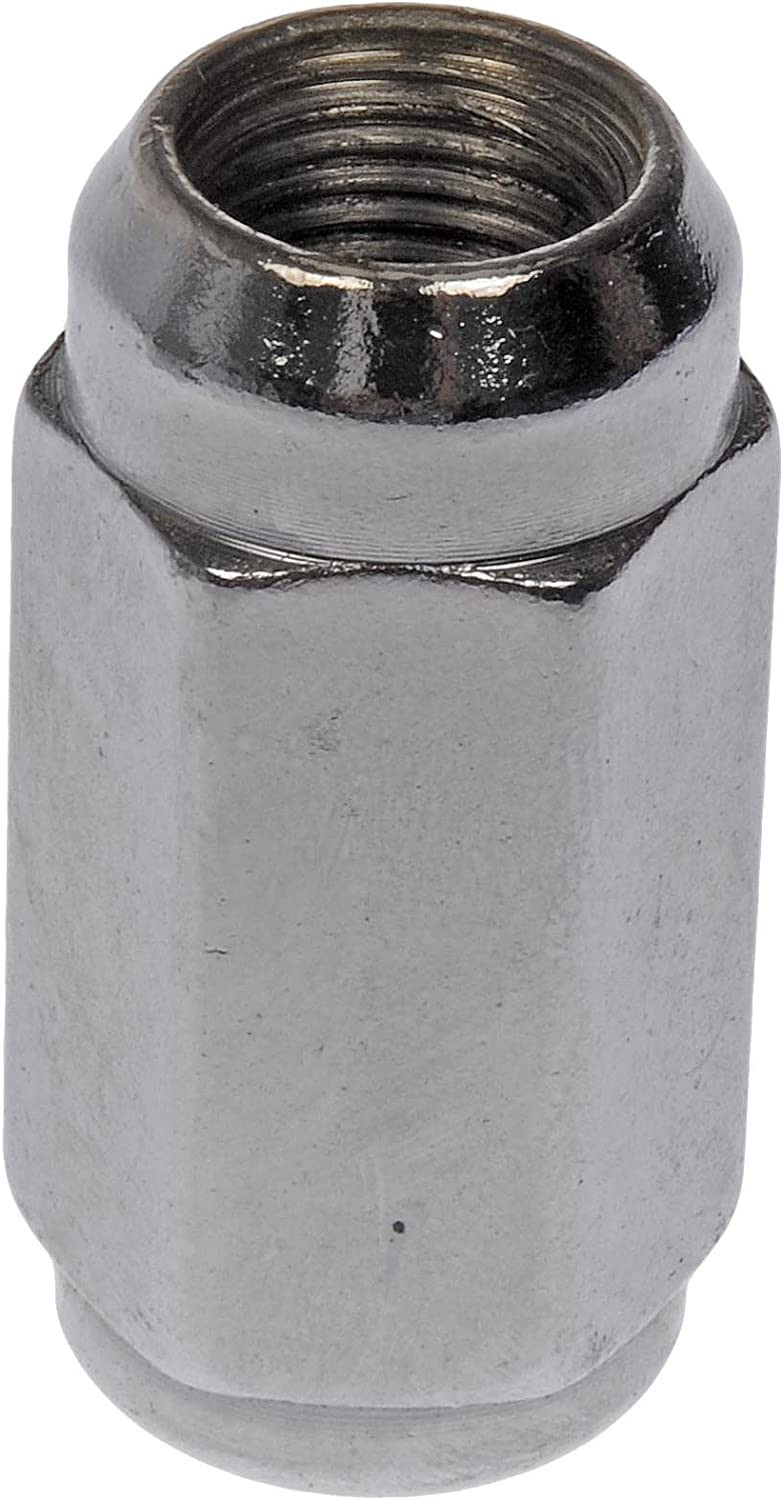
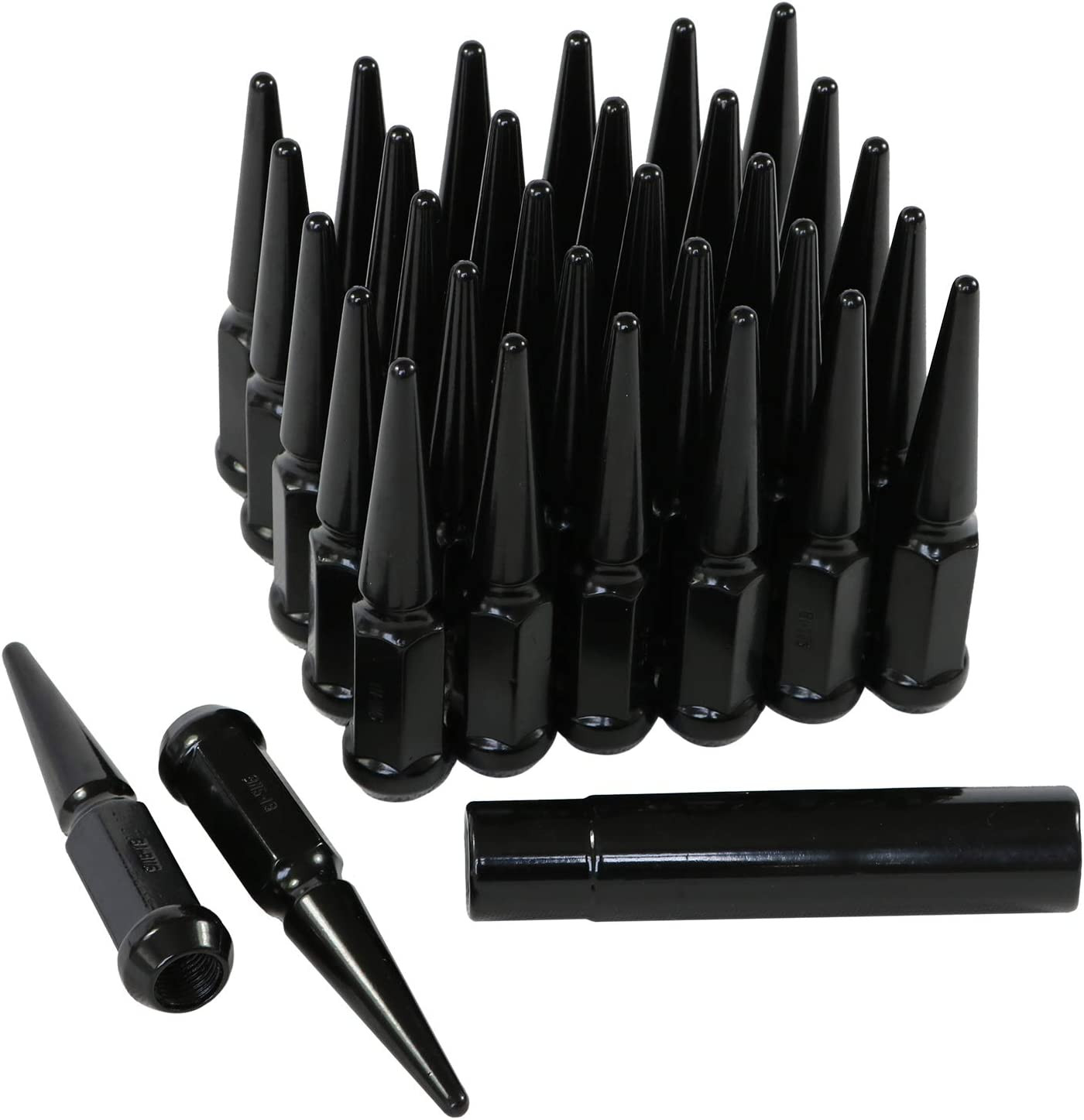
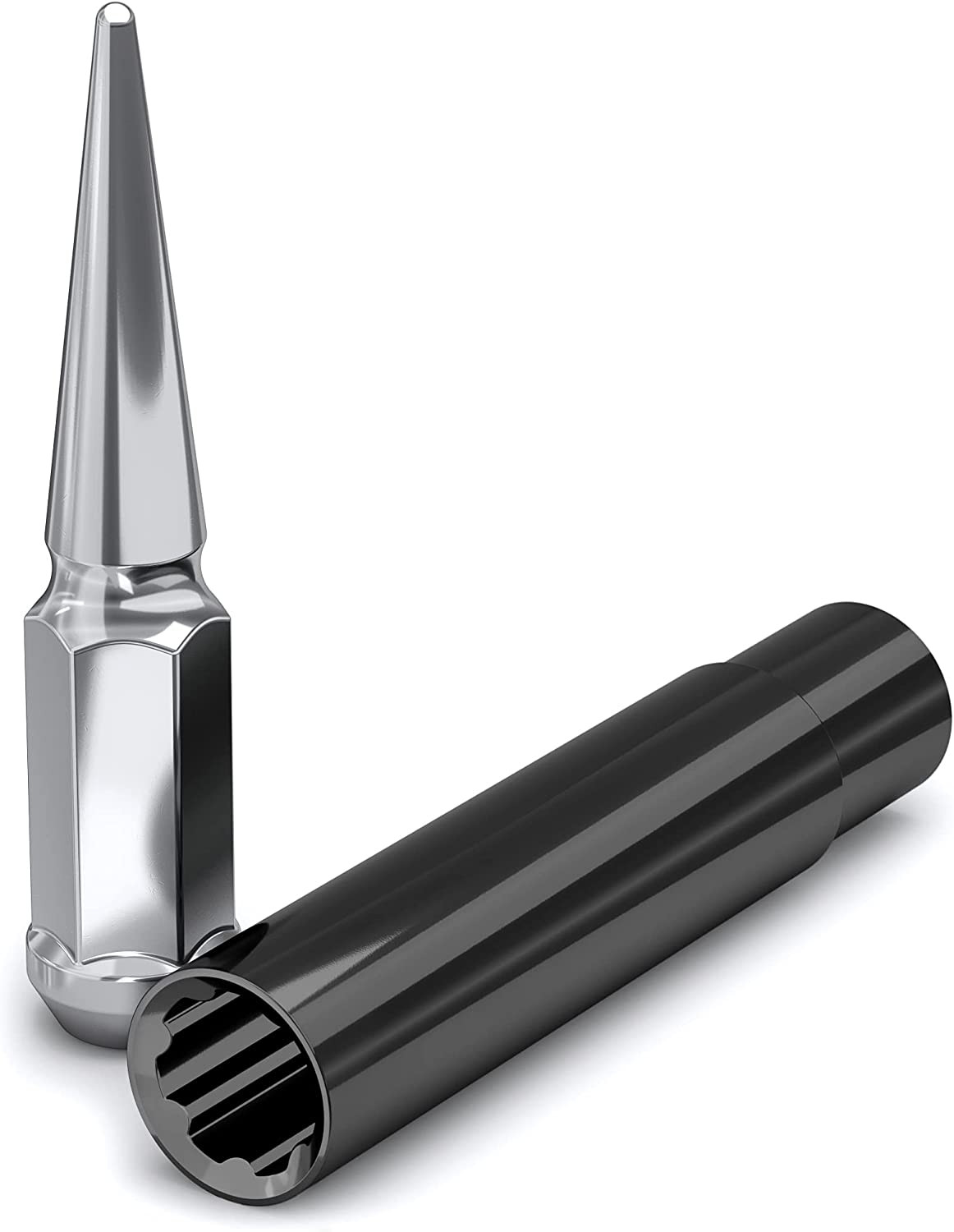
Install the correct M14 x 1.5 lug nuts for the wheel’s seat type. Conical, ball-seat, and mag-style hardware are not interchangeable unless the wheel manufacturer specifies that combination. Start every lug nut by hand to avoid cross-threading.
Tighten the lug nuts in a star or crisscross sequence, then torque them to the vehicle or wheel manufacturer’s specified value. The correct torque value was not provided here, so obtain it from the owner’s manual, a Dodge service source, or the wheel manufacturer. Recheck torque after the initial driving interval specified by the manufacturer.
After installation, inspect for contact with brake components, suspension parts, steering components, and bodywork. Turn the steering fully in both directions and check clearance. Test-drive cautiously, stop if vibration or rubbing occurs, and recheck the installation.
Tools And Helpful Supplies
A calibrated torque wrench, suitable socket, jack, jack stands, wheel chocks, tire pressure gauge, and a tread or clearance inspection tool are useful for a safe fitment check. Use jack stands on a firm, level surface and follow the vehicle’s lifting points. Never rely on a jack alone while working under or beside the vehicle.
You can find general-purpose equipment such as a vehicle torque wrench and a tire tread depth gauge through Amazon. Confirm tool specifications and use the vehicle manufacturer’s torque procedure rather than a generic setting.
FAQs
What is the known bolt pattern for the 2004 Dodge Ram 3500?
The supplied fitment data lists an 8x165.1 bolt pattern. Confirm the pattern on the vehicle or through a VIN-specific OEM source before ordering.
What center bore is listed?
The known center bore is 121.3 mm. A smaller wheel bore will not fit over the hub, while a larger bore may need correctly specified hub-centric rings.
What lug thread size is listed?
The supplied thread size is M14 x 1.5. The lug nut seat must also match the wheel, so thread size alone is not enough to select hardware.
Can a 245/70R17 tire be installed on an 18-inch wheel?
No. A tire marked R17 requires a 17-inch rim. The supplied records show an 18-inch rim value and a 17-inch tire rim diameter, so verify which specification applies before buying or mounting anything.
Does every 2004 Dodge Ram 3500 use the same wheel fitment?
This page does not establish a complete trim, axle, or package list. Fitment can vary, so confirm the vehicle identification number, original wheel markings, owner’s manual, and OEM parts information.
Can the calculator confirm that a donor wheel will fit?
The calculator can compare bolt pattern, bore, diameter, width, offset, backspacing, and tire dimensions when those values are available. It cannot replace a physical brake and suspension clearance check or confirm load rating and lug-seat compatibility.
Why do wheel width and offset matter?
They determine how far the wheel sits inward toward suspension and brake components and outward toward the fender. A wheel can have the correct bolt pattern and still rub or fail to clear the vehicle.
What should I do if the calculator and an OEM source disagree?
Stop before purchasing or installing the parts. Recheck the model, year, trim, axle configuration, wheel markings, and measurement units, then give priority to VIN-specific OEM documentation and direct physical measurements.