2005 Dodge Ram 3500 Wheel Fitment
Known OEM Fitment For 2005 Dodge Ram 3500
The following specifications are the known fitment values provided for the 2005 Dodge Ram 3500. Equipment can vary by trim, axle configuration, package, and replacement-wheel history, so verify the vehicle and wheel before purchasing.
| Specification |
Known value |
| Bolt pattern |
8x165.1, meaning 8 studs on a 165.1 mm pitch circle diameter |
| Center bore |
121.3 mm |
| Thread size |
M14 x 1.5 |
| Rim diameter |
18 inches |
| Rim width |
7.5 inches |
| Wheel offset |
ET45, or 45 mm |
| Backspacing |
5.52 inches |
| Tire section width |
245 mm |
| Tire aspect ratio |
70 percent |
| Tire rim diameter supplied |
17 inches |
There is an apparent diameter mismatch in the supplied data: the listed rim diameter is 18 inches, while the listed tire rim diameter is 17 inches. These values should not be treated as one confirmed wheel and tire combination. Check the sidewall marking, the wheel stamp, the driver-door tire label, the owner handbook, and the VIN-specific OEM parts information before ordering.
How To Use The Wheel Interchange Calculator
Use the calculator to compare a donor vehicle's wheels with the wheels installed on your 2005 Dodge Ram 3500. Enter the donor wheel details under “Wheels from” and the Dodge under “Installed on.” Compare bolt pattern, center bore, wheel width, diameter, and offset rather than relying on appearance alone.
When the donor vehicle is not available in the calculator, use “Custom wheel size” to enter the rim diameter, rim width, and offset. Use “Custom tire size” to enter the tire section width and aspect ratio. Changing rim diameter updates the tire diameter in the comparison, so review the resulting clearance information after every change.
The calculator is a comparison aid, not a substitute for a physical test fit or OEM confirmation. It does not by itself confirm brake clearance, load rating, stud engagement, suspension clearance, fender clearance, or tire approval for a particular truck configuration.
Fitment Checklist Before You Buy
- Confirm the truck's VIN, trim, axle configuration, and current wheel and tire equipment using OEM documentation.
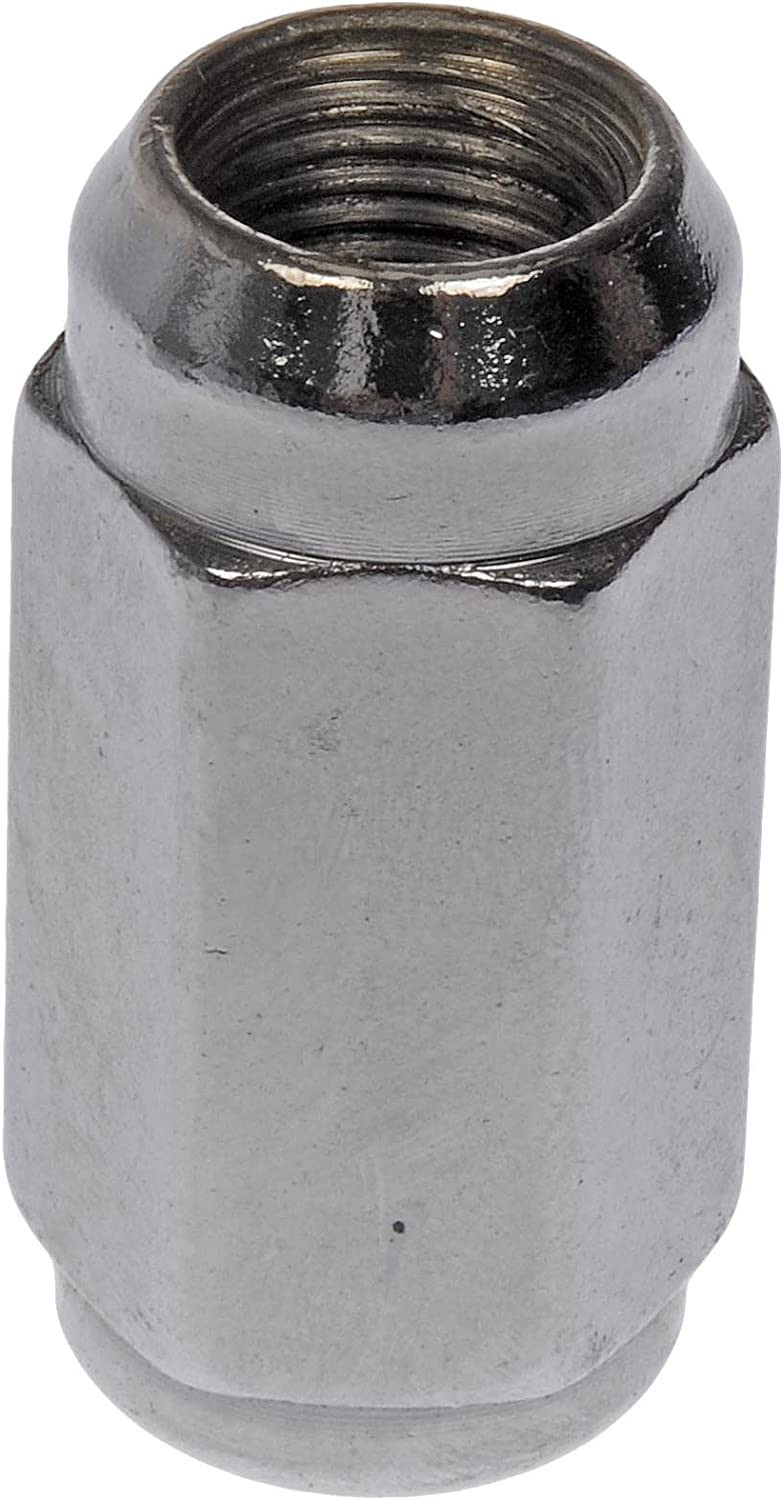
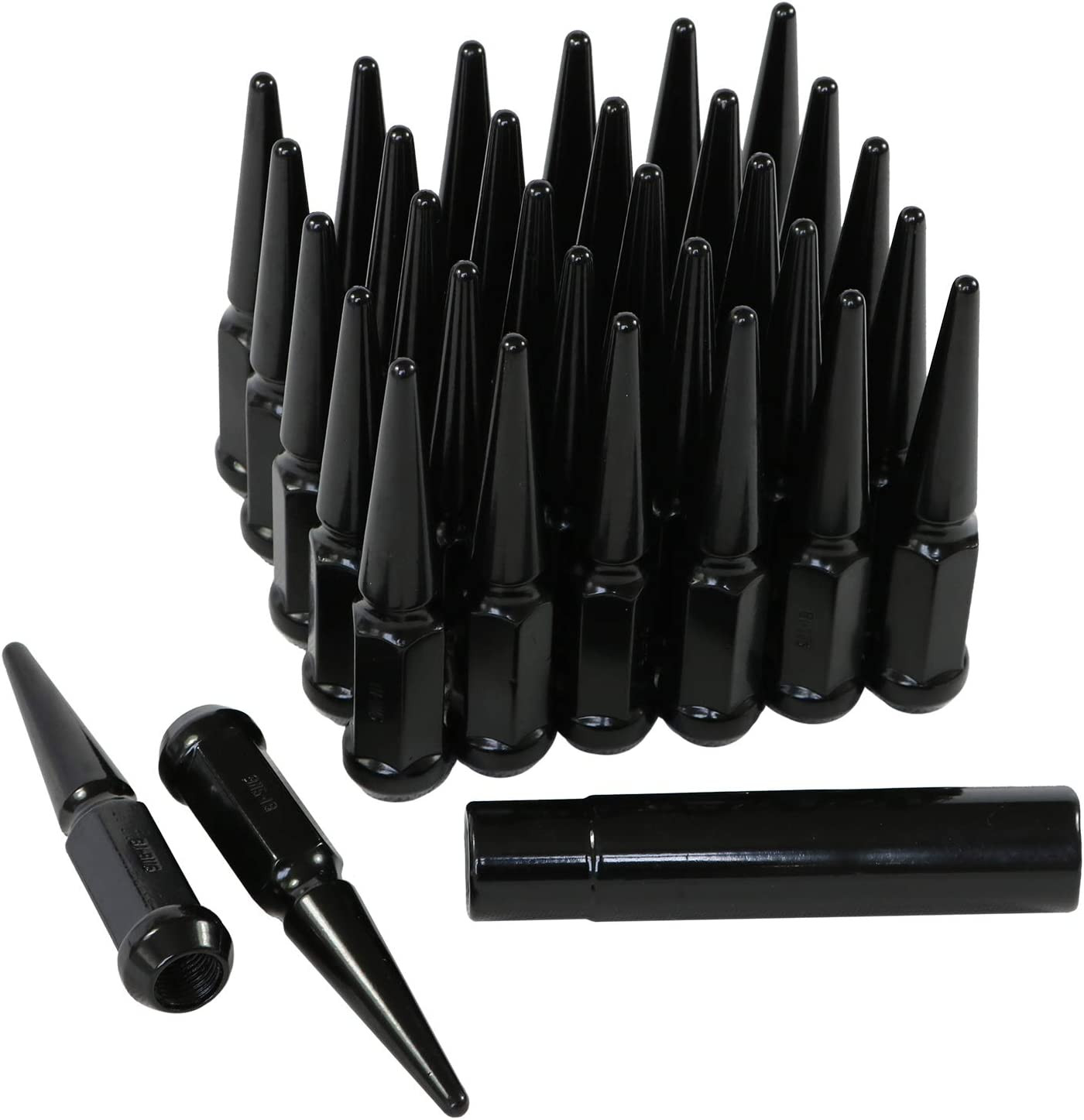
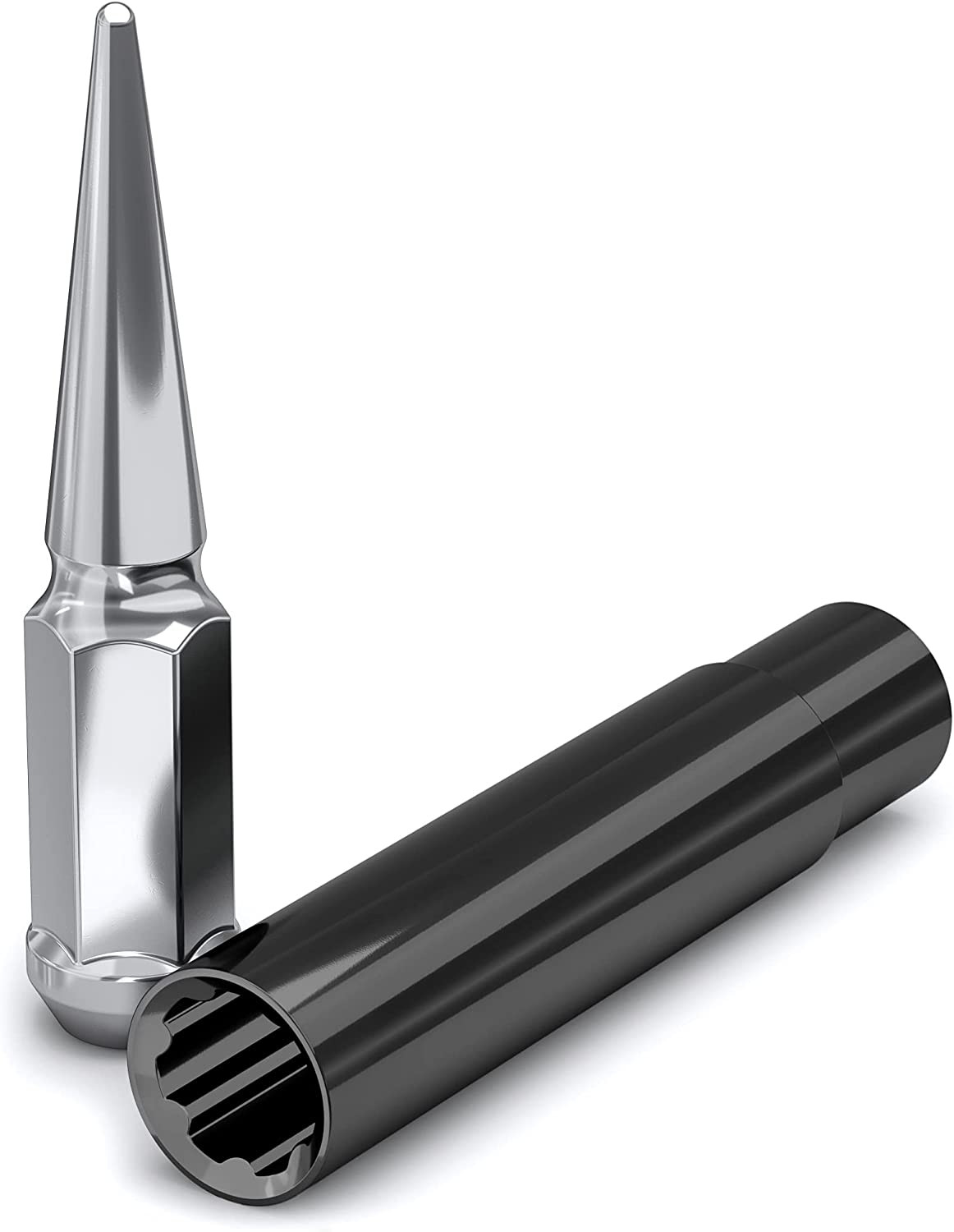
- Match the 8x165.1 bolt pattern and verify that the wheel's lug-hole design is suitable for the required M14 x 1.5 wheel hardware.
- Check the wheel center bore against the known 121.3 mm hub specification. A wheel bore that is too small will not fit over the hub.
- Compare offset and backspacing. A change can affect inner suspension clearance, outer fender clearance, steering travel, and tire rubbing.
- Confirm the wheel diameter and width. Do not combine the supplied 18-inch rim value with the supplied 17-inch tire rim value without verifying which applies to your truck.
- Verify tire load index, speed rating, overall diameter, and approved rim-width range. Do not select a tire by size alone.
- Check the wheel's load rating against the truck's axle and vehicle requirements. The lightest-rated component can limit the assembly.
- Inspect for brake-caliper, tie-rod, control-arm, leaf-spring, and shock clearance through the full steering and suspension range.
- Confirm that the replacement wheel is approved for the intended lug nuts and that the studs provide adequate thread engagement.
- After installation, check for rubbing and recheck lug torque according to the vehicle or wheel manufacturer's instructions.
Plus Sizing And Common Upgrades
Plus sizing changes the wheel diameter while generally using a lower tire sidewall to maintain a similar overall tire diameter. It is not automatically compatible with every 2005 Dodge Ram 3500 configuration. A larger wheel can create brake, suspension, fender, and load-rating concerns even when the bolt pattern matches.
Use the calculator to compare custom wheel diameter, width, and offset, then compare the proposed tire section width, aspect ratio, and rim diameter. Treat the calculator's diameter comparison as an initial screening step. Confirm the final combination with the tire manufacturer, wheel manufacturer, and vehicle-specific OEM information.
Do not assume that spacers, adapters, aftermarket lug nuts, or a different center bore make an otherwise unsuitable wheel safe. Any spacer or adapter must be specifically rated and installed according to its manufacturer's instructions, and it can change stud engagement and clearance.
Installation Tips
- Clean the hub face and wheel mounting surface before installation. Rust or debris can prevent the wheel from seating correctly.
- Install wheels only with compatible lug nuts. Do not use tapered lug nuts on a wheel that requires a different seat design.
- Start all lug nuts by hand to avoid cross-threading the M14 x 1.5 studs.
- Snug the lugs in a star or crisscross pattern, then torque them with a calibrated torque wrench to the vehicle or wheel manufacturer's specification.
- Keep the wheel assembly unloaded while checking for interference, then turn the steering from lock to lock where safe to do so.
- Check tire pressure using the vehicle placard or tire manufacturer's guidance, not the maximum pressure molded on the tire sidewall.
- Drive slowly after installation and stop immediately if there is rubbing, vibration, steering pull, or unusual noise.
- Recheck lug torque after the first short drive and again after the interval specified by the vehicle or wheel manufacturer.
Tools And Helpful Supplies
Useful items include a calibrated torque wrench, the correct socket, a breaker bar, a tire-pressure gauge, a hub and wheel measuring tool, a straightedge for checking backspacing, and a tread-depth gauge. Keep the owner's handbook and wheel manufacturer's installation instructions available.
Shop automotive torque wrenches on Amazon
Shop wheel fitment measuring tools on Amazon
Use measuring tools to confirm dimensions, not to replace OEM documentation or a professional inspection when clearance or load capacity is uncertain.
FAQs
What is the bolt pattern for the 2005 Dodge Ram 3500?
The known bolt pattern provided for this vehicle is 8x165.1. Confirm the application with VIN-specific OEM information before buying wheels.
What is the center bore for the 2005 Dodge Ram 3500?
The known center bore is 121.3 mm. A replacement wheel must have a bore that fits over the hub. A larger bore may require correctly specified hub-centric rings, while a smaller bore will not fit.
What lug thread size is listed for this truck?
The supplied thread size is M14 x 1.5. The thread size alone does not identify the correct lug nut because seat type, length, and manufacturer requirements must also match.
Does the 2005 Dodge Ram 3500 use a 17-inch or 18-inch wheel?
The supplied fitment data lists an 18-inch rim diameter but also lists a 17-inch tire rim diameter. Because those values conflict, verify the wheel marking, tire sidewall, door-placard information, owner handbook, and VIN-specific OEM records before selecting a replacement.
Can any 8x165.1 wheel fit this Dodge Ram 3500?
No. Matching the bolt pattern is only one requirement. Center bore, offset, backspacing, wheel width, brake clearance, load rating, lug-nut seat, and tire compatibility must also be confirmed.
Can I use the calculator to choose a larger wheel?
Yes, use the custom wheel size fields to compare diameter, width, and offset, and use the custom tire size fields to compare section width and aspect ratio. The calculator is a screening tool and cannot replace physical clearance checks or manufacturer approval.
Should I use wheel spacers to correct an offset difference?
Do not use spacers as a default solution. They change the wheel position, can reduce stud engagement, and may affect hub seating, bearing loads, and clearance. Use only a properly rated product that is approved for the vehicle and installed exactly as directed.
How do I confirm the final wheel and tire combination?
Compare the calculator results with the vehicle door placard, owner handbook, VIN-specific OEM parts information, wheel load-rating documentation, tire manufacturer data, and a physical inspection. If any dimension or clearance remains uncertain, consult a qualified wheel and tire technician before driving.