2006 Dodge Ram 3500 Wheel Interchange
Known OEM Fitment For 2006 Dodge Ram 3500
The following specifications are the known fitment data available for this page. They should be treated as a starting point, not a substitute for checking the vehicle, wheel, tire, and OEM service information. Fitment can vary by trim, axle configuration, package, and replacement wheel.
| Specification |
Known value |
Fitment note |
| Bolt pattern |
8x165.1 |
Eight studs on a 165.1 mm pitch circle diameter |
| Center bore |
121.3 mm |
Confirm the wheel center bore and hub fit before installation |
| Thread size |
M14 x 1.5 |
Use lug hardware that matches the wheel seat and vehicle stud specification |
| Rim diameter |
18 inches |
Known wheel data; verify the original wheel marking and door-jamb tire label |
| Rim width |
7.5 inches |
Confirm the width stamped on the replacement wheel |
| Wheel offset |
ET45 |
Offset affects inner clearance, outer position, and scrub geometry |
| Backspacing |
5.52 inches |
Compare measured backspacing when offset or wheel width is unknown |
| Tire section width |
245 mm |
Verify the tire size and load rating from the vehicle label and tire sidewall |
| Tire aspect ratio |
70 |
Listed data indicates a 70-series tire |
| Tire rim diameter |
17 inches |
This differs from the listed 18-inch rim diameter, so verify the actual wheel and tire package before ordering |
The supplied data contains both an 18-inch rim diameter and a 17-inch tire rim diameter. These values do not describe the same wheel and tire assembly. Do not assume either one is correct for every 2006 Dodge Ram 3500. Check the tire sidewall, the wheel casting or stamping, the driver-door certification label, and the owner or service information for the exact vehicle.
How To Use The Wheel Interchange Calculator
Use the calculator to compare a donor vehicle's wheels with the wheels installed on your 2006 Dodge Ram 3500. Enter the donor wheel diameter, width, and offset, then enter the tire section width and aspect ratio. Compare those values with the known data above and with measurements from your vehicle.
- Start with the donor vehicle and enter the wheel's actual diameter, width, and offset. Do not rely only on a model description if the wheel has been replaced.
- Enter the installed vehicle values using the wheel and tire markings you can verify. If a specification varies by trim or is unknown, leave it unconfirmed and check an OEM source.
- Use the custom wheel size fields to test a proposed diameter, width, or offset.
- Use the custom tire size fields to test a different section width or aspect ratio.
- When rim diameter changes, the calculator updates the tire diameter in the comparison. Review diameter change, clearance, and speedometer implications together.
- Treat the calculator as a comparison tool. It cannot confirm brake clearance, lug-seat compatibility, hub engagement, suspension clearance, or tire load capacity by itself.
Fitment Checklist Before You Buy
- Confirm the 8x165.1 bolt pattern with the wheel manufacturer or a reliable measurement. Never force a wheel onto the studs.
- Confirm that the wheel center bore is compatible with the 121.3 mm hub. A center bore that is too small will not seat; a larger bore may require properly specified hub-centric rings where appropriate.
- Check the wheel's offset and backspacing, not just its diameter. A change can create contact with the suspension, brake components, fender, or body.
- Verify the wheel's load rating for the truck and intended payload or towing use. Do not select a wheel based on appearance alone.
- Confirm the replacement tire's load index, speed rating, size, and inflation requirements using the vehicle label, tire manufacturer data, and OEM guidance.
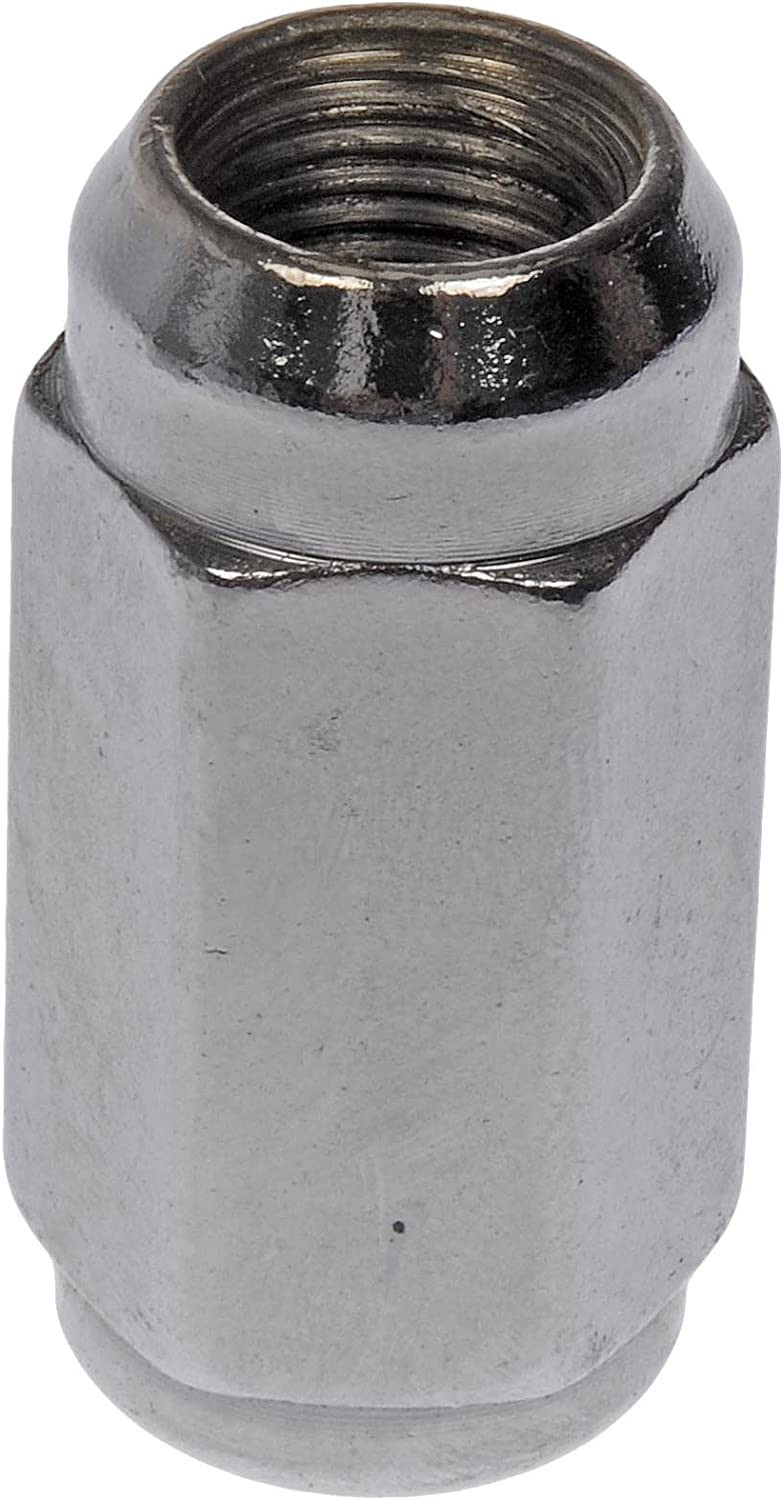
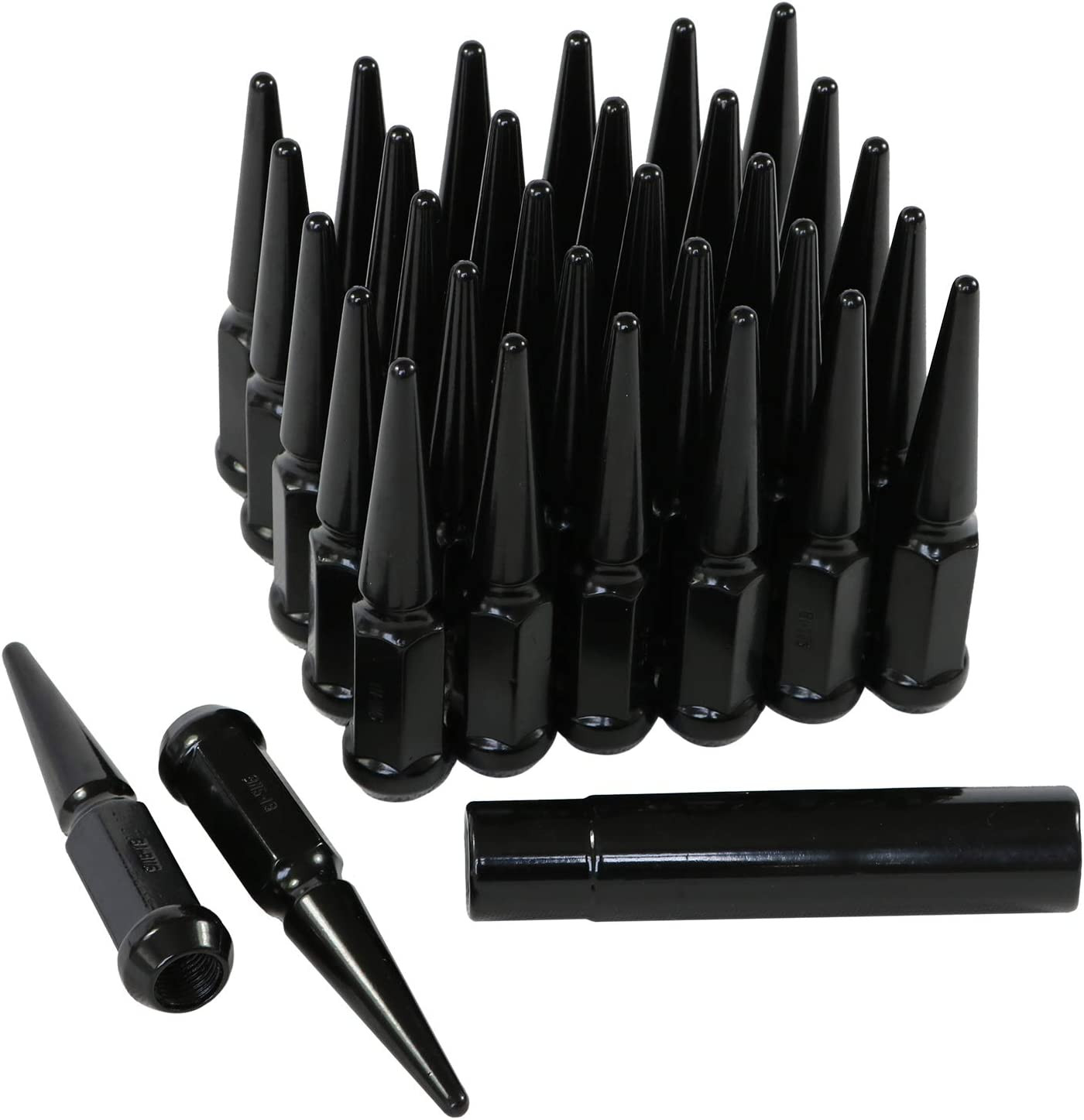
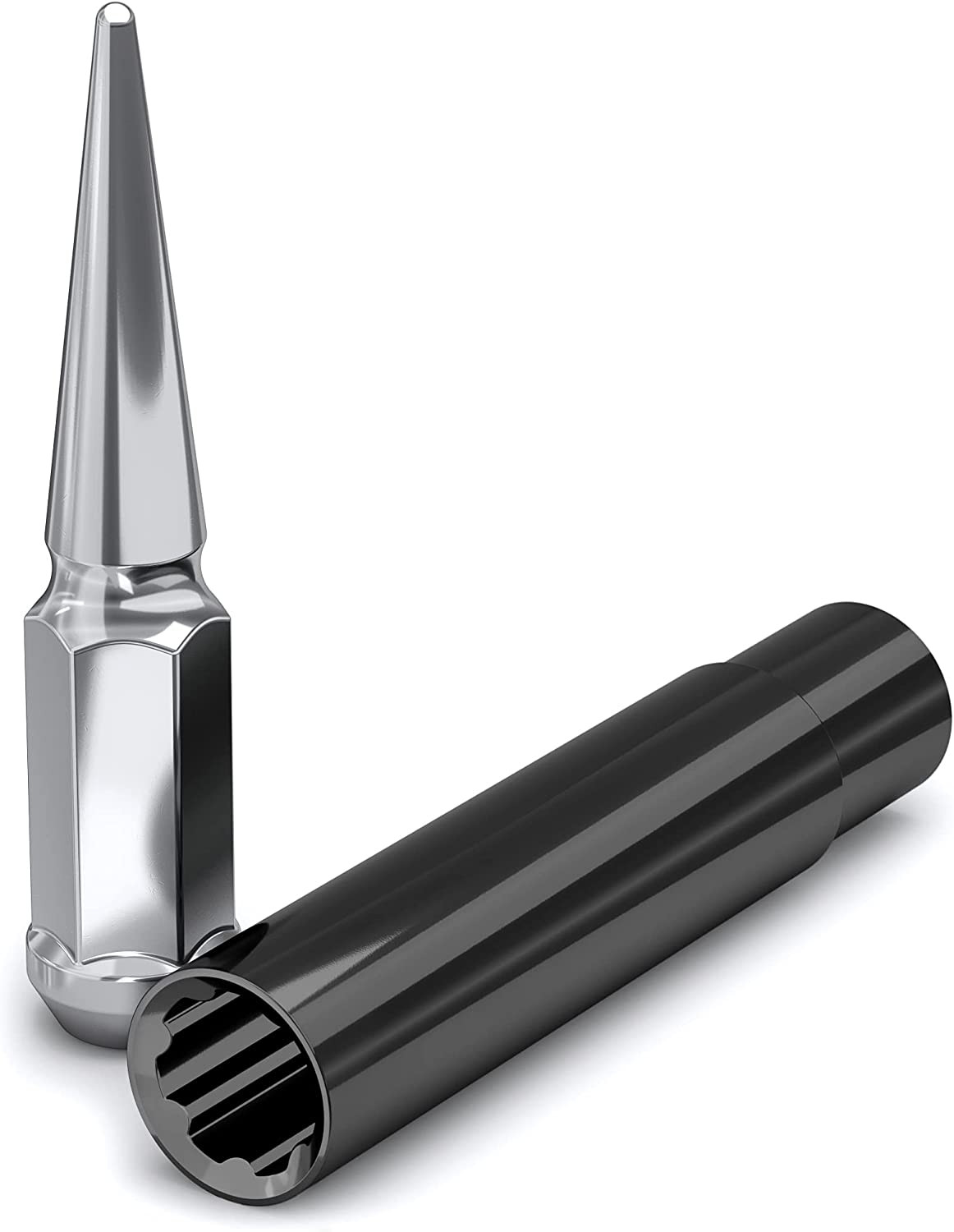
- Check that the lug nuts match the wheel's seat type, thread size, shank requirements if applicable, and stud engagement.
- Inspect for brake caliper clearance by test fitting carefully. Spoke shape can cause interference even when diameter, width, and offset appear suitable.
- Check inner sidewall, tie-rod, control-arm, and suspension clearance at full steering lock and through suspension travel.
- After installation, verify that the tire does not contact the fender liner or body under steering, braking, and loaded conditions.
- Do not use spacers or adapters unless they are specifically engineered for the application and installed according to their manufacturer's instructions.
Plus Sizing And Common Upgrades
Plus sizing changes the wheel diameter while keeping the overall tire diameter near the original target by reducing tire sidewall height. The calculator can help compare custom wheel and tire sizes, but the 17-inch tire rim diameter and 18-inch rim diameter in the supplied data must be resolved before selecting a baseline.
A wider tire may improve dry-road grip but can increase steering effort, road-surface sensitivity, noise, and the chance of rubbing. A taller or shorter overall diameter can affect speedometer readings, gearing, braking-system operation, and clearance. A different offset can also change wheel-bearing loading and steering behavior.
For a truck used for hauling or towing, load capacity is especially important. Confirm the combined tire and wheel capacity against the vehicle's axle and payload requirements. Do not reduce the load rating to obtain a particular appearance or tire size.
Installation Tips
Inspect used wheels for cracks, bends, corrosion around the lug holes, damaged seats, and repairs. Clean the hub and wheel mounting surfaces so the wheel seats flush. Do not use paint, grease, or debris between the mating surfaces.
Install the correct lug hardware by hand for several turns before tightening. If a lug nut binds, stop and confirm the thread and seat type. Tighten in a star pattern using a calibrated torque wrench and the vehicle or wheel manufacturer's specified torque. Do not guess the torque value.
After lowering the vehicle, recheck torque with the wheel fully supported as directed by the service information. Recheck lug torque after the initial driving period recommended by the wheel manufacturer. Check tire pressure when the tires are cold, and have the assembly balanced if vibration occurs.
Have the alignment checked if the vehicle pulls, the steering wheel is off center, or tire clearance changes after installation. Stop driving immediately if you hear rubbing, feel vibration, or notice loose hardware.
Tools And Helpful Supplies
A torque wrench, suitable socket, jack stands, wheel chocks, and a reliable tire-pressure gauge are useful for safe wheel work. A caliper or measuring tool can help confirm center bore, wheel width, and backspacing, but measurements should be compared with manufacturer data.
Use lifting equipment rated for the vehicle. A floor jack is for lifting, not for supporting the truck while working underneath it. Support the vehicle with correctly rated jack stands on suitable points identified by the service information.
FAQs
What is the bolt pattern listed for the 2006 Dodge Ram 3500?
The known bolt pattern is 8x165.1, meaning eight studs on a 165.1 mm pitch circle diameter. Confirm the wheel manufacturer's specifications before purchase.
What center bore is listed for this truck?
The known center bore is 121.3 mm. A replacement wheel must have a center opening that fits over the hub, and the wheel should seat correctly without interference.
What thread size is listed?
The known thread size is M14 x 1.5. The lug nut must also match the wheel's seat style and provide the correct thread engagement.
Is the correct wheel diameter 17 or 18 inches?
The supplied data lists an 18-inch rim diameter and a 17-inch tire rim diameter. Because those values conflict, the correct package cannot be confirmed from the provided data alone. Read the tire sidewall and wheel markings, then verify them against the door-jamb label and OEM information.
Can any 8x165.1 wheel fit this truck?
No. The bolt pattern is only one part of fitment. Center bore, offset, backspacing, width, brake clearance, lug-seat design, wheel load rating, and tire load capacity must also be checked.
How does the calculator help with a donor wheel?
Enter the donor vehicle's wheel and tire data in the donor fields and compare it with the installed vehicle fields. You can also test custom wheel diameter, width, offset, section width, and aspect ratio. The calculator updates tire diameter when rim diameter changes, but it does not replace physical clearance checks or OEM confirmation.
Should I use a larger wheel or wider tire for towing?
Not automatically. Towing suitability depends on wheel and tire load ratings, inflation capacity, clearance, and the vehicle's axle and payload limits. Confirm those requirements before making an upgrade.
What should I do if the replacement wheel rubs?
Do not continue driving until the cause is identified. Check offset, backspacing, tire size, steering-lock clearance, suspension travel, and brake clearance. A different wheel or tire may be required, and spacers should not be used without application-specific engineering and manufacturer approval.