2007 Dodge Ram 3500 Wheel Fitment Guide | wheelinterchange.com
Known OEM Fitment For 2007 Dodge Ram 3500
The specifications below are the values supplied for this page. If your truck’s trim or package differs, confirm against your door-jamb tire placard, owner’s manual, and a VIN-based parts lookup before purchasing wheels or tires.
| Bolt pattern |
8x165.1 mm |
| Center bore |
121.3 mm |
| Thread size |
M14 x 1.5 |
| OEM wheel rim diameter |
18 in |
| OEM wheel rim width |
7.5 in |
| OEM wheel offset |
ET 45 mm |
| OEM wheel backspacing |
5.52 in |
| Listed tire section width |
245 mm |
| Listed tire aspect ratio |
70 |
| Listed tire rim diameter |
17 in |
Note: The wheel data lists an 18 inch rim while the tire data lists a 17 inch tire size. That usually indicates multiple factory wheel and tire packages were available. Check your truck’s door-jamb placard and the exact wheel and tire currently installed to confirm which baseline to use in the calculator. Single rear wheel vs dually packages can also change wheel specifications, so verify which axle setup you have.
How To Use The Wheel Interchange Calculator
The on-page calculator lets you compare a donor wheel or a custom setup against your 2007 Dodge Ram 3500. Start by setting Installed on to your truck and either select a donor vehicle or enter a Custom wheel size. If you know your exact OEM package, enter those values as your baseline first. You can then try different wheel widths and offsets to see inner and outer clearance changes, and adjust tire section width and aspect ratio to see how overall diameter and speedometer impact change.
- Match bolt pattern: Keep 8x165.1 mm. Do not attempt to fit 8x170 or 8x180 patterns.
- Set rim width and offset: The calculator shows how offset and width affect inner clearance to suspension and outer poke past the fender. Caliper and steering knuckle clearance are critical on heavy duty trucks.
- Check tire diameter: When you change rim diameter, also change tire aspect ratio so overall diameter stays close to stock. This helps maintain gearing, ABS and speedometer behavior. Verify the final diameter with your OEM guidance.
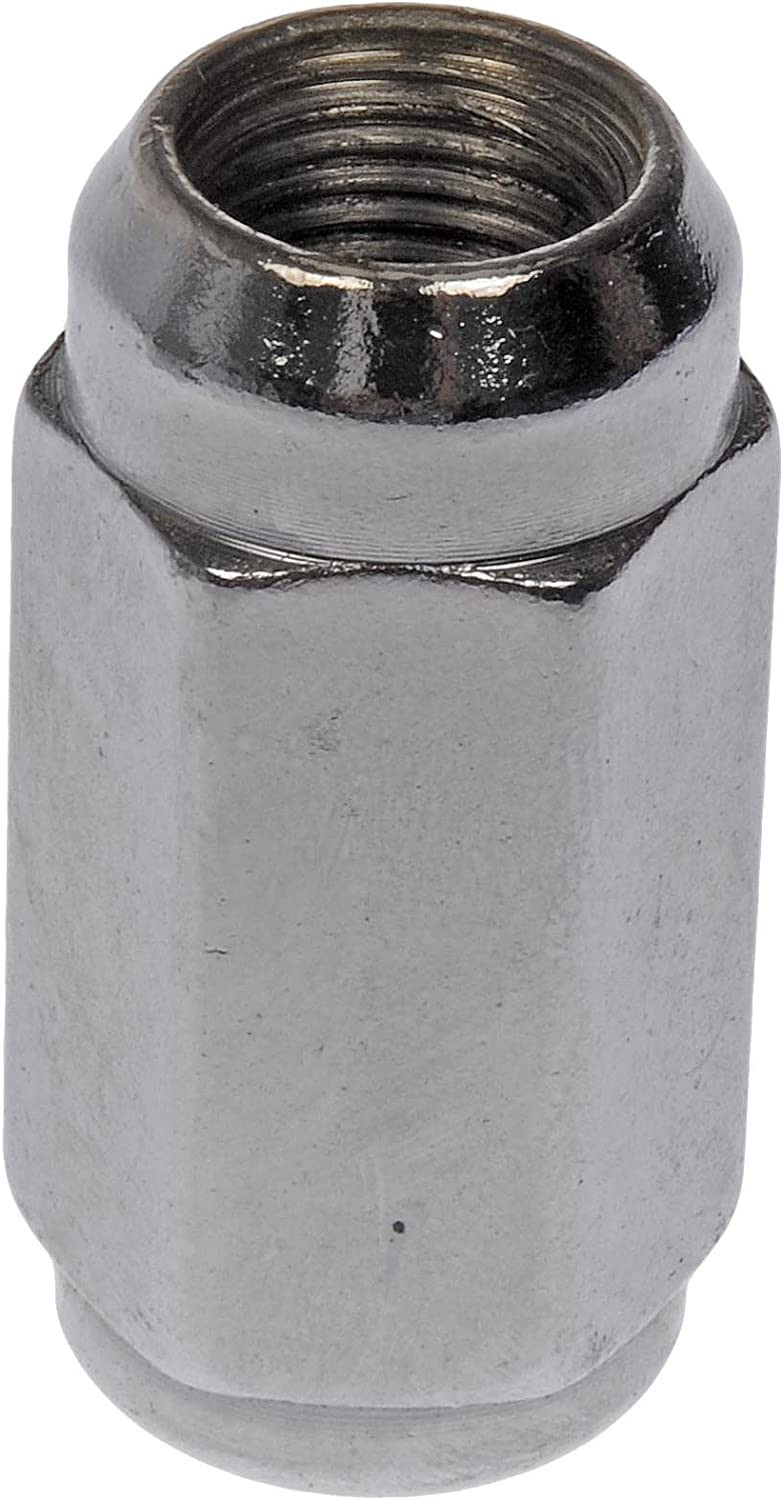
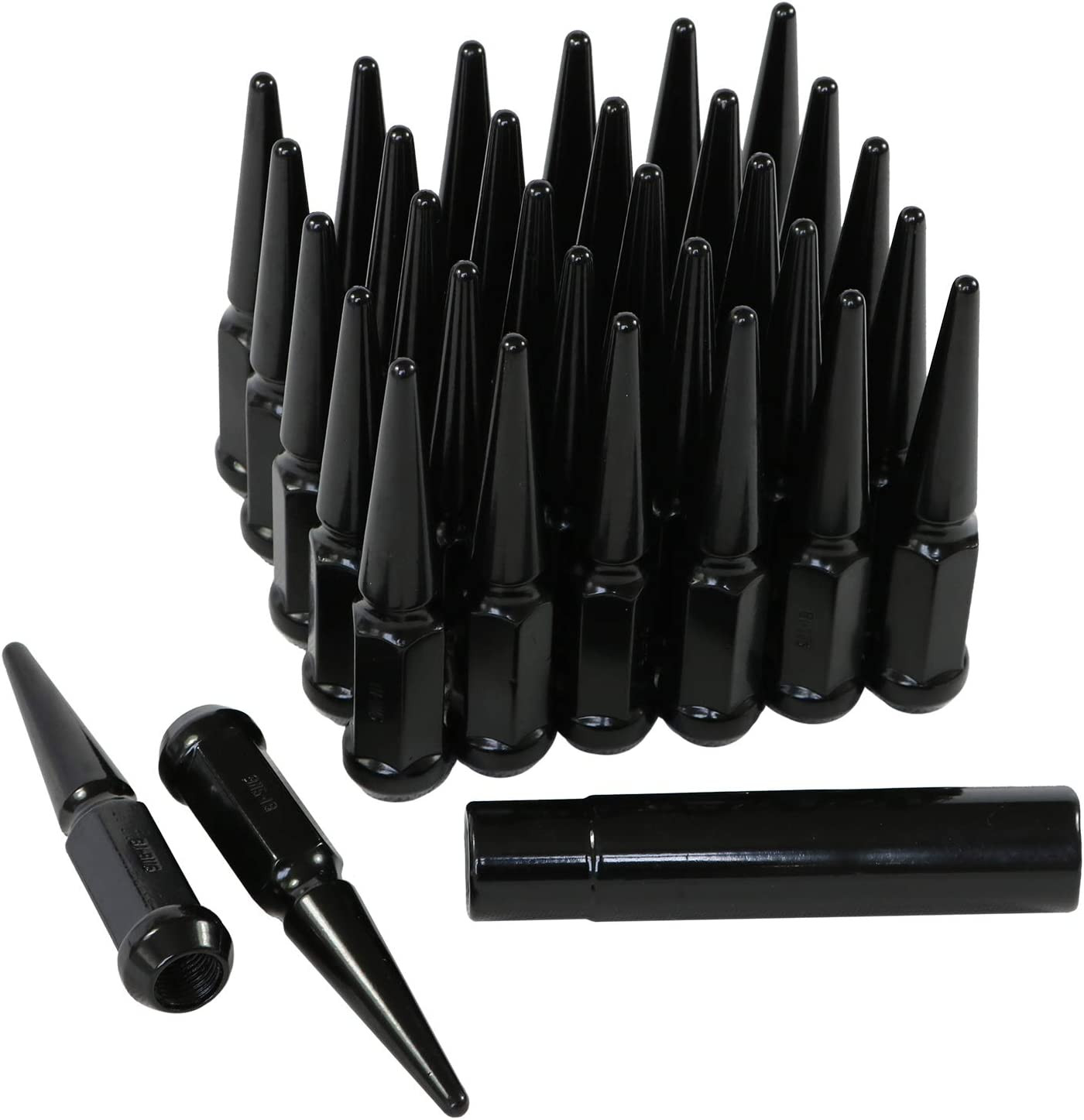
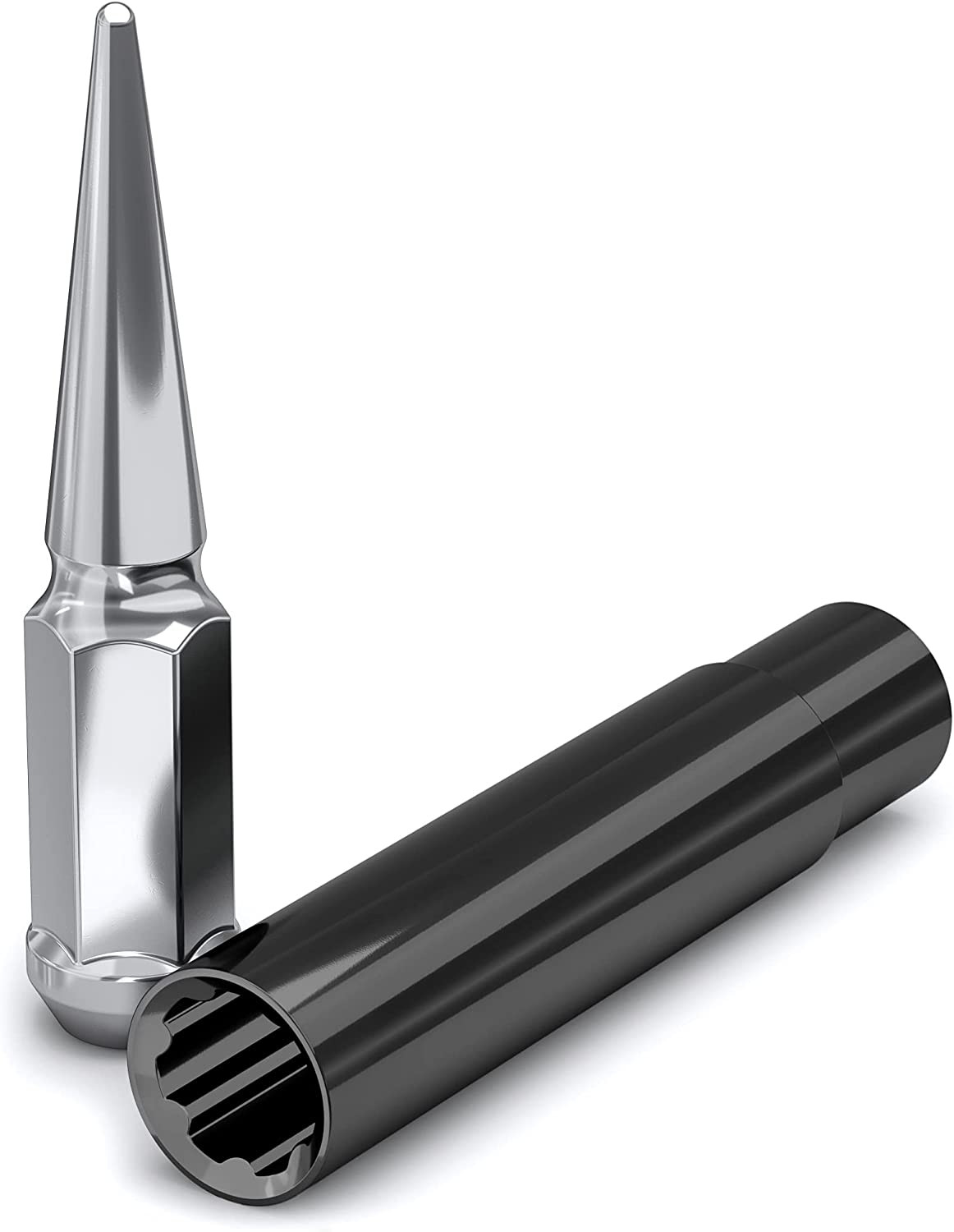
- Confirm center bore and lug hardware: Aftermarket wheels with a larger center bore than 121.3 mm may need hub-centric rings. Keep M14 x 1.5 threads and the correct lug nut seat style for the wheel.
- Evaluate load rating: Wheel and tire load ratings should meet or exceed the axle and GVWR requirements for your truck. Do not downsize load capacity.
Fitment Checklist Before You Buy
Run through this list to avoid returns and safety issues. If any item is uncertain, use the calculator for geometry and verify specifications with OEM sources.
- Exact bolt pattern 8x165.1 mm.
- Center bore 121.3 mm or larger. If larger, plan for hub-centric rings sized to 121.3 mm if the wheel is designed to run hub-centric.
- Thread size M14 x 1.5 and correct lug nut seat type for your wheel design. Do not mix conical, mag, or spherical seats.
- Brake and knuckle clearance at full lock and through suspension travel. Measure inner barrel diameter and spoke-to-caliper clearance.
- Fender and bumper clearance with the intended tire size. Check at full lock, on compression and articulation.
- Load ratings for wheels and tires that meet or exceed your truck’s requirements, including towing and payload.
- SRW vs DRW: Dually wheels are not interchangeable with single rear wheel setups. Confirm part numbers and offsets specific to your axle.
- TPMS compatibility and service kits if equipped.
- Spare tire well and carrier clearance for your chosen size.
Plus Sizing And Common Upgrades
Plus sizing replaces the wheel with a larger diameter and uses a lower-profile tire so overall tire diameter remains close to stock. You can also go wider for more footprint, but that moves the tire closer to suspension parts and fenders depending on offset. Because the 2007 Ram 3500 was available with different OEM packages, first identify whether your baseline is a 17 inch or 18 inch setup, then model upgrades in the calculator.
- If moving up in wheel diameter, use the calculator to choose a tire with a lower aspect ratio so the overall diameter stays near your OEM baseline.
- If increasing wheel width, offset changes are needed to balance inner clearance and outer poke. Use the calculator’s inner and outer position deltas to ensure safe clearance.
- Off-road oriented sizes can require trimming, bump stop adjustments, or lift components. Verify with your suspension vendor and test clearances carefully.
Installation Tips
Work on a cool vehicle on level ground. Chock wheels and support the truck with appropriately rated jack stands. Never rely on a jack alone.
- Clean the hub face and wheel mounting pad. Remove rust and debris so the wheel seats flush.
- Dry threads only unless an OEM service document instructs otherwise. Confirm torque and any lubrication guidance in the factory manual.
- Hand start all lugs, then snug in a star pattern. Final torque in a star pattern to the OEM specification for your truck.
- If using hub-centric rings, install the correct 121.3 mm inner size and ensure they seat fully.
- After installation, turn steering lock to lock and check for rubbing. Road test gently and re-torque lug nuts after 50 to 100 miles.
- Set tire pressures to the values on your door-jamb placard unless your loading requires different pressures per OEM guidance.
Tools And Helpful Supplies
FAQs
What is the bolt pattern on a 2007 Dodge Ram 3500?
8x165.1 mm according to the data provided here. Match this exactly for safe fitment.
My tire placard shows 17 inch tires but I see 18 inch wheels listed above. Which is correct?
Both may be correct for different OEM packages. Use your truck’s door-jamb placard and the wheels currently installed to identify your baseline, then use the calculator to compare any changes.
Will 8x170 or 8x180 wheels fit my truck?
No. Those bolt patterns do not match 8x165.1 mm. Do not attempt to force fit or use wobble hardware on a heavy duty application.
Do I need hub-centric rings for aftermarket wheels?
If the wheel’s center bore is larger than 121.3 mm and the wheel is designed to run hub-centric, use rings sized to 121.3 mm. If the wheel is properly lug-centric, follow the wheel manufacturer’s guidance.
What offset should I use with wider wheels?
The provided OEM offset is ET 45 mm for a 7.5 inch wheel. Changing width or offset moves the wheel inward or outward. Use the calculator to see inner and outer position changes, then verify brake, suspension and fender clearances on your truck.
Are single rear wheel and dually wheels interchangeable?
Generally no. DRW wheels use different offsets and mounting designs. Use parts that match your axle type and verify with OEM part numbers.
Can I downsize from 18 inch wheels to 17 inch wheels or vice versa?
Possibly, if brake caliper and rotor clearance allow and the overall tire diameter remains close to stock. Test fit and use the calculator to model the tire size needed. Confirm with OEM guidance.
What torque should I use on the lug nuts?
Follow the factory service manual or door-jamb label for your exact torque specification. Do not guess. Re-torque after 50 to 100 miles.