2013 Ford Taurus Wheel Fitment Guide
Use this guide to review the known wheel and tire fitment information for a 2013 Ford Taurus. The data below may be partial or may vary by trim, package, or replacement-wheel configuration. Always confirm the vehicle label, owner’s manual, wheel markings, and current OEM parts information before purchasing.
Known OEM Fitment For 2013 Ford Taurus
| Specification |
Known value |
Important note |
| Bolt pattern |
5x114.3 |
Five studs on a 114.3 mm pitch circle diameter. |
| Center bore |
63.4 mm |
Confirm whether an aftermarket wheel uses the correct bore or requires an appropriate hub-centric ring. |
| Thread size |
M12 x 1.5 |
Confirm lug nut thread and seat style before installation. |
| Rim diameter |
18 inches |
May vary by trim or wheel package. |
| Rim width |
8.0 inches |
Verify the marking cast or stamped on the wheel. |
| Wheel offset |
ET39 |
Offset affects inner clearance, outer poke, steering feel, and suspension clearance. |
| Backspacing |
5.54 inches |
Check this value against the wheel’s actual width and offset. Backspacing measurements can vary depending on how they are taken. |
| Tire section width |
235 mm |
This is the nominal tire width, not the exact measured tread width. |
| Tire aspect ratio |
60 |
Sidewall height is 60 percent of the tire section width. |
| Tire rim diameter |
17 inches |
This conflicts with the 18-inch rim diameter listed above. Confirm the correct tire and wheel size for the specific vehicle and trim before ordering. |
Because the supplied data lists both an 18-inch rim and a 17-inch tire rim diameter, do not assume that 235/60R17 is the correct tire size for every 2013 Ford Taurus. Read the tire sidewall, inspect the wheel marking, check the vehicle tire-information label, and verify the trim-specific information through Ford or another reliable OEM parts source.
How To Use The Wheel Interchange Calculator
Use the on-page calculator to compare wheels from a donor vehicle with wheels installed on your 2013 Ford Taurus. Enter the donor wheel diameter, width, and offset, then enter the Taurus values you are comparing against. The calculator can show how the proposed wheel changes inner clearance and outer position, but it does not replace a physical clearance check.
- Start with the donor vehicle and its wheel diameter, width, and offset.
- Enter the known Taurus values, or select the closest verified vehicle configuration available on the page.
- Use Custom wheel size when the donor wheel or proposed aftermarket wheel is not listed.
- Enter custom tire section width and aspect ratio when comparing a different tire size.
- Remember that changing rim diameter updates the calculated tire diameter comparison. A larger rim does not automatically mean a larger overall tire diameter because tire sidewall height also changes.
- Use the results as a screening tool. Check brake, strut, control-arm, fender, and steering clearance with the wheel temporarily installed before driving.
If a calculator result differs from a vehicle label or OEM source, treat the vehicle-specific source and direct measurements as controlling. Unknown trim information should be confirmed before purchase.
Fitment Checklist Before You Buy
- Confirm the 5x114.3 bolt pattern and verify that the wheel has five correctly positioned mounting holes.
- Confirm the 63.4 mm hub requirement and determine whether the wheel is hub-centric or needs properly sized hub-centric rings.
- Verify the wheel offset, width, and diameter from the wheel manufacturer or wheel markings.
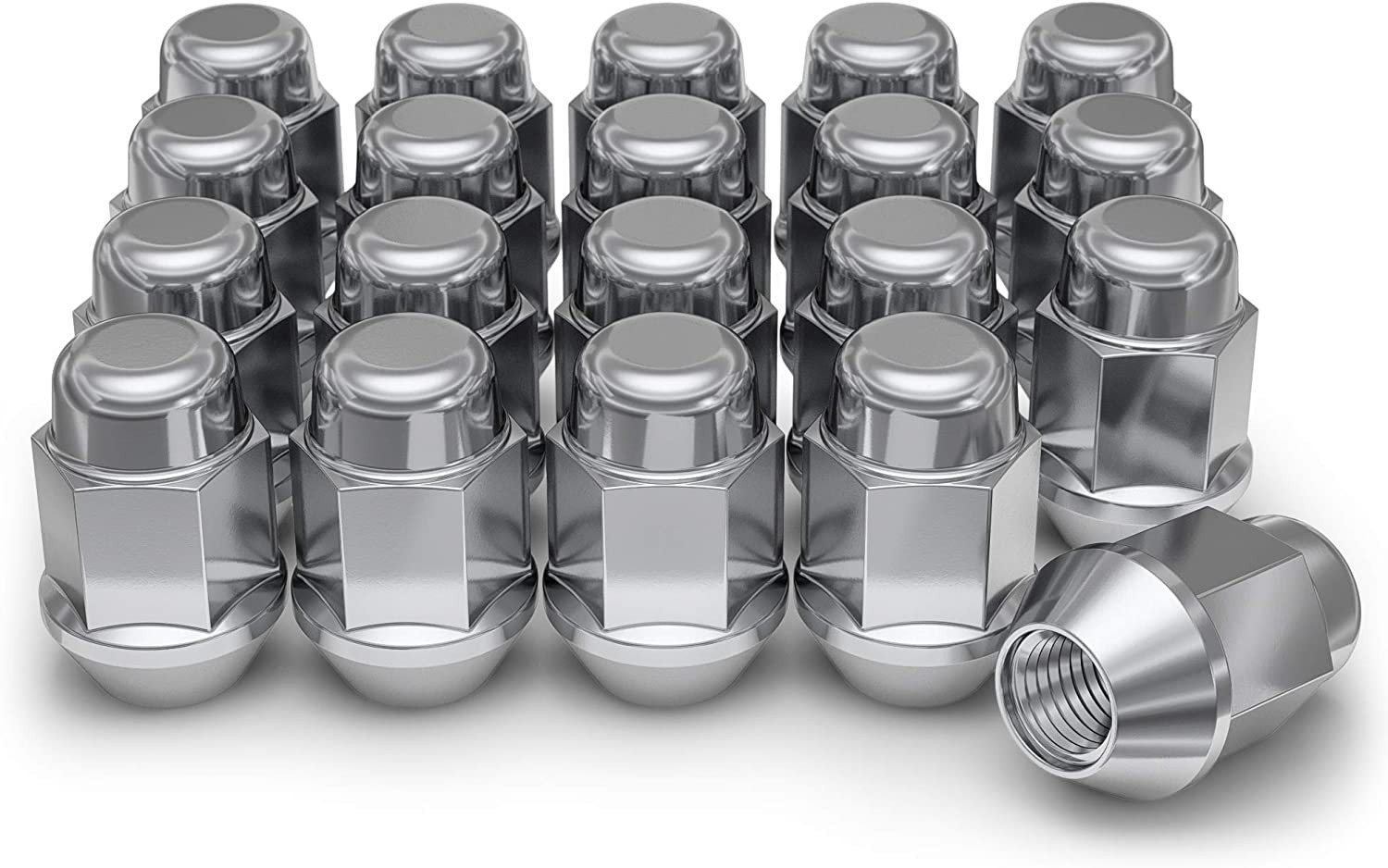
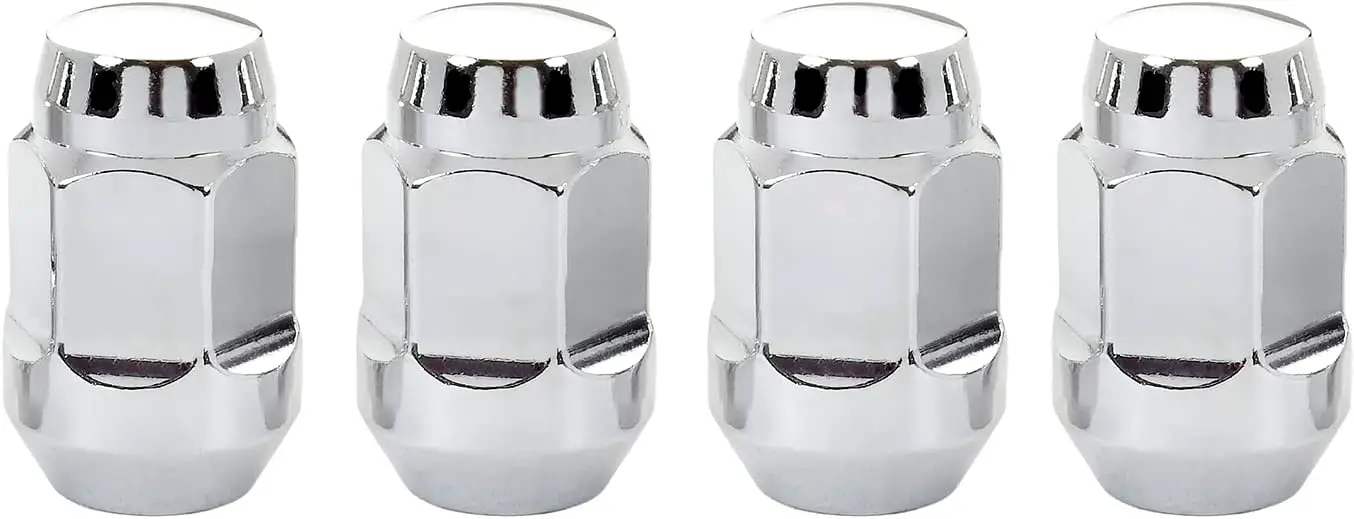
- Confirm the lug nut thread size is M12 x 1.5 and match the lug nut seat to the wheel seat. Thread size alone does not confirm seat compatibility.
- Resolve the supplied 17-inch versus 18-inch size discrepancy using the door-jamb tire label, owner’s manual, tire sidewall, wheel markings, and OEM parts information.
- Check load rating and speed rating for both the wheel and tire. Do not use a wheel or tire with an unknown or inadequate rating.
- Check brake caliper clearance, spoke clearance, strut clearance, inner sidewall clearance, and fender clearance.
- Confirm that the tire size maintains acceptable overall diameter and does not interfere with the vehicle’s suspension or bodywork.
- Make sure the wheel does not require spacers or adapters. If such parts are considered, use only vehicle-specific, properly rated components and follow their instructions.
Plus Sizing And Common Upgrades
Plus sizing usually means fitting a larger wheel diameter with a lower-profile tire while keeping the overall tire diameter reasonably close to the verified original configuration. The correct target cannot be determined from the partial data alone because the supplied information includes both 17-inch and 18-inch rim references.
Use the calculator to compare custom wheel diameter, width, and offset, then enter the proposed tire section width and aspect ratio. Review the change in overall diameter, sidewall height, inner clearance, and outer position. A wider wheel or tire may improve appearance or handling but can increase the risk of rubbing, road-impact damage, steering effort, and reduced ride comfort.
Do not choose a tire solely because its diameter appears close. Confirm that the tire is approved for the wheel width, fits inside the wheel well through the full steering range, and meets the vehicle’s load and speed requirements. The final tire size should be confirmed against OEM guidance and the tire manufacturer’s fitment data.
Installation Tips
- Inspect the hub face and wheel mounting surface. Remove rust, dirt, paint buildup, and debris without damaging the mating surfaces.
- Install wheels with the correct lug nuts and seat type. Never force incompatible lug nuts onto a wheel.
- Hand-start every lug nut to avoid cross-threading. Do not use an impact tool to begin the threads.
- Tighten lug nuts in a star or crisscross sequence, then torque them to the vehicle or wheel manufacturer’s specified value. The correct torque value is not provided here, so confirm it through the owner’s manual, Ford service information, or the wheel manufacturer.
- After installation, rotate the steering from lock to lock and inspect for contact. Check clearance with the suspension loaded as appropriate.
- Verify tire pressure using the vehicle tire-information label, not the maximum pressure molded into the tire sidewall.
- Recheck lug nut torque after the first short drive and again according to the wheel manufacturer’s instructions.
- Stop driving if the vehicle vibrates, pulls, makes contact noises, or shows signs of loose hardware.
Tools And Helpful Supplies
Useful supplies may include a calibrated torque wrench, a suitable socket, a tire-pressure gauge, a tread-depth gauge, a straightedge or ruler for clearance checks, and hub-cleaning tools. A wheel installation should be performed on a stable surface with the vehicle properly supported by rated jack stands. Never work under a vehicle supported only by a jack.
FAQs
What is the bolt pattern for the 2013 Ford Taurus?
The known bolt pattern provided for the 2013 Ford Taurus is 5x114.3. Confirm the vehicle configuration and wheel specifications before ordering.
What is the center bore?
The known center bore is 63.4 mm. An aftermarket wheel with a larger bore may require correctly sized hub-centric rings, while a wheel with a smaller bore will not fit over the hub.
What lug thread size is listed?
The supplied thread size is M12 x 1.5. Confirm the lug nut seat style and the vehicle-specific torque specification before installation.
Is the correct wheel size 17 or 18 inches?
The supplied information lists an 18-inch rim diameter but also lists a 17-inch tire rim diameter. This is an unresolved conflict, not a confirmed universal fitment. Check the door-jamb label, tire sidewall, wheel markings, owner’s manual, and OEM parts sources for the specific Taurus trim.
Can I use any 5x114.3 wheel?
No. Matching the bolt pattern is only one part of fitment. You must also verify center bore, wheel width, offset, brake clearance, lug nut seat, load rating, tire size, and clearance through the full steering and suspension range.
How can I compare a custom wheel?
Use the on-page calculator’s Custom wheel size fields to enter diameter, width, and offset. Enter the proposed tire section width and aspect ratio in the custom tire fields. Review the calculated changes, then physically test-fit the wheel and confirm manufacturer specifications.
Does a larger wheel always increase tire diameter?
No. A larger wheel can be paired with a lower-profile tire, producing a similar overall tire diameter. In the calculator, changing rim diameter updates the tire diameter comparison, but the final tire size still must be checked against OEM and tire manufacturer guidance.
Do I need wheel spacers?
Do not assume spacers are required or safe. First confirm whether the proposed wheel clears the brakes, suspension, and fenders at its specified offset. If spacers are considered, use only properly rated, vehicle-appropriate components and follow their installation instructions.