2020 Dodge Durango Wheel Interchange and Fitment Guide
Known OEM Fitment For 2020 Dodge Durango
The values below reflect an OEM 2020 Durango configuration that is known. Other factory wheel and tire packages may exist by trim or option package. If your Durango shows different sizes on the door-jamb label or in your owner’s manual, use those OEM values as your baseline and verify with the on-page calculator.
| Bolt pattern | 5x127 mm, also referred to as 5x5 in |
| Center bore | 71.6 mm |
| Thread size | M14 x 1.5 |
| Rim diameter | 18 in |
| Rim width | 8.0 in |
| Wheel offset, ET | 56 mm |
| Backspacing | 6.2 in |
| Tire size | 265/60R18 |
If any of these values differ on your specific vehicle, note your actual OEM specs, then compare against potential wheels and tires in the calculator before purchasing or installing.
How To Use The Wheel Interchange Calculator
The calculator helps you compare a potential wheel and tire setup against your 2020 Durango. It models changes to clearance, poke, and tire diameter so you can avoid rubbing and safety issues.
- Set Installed on (your vehicle) to 2020 Dodge Durango, then confirm the OEM wheel and tire fields match your door-jamb label or owner’s manual. If they differ from the values above, use your exact OEM data.
- Choose Wheels from (donor vehicle) if you are evaluating take-off wheels, or leave it blank and use Custom wheel size to try a new rim diameter, rim width, and offset.
- Adjust Custom tire size if you plan to change section width or aspect ratio. When you change rim diameter, the tool updates tire diameter in the comparison so you can keep overall diameter within your target.
- Review the outputs that show inner clearance to suspension and brakes, and outer poke relative to the fender. Aim to keep enough inner clearance for suspension travel and brake hardware while avoiding outer poke that could contact the fender or mud flaps.
- Use the tire diameter comparison to keep the overall tire diameter close to OEM to help maintain speedometer, ABS, and transmission behavior. Many installers target minimal change, then verify with a test drive and scan tool as needed.
Fitment Checklist Before You Buy
- Bolt pattern must be 5x127. Similar patterns like 5x120 or 5x130 will not fit safely.
- Center bore is 71.6 mm. If the new wheel’s bore is larger, use 71.6 mm hub-centric rings that match the wheel bore. If it is smaller, the wheel will not seat on the hub.
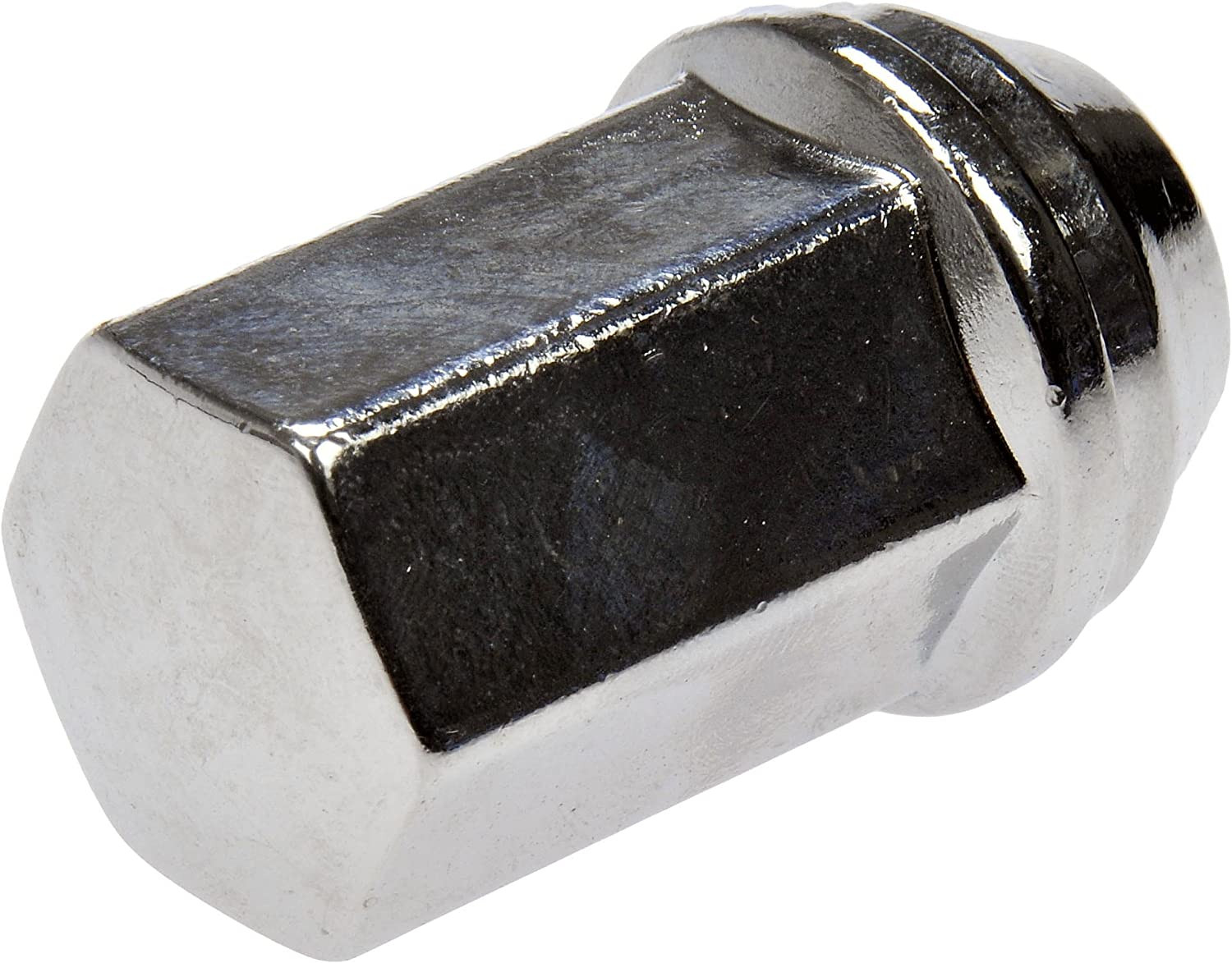
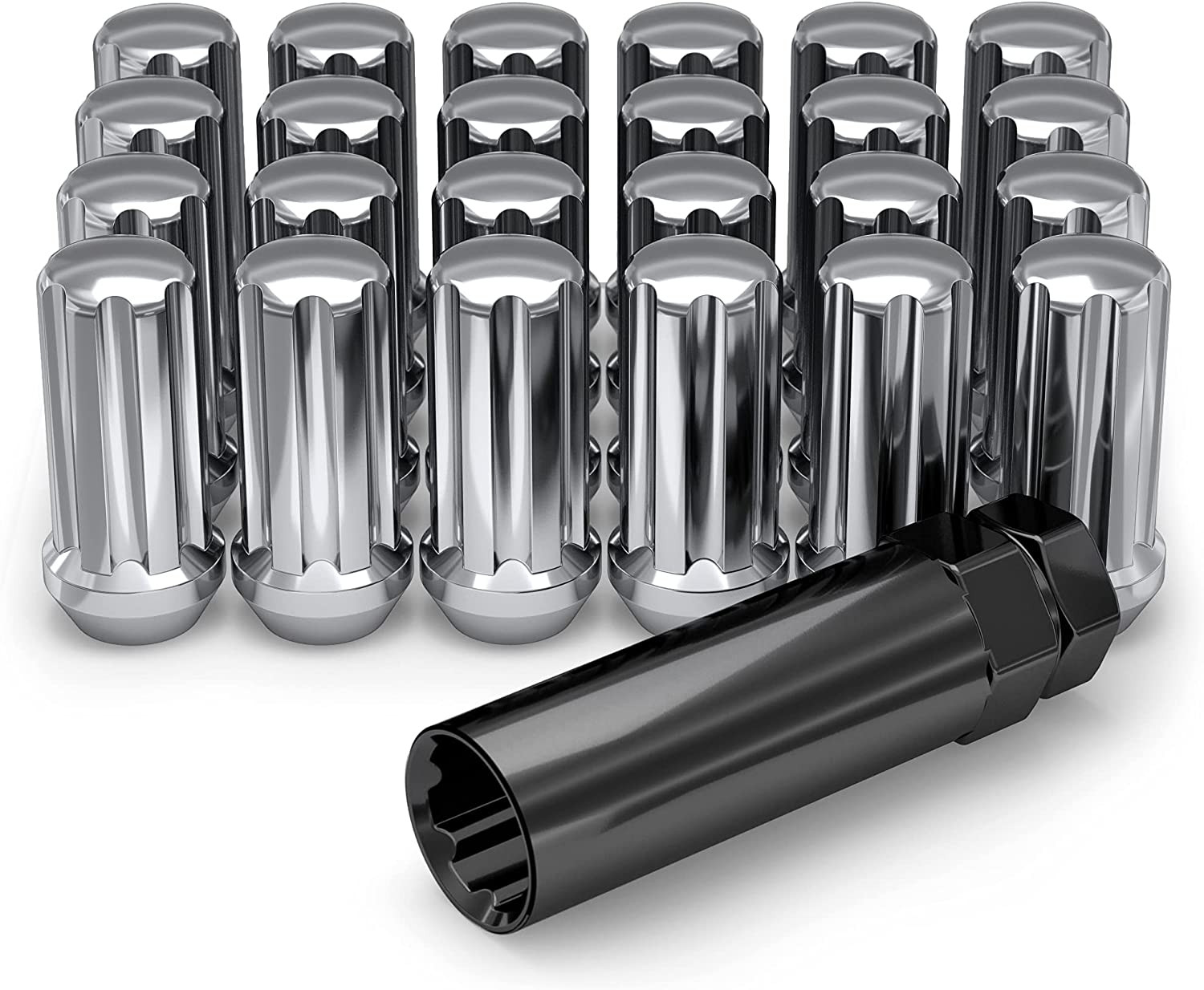
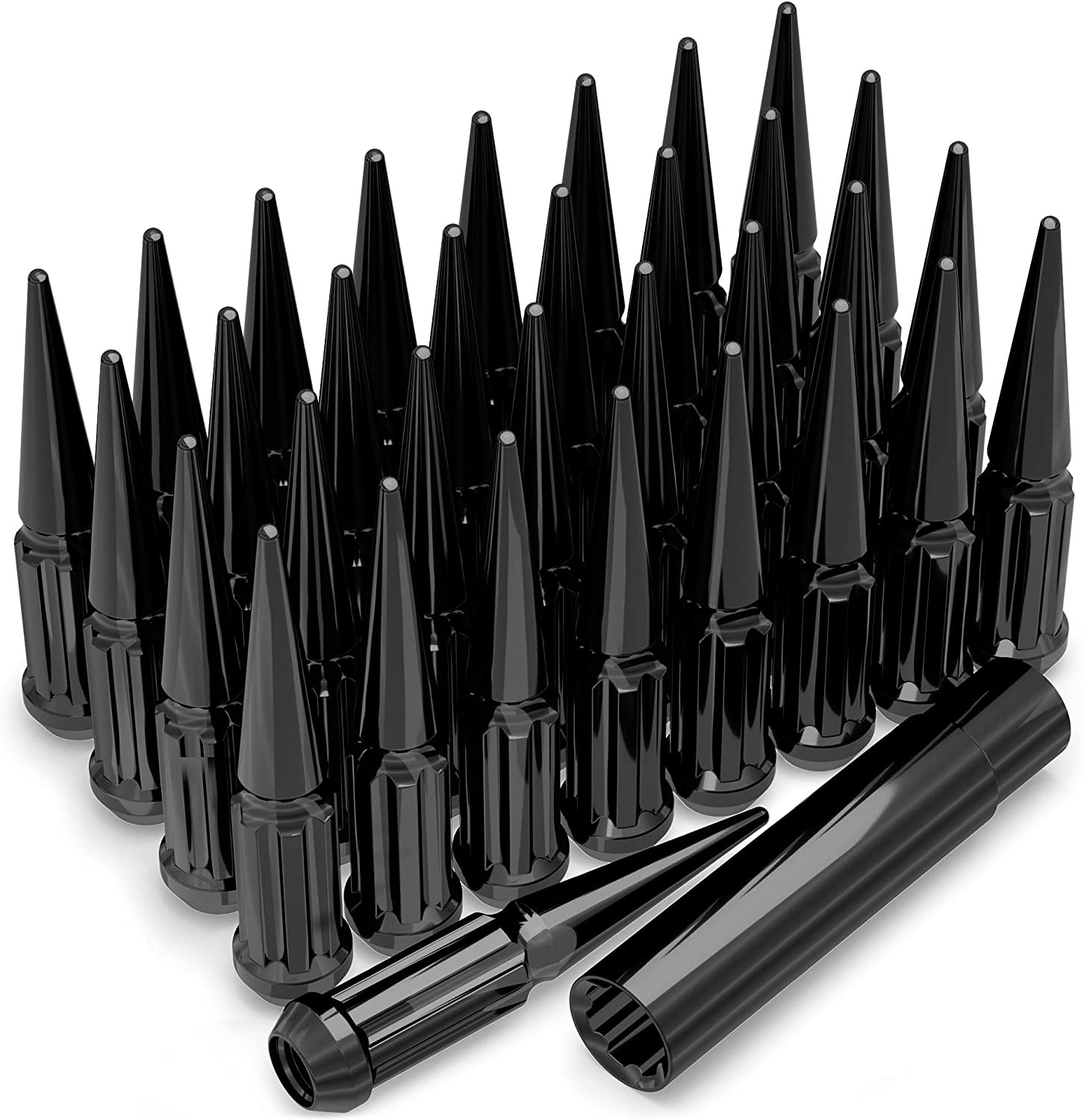
- Thread size is M14 x 1.5. Use lug nuts that match both the thread and the wheel’s seat type. Do not mix conical, ball, or mag seats.
- Offset and width changes affect inner clearance and outer poke. Verify in the calculator and by physical measurement at the tightest points: front knuckle, strut, brake caliper, and fender liner at full lock and full compression.
- Brake clearance. Many aftermarket designs require a template to confirm caliper clearance. If a template is available from the wheel maker, print and check before buying.
- Load rating. Ensure wheels and tires meet or exceed the axle and GVWR requirements for the Durango.
- TPMS compatibility. Plan to transfer, clone, or replace sensors compatible with your Durango model year.
- Tire overall diameter and circumference. Keep changes small to limit speedometer error. Use the calculator to quantify the difference.
- Spare tire and rotation strategy. If you change diameters front to rear or use staggered widths, plan for a compatible spare and rotation pattern.
Plus Sizing And Common Upgrades
Plus sizing increases rim diameter while adjusting tire aspect ratio to keep overall tire diameter close to stock. This can improve handling response at the cost of ride compliance. The correct sizes for your Durango depend on brake package, suspension, and fender clearance, which can vary by trim.
- Use the calculator to try a Plus 1 or Plus 2 approach. Increase rim diameter step by step, then reduce tire aspect ratio until the overall diameter remains near OEM.
- When increasing rim width, adjust offset to maintain inner clearance to the strut and outer clearance to the fender. A lower offset moves the wheel outward, a higher offset moves it inward.
- Maintain or increase tire load index and speed rating compared with OEM. Do not downrate.
- If you plan to tow, prioritize load rating and sidewall strength. Verify at full steering lock, with cargo, and on ramps or driveways where suspension compression is greatest.
- Because factory packages can differ, confirm any larger diameter or wider setups against your exact OEM configuration using the on-page calculator and, if needed, an installer’s physical test fit.
Installation Tips
- Test fit one front corner before mounting tires on all wheels. Spin the wheel by hand, check caliper clearance, turn lock to lock, and compress the suspension if possible.
- Clean the hub face and the wheel mounting pad. Remove rust and debris to prevent runout. Do not stack paint or powder on the pad.
- If using hub-centric rings, seat them fully on the wheel, then align to the 71.6 mm hub. Rings are alignment aids, not structural supports. Proper clamping comes from correct lug torque.
- Hand start all lug nuts, then snug in a star pattern. Torque to the OEM specification from the owner’s manual or service manual. Recheck torque after 50 to 100 miles.
- Verify TPMS operation and perform relearn or sensor programming as required for your vehicle and tools.
- After installation, drive slowly in tight circles and over small bumps to listen for rubbing. Inspect inner liners and brake hose clearance.
Tools And Helpful Supplies
FAQs
What is the bolt pattern on the 2020 Dodge Durango?
It is 5x127 mm, also called 5x5 inches.
What center bore do I need and do I need rings?
The Durango hub is 71.6 mm. If your wheel’s center bore is larger than 71.6 mm, use hub-centric rings sized 71.6 mm to the wheel’s bore. If the wheel bore is smaller, the wheel will not fit the hub.
What is the thread size and which lug nuts should I use?
The thread is M14 x 1.5. Use lug nuts that match this thread and the wheel’s seat type. Check your wheel manufacturer’s seat specification and do not mix seat styles.
Will wheels listed as 5x5 fit my Durango?
5x5 is the inch equivalent of 5x127 mm. Bolt pattern is only one factor. You must also match center bore, offset, brake clearance, load rating, and lug hardware. Use the calculator and verify physically.
Can I run larger diameter wheels on my 2020 Durango?
Some trims may use different factory diameters. Because brake and suspension clearances can vary, confirm against your exact OEM setup with the on-page calculator and an installer test fit before buying.
What offset should I choose for aftermarket wheels?
The known OEM offset here is 56 mm for an 18x8.0 wheel. If you change width or offset, use the calculator to confirm inner clearance to the strut and outer poke relative to the fender. There is no single correct aftermarket offset for all setups.
What is the correct lug nut torque?
Torque specifications can vary. Do not guess. Use the value in your owner’s manual or an official service manual for the 2020 Durango, then recheck after 50 to 100 miles.
Do I need new TPMS sensors?
You can often reuse existing sensors if the wheels accept them and the seals are in good condition. If buying new sensors, ensure they are compatible with your 2020 Durango and follow the required relearn or programming procedure.
How close should my new tire diameter be to stock?
Keep it as close as practical to maintain speedometer, ABS, and transmission behavior. Use the calculator to quantify the difference and aim for minimal deviation, then validate with a test drive.