2014 Dodge Durango Wheel Fitment and Interchange Guide
This guide summarizes the known OEM wheel and tire reference data for the 2014 Dodge Durango. Fitment can vary by trim, brake package, suspension configuration, and wheel design. Use the on-page calculator to compare donor wheels with your vehicle, then confirm final specifications with the vehicle owner’s manual, the door-jamb tire label, and OEM or wheel-manufacturer documentation.
Known OEM Fitment For 2014 Dodge Durango
| Specification |
Known reference value |
| Bolt pattern, studs x PCD |
5x127 |
| Center bore |
71.6 mm |
| Thread size |
M14 x 2.00 |
| Rim diameter |
18 inches |
| Rim width |
8.0 inches |
| Wheel offset |
ET56, or 56 mm |
| Backspacing |
6.2 inches |
| Tire section width |
265 mm |
| Tire aspect ratio |
60 percent |
| Tire rim diameter |
R18 |
These are the known reference specifications supplied for this page and may not represent every 2014 Dodge Durango trim or package. A wheel must match the 5x127 bolt pattern and provide adequate center-bore, stud, thread, brake, suspension, and fender clearance. Do not rely on bolt pattern alone.
How To Use The Wheel Interchange Calculator
The calculator lets you compare Wheels from (donor vehicle) with Installed on (your vehicle). Start by selecting the donor vehicle and entering or confirming the wheel and tire specifications. Then select the 2014 Dodge Durango as the vehicle receiving the wheels.
- Compare rim diameter, rim width, and offset before checking tire dimensions.
- Review the bolt pattern and center bore. A matching bolt pattern does not guarantee safe physical fitment.
- Use the custom wheel size controls to enter a wheel’s diameter, width, and offset when the donor vehicle is not an exact match.
- Use the custom tire size controls to enter section width and aspect ratio.
- Changing rim diameter updates the tire diameter in the comparison, so review the resulting tire relationship rather than comparing wheel diameter alone.
- Use the calculator as a comparison tool, not as a substitute for a physical test fit or OEM confirmation.
When measuring a used wheel, read the markings on the back of the wheel or obtain the manufacturer’s specification sheet. If any value is unknown, do not assume it. Enter the confirmed value into the calculator or verify it through OEM documentation and the wheel manufacturer.
Fitment Checklist Before You Buy
Confirm every item below before ordering wheels, tires, spacers, or lug hardware:
- Verify the vehicle identification number, model year, trim, and brake package.
- Confirm the 5x127 bolt pattern and ensure the wheel’s lug-seat design matches the correct lug hardware.
- Confirm that the wheel center bore is appropriate for the vehicle. A larger bore may require correctly sized hub-centric rings, while a smaller bore will not fit over the hub.
- Check wheel offset, width, and backspacing for inner suspension and brake clearance as well as outer fender clearance.
- Confirm that the selected wheel clears the brake caliper and rotor. Spoke shape can affect clearance even when diameter and offset appear correct.
- Verify tire load capacity, speed rating, section width, aspect ratio, and approved rim-width range.
- Check that the overall tire diameter is appropriate for the vehicle and that all four tires are compatible with the drivetrain and vehicle systems.
- Inspect for contact at full steering lock, full suspension compression, and normal ride height.
- Confirm TPMS compatibility and whether sensors require programming or relearning.
- Check return policies before buying, especially for used wheels or special-order tires.
Plus Sizing And Common Upgrades
Plus sizing changes wheel diameter while maintaining a tire diameter that is close to the original target. It can improve appearance and steering response, but it may reduce sidewall height and ride comfort. A larger wheel can also increase the chance of wheel, tire, and suspension damage from potholes.
Do not select a plus-size combination from diameter alone. Enter the proposed wheel diameter, width, and offset in the calculator, then enter the proposed tire section width and aspect ratio. Compare the result with the known 18-inch by 8.0-inch wheel reference and 265/60R18 tire reference supplied above.
Common upgrades may include replacement wheels with a different finish, winter wheel packages, or wheels with a different diameter. No specific alternative wheel or vehicle list is provided here, so compatibility must be confirmed for the exact wheel part number and vehicle configuration. Check load rating, brake clearance, tire clearance, TPMS operation, and local legal requirements before installation.
Installation Tips
- Install wheels on a clean, dry hub face. Remove rust and debris without removing material from the hub or wheel.
- Hand-start every lug nut to avoid cross-threading. Do not use an impact tool to start lug nuts.
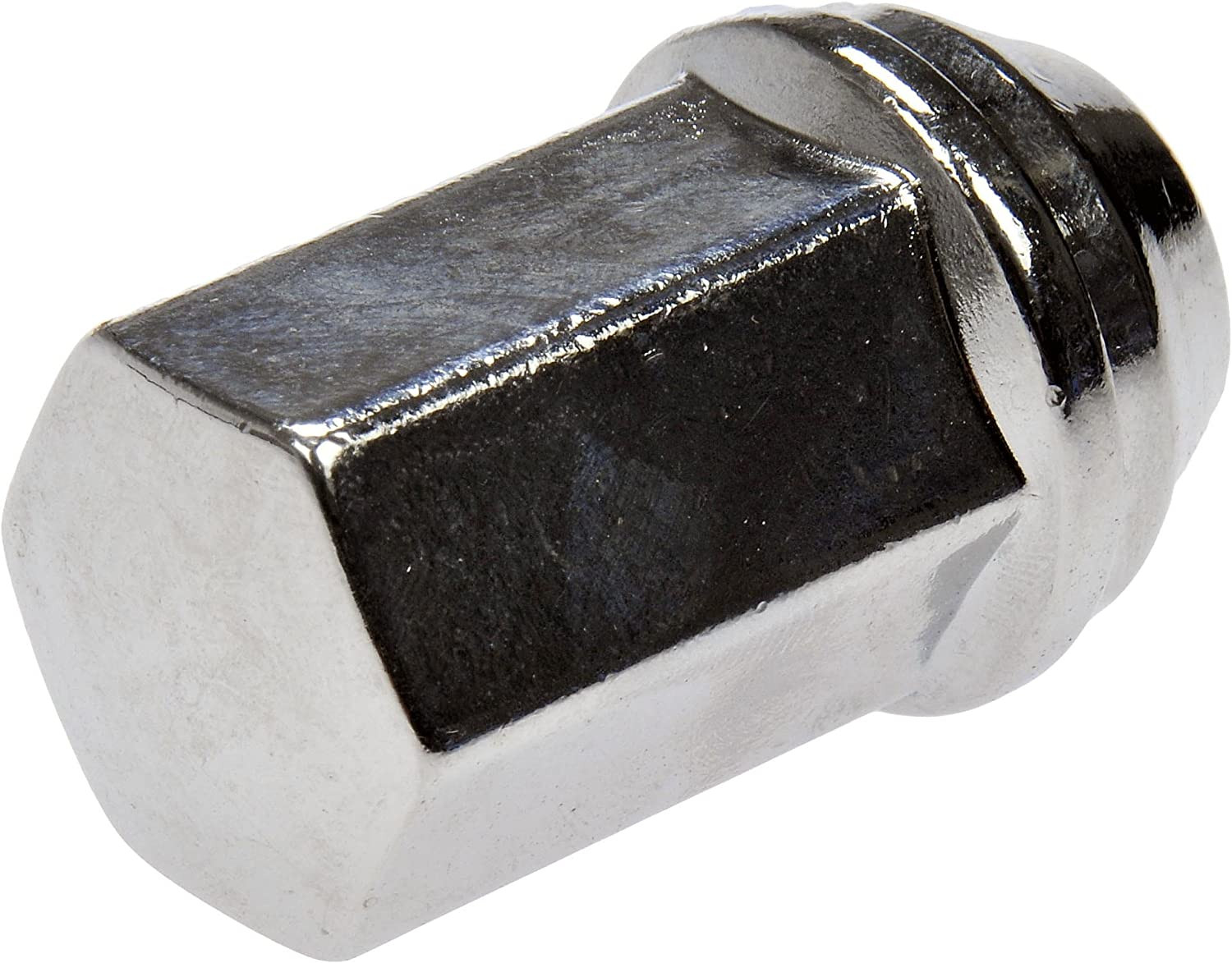
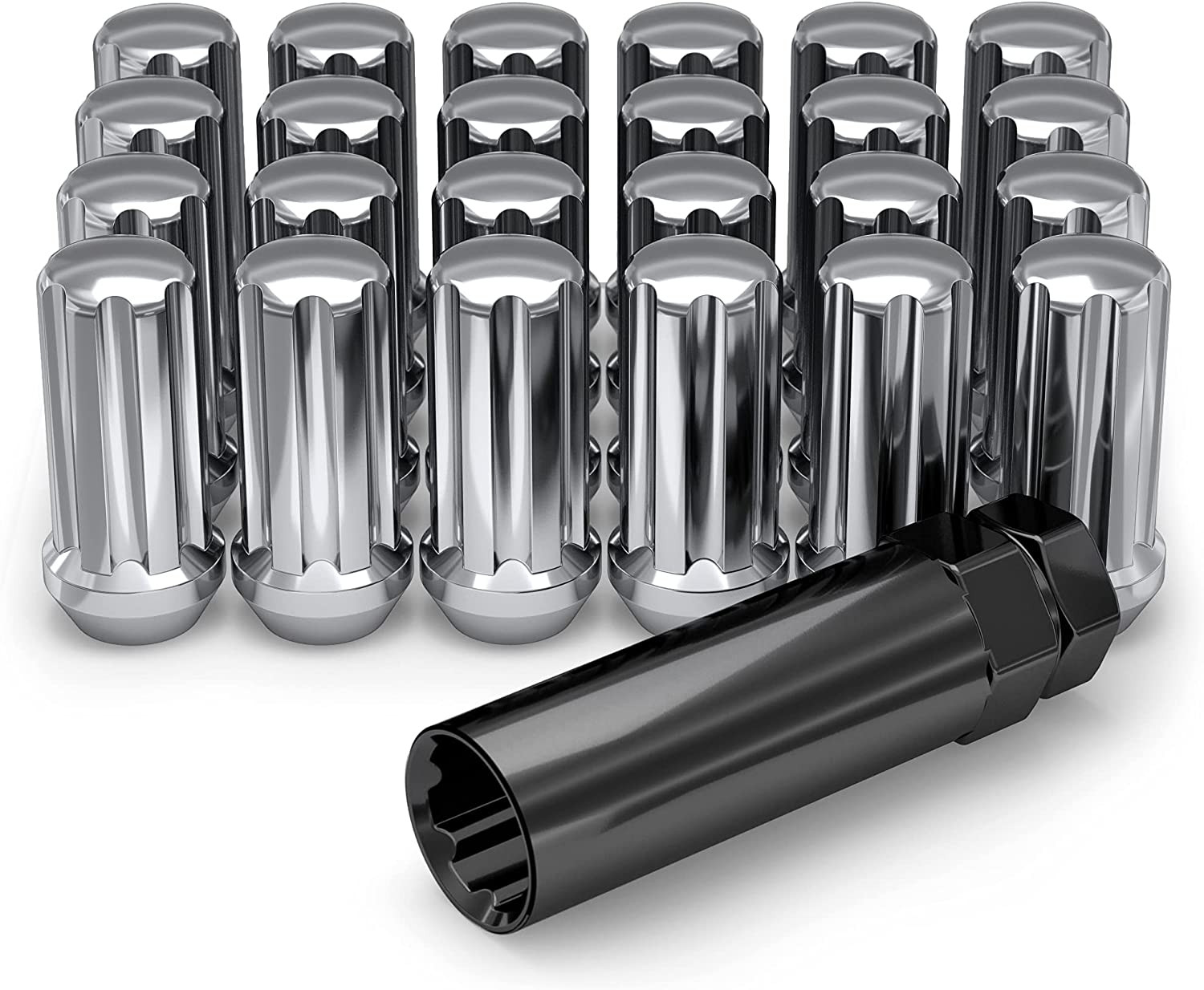
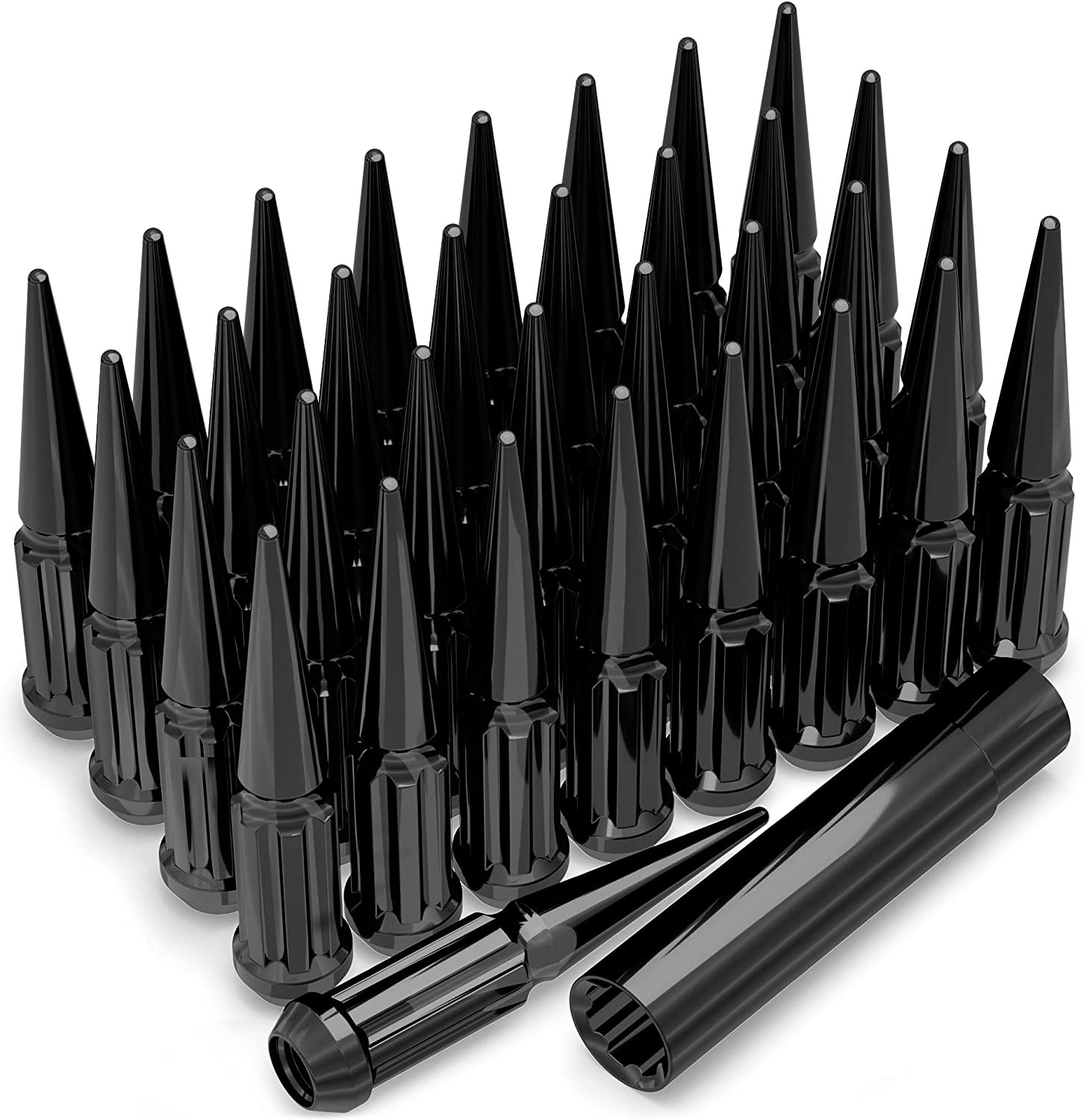
- Use only lug hardware with the correct thread size and seat type for the wheel. The known thread reference is M14 x 2.00, but the correct lug-seat design depends on the wheel.
- Torque lug nuts in the manufacturer-specified star or crisscross sequence using a calibrated torque wrench.
- Do not apply lubricant to lug threads or seats unless the vehicle or hardware manufacturer specifically requires it, because lubrication can change the applied clamping force.
- After installation, rotate the steering from lock to lock and inspect for contact. Check clearance again after a cautious road test.
- Recheck lug torque after the distance specified by the vehicle or wheel manufacturer and whenever the wheel has been removed.
- Set tire pressures according to the vehicle’s door-jamb label, not the maximum pressure molded on the tire sidewall.
- After changing tires or wheels, confirm TPMS operation and address any warning light before regular driving.
Tools And Helpful Supplies
A torque wrench, appropriate socket, jack, jack stands, wheel chocks, and a tire-pressure gauge are useful for safe wheel service. Use jack stands on a solid, level surface and follow the vehicle manufacturer’s lifting points. Never work under a vehicle supported only by a jack.
Helpful items may include a hub-cleaning brush, a tread-depth gauge, a wheel-fitment measuring tool, and correctly specified lug hardware. View automotive torque wrenches on Amazon and view automotive tire-pressure gauges on Amazon. Confirm tool specifications and compatibility before purchase.
FAQs
What is the bolt pattern for the 2014 Dodge Durango?
The known reference bolt pattern is 5x127. Confirm the exact vehicle configuration and compare the wheel’s complete specifications before purchase.
What is the center bore for the 2014 Dodge Durango?
The known reference center bore is 71.6 mm. A wheel with a smaller bore will not fit over the vehicle hub. A larger bore may require properly sized hub-centric rings when approved for the application.
What wheel size is listed for the 2014 Dodge Durango?
The supplied OEM reference is an 18-inch diameter wheel, 8.0 inches wide, with ET56 offset and 6.2-inch backspacing. These values may vary by trim or package, so verify them against the original wheel and OEM sources.
What tire size is listed in the known fitment data?
The supplied tire reference is 265/60R18, meaning a 265 mm section width, 60 percent aspect ratio, and 18-inch rim diameter. Confirm the required tire size and load rating using the door-jamb label and owner’s manual.
Can any 5x127 wheel fit the 2014 Dodge Durango?
No. Bolt pattern is only one part of fitment. Center bore, offset, backspacing, wheel width, brake clearance, lug-seat design, load rating, and tire clearance must also be correct.
Can I use a wheel with a different offset?
A different offset changes the wheel’s position relative to the suspension and fender. Enter the proposed diameter, width, and offset in the calculator, then physically verify brake, suspension, and fender clearance. Do not use spacers or adapters unless they are specifically engineered and approved for the application.
Will changing wheel diameter change tire size?
Yes. The calculator updates tire diameter when rim diameter changes. Select a tire that fits the new wheel, meets the vehicle’s load and speed requirements, and maintains an appropriate overall diameter for the vehicle.
Where can I confirm the final wheel and tire specifications?
Check the driver-side door-jamb label, owner’s manual, original wheel markings, vehicle identification information, and documentation from the wheel and tire manufacturers. If those sources conflict, stop and obtain clarification from an authorized Dodge service professional or the component manufacturer before installation.