2013 Dodge Durango Wheel Fitment Guide
Use this 2013 Dodge Durango wheel fitment information as a starting point for checking replacement wheels, winter wheels, and custom setups. The specifications below are the known OEM baseline provided for this page. Equipment can vary by trim, package, brake configuration, and market, so confirm the original wheel markings, tire placard, owner’s manual, and vehicle identification information before ordering.
Known OEM Fitment For 2013 Dodge Durango
| Specification |
Known value |
Why it matters |
| Bolt pattern, studs x PCD |
5x127 |
The replacement wheel must match the five-stud, 127 mm pitch circle diameter pattern. |
| Center bore |
71.6 mm |
The wheel’s center bore must fit the vehicle hub correctly. A larger bore may require correctly sized hub-centric rings, while a smaller bore will not fit over the hub. |
| Thread size |
M14 x 2.00 |
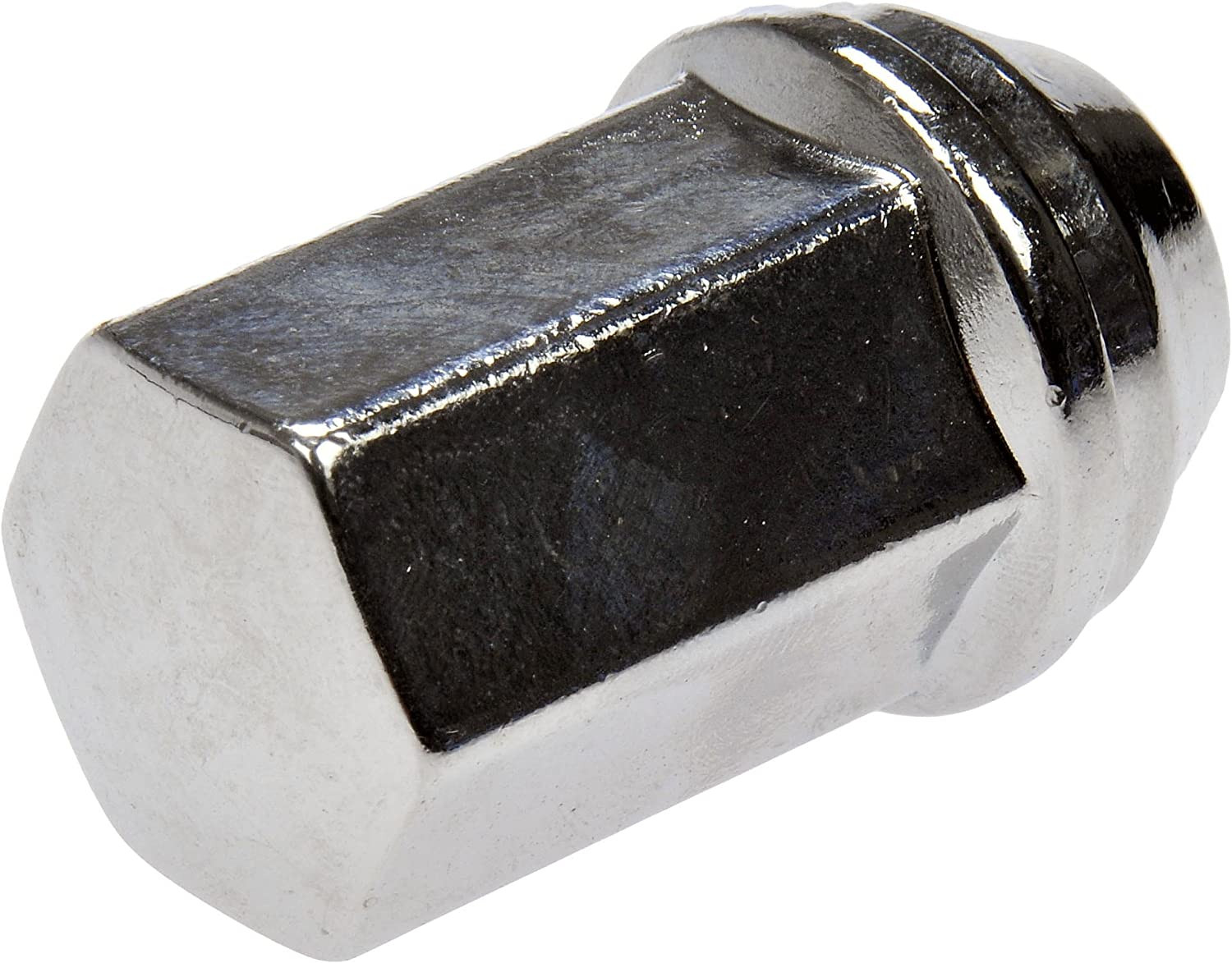
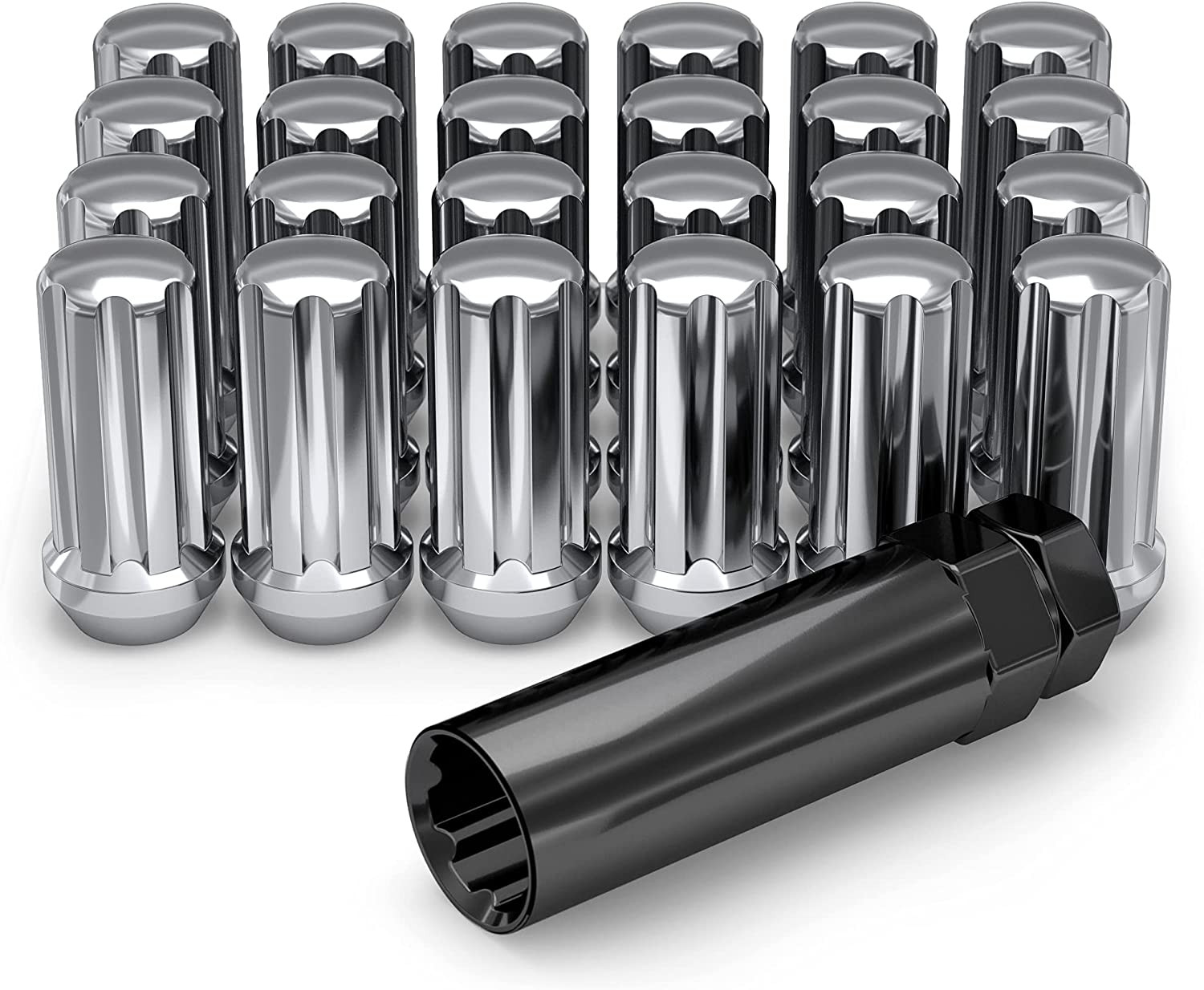
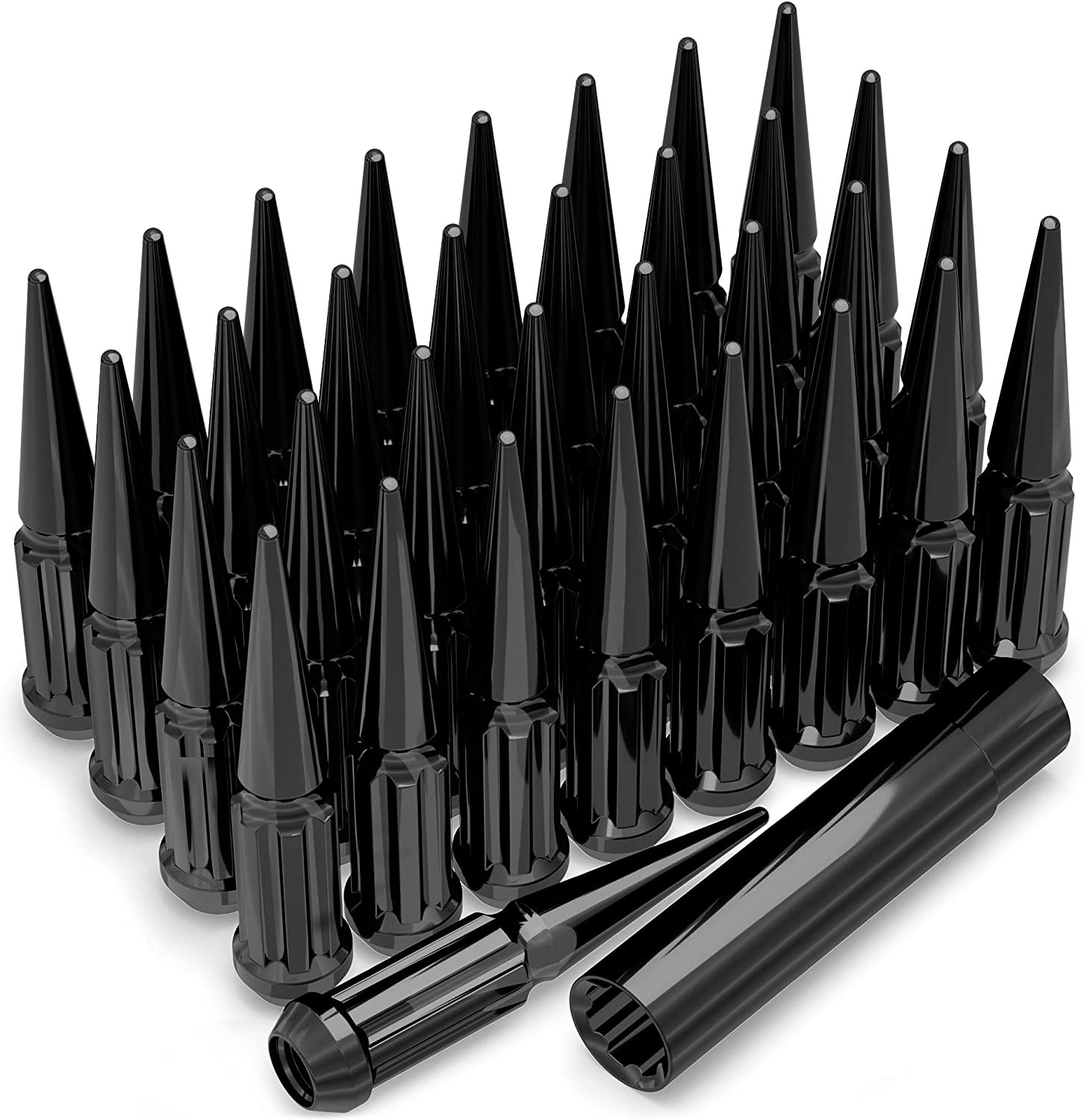
Verify that lug nuts or wheel hardware use the correct thread and the correct seat style for the wheel. |
| Rim diameter |
18 inches |
This is the known OEM rim diameter for the provided fitment data. |
| Rim width |
8.0 inches |
Wheel width affects tire compatibility, sidewall shape, clearance, and the position of the inner and outer rim edges. |
| Wheel offset |
ET56 mm |
Offset affects suspension clearance, fender position, steering feel, and scrub geometry. |
| Backspacing |
6.2 inches |
Backspacing helps estimate how close the inner wheel edge will be to suspension and brake components. |
| Known tire size |
265/60R18 |
The provided tire data is a 265 mm section width, 60 percent aspect ratio, and 18 inch rim diameter. |
These values should not be treated as a complete list of every 2013 Dodge Durango trim or factory wheel option. Check the tire and loading information label on your vehicle and compare the markings stamped or cast on the existing wheel. The calculator can help compare dimensions, but it cannot confirm brake clearance, load rating, tire approval, or every trim-specific requirement.
How To Use The Wheel Interchange Calculator
Use the calculator to compare a donor vehicle’s wheels with the wheel and tire setup you plan to install on your 2013 Dodge Durango. Start with the donor vehicle in “Wheels from” and your Durango in “Installed on.” Review the bolt pattern, center bore, wheel width, diameter, offset, and tire dimensions shown by the comparison.
- Enter or select the donor vehicle and record its wheel diameter, width, offset, bolt pattern, and center bore.
- Use the installed-vehicle fields for the 2013 Dodge Durango and compare the donor measurements with the known OEM values above.
- Use “Custom wheel size” when the donor wheel is aftermarket or when you are evaluating a different diameter, width, or offset.
- Use “Custom tire size” to compare section width and aspect ratio. A wider tire can reduce clearance even when the wheel itself fits.
- When you change rim diameter, review the updated tire diameter in the comparison. The tire must remain compatible with the selected wheel and vehicle systems.
A calculator result is a dimensional screening tool, not a safety certification. Before purchase, physically confirm clearance to the brake caliper, strut, control arms, steering components, suspension travel, and fender edges.
Fitment Checklist Before You Buy
Confirm every item below before ordering wheels or tires for a 2013 Dodge Durango:
- Verify the 5x127 bolt pattern and confirm that the wheel’s lug holes are designed for the correct hardware.
- Check the 71.6 mm hub relationship. Do not force a wheel with a smaller center bore onto the hub.
- Confirm the M14 x 2.00 thread size and match the lug nut seat type to the wheel.
- Compare diameter, width, offset, and backspacing rather than relying on wheel diameter alone.
- Confirm the wheel and tire load ratings meet or exceed the vehicle’s requirements shown on the vehicle label or in the owner’s manual.
- Check brake caliper clearance with the actual wheel design. Spoke shape and barrel shape can cause interference even when the basic dimensions appear correct.
- Check inner clearance to suspension components and outer clearance to the fender, liner, and mud flap through the full steering and suspension range.
- Confirm the tire size is approved for the wheel width and does not create speedometer, stability-control, or all-wheel-drive concerns.
- Inspect used wheels for cracks, bends, corrosion around the bead seat, damaged lug holes, and prior repairs.
- Confirm TPMS sensor compatibility and whether sensors require programming after installation.
Plus Sizing And Common Upgrades
Plus sizing means changing the wheel diameter while selecting a tire with a lower aspect ratio to keep overall tire diameter near the original specification. The calculator can show how a custom rim diameter changes the tire diameter, but the displayed comparison does not replace a vehicle-specific tire approval or clearance check.
Changing from the known 18 inch by 8.0 inch baseline can affect ride comfort, steering response, wheel weight, pothole resistance, brake clearance, and the likelihood of curb or rim damage. A wider wheel or tire may also move the inner edge closer to the suspension or the outer edge closer to the fender. A different offset changes both positions, so evaluate offset and backspacing together.
Do not select a tire solely because its numerical diameter is close to 265/60R18. Confirm the tire’s approved rim-width range, load index, speed rating, construction, and seasonal suitability. For exact replacement sizing, use the vehicle tire placard and OEM documentation for the specific Durango.
Installation Tips
- Install wheels on clean, dry hub and wheel mounting surfaces. Remove rust and debris without damaging the hub or wheel.
- Test-fit one wheel before mounting all four. Rotate the wheel by hand and inspect brake, suspension, and fender clearance.
- Install the correct lug nuts for the wheel’s seat design. Thread engagement must be appropriate for the vehicle and wheel hardware.
- Start lug nuts by hand to prevent cross-threading, then tighten in a star or crisscross pattern.
- Use the torque specification from the owner’s manual or an authorized Dodge service source. Do not substitute a guessed torque value.
- After installation, check tire pressure using the vehicle’s recommended cold pressure information.
- Recheck lug torque after the manufacturer or installer’s recommended break-in distance, and again after any wheel removal.
- Stop immediately if you feel vibration, rubbing, pulling, clicking, or steering changes. Reinspect fitment before driving further.
Tools And Helpful Supplies
Helpful equipment for a careful wheel-fitment inspection includes a calibrated torque wrench, suitable socket, jack and jack stands rated for the vehicle, wheel chocks, a tire pressure gauge, and a hub-cleaning brush. Use jack stands on a solid, level surface and follow the vehicle’s lifting-point instructions.
Never work beneath a vehicle supported only by a jack. If a wheel does not seat flush, do not draw it into place by tightening the lug nuts. Find and correct the interference or mismatch first.
FAQs
What is the known bolt pattern for the 2013 Dodge Durango?
The provided OEM fitment is 5x127. Confirm the pattern on the vehicle and wheel before purchase because a bolt pattern mismatch is unsafe and cannot be corrected by tightening different lug nuts.
What is the known center bore?
The provided center bore is 71.6 mm. A replacement wheel with a smaller bore will not fit over the hub. A larger bore may need properly sized hub-centric rings when appropriate for the wheel and application.
What is the known factory wheel and tire size?
The supplied baseline is an 18 inch diameter, 8.0 inch wide wheel with ET56 offset and 6.2 inch backspacing, paired with a known 265/60R18 tire size. Verify your specific vehicle label and existing wheel because trim and package equipment may vary.
Can I use any wheel with a 5x127 bolt pattern?
No. Bolt pattern is only one part of fitment. You must also check center bore, offset, backspacing, wheel width, brake clearance, lug hardware, load rating, and tire compatibility.
Will a larger wheel diameter fit?
It may, but diameter alone does not establish fitment. Use the calculator’s custom wheel and tire fields to review dimensional changes, then confirm brake clearance, tire diameter, load rating, approved rim width, and fender clearance on the actual vehicle.
Does a wider tire always provide better performance?
No. A wider tire can alter steering response, road noise, wet-weather behavior, fuel economy, and clearance. It must be approved for the wheel width and vehicle, and it must clear all components during steering and suspension movement.
Do aftermarket wheels require different lug nuts?
They can. Aftermarket wheels may use a different lug seat shape, shank design, or hardware requirement. Match the lug nuts to the wheel manufacturer’s instructions and verify the M14 x 2.00 thread size for this vehicle baseline.
Where should I confirm the final torque and tire pressure?
Use the owner’s manual, the vehicle tire and loading information label, and authorized Dodge service information for your exact vehicle. The correct values can vary by application and should not be guessed.