2017 Dodge Durango Wheel Fitment Guide
Use this guide to compare wheel and tire measurements for a 2017 Dodge Durango. The specifications below are the known OEM fitment data provided for this page. Equipment can vary by trim, package, market, and wheel configuration, so confirm the measurements on your vehicle and in OEM documentation before ordering parts.
Known OEM Fitment For 2017 Dodge Durango
The following specifications are available for the 2017 Dodge Durango fitment data on this page:
| Specification |
Known value |
| Bolt pattern, studs x PCD |
5x127 |
| Center bore |
71.6 mm |
| Thread size |
M14 x 1.5 |
| Rim diameter |
18 inches |
| Rim width |
8.0 inches |
| Wheel offset |
ET56 mm |
| Backspacing |
6.2 inches |
| Tire section width |
265 mm |
| Tire aspect ratio |
60% |
| Tire rim diameter |
R18 |
This is not a complete trim-by-trim compatibility list. A matching bolt pattern alone does not prove that a wheel will fit. Verify brake clearance, load rating, offset, center bore, tire clearance, and the vehicle's required tire specifications before installation.
How To Use The Wheel Interchange Calculator
Use the calculator to compare wheels from a donor vehicle with wheels installed on your 2017 Dodge Durango. Enter the donor vehicle or donor wheel measurements in the “Wheels from” fields, then enter the Durango measurements in the “Installed on” fields.
- Compare the bolt pattern to confirm that the wheel mounting holes match.
- Compare rim diameter, rim width, and offset to identify changes in wheel position and clearance.
- Check the center bore and determine whether the wheel is hub-centric, requires an appropriate hub-centric ring, or is not suitable.
- Enter the tire section width and aspect ratio to compare overall tire dimensions.
- Use “Custom wheel size” when evaluating a wheel that is not already listed in the calculator.
- Use “Custom tire size” to compare a different tire section width or aspect ratio.
- When you change rim diameter, review the updated tire diameter comparison because the calculator updates the tire diameter for the comparison.
Calculator results are a measurement aid, not a substitute for a physical test fit or OEM confirmation. The calculator cannot verify every brake, suspension, body, tire, or load-rating condition.
Fitment Checklist Before You Buy
- Confirm the exact vehicle trim, drivetrain, brake package, and current wheel and tire size.
- Confirm the 5x127 bolt pattern and M14 x 1.5 thread size against the vehicle or OEM service information.
- Check that the wheel center bore is compatible with the vehicle's 71.6 mm hub. A larger bore may require correctly sized hub-centric rings; a smaller bore will not fit over the hub.
- Compare offset and backspacing. A change can affect inner suspension clearance, outer fender clearance, steering clearance, and scrub geometry.
- Confirm that the wheel clears the brake caliper, rotor, and other components through the full range of steering and suspension movement.
- Verify the wheel's load rating is suitable for the Durango and its intended cargo and towing use.
- Confirm the replacement tire's load index, speed rating, construction, diameter, and width with OEM or tire manufacturer guidance.
- Check that the tire does not contact the strut, control arm, inner liner, fender, or mud flap at full steering lock and under compression.
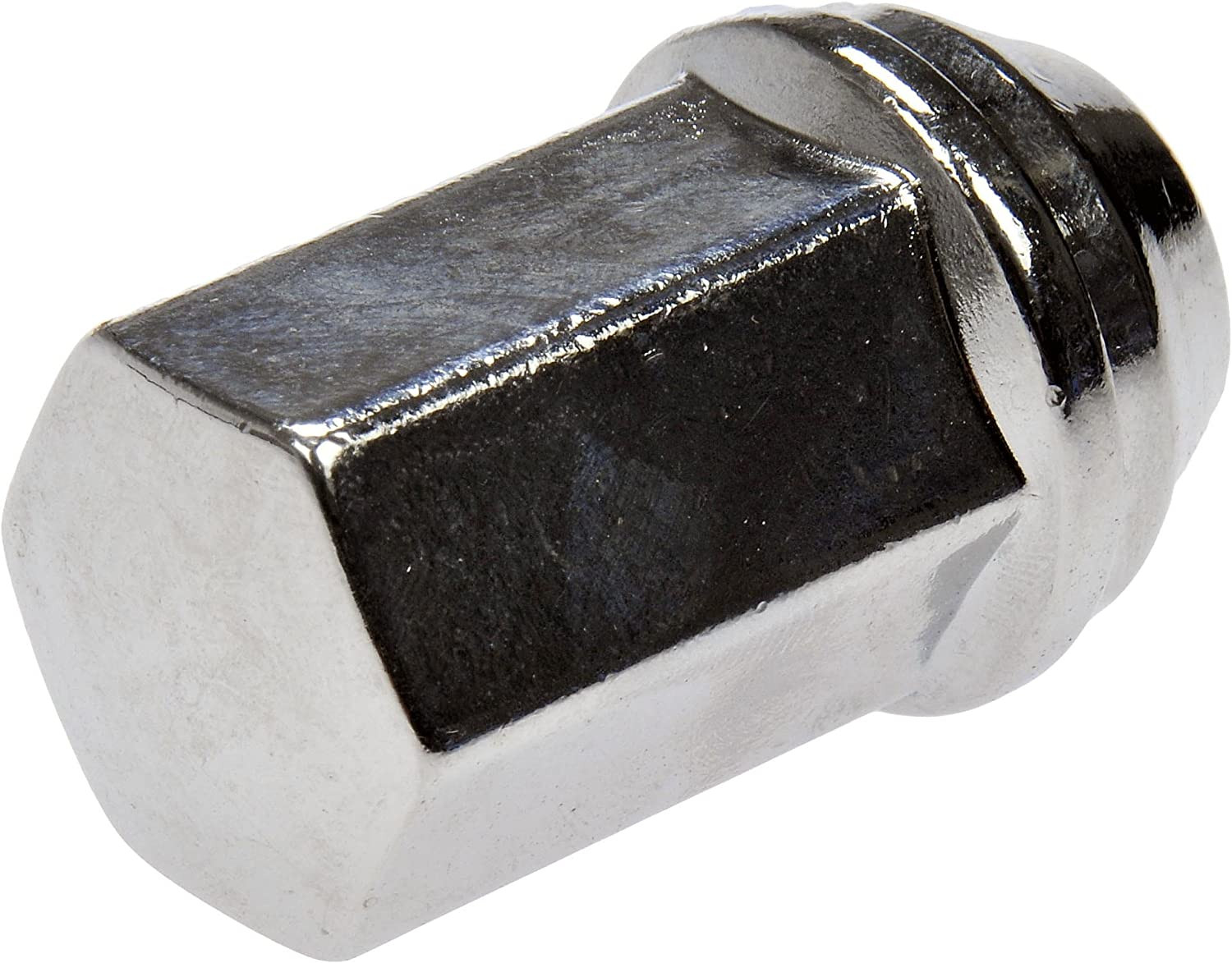
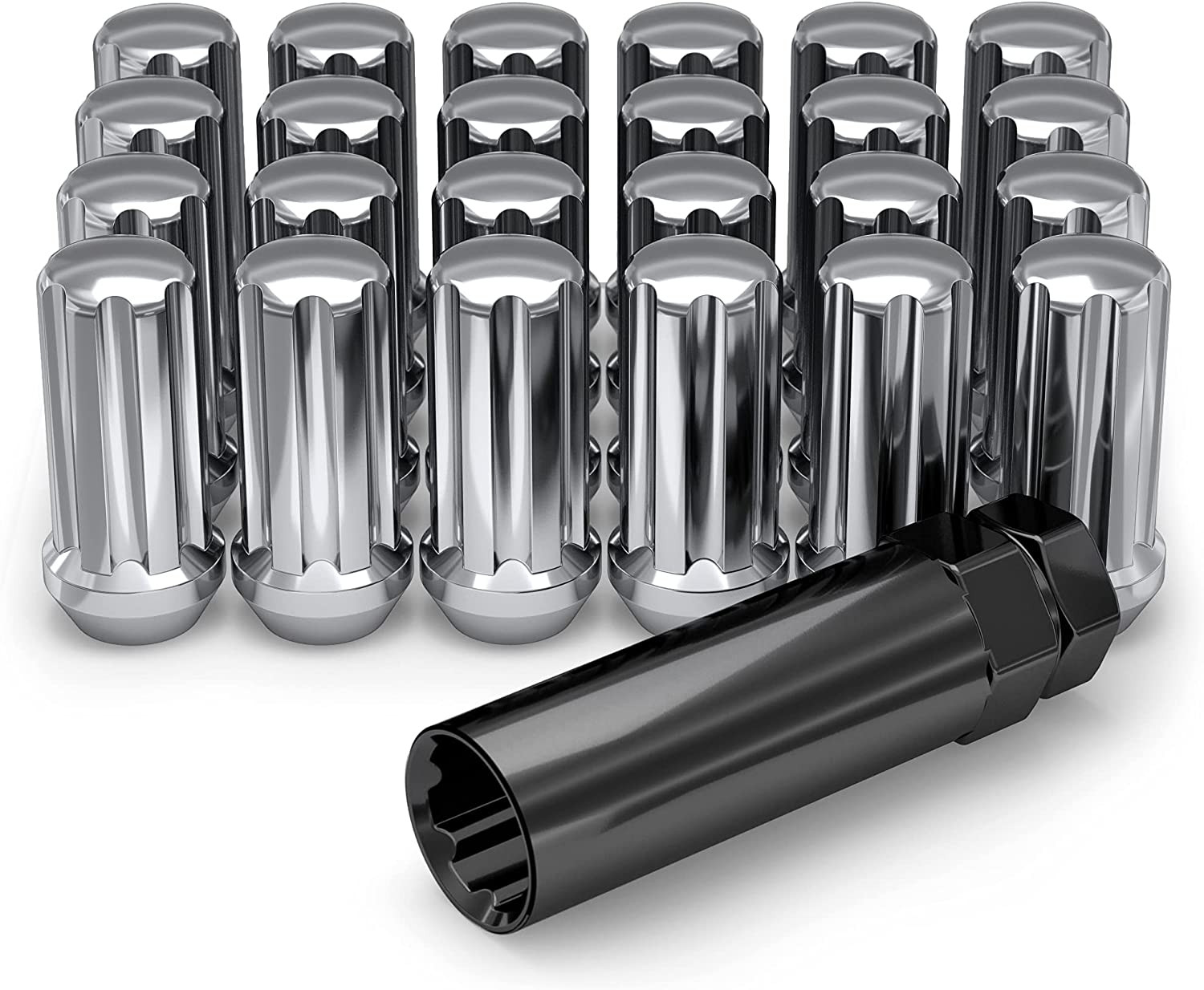
- Verify that the replacement wheel accepts the correct lug hardware and that the seating style matches the wheel.
- Check TPMS sensor compatibility and determine whether sensors need to be transferred, programmed, or replaced.
Plus Sizing And Common Upgrades
Plus sizing means changing wheel diameter while selecting a tire with a different sidewall height to keep the overall tire diameter close to the original. It may improve steering response or appearance, but it can also reduce sidewall cushioning, increase the risk of wheel and tire damage, and change ride comfort.
Do not assume that a larger wheel, wider tire, or lower offset will fit simply because the bolt pattern matches. Use the calculator to compare rim width, offset, tire section width, aspect ratio, and tire diameter. Then confirm the result with wheel manufacturer clearance information and a physical test fit when appropriate.
Keep the replacement tire diameter reasonably close to the vehicle's required specification unless the vehicle manufacturer and tire professional approve the change. A substantial diameter difference can affect speedometer accuracy, electronic systems, gearing, clearance, and vehicle handling. For vehicles with all-wheel drive or other electronically managed drivetrains, maintaining closely matched tire circumferences is especially important.
Installation Tips
- Inspect every wheel for cracks, bends, corrosion, damaged mounting seats, and an undamaged center bore before installation.
- Clean the hub and wheel mounting surfaces. Do not place washers, spacers, or improvised shims between the wheel and hub.
- Install only lug nuts that match the wheel's seat type and the vehicle's thread specification.
- Start all lug nuts by hand to prevent cross-threading, then tighten them in a crisscross pattern.
- Use a calibrated torque wrench and the vehicle or wheel manufacturer's specified lug torque. Do not rely on an impact gun for final torque.
- After installation, check for clearance with the steering turned fully left and right. If safe access is available, also check clearance with the suspension loaded and unloaded.
- Set tire pressure according to the vehicle placard or approved tire guidance, not the maximum pressure molded into the tire sidewall.
- Recheck lug torque after the first drive and again according to the wheel manufacturer's instructions.
- After changing wheel or tire dimensions, verify TPMS operation and consider a professional alignment check if steering, ride height, or suspension geometry has changed.
Tools And Helpful Supplies
Useful equipment may include a calibrated torque wrench, vehicle-specific jack and approved jack stands, a socket set, a tire pressure gauge, a tread depth gauge, a hub and wheel cleaning brush, and a wheel clearance measuring tool. Shop for a wheel lug nut torque wrench or a wheel clearance measurement tool from a reputable supplier.
Use jack stands on a solid, level surface and follow the vehicle owner's lifting points. Never work beneath a vehicle supported only by a jack. If a wheel requires force to seat, stops against the hub, or shows unusual contact, stop and have the fitment inspected by a qualified technician.
FAQs
What is the bolt pattern for a 2017 Dodge Durango?
The known bolt pattern provided for this page is 5x127. Confirm it against the vehicle and OEM documentation, especially if the vehicle has non-original wheels or parts.
What is the center bore for the 2017 Dodge Durango?
The known center bore is 71.6 mm. A replacement wheel with a larger bore may need a correctly sized hub-centric ring, while a wheel with a smaller bore will not fit over the vehicle hub.
What wheel offset is listed for this Durango fitment?
The provided OEM wheel offset is ET56 mm, with a listed backspacing of 6.2 inches. Offset and backspacing are important clearance measurements, so compare both when evaluating aftermarket or donor wheels.
Can any 5x127 wheel fit a 2017 Dodge Durango?
No. The bolt pattern is only one part of fitment. You must also check center bore, offset, backspacing, brake clearance, wheel width, load rating, lug hardware, tire clearance, and TPMS compatibility.
What tire size is listed in the known fitment data?
The provided tire measurements are 265 mm section width, a 60% aspect ratio, and an 18-inch rim diameter, commonly expressed as a 265/60R18 size format. Confirm the size on the vehicle tire placard, the current tire sidewall, and OEM documentation before replacement.
Can I use a wider tire or a different wheel diameter?
Possibly, but the result depends on wheel width, offset, tire diameter, brake clearance, suspension clearance, body clearance, load rating, and drivetrain requirements. Enter the proposed dimensions in the calculator, then confirm the result with the wheel and tire manufacturers and a physical inspection.
Does changing rim diameter change the tire comparison?
Yes. In this calculator, changing the custom rim diameter updates the tire diameter in the comparison. Review the resulting diameter and clearance differences before making a purchase.
What lug thread size is listed for this vehicle?
The provided thread specification is M14 x 1.5. The lug nut seat must also match the replacement wheel, so do not select hardware based on thread size alone.
Where can I confirm the final fitment?
Check the vehicle tire and loading information label, owner's manual, OEM service information, and the wheel and tire manufacturers' specifications. A qualified tire or wheel technician can also verify brake clearance, hub fit, lug seating, and tire clearance before installation.